

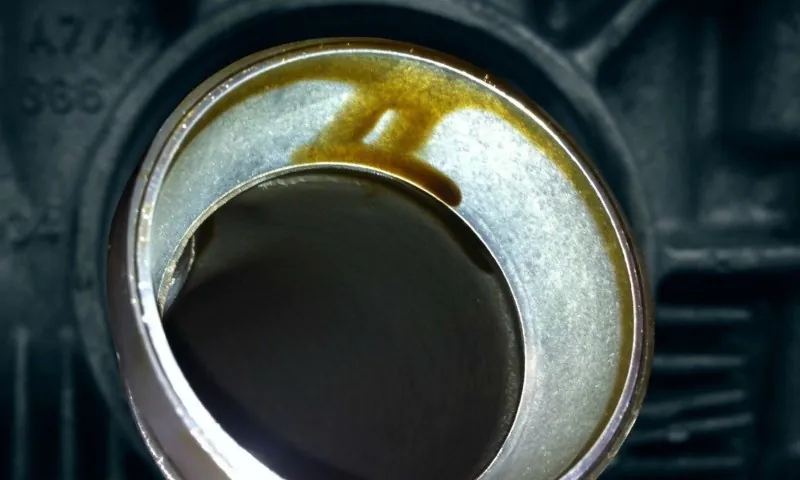
An intake pipe helps carry air into the engine so the air-fuel mixture can burn properly. Oil inside that pipe usually points to a symptom, not the main problem.
A thin oil film can be normal in many modern engines. Crankcase ventilation systems route oil vapor back into the intake, so a small amount of residue may appear over time.
Pooled oil, dripping residue, recurring buildup, blue smoke, rough idle, or high oil consumption should be checked.
Issues like a faulty PCV system, excessive blow-by, worn turbo seals, or an incorrect oil level can push too much oil vapor into the intake path.
Cleaning the intake may remove the residue, but it does not fix the cause.
A proper inspection should find why oil is entering the intake system in the first place.
Is Oil in the Intake Pipe Normal?
A light oil coating inside the intake pipe or throttle body can be normal. Modern engines often send crankcase vapors back into the intake system, and those vapors can leave a thin film over time.
Anything heavier than a light coating may suggest a problem, especially if oil returns soon after cleaning. Wet residue, dripping oil, or oil pooling inside the intake pipe should not be ignored.
Pooled oil in the intake manifold is more serious. It may point to an aging engine, worn internal parts, poor crankcase ventilation, turbocharger oil seal wear, or too much oil in the crankcase.
Oil in the intake becomes more concerning when it appears with:
- Blue exhaust smoke
- Rough idle
- Poor acceleration
- Sluggish throttle response
- Increased oil consumption
- Misfires
- Check engine light
- Oil residue in the throttle body, intake sensors, or intercooler
A small film alone may not need urgent repair. Heavy buildup paired with performance symptoms should be inspected as soon as possible.
Common Causes of Oil in the Intake Pipe
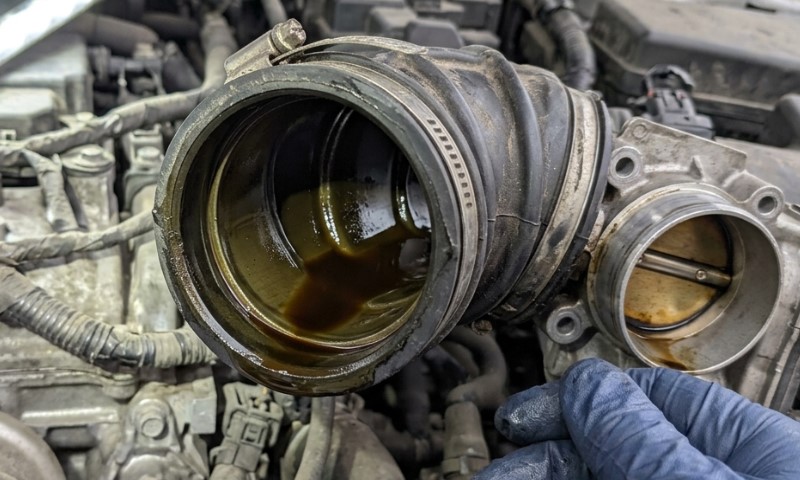
Before you do anything, you should be aware of the common causes of oil in the intake pipe.
Faulty or Clogged PCV Valve
A faulty or clogged PCV valve is one of the most common causes of oil in the intake pipe.
PCV means positive crankcase ventilation, and its job is to control crankcase pressure while routing vapor back into the intake.
A PCV valve that is clogged, stuck, dirty, or only partly working can disturb airflow and crankcase pressure. When that happens, excess oil vapor may enter the intake pipe and leave wet residue behind.
A bad PCV valve can also trigger a check engine light. Because it is common, affordable, and easy to inspect on many engines, the PCV valve should usually be one of the first parts checked.
Signs of a PCV problem may include oil inside the intake tube, rough idle, increased oil use, vacuum leaks, sludge around the valve, or poor engine performance.
Damaged PCV Hoses or Breather Lines
Cracked, clogged, loose, collapsed, or oil-filled PCV hoses can stop the crankcase ventilation system working correctly.
Poor ventilation can raise crankcase pressure and push oil vapor into the intake system.
In diesel applications, oil vapor problems linked to the crankcase ventilation circuit may lead some owners to inspect breather lines, oil catch cans, or CCV delete/reroute kits as part of the intake-oil diagnosis.
A damaged hose may also allow unmetered air to enter the engine, creating idle problems, lean running, or a check engine light.
Soft hoses can collapse under vacuum, while older hoses may crack due to heat and age.
PCV hoses and breather lines should be checked for cracks, clogging, loose fittings, collapsed sections, and heavy oil inside the hose. Any hose that feels brittle, swollen, oil-soaked, or blocked should be replaced.
Overfilled Engine Oil
Too much engine oil can cause oil to be whipped into a mist by rotating engine parts. Once oil becomes aerated or misted, it can be pulled into the intake through the ventilation circuit.
Overfilled oil is often linked to improper oil changes or incorrect dipstick readings. Even a small overfill can cause problems on some engines, especially if the crankshaft contacts the oil.
An overfilled engine may show smoke, oil in the intake, foamy oil, leaks, sluggish performance, or oil consumption. Correct oil level is important because too much oil can create pressure, aeration, and intake contamination.
Dirty or Clogged Air Filter
A dirty or clogged air filter can restrict airflow into the engine. Reduced airflow may disturb intake vacuum and engine performance, and it may contribute to oil being drawn into the intake manifold.
A clogged air filter can also cause poor acceleration, reduced power, smoke, lower fuel efficiency, and sluggish throttle response. In severe cases, the engine may struggle under load because it cannot breathe properly.
Inspecting the air filter is a simple early step. A filter that looks packed with dirt, oil, leaves, or debris should be replaced.
Excessive Blow-By or Worn Piston Rings
Worn piston rings can allow combustion gases to pass into the crankcase. That leakage is called blow-by. Excessive blow-by raises crankcase pressure and can push oil vapor into the intake system through the PCV circuit.
Blow-by becomes more common as an engine ages or wears. Worn rings, cylinder wall damage, or poor sealing can all cause pressure to build in the crankcase.
Common signs include:
- Blue exhaust smoke
- High oil consumption
- Low compression
- Reduced power
- Rough running
- Oil residue in the intake
- Fouled spark plugs
Compression testing or leak-down testing may be needed if worn rings or cylinder wall wear are suspected. Low compression or high leak-down results can point to internal engine wear.
Turbocharger Oil Seal Problems
On turbocharged or supercharged engines, oil can enter the intake through worn turbo seals, high crankcase pressure, or excess oil vapor passing through the breather system.
Oil may appear inside the intercooler piping, charge pipes, throttle body, or intake manifold.
A light oil film inside turbo piping can be normal, especially on higher-mileage engines.
Heavy oil buildup, pooled oil, or oil dripping out of the charge pipe should be inspected.
Older turbos and high-mileage engines are more likely to develop seal wear. However, turbo oil inside the intake does not always mean the turbo has failed. PCV issues, excessive blow-by, or overfilled oil can also send oil into the intake side.
Worn Valve Stem Seals
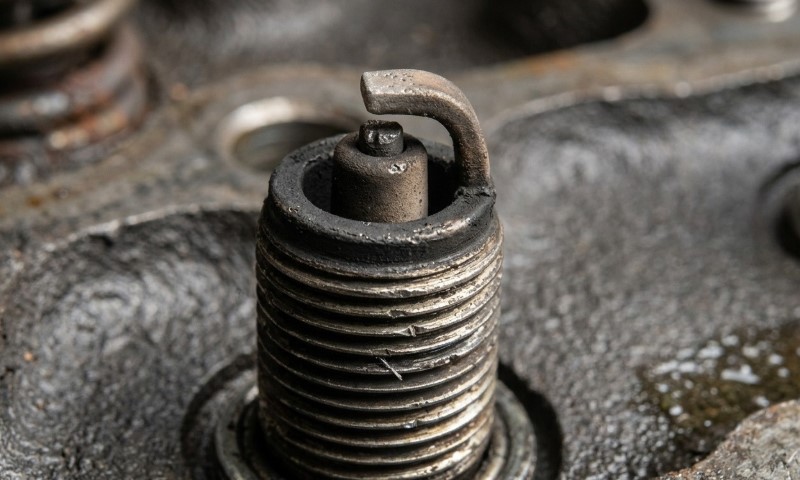
Valve stem seals help keep oil out of the intake ports and combustion chamber. When they age, harden, or crack, oil can seep past the valves and enter areas where it should not be.
Worn valve stem seals can cause gradual oil buildup, carbon deposits, increased oil usage, and smoke. Smoke may be more noticeable after startup, after idling, or during deceleration.
Oil entering through the valve area can also contribute to deposits on intake valves, especially in direct-injection engines where fuel does not wash over the intake valves.
Valve Cover or Intake Manifold Gasket Leaks
Oil seen on or near the intake pipe may not be coming through the inside of the intake system.
A leaking valve cover gasket can drip oil onto the intake area, especially on V-shaped engines where valve covers sit higher than the intake manifold.
A blown or leaking intake manifold gasket can also allow oil to collect around intake edges. Vacuum leaks, misfires, coolant leaks on some engines, and a check engine light may appear with gasket problems.
Related signs may include:
- Oil around the intake manifold
- Oil trails on nearby engine surfaces
- Coolant leaks in some cases
- Vacuum leaks
- Misfires
- Check engine light
Do not assume the intake pipe is the source until external gasket leaks are ruled out.
Sludge or Clogged Oil Passages
Poor oil-change history can create sludge and deposits inside oil passages. When oil cannot drain or flow correctly, it may collect near the top of the cylinder head.
Excess oil in that area can enter the PCV system and move into the intake. Sludge can also clog the PCV valve or breather lines, making the problem worse.
Dark, thick, gritty, or tar-like oil may point to poor maintenance or internal sludge. An engine with sludge may also have noisy operation, low oil pressure, overheating, or accelerated wear.
Symptoms to Watch For
Oil in the intake pipe may show up with mild or serious symptoms. A light film can be normal, but wet oil, recurring residue, or performance changes should be checked.
Common symptoms include:
- Light oil film inside the intake pipe
- Wet oil inside the throttle body
- Oil in the intercooler or charge piping
- Oil gathering around intake manifold edges
- Blue exhaust smoke
- Rough idle
- Poor acceleration
- Sluggish throttle response
- Reduced fuel efficiency
- Misfires
- Loss of power under load
- Increased oil consumption
- Fouled spark plugs
- Check engine light
- Carbon buildup, especially in direct-injection engines
- Oxygen sensor contamination
- Catalytic converter stress
- Throttle body contamination
- Intake sensor contamination
- Intercooler contamination
Blue smoke usually means oil is being burned. High oil consumption can point to worn rings, valve stem seal wear, turbo seal problems, or PCV faults.
Rough idle, misfires, and sluggish throttle response may happen when oil residue affects the throttle body, intake sensors, spark plugs, or air-fuel mixture.
Carbon buildup can be worse in direct-injection engines because fuel does not wash over the intake valves. Oil vapor and deposits can collect on the valves and restrict airflow over time.
What To Check First
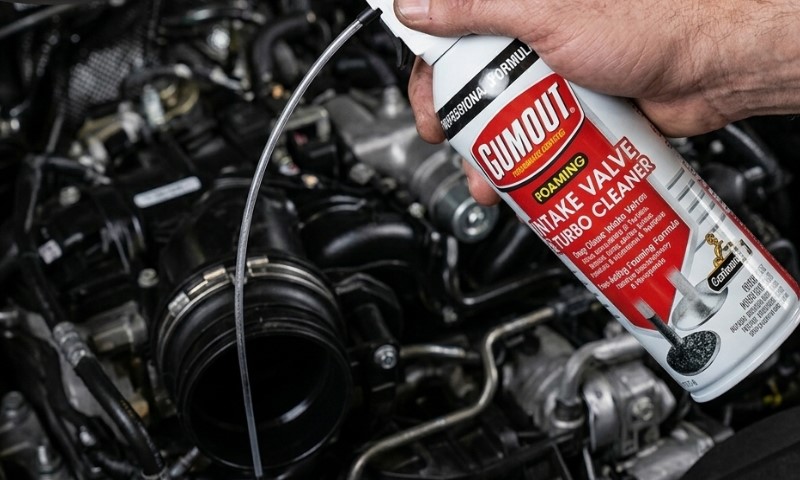
What are the first things you should check out?
1. Check How Much Oil Is Present
Start by checking the amount of oil in the intake pipe.
A light film is often normal. Wet residue should be inspected further. Pooled oil or dripping oil usually points to an active issue. Oil that returns after cleaning also suggests an active problem.
Amount matters because a thin coating and a puddle do not mean the same thing.
A small film may only be crankcase vapor residue, while pooled oil can point to PCV failure, turbo seal wear, excessive blow-by, or overfilled oil.
2. Clean the Area and Recheck
Clean the intake pipe, throttle body area, and nearby engine surfaces. After a short drive, check again for new oil.
Fresh oil after cleaning helps confirm an active leak or ventilation issue. No new oil may mean the residue was old buildup.
Cleaning can also make diagnosis easier. Oil trails, wet hoses, and gasket leaks are easier to see when old grime has been removed.
3. Inspect the PCV Valve
Check the PCV valve for clogging, sticking, sludge, or poor operation. Some PCV valves should rattle when shaken. No rattle may mean the valve is stuck or dirty, although not every design works that way.
Replace or clean the PCV valve if it is blocked, gunked up, stuck, or questionable. A bad PCV valve can allow too much oil vapor into the intake or create incorrect crankcase pressure.
Since PCV faults are a common cause of oil in the intake pipe, inspecting this part early can save time.
4. Inspect PCV Hoses
Look closely at the PCV hoses and breather lines. Check for cracks, clogs, loose fittings, collapsed sections, and heavy oil inside the hose.
Damaged hoses can affect crankcase pressure and increase oil vapor in the intake. A clogged hose can trap pressure, while a cracked hose can create vacuum leaks or poor ventilation.
Replace damaged hoses instead of trying to patch them. Heat, oil, and age can make old hoses brittle or soft.
5. Check Engine Oil Level and Condition
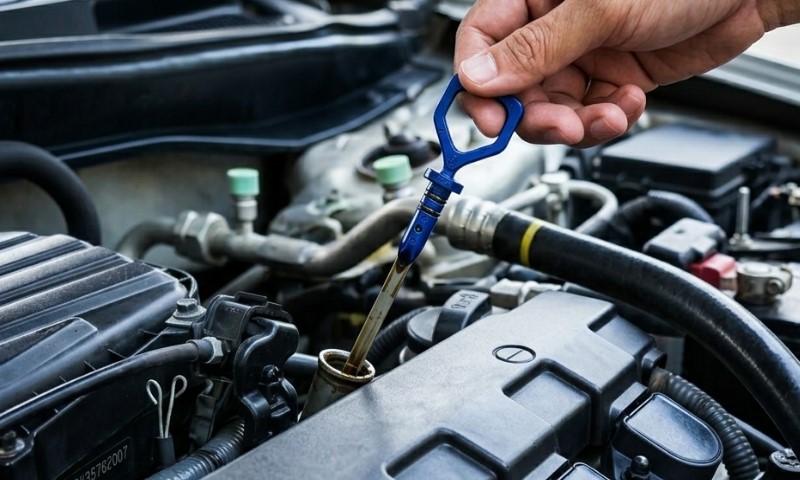
Check the oil level using the correct procedure for your vehicle. Make sure the engine is not overfilled.
Oil that sits above the full mark can be whipped into mist and pulled into the intake through the ventilation system. Correcting the oil level may reduce oil residue if overfilling caused the issue.
Also check oil condition. Dirty, sludgy, thick, or degraded oil may point to poor maintenance or internal deposits. Review oil consumption and service history because both can point to internal wear.
6. Check the Air Filter
Inspect the air filter for dirt, clogging, or oil contamination. Replace it if airflow is restricted.
A clogged air filter can reduce power and disturb airflow. It may also contribute to smoke or oil entering the intake manifold in some cases.
A clean air filter helps the engine breathe correctly and keeps dirt out of the intake system.
7. Inspect the Throttle Body and Intake Manifold
Remove the intake tube and look inside the throttle body. Check for oil residue, carbon buildup, and a sticky throttle plate.
Oil buildup can affect idle quality and throttle response. A dirty throttle body may cause rough idle, hesitation, stalling, or poor acceleration.
Inspect as far into the intake manifold as practical. Heavy oil inside the manifold is more concerning than a light coating inside the intake tube.
8. Inspect for External Oil Leaks
Check around the valve cover, intake manifold, and nearby engine surfaces. Look for oil trails higher up on the engine.
Oil on the outside of the intake pipe can come through a leaking valve cover gasket or intake manifold gasket. Do not assume oil started inside the intake until nearby external leaks are ruled out.
A clean engine surface makes this step easier. After cleaning, fresh oil marks can show the leak path.
9. For Turbo Engines, Check Intercooler and Charge Pipes
Turbocharged engines should have the turbo outlet, charge pipes, intercooler, and throttle body inlet inspected.
A light oil film may be normal in turbo piping. Pooled oil may suggest turbo seal wear, PCV issues, excessive blow-by, or too much oil in the engine.
Intercoolers can collect oil over time. A small amount may not require immediate turbo replacement, but heavy buildup or recurring puddles should be monitored closely.
10. Consider Compression or Leak-Down Testing
Compression testing or leak-down testing may be needed if basic checks do not explain the oil.
Use these tests if:
- Oil keeps returning
- Blue smoke is present
- Oil consumption is high
- PCV and hose checks do not explain the issue
- Power is low
- Engine operation is rough
Low compression or high leak-down results may indicate worn piston rings, cylinder wall wear, or other internal sealing problems.
Summary
A small amount of oil in the intake pipe can be normal, especially as a thin film.
Heavy oil buildup, pooled oil, smoke, rough idle, high oil use, or performance loss should be diagnosed.
Start with simple checks first:
- Oil amount
- PCV valve
- PCV hoses
- Engine oil level
- Air filter
- Throttle body
- External leaks
If the issue continues, inspect for turbo seal problems, excessive blow-by, worn valve stem seals, clogged oil passages, or worn piston rings.
Cleaning the intake may remove visible residue, but the cause still needs to be found. Oil will usually come back unless the actual problem, such as a PCV fault, turbo seal wear, overfilled oil, or internal engine wear, is repaired.