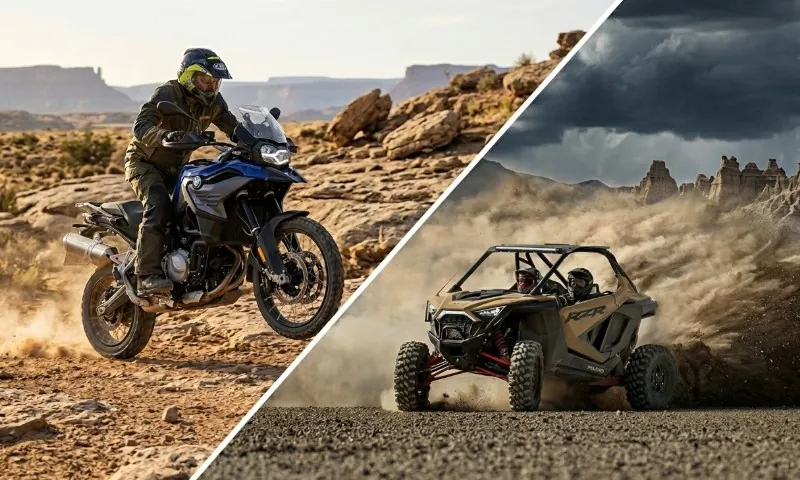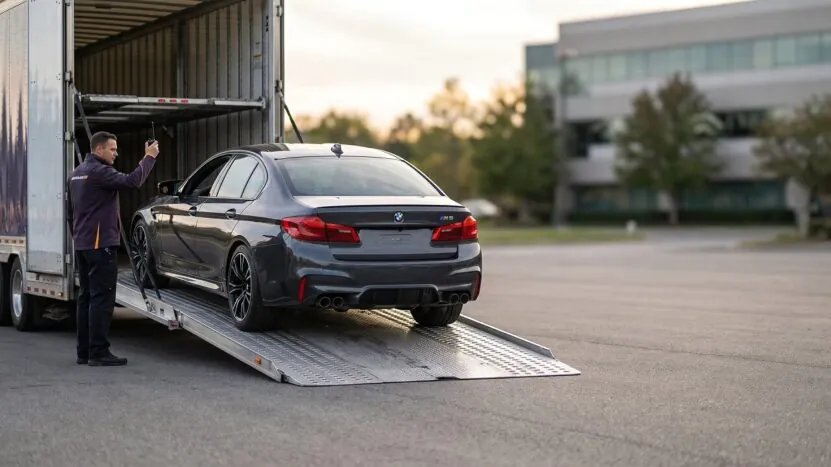


American vehicle-show culture covers concours classics, custom trucks, hot rods, tuner builds, muscle cars, EV concepts, rare collector models, and high-performance street machines.
Top U.S. vehicle shows often work as museums, festivals, competitions, marketplaces, and social gatherings.
Many include concours judging, manufacturer debuts, swap meets, aftermarket vendors, live demonstrations, dyno pulls, engine rev-offs, restoration demos, and awards such as “Best Paint,” “Most Original,” and “Best Modified.”
Chosen for custom builds, rare vehicles, special modifications, car brands history, and enthusiast culture, these 10 shows rank among the strongest vehicle events in the United States.
1. SEMA Show, Las Vegas, Nevada

SEMA Show in Las Vegas is the leading U.S. event for aftermarket innovation, specialty equipment, professional performance parts, and extreme custom builds.
Held in November, it operates mainly as an industry-only trade show, but its influence reaches builders, shops, media, and enthusiasts across the country.
Several vehicle types and modification categories dominate the show floor:
- Lifted trucks with suspension upgrades
- Restomods with modern performance systems
- Drift cars built for competition use
- Celebrity-built hot rods
- Concept builds created to introduce new parts
- Wraps, lighting, wheels, tuning technology, and performance upgrades
SEMA is widely known as a world-leading event for automotive aftermarket products and innovation, with thousands of new parts and custom vehicles on display.
It also ranks among the biggest U.S. shows for aftermarket tuning, modifications, and professional equipment.
Future mod trends, new aftermarket products, and professional custom-build ideas often debut at SEMA.
For smaller custom projects, a build-ready mini bike frame such as the FRP Moto GMB100 frame, fits the same DIY modification mindset, since it supports 79cc, 98cc, 196cc, 212cc, and 225cc engines, uses a universal engine mounting plate, includes hydraulic brakes, and is designed for bolt-on setup without welding or drilling.
2. Pebble Beach Concours d’Elegance, Pebble Beach, California
Pebble Beach Concours d’Elegance is one of the most prestigious collector-car events in the world.
Held every August on the 18th fairway of Pebble Beach Golf Links, it is a major part of Monterey Car Week.
Multimillion-dollar classics, pre-war icons, coachbuilt vehicles, rare European marques, historically important automobiles, and museum-quality restorations define the event.
Judging depends on exacting standards that reward accuracy and documentation:
- Authenticity
- Restoration quality
- Beauty
- Provenance
- Correct finishes
- Original specifications
- Period materials
- Mechanical accuracy
- Bodywork quality
Pebble Beach is a premier event for classic-car enthusiasts and vintage automobiles.
Its focus is rare automotive history, preservation, and elegance rather than wild customization.
3. Woodward Dream Cruise, Detroit, Michigan
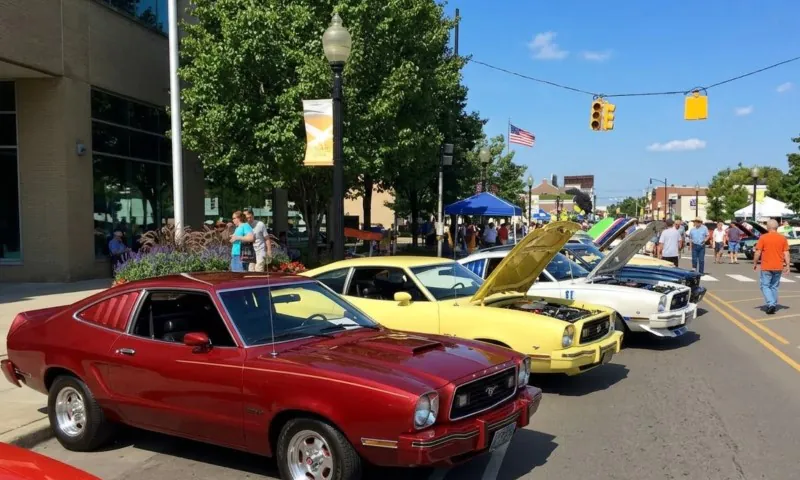
Woodward Dream Cruise is a massive public cruise along Detroit’s historic automotive corridor. Held every August, it turns a 16-mile stretch of Woodward Avenue into an open-air rolling museum.
Thousands of classic cars, hot rods, muscle cars, specialty vehicles, cruisers, and modified street machines take part in the rolling-show format.
Scale is one of Woodward’s biggest defining traits:
- More than a million spectators
- Tens of thousands of vehicles
- A 16-mile route along Woodward Avenue
- One-day event format
- Strong connection to Detroit automotive history
Woodward is widely called the largest one-day classic car event on the planet.
It is also described as the world’s largest one-day automotive event, drawing over a million people each year.
Detroit heritage gives Woodward its identity. Muscle cars, restored cruisers, custom street machines, and rare American classics make it one of the strongest public celebrations of U.S. car culture.
4. Detroit Autorama, Detroit, Michigan
Detroit Autorama is one of the top custom-car showcases in the country. It is especially important for serious builders focused on craftsmanship, fabrication, paint, and design.
Hot rods, lowriders, classic cars, custom trucks, custom paint, bodywork, interiors, and detailed engine bays are central to the event.
Winning-level builds often need several high-end traits working together:
- Advanced metalwork
- Precise stance
- High-end paint
- Custom interiors
- Clean engineering
- One-off details
Autorama is famous for the Ridler Award, one of the most respected honors in custom-car craftsmanship.
Autorama events often include famous customizers, celebrity appearances, elaborate builds, themed areas, and “Autorama Extreme” for traditional hot rods.
5. Goodguys Rod & Custom Association Events, Nationwide
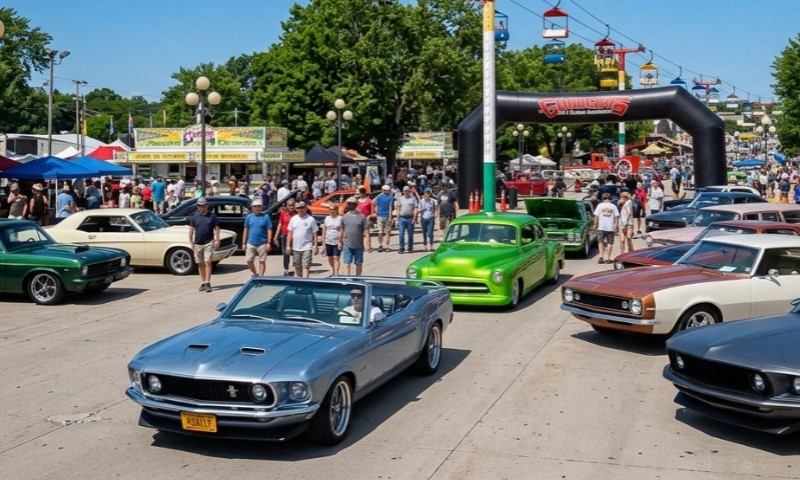
Goodguys Rod & Custom Association events take place across the U.S. and celebrate hot rods, customs, and classic cars.
Events focus heavily on pre-1999 hot rods, customs, and classics, often with thousands of vehicles at fairgrounds and speedways.
Core features give Goodguys events a strong mix of show, marketplace, and performance activity:
- Swap meets
- Vendor midways
- Awards
- AutoCross racing
- Nitro dragsters
- Live music
- Competitions
- Family-friendly activities
Goodguys is especially strong for classic American cars, hot rods, custom cars, and restoration techniques.
Polished show cars, traditional rods, street machines, restomods, and weekend cruisers all fit the event format.
6. Hot August Nights, Reno and Sparks, Nevada
Hot August Nights in Reno and Sparks, Nevada, centers on 1950s through 1970s nostalgia, cruises, music, show-and-shine displays, and drag racing.
It is one of the largest classic-car gatherings in the world, with nightly cruises, drag races, music festivals, and thousands of pre-1979 classics.
Main Reno event dates for 2026 are Friday, July 31 to Sunday, August 9, 2026. That event marks the 40th anniversary and includes classic cars, free concerts, and cruises.
Period style shapes much of the event’s identity:
- Custom cars
- Restored cruisers
- Vintage-style modifications
- Classic American cars
- Period-correct details
7. Grand National Roadster Show, Pomona, California
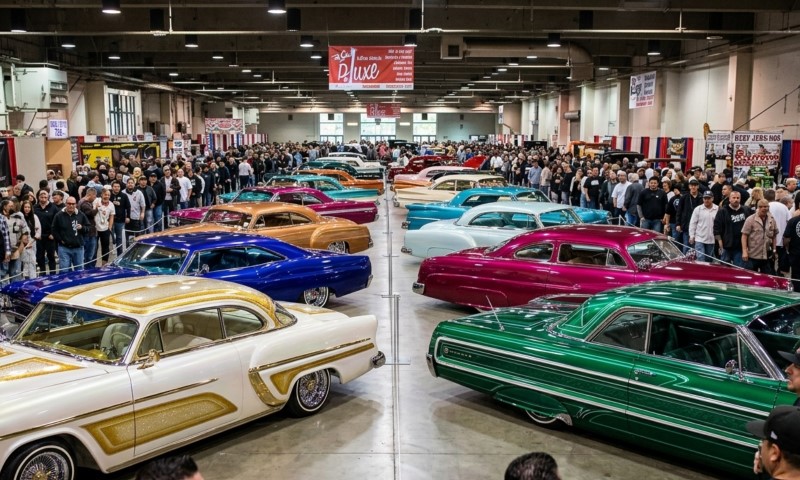
Grand National Roadster Show in Pomona, California, is a premier indoor custom-car event with major hot rod history.
Held annually at the Fairplex in Pomona, usually in late January or early February, it is known as the world’s longest-running indoor custom car show.
Roadsters, customs, muscle cars, classics, hot rods, and polished indoor show builds fill the event.
Two major awards carry major value in the custom-car community:
- America’s Most Beautiful Roadster
- Al Slonaker Memorial Award
High-level fabrication, paint, detailing, stance, engineering, trim, interiors, and period-correct creativity are key parts of the show.
8. Muscle Car and Corvette Nationals, Rosemont, Illinois
View this post on Instagram
Muscle Car and Corvette Nationals, often called MCACN, is one of the top indoor events for American performance vehicles.
It is known as the world’s largest indoor car show dedicated to American performance vehicles.
Rare and significant muscle cars, Corvettes, hot rods, dealer-built supercars, survivor cars, and 1960s through 1970s performance icons are central attractions.
Collector value at MCACN often depends on specific proof and factory details:
- Documentation
- Limited-production trims
- Unusual options
- Special performance packages
- Factory-correct details
- Expert judging
- Rare unveilings
- Themed displays
MCACN is especially important for collectors who want to see rare American performance vehicles with verified history.
9. Carlisle Events and Carlisle Ford Nationals, Carlisle, Pennsylvania
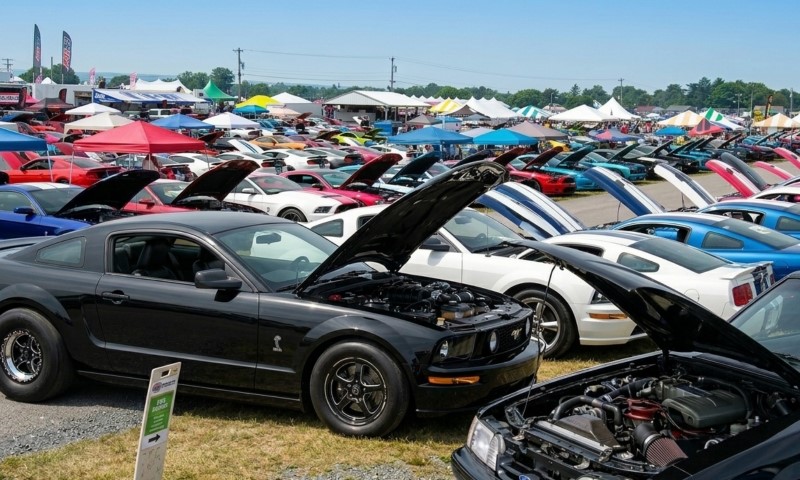
Carlisle Events in Carlisle, Pennsylvania, hosts major themed vehicle shows and swap meets throughout the year.
Carlisle Ford Nationals focuses on Ford, Mercury, and Lincoln vehicles. It is known as the largest all-Ford car show in the world, with thousands of vehicles, massive swap meets, specialty sub-events, and autocross competitions.
Carlisle Events is also a major East Coast destination for classic-car parts and collector communities.
Ford-family fans and hands-on builders value Carlisle for several practical reasons:
- Project inspiration
- Rare trims
- Restoration parts
- Brand-loyal clubs
- Performance builds
- Blue Oval enthusiast culture
10. Daytona Turkey Run, Daytona Beach, Florida
@floridahutt21 Don’t miss Turkey run carshow November 25th-29th at Daytona International Speedway #classiccars #turkeyrun #hotrods #fastcars #florida2026
Daytona Turkey Run takes place at Daytona International Speedway in Daytona Beach, Florida.
Held over Thanksgiving weekend, it is one of America’s biggest combinations of car show and swap meet.
Marketplace activity gives Daytona major value for builders and collectors:
- Swap meet vendors
- Car corrals
- Memorabilia
- Rare parts
- Vintage accessories
- Specialty components
- Complete project cars
Car show displays add another major part of the event, giving attendees both finished vehicles and parts-hunting opportunities in one setting.
Builders attend to find restoration parts, complete project cars, vintage memorabilia, and hard-to-find components. Swap-meet-heavy events like Daytona also work as informal marketplaces for complete vehicles, project cars, and rare parts.
Closing Thoughts
U.S. vehicle shows cover concours restorations, custom builds, rare muscle cars, street rods, modern performance cars, classic cruisers, aftermarket tuning, and future-facing technology.
Together, these 10 shows offer a strong starting point for enthusiasts who want custom builds, rare models, special modifications, and automotive heritage at scale.