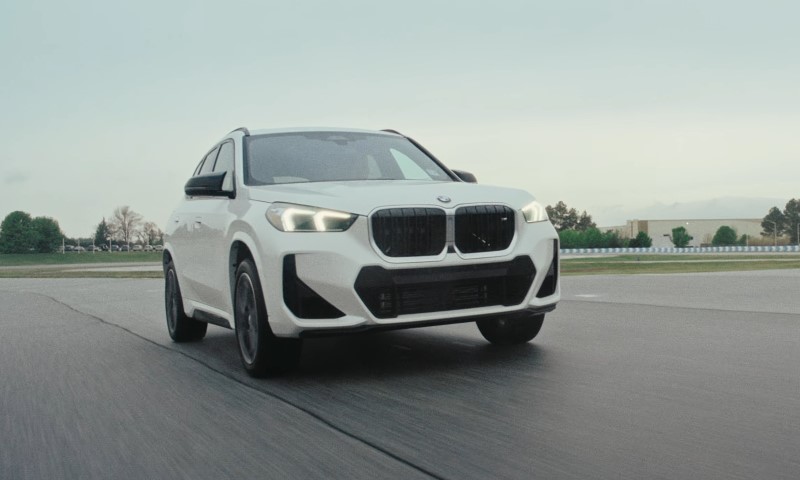

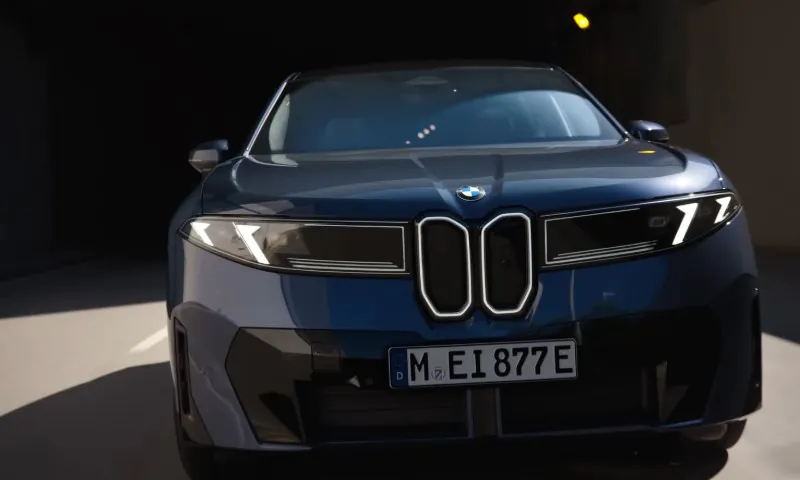
The new BMW iX3 is the first electric X3 that feels conceived as an EV from the start, rather than a combustion SUV converted to battery power. Premium electric SUVs no longer win on badge alone. Buyers expect long range, fast charging, cabin space, software that works, and towing ability without losing the familiar X3 character.
BMW’s answer is the Neue Klasse iX3, led by the iX3 50 xDrive: 345 kW, all-wheel drive, a 108.7 kWh usable battery, 679 to 805 km WLTP range, 400 kW DC charging, and a European launch in spring 2026, followed by U.S. market launch in summer 2026, according to BMW’s launch data.
Why the New BMW iX3 Matters in 2026
The iX3 matters because it is BMW’s first series-produced Neue Klasse vehicle, not simply another electric SUV in a crowded market. BMW says Neue Klasse technology will feed into 40 new models and updates by 2027, so the iX3 previews the software, battery, charging and design direction for much of the brand.
Earlier premium EVs often asked buyers to forgive awkward packaging, limited charging speed or heavy efficiency losses. The new iX3 tries to remove those excuses.
That also makes dealer guidance more relevant, especially for buyers comparing EV range, charging setup and local availability through BMW Of El Cajon.
It uses BMW’s sixth-generation eDrive system, new cylindrical battery cells, 800V electrical architecture, a dedicated electronics layout, and the “Heart of Joy” control unit for powertrain, braking, recuperation and steering.
Key BMW iX3 50 xDrive Specifications
BMW gives the iX3 50 xDrive enough numbers to look serious against the Audi Q6 e-tron, Mercedes-Benz GLC Electric and Tesla Model Y Long Range.
Range is the headline, yet charging speed and usable space are just as important for family-SUV buyers.
| Feature | BMW iX3 50 xDrive | Practical meaning |
| Power | 345 kW / 469 hp | Strong dual-motor performance |
| Torque | 645 Nm | Instant pull for overtaking and towing |
| 0 to 100 km/h | 4.9 seconds | Quick, but not tuned like an M car |
| Battery | 108.7 kWh usable | Large enough for long motorway trips |
| WLTP range | 679 to 805 km | Up to 500 miles on official cycle |
| DC charging | Up to 400 kW | 10 to 80 percent in 21 minutes |
| Cargo space | 520 to 1,750 litres | Proper family SUV capacity |
| Front storage | 58 litres | Cable space away from luggage |
| Towing | Up to 2,000 kg | Useful for trailers or small caravans |
| Drag coefficient | 0.24 Cd | Helps range at higher speeds |
Is the BMW iX3 Finally A Proper Electric X3?
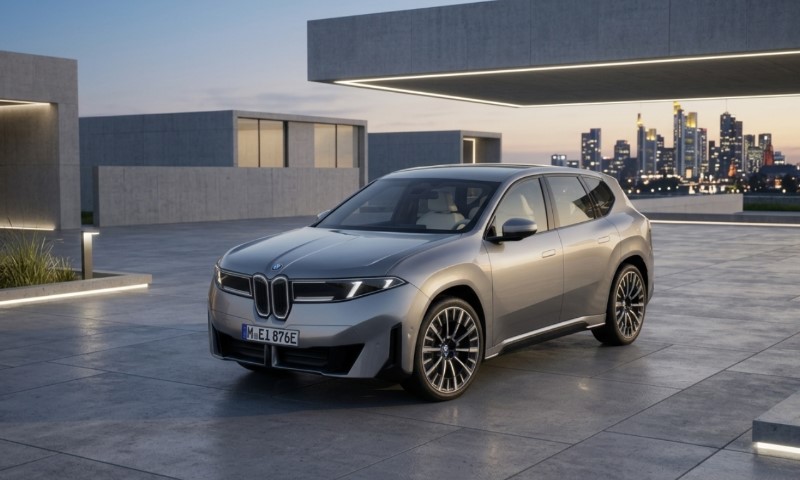
Yes. The new iX3 finally feels like a proper electric X3 because the core hardware is EV-first, while the usability remains recognisably X3-like. The battery is integrated structurally, the cells go directly into the pack, and the car uses an 800V system rather than older 400V limits.
BMW also says the new drive technology cuts energy losses by 40 percent, weight by 10 percent and manufacturing cost by 20 percent compared with fifth-generation eDrive technology.
The family-SUV basics are also intact. At 4,782 mm long, 1,895 mm wide and 1,635 mm tall, the iX3 is close to the size buyers expect from an X3. The 520-litre boot, 58-litre front storage area and 2,000 kg towing capacity make it feel less like a tech experiment and more like a premium daily car.
Range and Charging: The Real Headline
The iX3 50 xDrive’s range claim is huge, but buyers should read it correctly. BMW quotes 679 to 805 km WLTP depending on configuration. WLTP is useful for comparing cars, but it is not a guarantee of motorway range in rain, winter or repeated high-speed driving.
Independent early testing gives a more grounded picture. A Carwow road test reported 3.3 miles per kWh across a 154-mile mixed route in an iX3 on 21-inch wheels, implying a real-world range of almost 360 miles.
Autocar also found motorway range “well over 300 miles,” while noting that the 400 kW peak was reached only briefly during charging.
Charging remains one of the iX3’s strongest claims. BMW says 10 minutes at a suitable 800V DC station can add up to 372 km, or 231 miles, and 10 to 80 percent takes 21 minutes.
The caveat is infrastructure: 400 kW chargers remain less common than slower public chargers in many markets. Owners with home charging will use AC far more often; BMW lists 11 kW AC as standard, with 22 kW available as an option from production period 3/2026.
Interior, Screens and Software
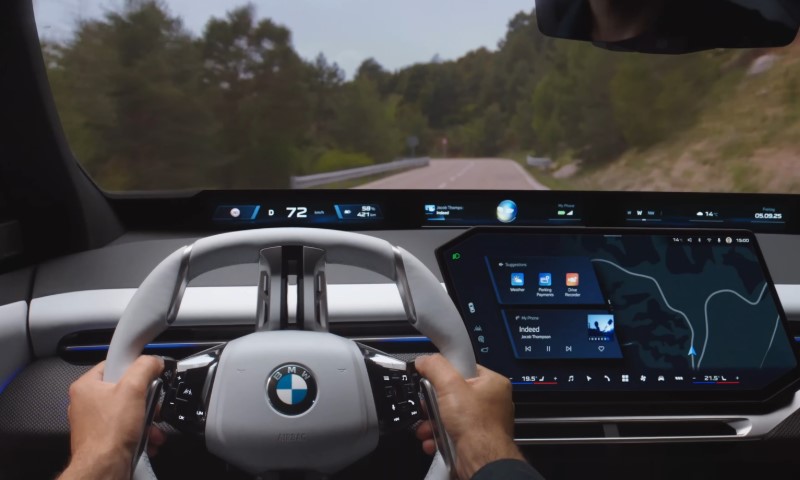
The cabin marks a clean break from older BMW layouts, but it does not abandon physical controls entirely. BMW Panoramic iDrive uses Panoramic Vision across the windscreen, a central display, steering-wheel haptics, voice control and BMW Operating System X.
BMW says data from more than 10 million connected vehicles and usability studies with more than 3,000 customers influenced the interface.
That mix matters. Many drivers have grown tired of basic tasks buried in touchscreens. BMW still keeps physical controls for wipers, indicators, exterior mirrors, volume, gear selection, parking brake, hazard lights, rear-window heating and defrosting.
The digital layer handles personalisation, apps, navigation, charging route planning and over-the-air updates.
The iX3 40 Makes the Range More Interesting
BMW added the iX3 40 as a second powertrain version for summer 2026. It uses a rear-mounted 235 kW motor, produces 500 Nm, reaches 100 km/h in 5.9 seconds, and gets an 82.6 kWh usable battery. WLTP range is listed at 534 to 637 km, while DC charging peaks at 300 kW, based on BMW’s summer 2026 update.
For many buyers, that version may be the smarter car. It gives up all-wheel drive and some headline range, yet keeps Neue Klasse technology, 800V hardware and strong performance. Fleet drivers and urban families could find the smaller-battery version easier to justify if pricing lands clearly below the 50 xDrive.
BMW iX3 vs Key Electric SUV Rivals
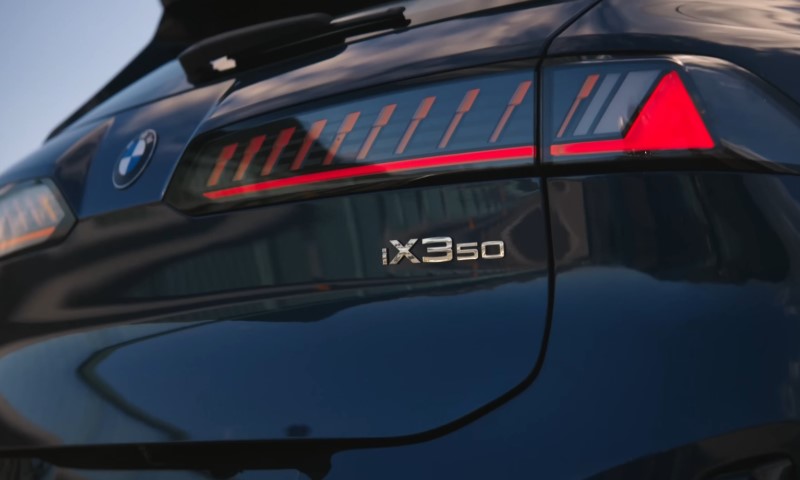
The iX3’s advantage is not one isolated stat. Audi remains polished, Mercedes leans heavily into cabin technology, and Tesla still has a very strong charging ecosystem.
BMW’s pitch is balance: range, charging, dynamics, towing, space and a less alien cabin than some software-first EVs. For comparison, Audi’s UK range data lists up to 395 miles and up to 270 kW DC charging for the Q6 SUV e-tron.
| Model | Official range highlight | Peak DC charging | Main character |
| BMW iX3 50 xDrive | Up to 805 km / 500 miles WLTP | 400 kW | Long range, fast charging, BMW handling focus |
| Audi Q6 SUV e-tron | Up to 395 miles in UK data | 270 kW | Quiet, polished, premium cabin |
| Mercedes-Benz GLC 250 Electric | 389 miles WLTP in UK data | 330 kW | Comfort-led, screen-heavy luxury SUV |
| Tesla Model Y Long Range AWD | 391 miles in UK review data | Market dependent | Efficient, software-led, strong charging ecosystem |
What Could Still Annoy Owners?
View this post on Instagram
The iX3 is not perfect on available evidence. A 108.7 kWh battery helps range, but it also means weight, cost and longer home charging. The best DC charging numbers need rare high-power chargers. Large wheels will reduce range.
Some software functions, bidirectional charging benefits and AI voice features will depend on market, production timing, hardware, subscriptions and compatible home equipment.
Price will decide a lot. In Europe, the iX3 50 xDrive competes with expensive premium EVs, but buyers still compare monthly cost against a Tesla Model Y or a well-equipped combustion X3. A proper EV platform helps BMW, but value still matters.
BMW Builds The Electric X3 It Needed
The new BMW iX3 is the most convincing electric SUV BMW has built because it solves the old problem at the root. It is not an electric compromise wearing an X3 badge.
It is a dedicated EV with serious range, very fast charging, usable family-SUV packaging, strong towing ability, and a cabin that feels modern without making every task feel like a software menu.
For buyers who want a premium electric SUV in 2026, the iX3 50 xDrive belongs near the top of the shortlist. The iX3 40 may become the value pick if BMW prices it sensibly.
Either way, Neue Klasse gives BMW the electric X3 it should have built sooner: practical, technically ambitious, and finally credible as both a BMW and an EV.