
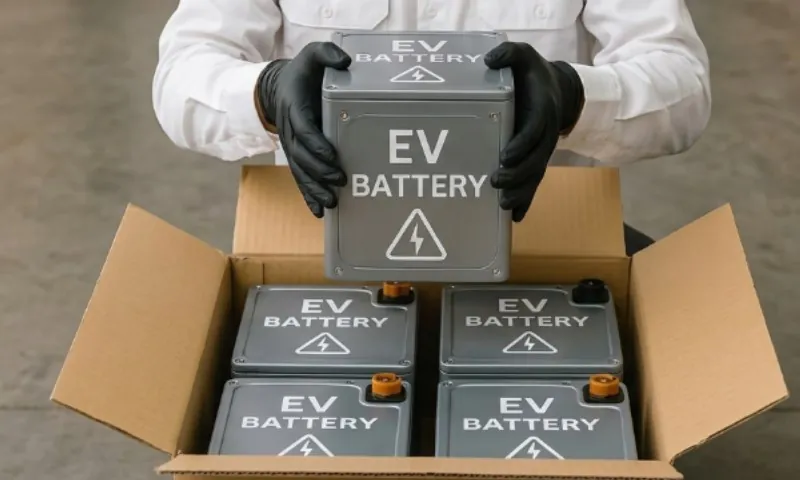
EV battery packs, modules, and high-voltage parts that contain lithium cells cannot be sent like ordinary car parts. In 2026, they usually fall under dangerous goods rules because lithium-ion batteries can short-circuit, overheat, catch fire, and enter thermal runaway during transport.
Rule set depends on route and mode: in the United States, PHMSA lithium battery guidance says lithium batteries must follow DOT Hazardous Materials Regulations across air, highway, rail and water, while air cargo normally follows ICAO and IATA requirements.
For air freight, IATA’s 2026 guidance adds major state-of-charge limits: lithium-ion batteries packed with equipment and battery-powered vehicles over 100 Wh generally need no more than 30% state of charge or 25% indicated battery capacity unless approvals apply.
The result is practical: EV battery shipments need classification, tested packaging, labels, documents, trained staff and often a specialist carrier.
Why EV Batteries Are Treated As Dangerous Goods
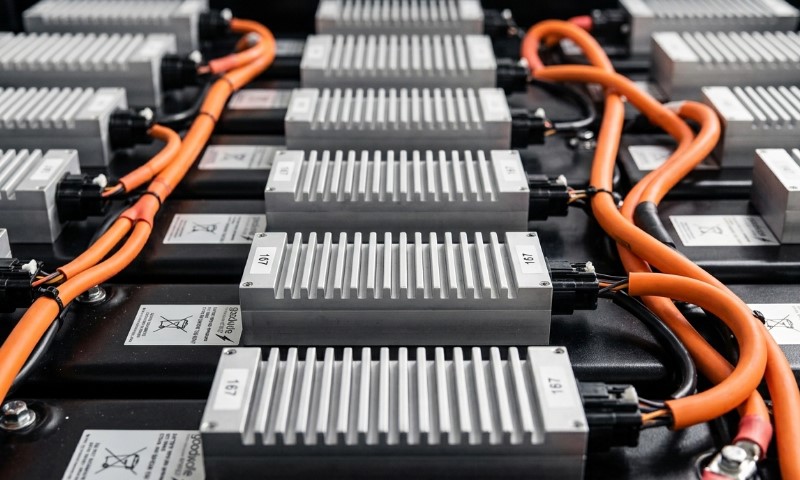
EV batteries are regulated because they combine high energy density, flammable electrolyte, and electrical terminals inside a heavy structure that can be damaged by crushing, vibration, heat, or poor packing. PHMSA says lithium batteries can present chemical and electrical hazards and can overheat or ignite after a short circuit, physical damage, improper design, or assembly.
A normal bumper cover may mainly need protection from scratches. A battery pack needs protection from movement, terminal contact, moisture, heat, and incorrect charge level. A small handling error can turn a logistics problem into a warehouse, truck, or aircraft safety event.
That is why many shippers look beyond ordinary auto-parts freight and check whether a carrier such as divinetrans.com has experience with controlled, security-conscious transport.
Thermal runaway is the core risk. Once one cell overheats, heat can move to nearby cells and release stored energy rapidly. Reduced state of charge lowers available energy and lowers thermal runaway risk, which is why air rules focus so heavily on charge level in 2026.
Main EV Battery Shipping Classifications
The first job is classification. A carrier cannot safely price, route, or label a shipment until the shipper knows whether the item is a standalone lithium-ion battery, a battery packed with equipment, a battery inside equipment, or a complete battery-powered vehicle.
| EV item | Common UN entry | Typical handling issue |
| Standalone lithium-ion battery pack or module | UN 3480 | Highest scrutiny, especially by air |
| Battery packed with an EV component | UN 3481 | Battery and equipment in the same package, not installed |
| Battery contained in equipment | UN 3481 | Equipment casing may give some protection |
| Complete battery-powered vehicle | UN 3171 or UN 3556 | Vehicle classification, SoC, and carrier approval matter |
| Damaged, defective or recalled battery | Lithium entry with DDR handling | Segregation, special packaging, and route limits |
IATA’s 2026 battery guidance lists UN 3481 for lithium-ion batteries contained in or packed with equipment, plus vehicle entries including UN 3171 for battery-powered vehicles and UN 3556 for lithium-ion battery-powered vehicles.
In the United States, eCFR 49 CFR 173.185 requires lithium cells and batteries to meet the UN Manual of Tests and Criteria, Part III, subsection 38.3, and requires a test summary for most cells or batteries manufactured on or after January 1, 2008.
What Changed For Air Freight In 2026?
The biggest 2026 air freight change is stricter control of battery charge for several EV-related shipments. From January 1, 2026, IATA lithium battery updates say lithium-ion batteries packed with equipment must be offered for transport at no more than 30% state of charge in PI 966 Section I, while Section II batteries above 2.7 Wh also face the 30% limit.
Complete battery-powered vehicles are also affected. Under IATA PI 952, vehicles with batteries over 100 Wh must be offered with batteries at no more than 30% state of charge or with indicated battery capacity no higher than 25%, unless approvals from relevant States allow otherwise.
Standalone lithium-ion batteries remain heavily restricted by air. In the IATA battery guidance document, all UN 3480 lithium-ion cells and batteries shipped by themselves are forbidden as cargo on passenger aircraft, with cargo aircraft only controls for eligible shipments.
Why Damaged EV Batteries Need Extra Care
Damaged EV batteries are not just used parts. A pack from a crash vehicle, flood vehicle or fire recovery yard may have hidden cell deformation, water intrusion, compromised insulation or an unstable battery management system. A battery can look intact from the outside yet fail under vibration or temperature change.
US rules draw a sharp line around damaged, defective, or recalled cells and batteries. Lithium cells or batteries damaged or identified by a manufacturer as defective for safety reasons, with the potential to produce dangerous heat, fire, or short circuit, may move by highway, rail, or vessel only and need specific packaging.
Required measures include individual non-metallic inner packaging and cushioning that is non-combustible, electrically non-conductive, and absorbent.
For EV salvage yards, repairers and recyclers, a pack pulled from a collision cannot be tossed onto a pallet, wrapped in film and booked as auto parts.
A qualified person should assess damage, isolate terminals, control movement, select compliant packaging and use a route that accepts the hazard status.
Special Handling In Practice
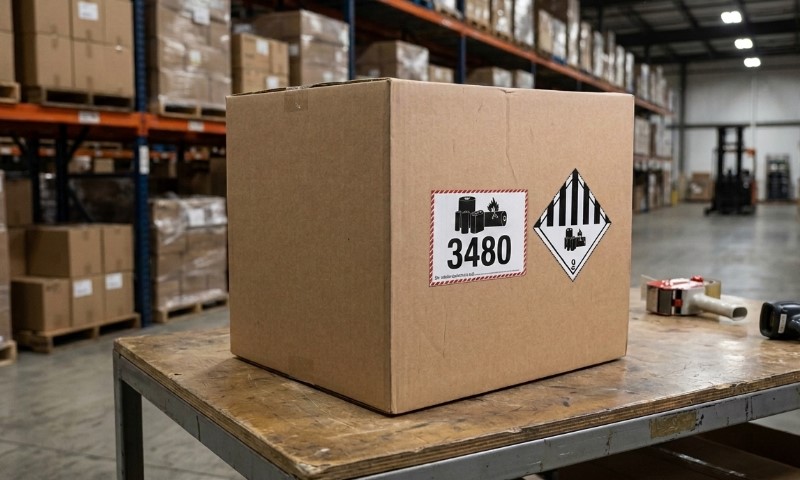
Special handling goes beyond a label. It is a workflow that starts before the shipment is booked.
- Identify chemistry, Wh rating, model number and UN 38.3 test status.
- Decide whether the battery is standalone, packed with equipment, contained in equipment or installed in a vehicle.
- Measure or document state of charge where air transport may apply.
- Protect terminals from short circuit with covers, caps or insulated barriers.
- Prevent movement inside the package, crate or pallet.
- Use required lithium battery marks, Class 9 labels, cargo aircraft only labels, and shipping papers where required.
- Segregate damaged, defective or recalled batteries from normal serviceable units.
Lithium cells and batteries must be packaged to prevent short circuits, shifting damage and accidental activation. When packed with equipment, batteries need inner packaging that fully encloses the cell or battery, with qualifying outer packaging.
For large packs weighing 12 kg or more with strong impact-resistant casing, US rules allow strong outer packaging, protective enclosures, pallets or handling devices in certain situations, with securing against shifting.
EV Parts Compared: What Needs Battery Shipping Controls?
Not every electric car part is a lithium battery shipment. A motor, gearbox, charge port trim panel or inverter with no battery cell inside may travel like an ordinary automotive component, subject to normal packaging and any separate hazards. The risk changes once a part contains lithium cells or is shipped with a battery.
| Part or shipment | Battery rules likely? | Reason |
| Complete traction battery pack | Yes | Large lithium-ion energy source |
| Battery module removed from pack | Yes | Standalone lithium-ion battery component |
| EV with battery installed | Yes | Vehicle battery rules and SoC controls may apply |
| Inverter alone | Usually no | No lithium cells, but protect electronics |
| High voltage cable set | Usually no | Electrical part, not an energy storage unit |
| Portable charger with integrated battery | Possibly | Depends on cells and Wh rating |
| Crash-damaged battery pack | Yes, high scrutiny | DDR rules and route limits may apply |
A useful test: ask whether the item can store and release electrical energy without being connected to the vehicle. If yes, battery transport rules probably matter. If no, normal automotive freight rules may apply, although carriers may still request a written description.
Why Carriers Ask So Many Questions

Carrier questions are risk controls, not paperwork theatre. A freight forwarder may ask for SDS information, UN 38.3 test summary, gross and net battery weight, Wh rating, photos, state of charge, pack condition and whether the item is new, used, prototype, damaged, defective, recalled, for repair or for recycling.
Airlines are especially cautious because in-flight fire gives crews fewer options. PHMSA and FAA have long warned that lithium battery fires in aircraft create hazards not faced in other modes, and PHMSA advisory guidance describes lithium battery fires as difficult to extinguish once ignited.
Practical Example
A serviceable replacement battery module from a dealer may be shipped as a regulated lithium ion battery with proper UN number, state of charge record if air freight is involved, terminals protected, inner packaging, rigid outer packaging, marks and paperwork.
A module from a crashed EV is different. Even if voltage looks normal, hidden impact damage can move it into a damaged or defective handling.
Under US rules, that can shift the shipment away from aircraft and into highway, rail or vessel only routing with individual inner packaging and absorbent, non-conductive, non-combustible cushioning.
No universal public price list exists because risk assessment, battery weight, route, mode and packaging design change every quote. A suspect or damaged pack may need engineered packaging, temperature monitoring, segregation, ground transport and recycler coordination.
Summary
EV battery shipping rules exist because electric car batteries are compact stores of chemical and electrical energy, not ordinary spare parts.
In 2026, air cargo rules are stricter on state of charge, standalone batteries remain barred from passenger aircraft cargo, and damaged batteries need far more caution than used doors, wheels or trim.
The safest approach is to classify first, pack second and book last. Confirm the UN number, Wh rating, test summary, state of charge, condition and destination before a carrier sees the pallet.
For EV repair shops, online parts sellers, salvage yards and recyclers, that order prevents rejected shipments and lowers the chance of a battery incident in transit.