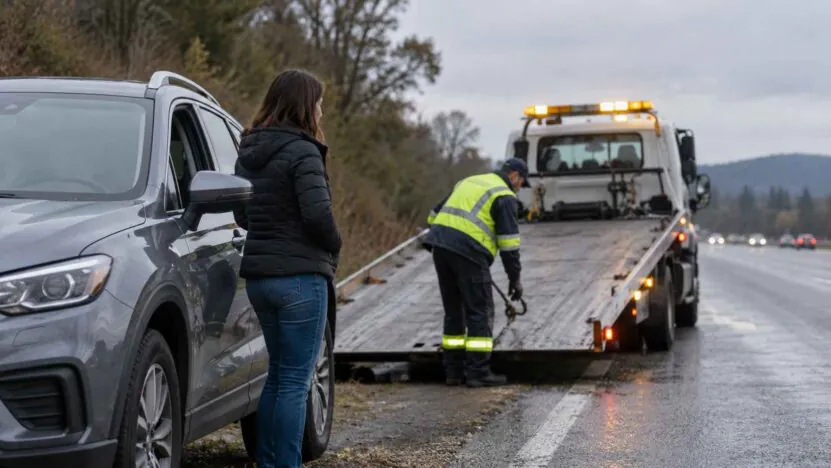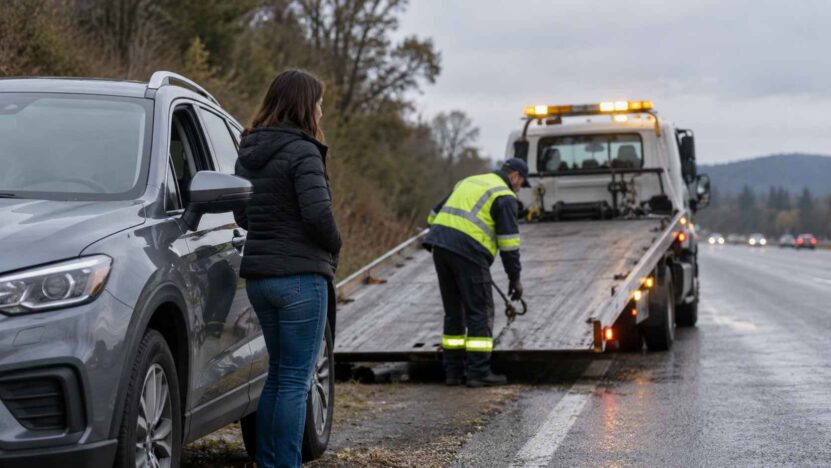


People end up trying to register a car in a different state than their driver’s license for all kinds of ordinary reasons.
A new job, college, military orders, splitting time between homes, or a long temporary stay can put you in a spot where the paperwork no longer lines up neatly.
DMV websites rarely explain those situations clearly, which is why so many drivers feel unsure about what actually applies to them.
What really matters is not where the license was issued, but where the car actually lives. States care about residency, where the vehicle is parked and driven most of the time, and which state has the right to collect taxes and fees.
Once you look at the issue through that lens, the rules stop feeling random. Ignore it, and costs, penalties, or insurance problems tend to show up quickly.
The guide below walks through how this works in real life. It focuses on practical state rules, common exceptions, and the situations where mismatched registration is fine versus when it creates real trouble, all without scare language or DMV jargon.
Start With The Three Questions That Decide Everything
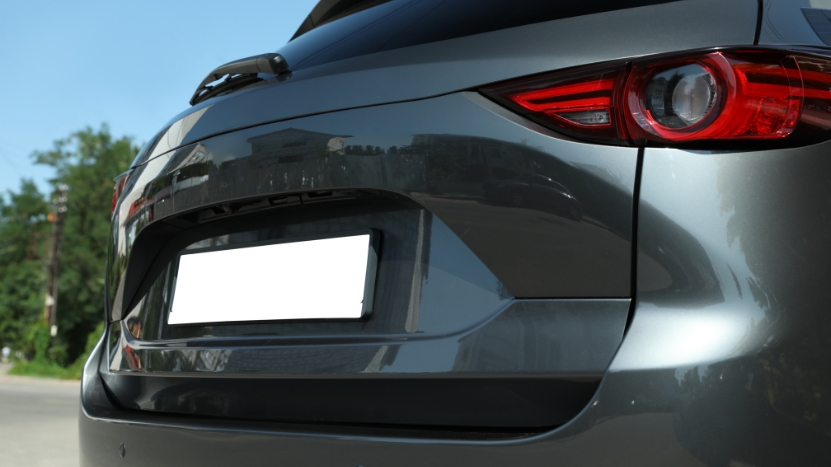
Before filling out forms or booking inspections, pause and answer three questions honestly. Every state decision flows from them.
1. Where Is The Car Primarily Garaged And Driven?
Insurance companies and DMVs focus on where the vehicle is kept overnight and used most of the time. Mailing addresses matter far less than reality on the ground.
Insurance regulators and guidance from the National Association of Insurance Commissioners explain that premiums are calculated by territory, often down to the ZIP code level.
A car garaged in Denver is rated differently than one kept in rural Kansas, even if the owner’s license still lists Kansas.
If your insurance policy lists the wrong garaging location, you are already in risky territory.
2. Are You A Resident Of The New State Or Only Temporarily There?
Many drivers assume residency only begins after updating a license. That assumption causes late fees.
Several states define residency using life events instead of paperwork. Taking a job, signing a lease, enrolling children in school, or otherwise settling in can trigger registration duties even if your license has not changed yet.
Florida is a good example. Its rules explicitly tie new resident vehicle obligations to employment and residency triggers, not to license updates.
3. Do You Fall Under A Recognized Exception?

Some mismatched license and registration situations are expected and lawful.
Common exception categories include:
- Active-duty military
- Students living out of state
- Temporary residents in Washington, D.C.
- Non-domicile or nonresident registration programs in limited states
If none apply, most states expect registration and a license to eventually align.
A Quick Decision Map You Can Use Immediately
Use the table below as a fast reality check before committing to any plan.
Your Situation
Usually OK To Register In A Different State Than Your License?
What To Do Next
You permanently moved, and the car lives in the new state
Rarely, only briefly
Register within the new state’s deadline, then update your license
You are temporarily in another state for school
Sometimes
Check student rules, keep insurance garaging accurate
You are an active-duty military stationed away from home
Often
Keep home-state registration current, confirm local requirements
You split time between two states
Sometimes, but risky
Register where the car is primarily garaged
You want low fees in another state
Usually not
High risk of penalties and insurance problems
If your plan falls into the last row, stop and rethink it.
What “Registering Out Of State” Really Means In Practice
Most people face one of two workflows, even if they describe the situation differently.
Workflow A: You Moved And Are Transferring Registration
View this post on Instagram
This is the classic new resident process. You title and register the vehicle in your new state, meet inspection rules, pay applicable taxes and fees, and update your license on the state’s timeline.
Examples help frame expectations:
- California requires vehicle registration within 20 days of becoming a resident or bringing the vehicle into the state, and enforces strict emissions rules.
- New York requires new residents to register within 30 days.
- Colorado gives 90 days after becoming a resident, with county-level processes and late fees.
Workflow B: You Are Keeping Home-State Registration While Living Elsewhere
This only works when specific exceptions apply. Military status, student status, or formal reciprocity programs can support it.
The approach breaks down quickly if either of the following becomes true:
- You have effectively become a resident of the other state.
- The car is garaged elsewhere, but insurance still reflects the old location.
Insurance consumer guidance repeatedly emphasizes garaging location as a core underwriting factor. Mismatch it, and premium re-ratings or disputes follow.
The Standard Checklist Most States Require

DMVs vary in form, not fundamentals. Most out-of-state registration cases require the same building blocks.
Proof Of Ownership
Expect to provide one of the following:
- Out-of-state title
- Transferable registration
- Equivalent ownership document
Oregon’s guidance, for example, highlights VIN inspections for out-of-state titled vehicles and stresses proper ownership documentation. New York follows a similar structure for vehicles brought in from other states.
Proof Of Identity And Residency
States that accept new registrations expect proof that you live there. The documents vary, but the concept stays consistent.
Proof Of In-State Insurance
Registration almost always requires insurance that meets local standards.
- Colorado requires proof of Colorado insurance.
- Texas requires proof of current vehicle insurance when applying for registration.
- Florida ties titling and registration to Florida insurance.
Inspections And Verifications
Many drivers underestimate this step.
Common requirements include:
- VIN verification for out-of-state titles
- Safety inspections
- Emissions testing based on the county or metro area
Nevada requires VIN inspections for vehicles never registered there. Colorado requires VIN verification using form DR 2698.
The Nevada DMV acknowledges enforcement is lacking despite thousands of resident reports about unregistered vehicles amd license plate violations. pic.twitter.com/cqF1DSKACB
— KTNV | Channel 13 News Las Vegas (@KTNV) December 26, 2025
Connecticut requires VIN verification even for vehicles exempt from emissions testing. California refuses registration outright if emissions standards are not met.
Taxes And Fees
Expect some mix of:
- Title fees
- Registration fees
- County or local fees
- Use tax or sales tax
Late registration often triggers monthly penalties. Boulder County in Colorado clearly outlines late fees accumulating if deadlines are missed.
Deadline Reality Check Using Real State Examples
Deadlines usually fall between 20 and 90 days after residency is established.
State Or Jurisdiction
New Resident Registration Timing
Notes
California
20 days
Strict emissions enforcement
New York
30 days
Out-of-state registration is valid only for non-residents
Florida
Commonly framed as 30 days
Residency triggers are explicit
Colorado
90 days
County-level processes apply
Washington, D.C.
Over 30 days requires registration or a permit
Formal reciprocity system
Treat these numbers as outer limits, not suggestions.
Step-By-Step: Registering Where the Car Actually Lives
When you have moved, or the car is primarily garaged in the new state, this approach avoids nearly every legal and insurance problem.
Step 1: Confirm Residency Status
Do not rely on your old license as proof of non-residency. Employment, leases, and school enrollment can trigger obligations.
Step 2: Align Insurance First
Insurance must reflect the real garaging location, even if registration paperwork is still in progress. Premiums depend on the territory.
Step 3: Complete Inspections Early
VIN inspections and emissions testing cause most delays. Schedule them early.
Step 4: Gather Ownership And Lien Documents
Lienholders often slow transfers because titles are held electronically or out of state. Oregon’s guidance highlights lien releases as a frequent requirement.
Step 5: Apply For Title In The New State
Many states combine titling and registration into one process for new residents.
Step 6: Register And Obtain Plates
This may occur at a DMV office or county office, depending on the state.
Step 7: Update Your Driver’s License
License updates usually follow registration but still have deadlines.
Step 8: Close Out The Old State Properly
Actions may include:
- Returning old plates
- Canceling old registration
- Updating insurance after new coverage is active
Never cancel insurance early.
Special Situations Where Different-State Registration Is Normal

Certain life situations, such as military service, school enrollment, or temporary assignments, create legitimate exceptions where a vehicle’s registration and driver’s license do not need to match.
Active-Duty Military
Military members often retain home-state registration while stationed elsewhere.
Examples include:
- Massachusetts allows indefinite retention of home-state registration for service members.
- Florida recognizes federal protections allowing non-resident service members to keep home-state plates.
- Texas permits temporarily stationed service members to keep home-state registration.
Federal context comes from the Servicemembers Civil Relief Act, summarized in Congressional Research Service materials.
Insurance still must reflect the actual garaging location.
Students Living Out Of State
Rules vary sharply.
Utah’s DMV allows resident students attending school out of state to keep Utah registration at a permanent Utah address. Emissions requirements may still apply depending on the county.
Students attempting to register in the school state often must show local address, enrollment proof, and in-state insurance.
Washington, D.C. Temporary Residents
D.C. has a formal system for out-of-state vehicles.
Temporary residents staying more than 30 calendar days must either register the vehicle or obtain a reciprocity permit under the District’s Registration of Out-of-State Automobiles program.
Non-Domicile Or Nonresident Registration Programs
A few states offer formal nonresident pathways.
Delaware’s Non-Domicile Vehicle Registration program allows non-residents to register vehicles kept in Delaware, with Delaware insurance and inspection requirements.
These programs are narrow and tightly enforced.
Common Failure Points That Create Big Problems
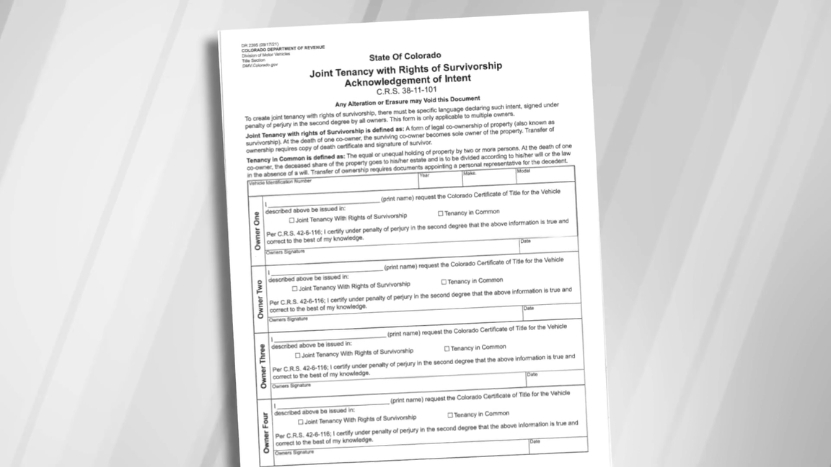
Small missteps in registration and insurance details often cause the biggest headaches, turning what should be routine paperwork into fines, delays, or coverage disputes.
Misaligned Insurance Garaging Information
The National Association of Insurance Commissioners emphasizes that where a vehicle is kept affects premiums. Incorrect garaging can lead to premium re-ratings or disputes.
Missing VIN Inspections
Nevada and Connecticut both require VIN verification for out-of-state transfers. Many applicants discover this only after standing in line.
Emissions Surprises
California enforces emissions compliance strictly and refuses registration for non-qualifying vehicles. Other states apply emissions rules by county, which trips up drivers who only check statewide summaries.
Waiting Because The License Has Not Changed
Some registration clocks start when residency begins, not when the license changes. California’s guidance makes that clear.
Three Realistic Scenarios and The Clean Way to Handle Them
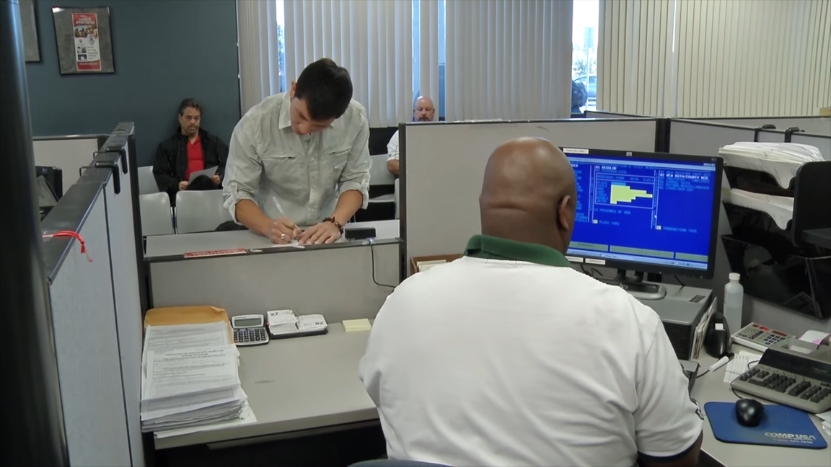
The situations below reflect how people actually move, work, and live across state lines, with each scenario showing the most straightforward way to stay compliant without unnecessary cost or stress.
Scenario 1: New Job, Old License
You are likely a resident already.
- Update insurance garaging location
- Complete inspections
- Register within state deadlines, such as 20 days in California or 30 days in New York
- Update your license
Scenario 2: Active-Duty Military Stationed Elsewhere
- Keep home-state registration current
- Verify state-specific military rules
- Update insurance for the garaging location
Scenario 3: Utah Resident Student Out Of State
- Keep Utah registration at the permanent address
- Monitor emissions requirements by county
- Align insurance with where the car actually lives most of the year
A Practical Document Checklist You Can Print
Most out-of-state registrations require:
- Proof of ownership
- Out-of-state title or transferable registration
- Identity and residency documents
- Proof of in-state insurance
- VIN verification
- Emissions or safety inspection proof
- Lienholder information or lien release
- Payment for taxes and fees
Appointments fill quickly. Inspections and lien paperwork consume the most time.
Closing Thoughts
@alex_svt03 Replying to @appleuser7686356 I would register the vehicle out of state!#fyp #foryoupage #carsoftiktok #ford ♬ original sound – AlexSVT
Registering a car in a different state than your license is not a loophole or a trick. It is a question of where life happens, where the car sleeps at night, and which state has the right to tax and regulate it.
When registration, insurance, and residency line up, the process is manageable. When they drift apart, penalties and coverage problems follow.
Treat the issue as a residency and garaging decision first. The paperwork becomes far easier after that.