
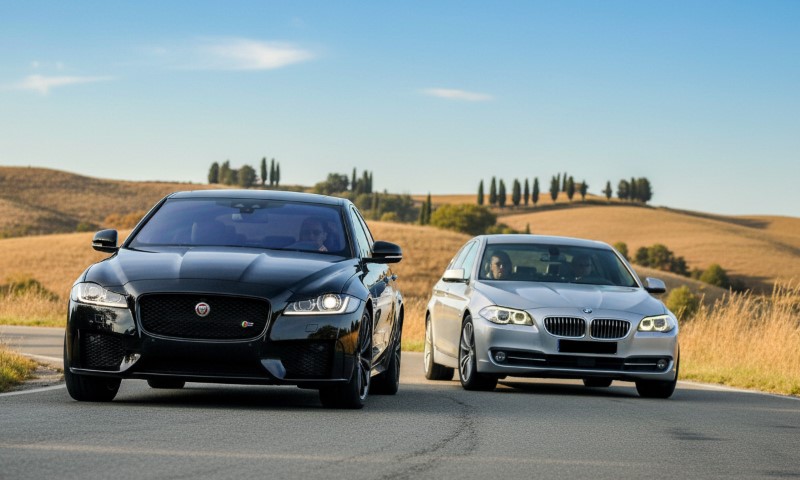
Comparing BMW and Jaguar in the classic car segment requires more than badge prestige or brand reputation.
Enthusiasts often weigh driving character, collectibility, and long-term financial outlook before making a purchase.
Ownership realities such as daily usability, reliability, and emotional satisfaction shape decisions just as much as styling or historical importance.
German engineering precision contrasts with British elegance and craftsmanship. Some buyers prioritize performance feedback and mechanical confidence.
Others prioritize cabin ambiance and graceful road manners.
Careful insight into these factors helps determine which marque fits specific goals in classic ownership.
Brand Histories & Philosophies
Historical context shapes how collectors and enthusiasts evaluate BMW and Jaguar.
Corporate direction, engineering priorities, and cultural identity all influence how classic models feel and how they perform in today’s market.
German industrial precision contrasts sharply with British craftsmanship rooted in tradition and style.
BMW
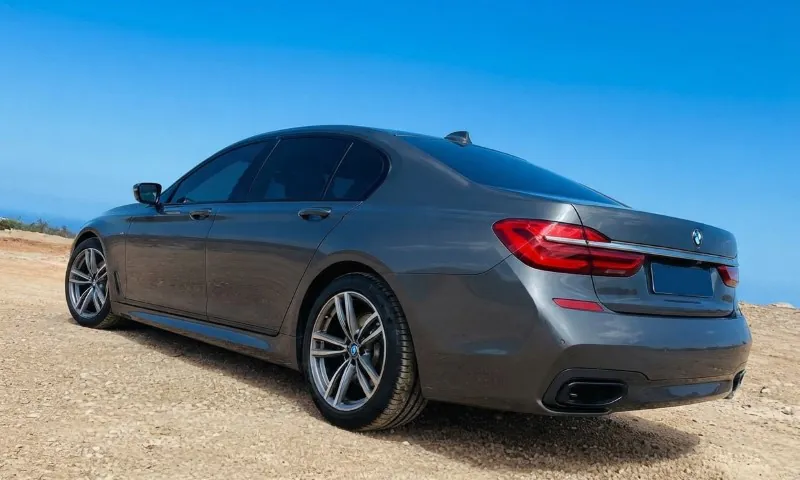
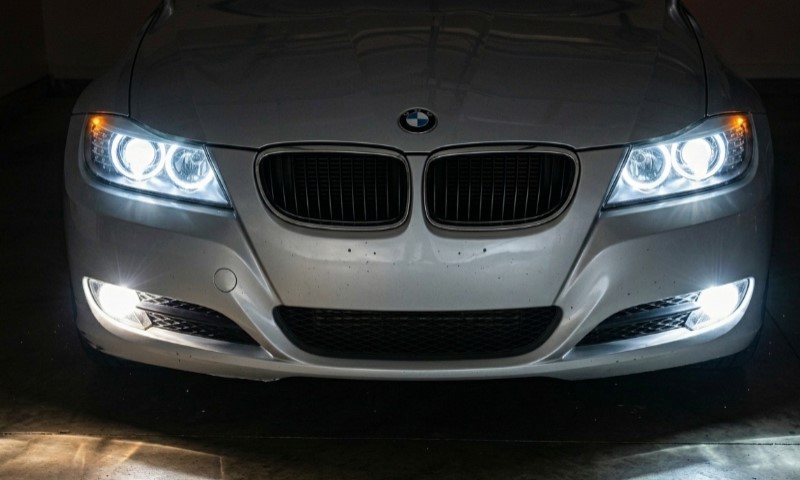
Bayerische Motoren Werke built its name on precision engineering and driver engagement. Slogan “Ultimate Driving Machine” communicates a focus on sporty handling and technical innovation.
Throughout the twentieth century, BMW gained recognition for sedans, coupes, and performance-focused vehicles that balanced practicality with dynamic ability.
Postwar recovery played a major role in BMW’s identity. Compact sports sedans such as the 2002 set a template for combining everyday usability with responsive performance.
Inline six engines became a defining mechanical signature, praised for smooth power delivery and durability.
Motorsport participation reinforced engineering credibility and strengthened the brand’s performance image.
Core principles that shaped classic BMW development include:
- Near 50/50 weight distribution to improve balance and cornering stability
- Rear wheel drive layouts that enhance steering precision and throttle control
- Driver centered cockpit design that places primary gauges directly within sight
Engineering discipline shaped many classic BMW models. Balanced chassis tuning and responsive steering systems created cars that rewarded active driving.
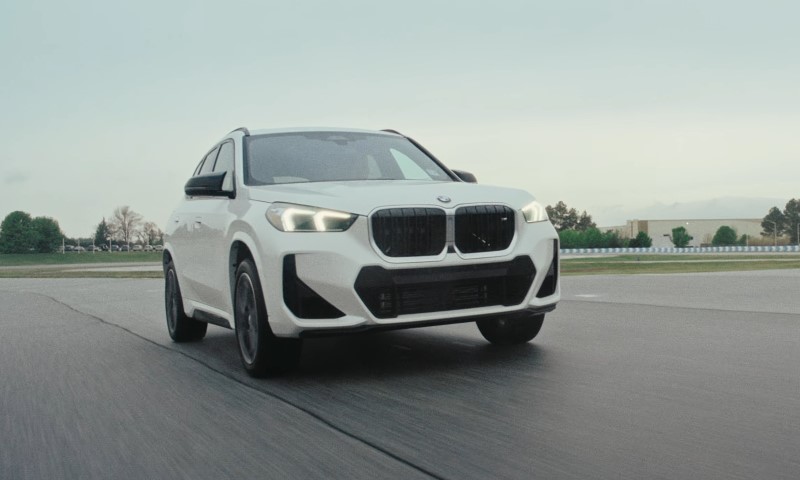
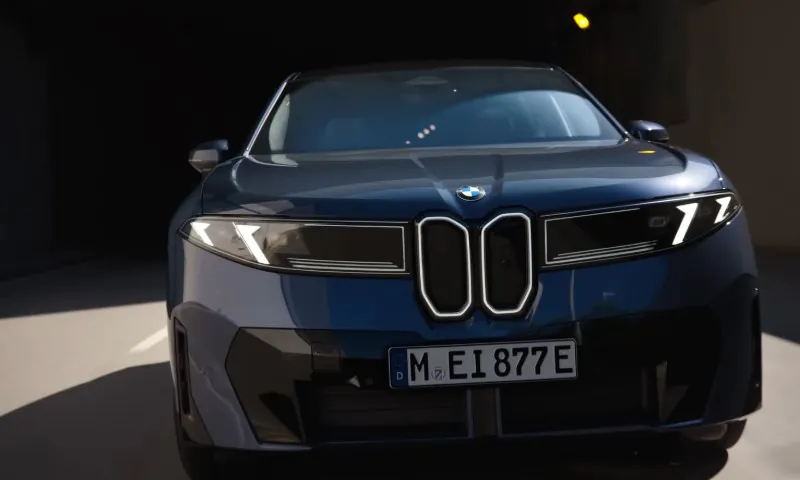
Later expansion into electric vehicles such as the i4 and iX demonstrates technological ambition, yet gasoline powered classics remain central to collector interest.
Motorsport achievements and performance variants, particularly early M models, continue to influence resale demand and long term value perception.
Jaguar
Jaguar built its reputation on elegance, craftsmanship, and refined ride quality.
British design language focused on flowing lines and carefully proportioned silhouettes.
Early sports cars and luxury sedans combined performance with visual sophistication, creating icons such as the XK120 and the XJ series.
Company growth during the mid twentieth century positioned Jaguar as a symbol of attainable luxury.
Racing success in endurance events elevated brand prestige and reinforced performance credibility.
At the same time, road cars retained a focus on comfort and graceful movement rather than aggressive handling.
Defining characteristics of classic Jaguar philosophy include:
- Long hood proportions paired with low rooflines for dramatic exterior presence
- Extensive use of wood veneers and leather upholstery in cabin design
- Suspension tuning that favors smooth ride quality over sharp cornering response
Ownership by Tata Motors introduced modern features, including advanced infotainment systems such as Pivi Pro.
Classic Jaguars remain closely tied to heritage styling and bespoke character.
Hand-finished interiors and carefully crafted trim materials create an environment centered on comfort and visual refinement.
Historical participation in motorsport and luxury segments strengthened the brand’s prestige in collector circles.
Long Term Value & Investment Prospects
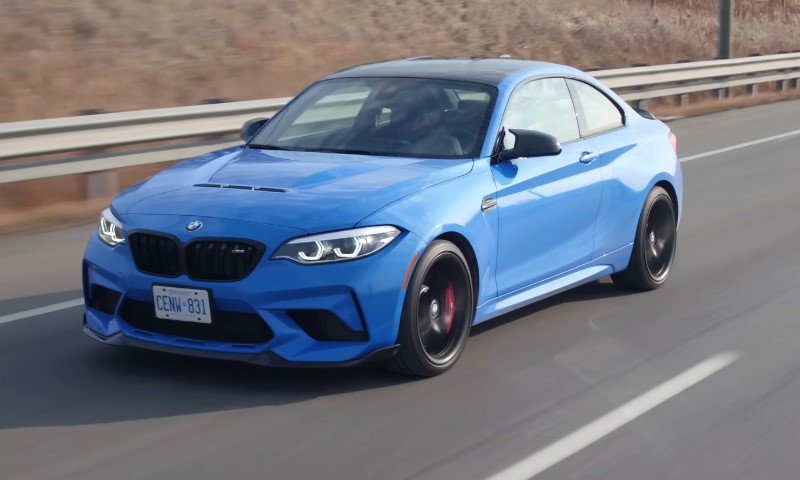
Financial considerations play a significant role in classic car acquisition.
Depreciation patterns, reliability perception, and maintenance requirements can influence total cost of ownership over decades.
BMW and Jaguar show different tendencies in these areas.
Depreciation & Wholesale Trends
BMW generally shows lower depreciation rates compared to Jaguar in similar vehicle classes.
Strong resale history and consistent brand perception support long term value retention.
Wholesale pricing often demonstrates greater stability for sought after BMW classics, particularly performance variants.
Jaguar depreciation can benefit buyers who seek lower acquisition costs. Appreciation potential becomes more pronounced in rare sports cars or historically significant models.
Market volatility may be higher, especially for less documented examples.
Reliability & Ownership Costs
View this post on Instagram
BMW carries a reputation for engineering durability that can reduce long term maintenance risk.
Mechanical components often benefit from widespread availability and established service knowledge.
Predictable maintenance schedules increase confidence for collectors planning extended ownership periods.
Jaguar ownership may involve higher maintenance expenses due to specialized components and smaller service networks in some regions.
If you’re maintaining a Jaguar XF, finding the right components is easier with Jaguar XF parts from specialist suppliers like SNG Barratt, which stocks OEM-quality parts for classic and modern XF models to help preserve performance and value.
Electrical systems in older models can require proactive inspection and repair.
Parts sourcing sometimes demands specialized suppliers and experienced technicians.
Value Drivers in the Classic Market
Heritage, rarity, and documented ownership history significantly influence valuation for both brands. Early Jaguar sports cars with confirmed racing connections can achieve strong auction performance.
BMW performance legends tied to motorsport history often attract sustained collector demand.
Production volume and originality consistently shape pricing outcomes.
Vehicles retaining factory specifications and complete documentation frequently command premiums.
Careful preservation and professional restoration work remain critical factors in long term value growth.
Driving Experience in Classic Cars
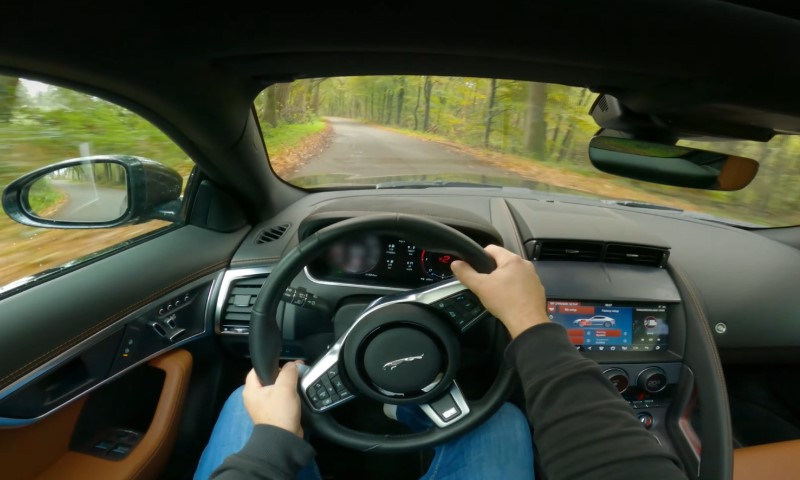
Driving character often determines long term satisfaction in classic ownership.
Steering feedback, chassis balance, engine response, and cabin atmosphere all shape the emotional and mechanical experience behind the wheel.
BMW and Jaguar approach these elements in distinctly different ways.
BMW Classic Driving Traits
Classic BMW models are associated with crisp steering feedback and balanced chassis tuning.
Many feature near-ideal weight distribution, which enhances stability in corners and predictable handling at higher speeds.
Sport-oriented suspension setups provide responsive behavior that appeals to enthusiasts seeking involvement during every mile.
Mechanical clarity defines much of the BMW experience. Pedal placement, gear shifter feel, and steering weight typically align to create cohesive feedback.
Inline six engines deliver linear acceleration and a refined mechanical sound that strengthens driver connection.
Key elements that contribute to BMW’s dynamic character include:
- Quick steering ratios that translate small inputs into precise directional changes
- Firm suspension calibration that limits body roll in aggressive cornering
- Strong braking systems designed for repeated spirited use
Instrumentation in older BMW vehicles often places driver information clearly within sight, reinforcing focus and control.
Performance coupes and early M models remain benchmarks for analog satisfaction, valued for purity and mechanical transparency.
Jaguar Classic Driving Traits
Classic Jaguars tend to favor ride comfort and cabin refinement over aggressive handling.
Suspension tuning commonly leans toward softness, allowing the car to glide over uneven pavement with composure.
Long wheelbases in many models contribute to stability during highway travel.
Power delivery in classic Jaguar engines often feels smooth and progressive rather than abrupt.
Steering effort may be lighter, reinforcing relaxed driving rather than performance intensity. Interior insulation and seating design support extended cruising with minimal fatigue.
Interior craftsmanship takes priority in many Jaguar classics.
Wood veneers, leather upholstery, and carefully contoured seats create a calm and dignified environment.
Highway cruising in a vintage Jaguar often feels composed and effortless, with road imperfections filtered through supple suspension geometry.
Collectibility & Enthusiast Interest
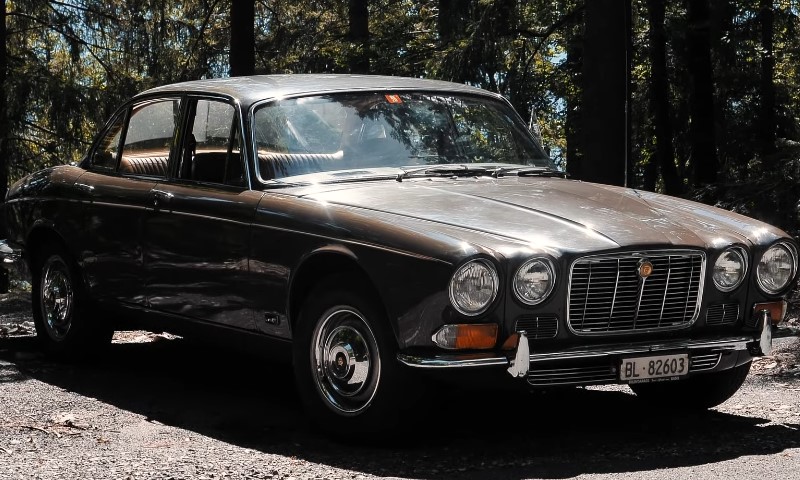
Collector demand depends on historical relevance, production numbers, brand perception, and active enthusiast communities.
BMW and Jaguar both offer models that attract sustained interest, though motivations can differ across buyer groups.
Jaguar Collectibility
Jaguars generate strong interest due to distinctive British styling and historical importance. Early sports cars such as the XK120 gained global recognition for speed and elegant proportions during the postwar era.
Limited production examples and well-preserved originals often command substantial auction prices.
Models that consistently attract collector focus include:
- XK120, XK140, and XK150 sports cars linked to early racing success
- E Type variants recognized for performance and iconic design
- Select XJ series sedans with documented originality and rare specifications
Enthusiast communities value proper restoration work and complete ownership records. Rare trims and competition variants can experience significant appreciation when supported by documented provenance and strong condition reports.
BMW Collectibility
BMW classics, including roadsters and early performance coupes, benefit from engineering credibility and racing pedigree.
Motorsport-linked vehicles, particularly early M cars, draw strong interest in global markets. Limited production numbers and factory performance upgrades often strengthen desirability.
Market support for BMW collectors is reinforced by:
- Active owner clubs that share technical expertise and restoration guidance
- Broad parts availability due to consistent production strategies
- Strong international demand across Europe, North America, and Asia
Well maintained examples frequently hold solid positions in resale markets. Performance oriented heritage contributes to steady collector enthusiasm and relatively predictable pricing patterns.
Wrapping Up
Basically, it goes like this:
- BMW holds an advantage in sport oriented dynamics and steering precision. Jaguar offers refinement, composure, and strong visual presence.
- BMW benefits from active communities and performance heritage. Jaguar commands prestige, particularly in rare and historically significant models.
- BMW generally retains value more consistently and carries a stronger reliability perception. Jaguar can produce significant appreciation in select collector segments, though results vary.
Final assessment depends on personal priorities.
Enthusiasts seeking balanced performance, usability, and steady resale strength often gravitate toward BMW.
Collectors prioritizing elegance, craftsmanship, and emotional character may find greater satisfaction in a classic Jaguar.