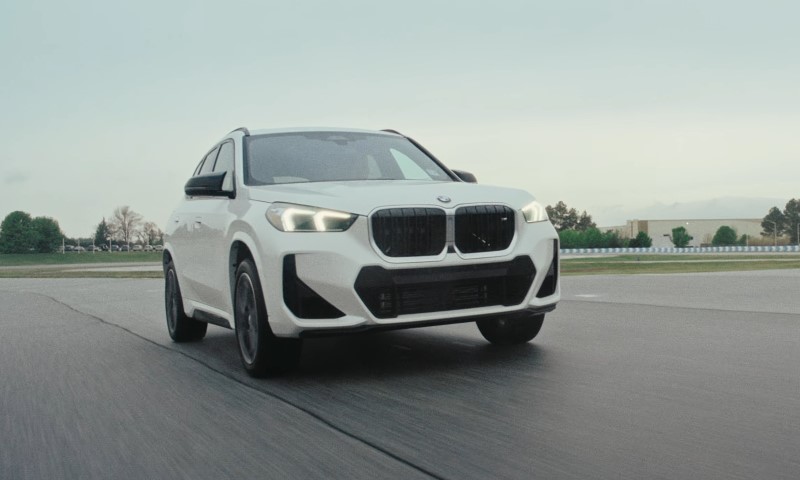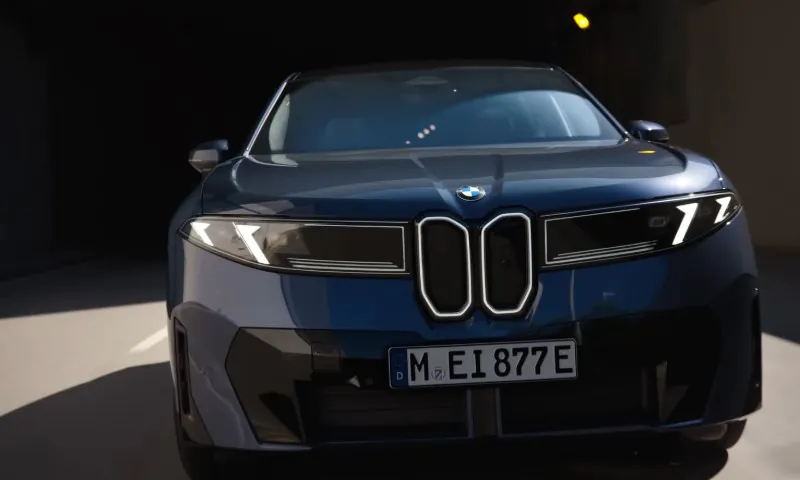

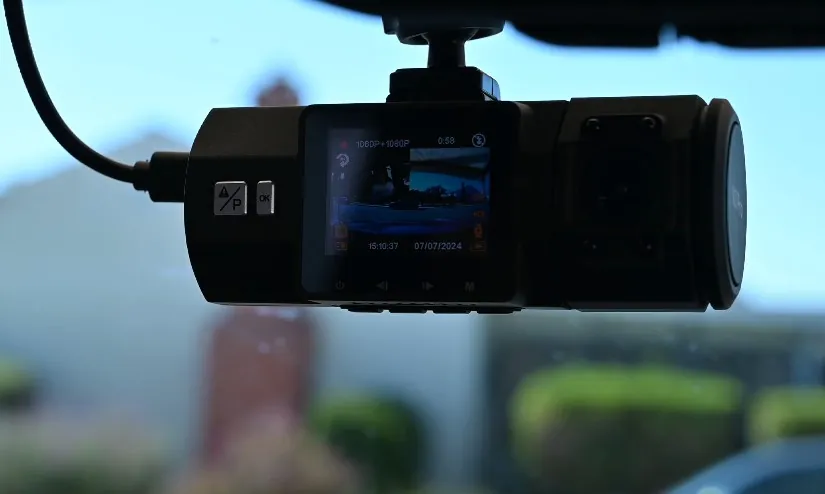
As of mid-2025, factory-installed front cameras are no longer exclusive to luxury vehicles. Many mainstream automakers now include front-facing cameras as part of their advanced driver assistance systems (ADAS) or surround-view parking packages. These cameras improve visibility, assist with parking, and play a growing role in accident prevention. Here is a concrete list of 2025 models with standard or optional front cameras from the factory:
2025 Car Models With Factory Front Cameras by Brand
Front Cameras and the Role in Safer Driving
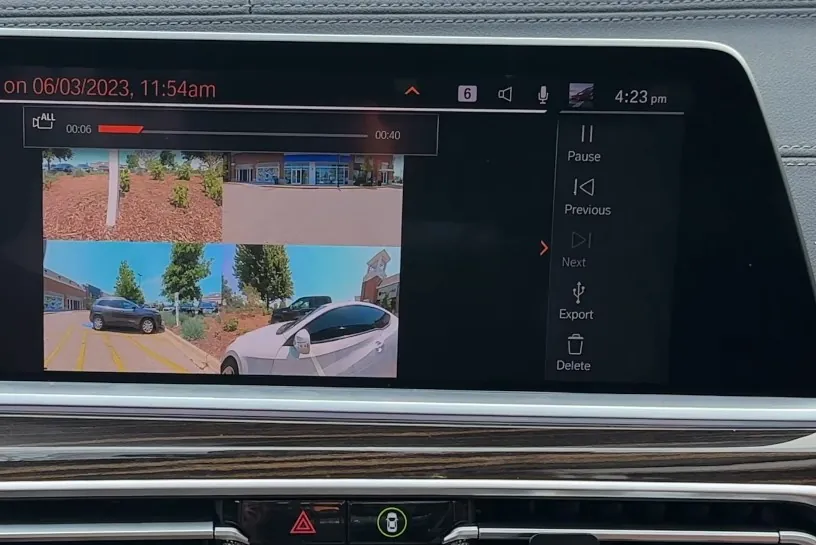
Front-facing cameras are particularly helpful in dense urban environments and tight parking spots, allowing drivers to spot curbs, pedestrians, or other vehicles before pulling forward. The systems are also becoming more crucial for automated lane-centering and object recognition. Importantly, front cameras are often paired with radar and ultrasonic sensors in a vehicle’s ADAS suite. In many 2025 models, the combination enables features such as:
- Automatic emergency braking (AEB)
- Traffic sign recognition
- Lane-keep assistance
- Front cross-traffic alert
Because these systems can significantly reduce the risk of forward collisions, they have a potential legal impact as well. In the case of an accident, onboard footage or sensor data from front cameras may be reviewed to determine fault. In fact, for drivers involved in disputes or injury cases, consulting a Boca Raton car accident lawyer with access to vehicle footage and ADAS data can make a major difference in resolving claims or defending one’s position.
Are Front Cameras Standard or Optional?
Not every car on the list above includes the front camera as standard. Here’s a breakdown of availability based on trim level and package options:
It’s critical for buyers to check their build sheet before purchase. Some front camera systems are bundled with larger infotainment or parking packages that also include adaptive cruise, navigation, and blind-spot monitoring.
How Front Cameras Integrate With Surround View and Parking Assist Systems
One of the biggest advantages of a factory-installed front camera is its integration with a broader surround-view or 360-degree camera system. These systems use multiple cameras positioned around the vehicle (including the front grille, side mirrors, and rear bumper) to stitch together a composite image of the car’s immediate environment. On most 2025 models, this live feed is displayed on the central infotainment screen, giving drivers a top-down or bird’s-eye view that significantly improves parking accuracy.
This is particularly valuable in crowded lots, narrow garages, or while maneuvering near curbs. Many automakers like Hyundai, Nissan, and BMW now include trajectory lines and obstacle alerts directly into the interface, guiding the driver precisely when pulling into tight spots.
In vehicles equipped with automated parking systems, the front camera is also used by the software to detect objects, measure angles, and ensure the vehicle follows a safe path.
Front cameras support specific use cases that are increasingly important for larger SUVs and EVs with blunt front ends or poor downward visibility. For instance, when pulling into angled spaces or parallel parking close to a sidewalk, drivers can toggle the camera manually and view what lies directly ahead. This reduces the risk of scraping curbs or hitting low objects.
In some models, like the 2025 Lexus RX or Volvo EX90, the front camera even activates automatically when sensors detect proximity to an obstacle while driving at low speeds. This seamless integration makes it far more effective than aftermarket solutions, which lack the dynamic, context-aware behavior of OEM systems.
Front Cameras, Data Recording, and Privacy Considerations
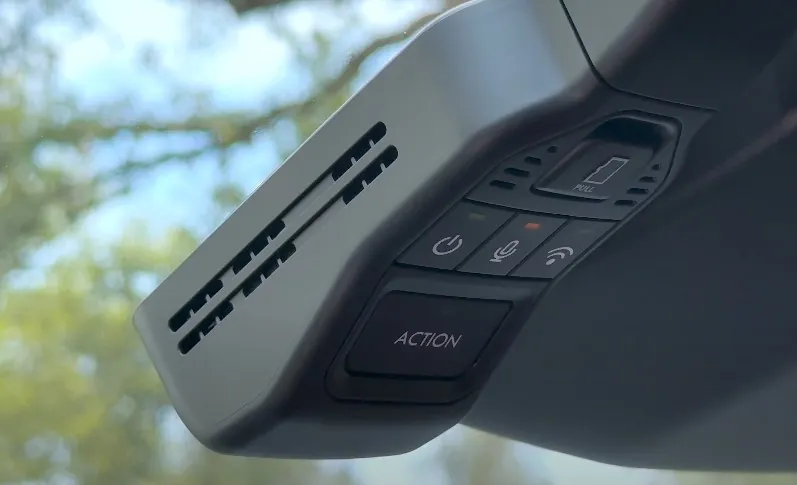
As front cameras grow more advanced, many 2025 vehicles also include the option to record footage passively or actively through onboard systems. This trend, particularly evident in brands like Tesla, BMW, and Genesis, introduces a new dimension to driving: real-time data capture for incident review, theft deterrence, and even insurance claims.
Unlike simple dash cams, factory front cameras in vehicles such as the Tesla Model Y or BMW i4 are connected to cloud services or local storage, capturing high-definition video of surroundings and sometimes storing GPS-linked event logs.
In vehicles equipped with driver profiles and user-specific cloud access, this footage can be reviewed and downloaded if an accident or vandalism occurs. That makes the camera system more than just a visibility tool; it becomes a real-time legal asset.
However, this capability comes with important privacy implications. Automakers must now comply with regional data protection laws, including rules around who owns the footage, how long it can be stored, and under what conditions it can be accessed.
In some states, for example, the recorded footage may be subpoenaed during legal proceedings.
Endnote
The addition of a factory-installed front camera in 2025 is not just about convenience; it’s quickly becoming a necessity. With growing emphasis on forward-collision prevention, legal use of camera data, and the trend toward semi-autonomous driving, these systems offer real value.
Buyers interested in maximizing safety, improving maneuverability, or simply reducing the risk of minor accidents will benefit from choosing trims or packages with front-facing cameras. Especially in urban settings or for those driving larger SUVs, the visibility improvement alone justifies the added feature.
As camera systems become more integrated with legal cases, accident reports, and insurance claims, their role in everyday driving is expanding from optional tech to an essential tool. Whether you drive daily in traffic or occasionally navigate tight parking structures, choosing a model with a front camera offers both peace of mind and practical safety.