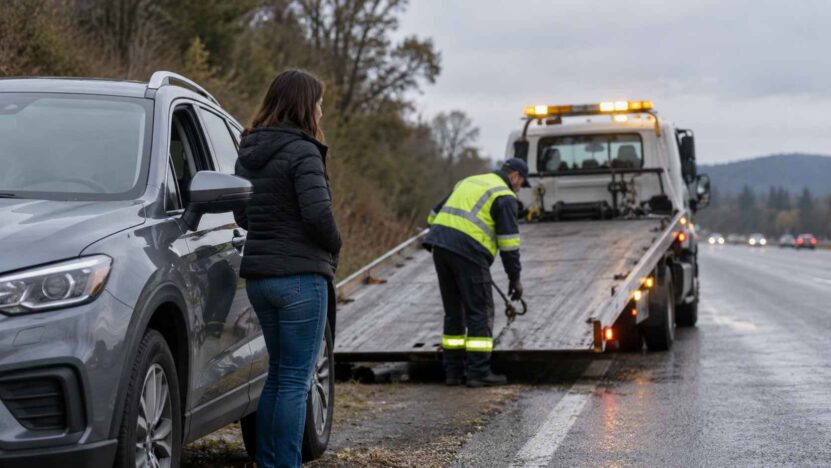

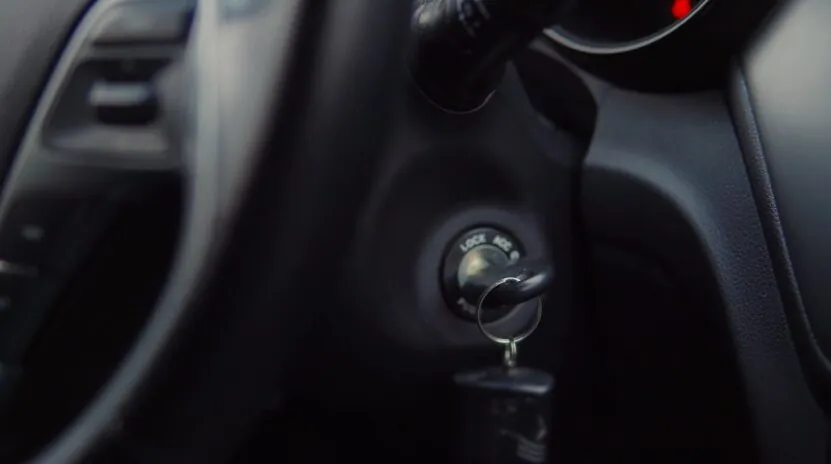
We’ve all had one of those days. You slam the door, hear the soft clink of the lock, and your stomach drops. You know what just happened even before your hand pats down your pockets. Your keys are inside. The car is locked. And you’re standing there—outside, stranded, possibly late, maybe in the middle of nowhere.
It’s a helpless feeling, but there’s good news: you’ve got options. You’re not the first person this has happened to, and you definitely won’t be the last. Here’s how to handle it, step by step—calmly, safely, and smartly.
1. First: Take a Breath and Check Every Door
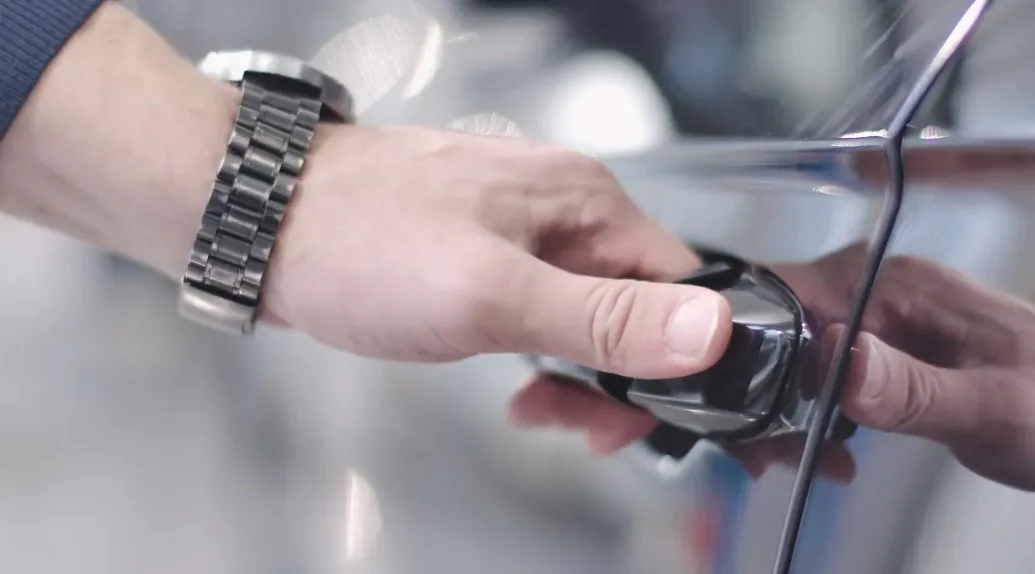
Yes, really. Before you make any calls, yank at any handles, or try to pry open a window, just pause. Lockouts can cause a surge of panic—and that’s when people make costly mistakes.
Start by walking around your car. Try all the doors and the trunk too. You’d be surprised how many times one door didn’t actually latch or the trunk stayed accessible.
Also, assess the situation realistically:
- Are you in a safe place?
- Is the weather okay?
- Is anyone—or any animal—locked inside?
If there’s a child or pet inside and the temperature is dangerous, stop reading and call emergency services now. Fire departments and police are trained for this and can prioritize it. Seconds matter.
2. Think About Your Spare Key

Got one? Good. Now think fast:
- Is it at home?
- Do you live with someone who can bring it?
- Did you leave it with a friend or neighbor?
Spare keys are still the fastest and safest way out of a lockout. If you’re lucky enough to be within a reasonable drive from where it’s stored, make that call and wait it out.
If not… consider having one made in the future. And no, you don’t have to keep it in your wallet (though that’s one option). Magnetic hide-a-key boxes that stick underneath your car frame can be a lifesaver—just make sure it’s hidden well.
3. Check If Your Car Has a Mobile App
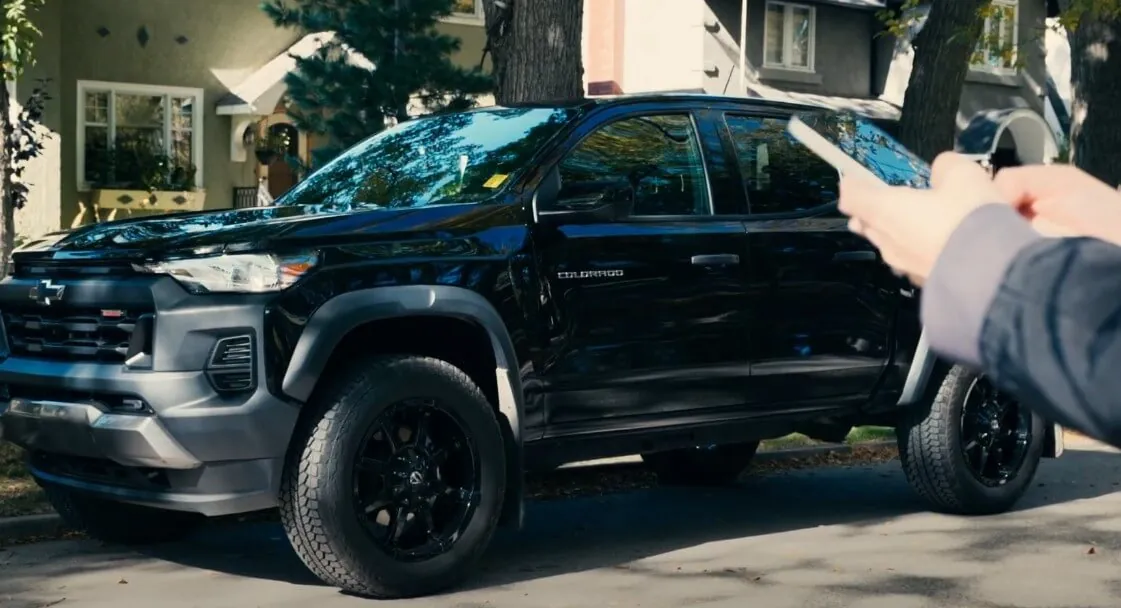
A growing number of newer cars have mobile apps that do more than just track location—they can unlock your doors remotely. It only works if you’ve paired your phone to the car in advance, but if you’ve already done that, here’s a quick list to jog your memory:
| Manufacturer | App Name |
| Chevrolet | myChevrolet |
| Hyundai | Blue Link® |
| Nissan | NissanConnect® |
| Toyota | Toyota App |
| Subaru | MySubaru |
4. Use Your Roadside Assistance Plan (If You Have One)
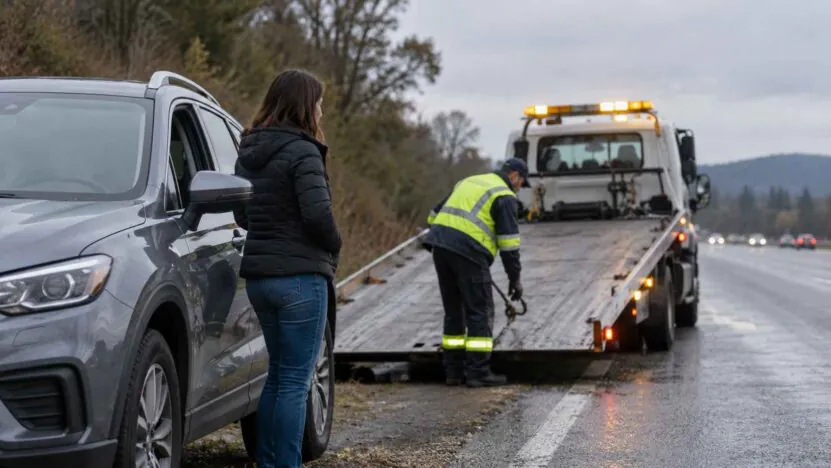
If you’ve ever signed up for AAA or have a roadside package through your insurance or car warranty, now’s the time to use it. Lockout services are one of the most common calls they get, and many companies offer them 24/7.
Some roadside assistance plans may have limitations; knowing the capabilities of light duty towing can help set your expectations.
Depending on your plan, they’ll either:
- Send someone to unlock the door on-site
- Tow your car to a service center
- Cover or reimburse the cost of a locksmith
Here’s a pro tip: even credit card companies sometimes include roadside coverage as a perk. It’s worth checking the fine print if you’re stuck.
5. Call a Locksmith (But Make It a Legit One)
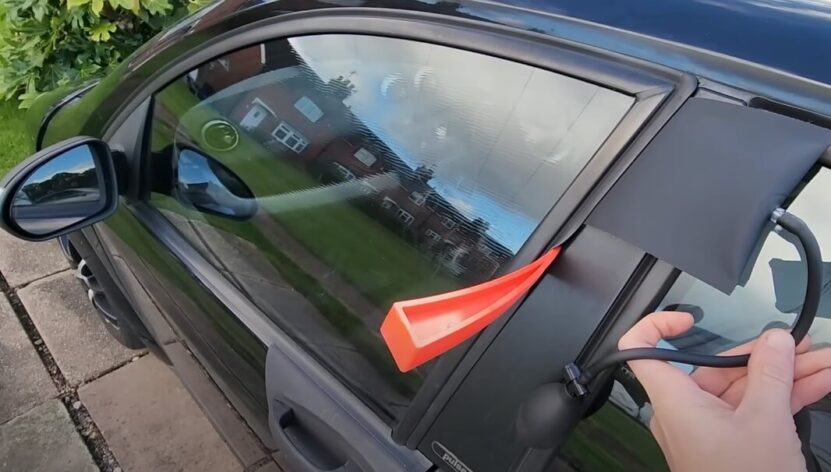
When all else fails, calling a reputable locksmith is the next best move. Certified locksmiths have the right tools to unlock most car doors without scratching up your paint or wrecking your weather seals.
That said, locksmith scams are real. Here’s how to protect yourself:
- Look up reviews on Google or Yelp.
- Ask for a price estimate over the phone.
- Request ID and credentials when they arrive.
Expect to pay anywhere from $50 to $150 depending on your location, time of day, and the type of lock on your vehicle. Late-night and weekend calls may run higher.
6. DIY Methods—If You’re Stuck and Feeling Brave
Alright, this isn’t ideal, but if you’re stranded with no help coming soon, and you’re familiar with car mechanics, you can try a few old-school tricks. Keep in mind: use these at your own risk. If you’re not confident, wait for help.
Some commonly used methods:
- Shoestring or Fishing Line: Only works on cars with upright manual locks. Create a slip knot loop, insert it between the door and frame, and try to snag the lock.
- Coat Hanger: Best for older vehicles. Slip it between the window and weather stripping, and hook the mechanism. You’ll need patience and a light touch.
- Inflatable Wedge & Rod: These are actually used by professionals. The wedge creates a small gap so you can insert a rod and push the unlock button.
Mistakes can be expensive—bent weather seals, scratched glass, broken locks. Don’t push it if it’s not going well.
7. Call Your Insurance—It Might Save You Money

Many auto insurance plans include lockout coverage in their roadside assistance bundle. If you have comprehensive coverage or a full-service insurer like Allstate, State Farm, GEICO, or Progressive, it’s worth giving them a call.
Some providers will:
- Dispatch a locksmith directly
- Reimburse you for services after the fact
You’ll need receipts and possibly a claim number, so keep everything documented just in case.
8. Put Future-You in a Better Position
Once you’ve got those keys back in hand, make a plan. Lockouts happen to everyone—but repeating the experience? That’s optional.
Here’s what helps:
- Get a spare key cut and store it smartly (wallet, friend’s house, car-safe key box)
- Attach a Bluetooth tracker like Tile or Apple AirTag to your key ring—especially helpful when they’re lost, not just locked in
- Check your keys before getting out. Seriously. Make it a habit.
- Change your key fob battery every year or so to avoid unexpected malfunctions
9. Know When It’s an Emergency—and Say So
View this post on Instagram
Not every lockout is just an inconvenience. If a child, pet, elderly person, or anyone with health concerns is trapped inside—especially in the heat or cold—that’s an emergency.
Here’s when to make that call:
- The person or animal is in visible distress
- Temperatures are extreme
- You’re not able to get help immediately
In most places, police or fire departments are trained and equipped to open cars quickly—often without damaging them. Some laws even protect bystanders who break windows in genuine life-threatening scenarios.
10. Know the Costs (So You Don’t Get Surprised)
Lockouts can sting financially, especially if you’re not prepared. Here’s what you might be looking at:
| Service | Estimated Cost Range |
| Locksmith Unlock | $50 – $150 |
| Roadside Assistance (Annual) | $60 – $120 |
| Key Fob Replacement | $100 – $300+ |
| DIY Damage Repair (If Any) | Varies (often $100+) |
The Bottom Line
Locking your keys in your car is frustrating—but it’s not the end of the world. With a little calm and a few smart moves, you’ll get through it without blowing your budget or your whole day.
Whether it’s a tech-driven fix, a quick call for backup, or even an old-school trick, you’ve got choices. And next time? You’ll be ready—with a spare key tucked away, your app synced up, and maybe a Bluetooth tracker dangling from your keychain.
Because once is a lesson. Twice? That’s just a bad plan.