
Complying with Transport for London (TfL) regulations is crucial for anyone operating a vehicle as part of London’s public transport system.
TfL oversees all aspects of private hire and taxi services to ensure safety, reduce emissions, and maintain high standards for passenger experience.
Private Hire Vehicles (PHVs) and taxis each follow strict licensing procedures.
These rules not only influence the type of vehicle used but also determine its maintenance schedule, emissions standard, and operational guidelines within the city.
Vehicle Eligibility Criteria

TfL outlines strict requirements for vehicles used in private hire or taxi services.
One of the primary conditions is a seating capacity limit, capped at eight passengers regardless of the vehicle’s type or design.
Roadworthiness plays a central role. Vehicles must meet high safety and comfort standards to remain eligible.
Operators should ensure:
- Mechanically sound performance
- Clean, comfortable interior
- Secure and functional doors
- Properly working taximeter when installed
Insurance requirements are non-negotiable. TfL mandates hire-and-reward insurance that:
- Specifically names the driver
- Covers public or private hire use
- Is issued by an FCA-authorized provider
To maintain these standards, TfL may inspect vehicles up to three times each year. Any issues flagged must be resolved within two months.
Failure to comply may lead to license suspension or revocation.
For operators seeking ready-to-drive vehicles that already meet TfL licensing conditions, PCO car hire services offer a convenient solution.
These services provide access to well-maintained, insured, and compliant vehicles, many of which are electric or hybrid, eliminating the administrative burden for drivers. Weekly rental plans often include MOT, road tax, 24/7 roadside assistance, and Uber/Bolt-ready status.
Emissions and Environmental Requirements
London’s transport goals focus heavily on reducing emissions.
TfL requires all new PHVs licensed on or after January 1, 2023 to meet Zero Emission Capable (ZEC) criteria. Vehicles running solely on petrol or diesel without prior licensing no longer qualify.
ULEZ expansion, which began on August 29, 2023, now affects every borough. Drivers of vehicles that fail to meet emission standards must pay a £12.50 daily charge.
TfL’s shift toward sustainability demands financial and operational adjustments by vehicle owners.
Operators need to prioritize:
- ZEC-compliant vehicles for new licensing
- ULEZ-compliant models to avoid daily fees
- Transition plans to reduce long-term operating costs
Non-compliant vehicles face being pushed out of operation. Staying up to date with emission requirements is no longer optional but essential.
Additional Requirements for London
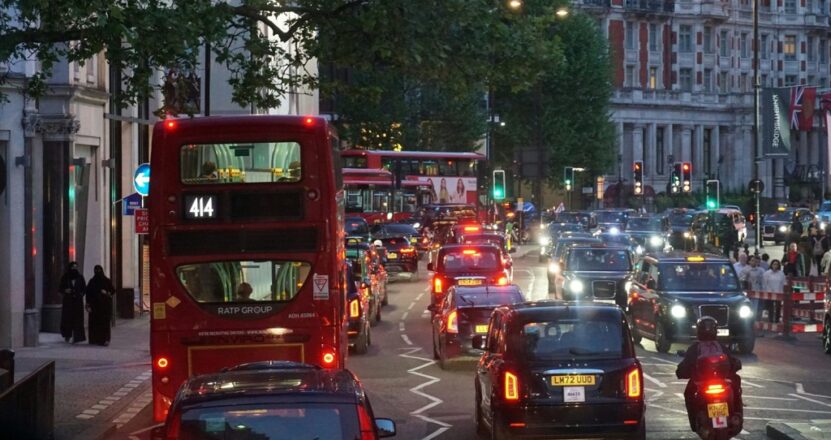
Operating a vehicle in London for private hire or taxi purposes involves more than just meeting mechanical and emissions standards.
TfL imposes additional requirements that focus on how the vehicle is presented, how it is perceived by the public, and how it distinguishes itself from other modes of transport operating in the city.
Only vehicles that fully comply with TfL’s eligibility rules may legally operate as PHVs or taxis. Compliance goes beyond functional performance. It extends into branding, styling, and on-road recognition to maintain consistency, safety, and transparency for passengers.
TfL regulates aspects of vehicle appearance to avoid misleading or confusing the public. Certain styling elements and visual identifiers are protected to prevent misidentification, especially between PHVs and London’s iconic black cabs.
Operators must carefully review vehicle choices, visual elements, and marketing strategies to avoid penalties.
To remain within the rules, operators are expected to follow strict guidelines, which include:
- Submitting all vehicle advertising for TfL approval before use
- Ensuring the vehicle does not resemble a traditional London black cab in shape, color, signage, or other design elements
- Maintaining color schemes and external identifiers in accordance with licensing conditions, especially if specific markings are required
TfL’s intention is to preserve the integrity of its transport ecosystem. Visual confusion between a licensed PHV and a black cab can result in legal action or revocation of the vehicle’s license. Operators are responsible for ensuring their vehicles remain easily identifiable within their category.
Each vehicle must display official TfL identification plates and discs unless a formal exemption has been granted.
Missing, damaged, or hidden identifiers can lead to enforcement actions, including removal of the vehicle from service until the issue is resolved.
Driver Requirements (Indirectly Affecting Vehicle Use)

Driver qualifications directly influence which vehicles may remain operational. As of April 1, 2023, new applicants must pass the Safety, Equality and Regulatory Understanding (SERU) assessment.
This test evaluates regulatory knowledge and awareness of passenger safety obligations.
In addition, the English Language Requirement (ELR) now includes two distinct components: a speaking and listening assessment, and reading and writing skills evaluated through the SERU framework.
It ensures every driver can communicate effectively, especially in high-pressure or emergency situations.
Vehicle operators who fail to meet these driver-level standards risk losing their eligibility altogether. Even a technically compliant car becomes unusable if its driver does not meet TfL’s expectations.
Local Speed Regulations
TfL works with borough councils to enforce stricter speed limits across various districts. Areas like Hackney, Islington, Camden, and Southwark now implement widespread 20mph zones. These limits promote safer environments for pedestrians, cyclists, and other road users.
Operators must remain aware of shifting boundaries and newly posted signage. Non-compliance often results in penalties, and habitual offenses can lead to license revocation.
Speed restrictions aim to reduce road fatalities and traffic-related injuries. Drivers working in these boroughs must factor slower travel times into route planning, especially during peak hours.
Insurance Considerations
TfL-approved insurance protects drivers legally and financially. Every PHV or taxi must carry policies explicitly designed for hire use. Coverage should include:
- Driver-specific naming
- Active-period coverage
- Third-party liability
- Issuance by FCA-recognized insurers
Popular providers like Zego or Sense offer packages tailored for London operators. Missing or incorrect coverage can result in impoundment, fines, or operational bans.
TfL requires proof of valid insurance during inspections and at license renewal.
Licensing Period and Renewal
PHV and taxi licenses in London typically last for one year. Renewal involves multiple layers of assessment, including vehicle inspections and documentation reviews. Some licenses also include conditions such as colour requirements, signage placement, or operational restrictions tied to emissions.
Drivers should begin the renewal process well in advance of expiry to avoid disruption. Any outstanding fines, failed inspections, or incomplete documents may delay approval.
TfL reviews each case on its own merits, and license extensions are not guaranteed. Maintaining a consistent record of compliance, cleanliness, and insurance validity helps reduce the risk of denial during the renewal process.
Summary
Operating a licensed vehicle in London under TfL’s jurisdiction demands strict adherence to a wide set of requirements.
Vehicle condition, emissions standards, insurance, inspections, and driver qualifications all contribute to compliance.
Those who meet every condition benefit from smooth operations and avoid costly penalties, while non-compliant drivers face removal from the system.
Regular updates to policies, such as ZEC mandates and ULEZ expansions, require continuous attention.