

When you’re managing a fleet, whether it’s rolling across the Midwest or weaving through Europe’s intricate roadways, one thing is non-negotiable: the rules. And they’re not all the same.
In the U.S., drivers can legally stay on the road for up to 11 hours a day and clock 60 to 70 hours a week, but in Europe, it’s capped at 9 hours a day, with only 56 hours a week allowed.
Then there’s the difference in weight, American rigs top out at 80,000 pounds, while European trucks can carry up to 97,000 pounds, or even more with special permits.
These differences aren’t just regulatory quirks—they shape how fleets operate.
From required breaks after 8 hours in the U.S. to stricter 4.5-hour driving limits in Europe, fleet operators need to juggle time, distance, and legal limits to stay efficient and out of trouble.
Not to mention, compliance tools differ too: U.S. drivers rely on ELDs, while European operators manage tachographs with driver smart cards.
How Long Drivers Can Stay on the Road
| Regulation | U.S. | Europe |
| Daily Driving | 11 hours | 9 hours (10 hours twice a week) |
| Breaks | 30 min after 8 hours | 45 min after 4.5 hours |
| Daily Rest | 10 hours | 11 hours (can reduce to 9) |
| Weekly Max | 60/70 hours | 56 hours (90 hours over two weeks) |
| Weekly Rest | 34 hours reset | 45 hours (can reduce to 24) |
Let’s start with the hours of service (HOS)—you know, the rules that say how long a driver can stay behind the wheel before they need to pull over and rest. It’s not just about keeping everyone safe (though that’s huge); it’s also about keeping your fleet out of trouble with the folks who hand out fines.
In the U.S., the setup works like this:
- Drivers can be on the road for up to 11 hours during a 14-hour shift. That’s not just driving time—it includes loading, unloading, fuel stops, you name it.
- After 8 hours of driving, they’ve got to take a 30-minute break. It doesn’t have to be fancy—a quick rest to stretch their legs and grab a snack works.
- Once they’re done for the day, they need to get at least 10 consecutive hours off before jumping back in the driver’s seat.
- There’s a weekly cap, too: no more than 60 hours over 7 days or 70 over 8 days (whichever your schedule allows).
- If a driver hits the weekly limit, they can “reset” with a 34-hour off-duty period—kind of like wiping the slate clean.
Now, Europe’s system is similar in spirit but has its own flavor:
- Drivers can cover up to 9 hours a day, with the flexibility to stretch that to 10 hours twice a week.
- The break rules are a bit stricter. After 5 hours of driving, they need to stop for a 45-minute break. The break can be split into one 15-minute pause and one 30-minute pause, but it’s got to happen.
- When the day’s done, drivers typically need 11 hours of rest, though they can reduce it to 9 hours for up to three days a week—but there’s a catch: they have to compensate for the reduced rest later.
- There’s a weekly cap of 56 hours, and across two consecutive weeks, drivers can clock a max of 90 hours.
Big Rigs and Bigger Numbers: Vehicle Weight and Size
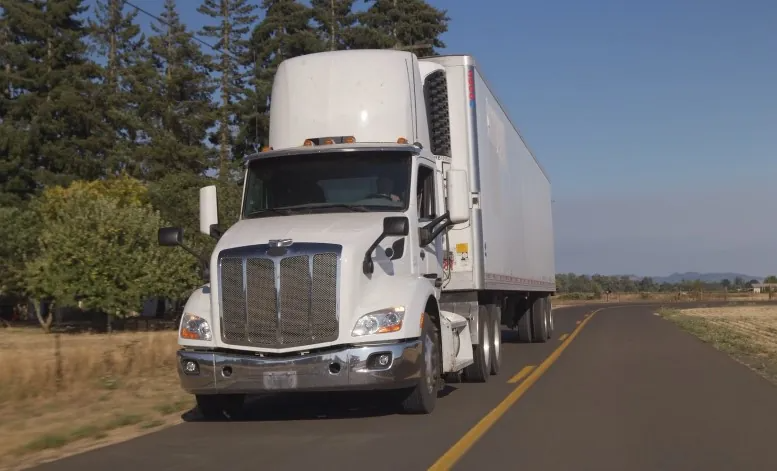
Truck size limits? Now we’re talking rubber-meets-the-road reality. Bigger trucks mean more payload, more towing, but also more rules. In the U.S., the numbers are straightforward: trucks max out at 80,000 pounds—that’s roughly 36,287 kilograms. Most trailers are about 53 feet long, and the width limit stands at 102 inches, which is around 2.6 meters. These dimensions give fleets the flexibility to move hefty loads while navigating the generous lanes of American highways.
In Europe, the situation’s a bit different. Trucks can legally weigh up to 44,000 kilograms, or about 97,000 pounds. On some specialized routes or with special permits, certain trucks can haul even heavier loads. European rigs can stretch to 18.75 meters (about 61.5 feet) and span up to 2.55 meters (roughly 8.4 feet) in width. But don’t let the numbers fool you. While the weight limits are higher in Europe, tighter city streets and older infrastructure can make maneuvering a whole lot trickier.
Here’s a table for a quick look at the core dimensions and weights:
| Measurement | U.S. | Europe |
| Max Weight | 80,000 lbs (36,287 kg) | 44,000 kg (97,000 lbs), heavier with permits |
| Max Length | 53 feet | 18.75 meters (61.5 feet) |
| Max Width | 102 inches (2.6 meters) | 2.55 meters (8.4 feet) |
Driver Paperwork and Qualifications
Licenses and medical checks are non-negotiables, no matter where you’re based. In the U.S., drivers need a Commercial Driver’s License (CDL), and endorsements are mandatory for specialized cargo like hazmat or tankers. The minimum age for interstate driving is 21, though 18-year-olds can run intrastate routes. Every driver needs a DOT physical every couple of years to stay qualified.
Looking for CDL jobs Columbia, SC? Those positions will demand all these requirements—and a solid grasp of the local and national regulations.
In Europe, drivers must have a Category C or C+E license, which depends on the type of truck. The minimum age is 18, though many companies prefer more experienced drivers, especially for international routes. Medical checks are a standard part of the deal, with more stringent requirements after drivers turn 50.
The Tech: Keeping Tabs on Driving Hours
Whether you’re running routes through Kansas or Krakow, you need to track how long drivers are behind the wheel. In the U.S., the go-to is the Electronic Logging Device (ELD), which became mandatory in 2017. These devices link up with the truck’s engine and automatically log driving hours, location, and engine status. But it’s not just plug-and-play; drivers need proper training on using the ELD, because mistakes—or worse, tampering—can lead to big fines.
Across the Atlantic, digital tachographs are the tool of choice. They track driving hours, speed, and distance, but there’s a personal twist. Each driver has to insert a smart card into the tachograph to link the data to their profile. Inspections happen regularly, and authorities check that the records match the rules. Unlike ELDs that might sync through a mobile app, tachographs often require printouts or manual checks during inspections, which means drivers have to stay on top of their documentation.
What Happens When Rules Are Broken?

Let’s be honest—no one likes talking about fines or penalties, but they’re part of the game if rules aren’t followed. In the U.S., violations can result in fines running into thousands of dollars per issue. Drivers risk suspension or even revocation of their CDL if the problems are serious or repeated. Carriers aren’t off the hook either. Companies can face penalties that affect the entire operation, including shutdown orders.
In Europe, the stakes are just as high. Fines can climb to €30,000 or more, depending on the country and severity of the violation. Drivers might find themselves temporarily or permanently banned from driving. And employers are held accountable too, facing their own penalties if drivers violate the rules.
Real-World Scenarios Fleet Operators Should Know
Let’s make it real. Picture a U.S. fleet running routes along the East Coast. A driver clocks 60 hours in 7 days and then resets with a 34-hour break to clear the clock. Compare that with a European operation running cross-border loads from Germany into France. There, the fleet has to juggle a mandatory 45-hour weekly rest and factor in compensatory rest if the driver has had reduced breaks earlier in the week.
Or think about weight limits. In the U.S., an 80,000-pound truck on I-95 is business as usual. But in parts of Europe, especially Scandinavia, it’s not uncommon to see 60-tonne (132,000-pound) combinations rolling through—with the right permits, of course.
Even the compliance tools are different. In the U.S., an ELD might sync data directly to a mobile app or fleet management system, making it seamless for back-office checks. In Europe, drivers need to carry their tachograph cards and know how to manage printouts, especially if they’re stopped for an inspection.
Keeping Your Fleet Legal and Efficient
@paul__1980 @truckergirl850a @Trucker Baddie @therealfaketrucker ♬ original sound – Paul Stewart
Here’s the bottom line. First, know the driving rules for your region and plan your schedules and routes accordingly. That means figuring out rest periods, driving limits, and how to handle cross-border differences if you’re operating internationally.
Next, invest in the right tech—whether it’s ELDs for U.S. routes or tachographs for European ones. Make sure drivers know how to use them and understand the consequences of errors or tampering.
Stay on top of the paperwork—licenses, medical certificates, permits, and inspection records. It’s tedious, sure, but being proactive beats scrambling during an audit.
And don’t just assume everything’s fine. Regularly audit your own compliance. It’s way better to catch issues yourself than to wait for a regulator to do it for you.
Wrapping It Up
Whether you’re dispatching trucks from Dallas or Dublin, knowing the rules isn’t just about avoiding fines—it’s about keeping drivers safe, delivering loads on time, and running a fleet that’s efficient and respected. The laws might differ between the U.S. and Europe, but the goal’s the same: safe, legal, and reliable transport.
Would you like a handy compliance checklist for U.S. and European operations? Or a one-pager comparison chart you can hang up in the office? Let me know, and I’ll whip one up for you.