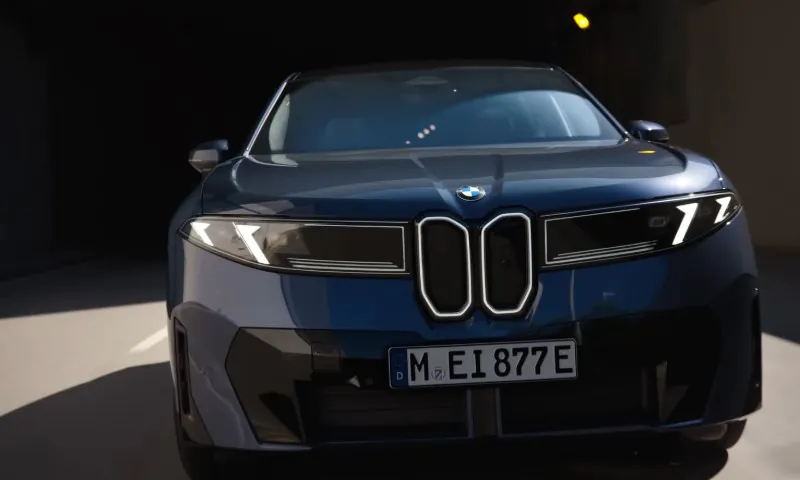

BMW Group is a Germany-based automotive company headquartered in Munich and represented world-wide, from the US to Japan.
Premium cars, luxury automobiles, and motorcycles define BMW auto business and public image.
Current ownership is best explained through the brands that make up BMW Group today and the role each one holds in the portfolio.
BMW Group’s Current Core Brands
BMW Group currently consists of four core brands:
- BMW
- MINI
- Rolls-Royce Motor Cars
- BMW Motorrad
Official corporate branding identifies these as the group’s four core names.
Broad consumer ownership overviews commonly list BMW, MINI, and Rolls-Royce among the car brands tied to BMW Group, while BMW Motorrad completes the full present-day portfolio. Guides focused on BMW auto ownership also help explain how the brand fits within BMW Group’s wider business structure.
Each one holds a distinct place inside the company’s present-day portfolio.
- BMW covers the core premium car business.
- MINI gives the group a premium small-car brand with a strong identity.
- Rolls-Royce Motor Cars occupies the ultra-luxury end of the market.
- BMW Motorrad extends the portfolio into motorcycles, adding another major category to the group’s business.
A simple breakdown also helps show how the portfolio is organized across product types:
- BMW, MINI, and Rolls-Royce Motor Cars are automotive brands
- BMW Motorrad is the motorcycle brand
That mix explains why BMW Group is discussed as more than a luxury car company. Cars make up most of the portfolio, but motorcycles are also part of the group’s official brand lineup.
BMW – The Flagship Brand
BMW is the group’s main and best-known marque.
Dynamism, sportiness, innovation, and design shape its brand identity.
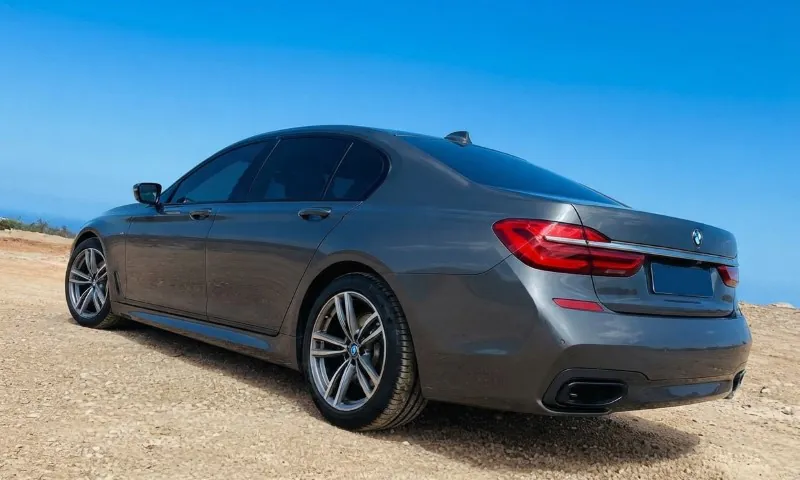
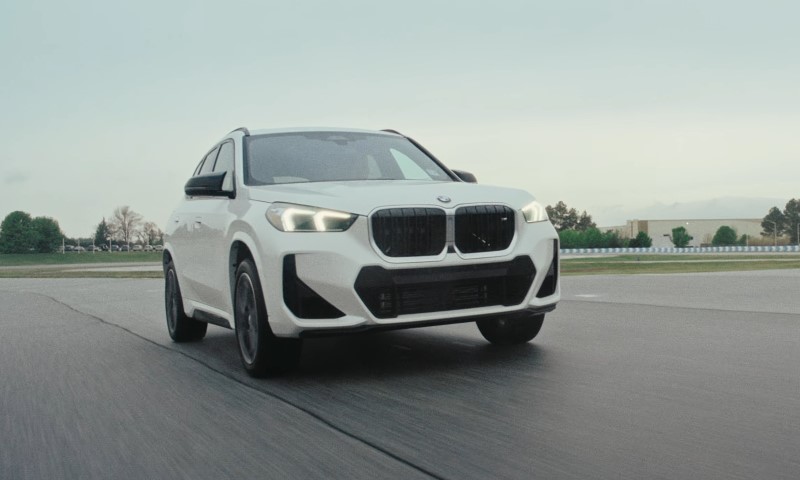
Broad product coverage gives BMW its central role in the portfolio, with sedans, coupes, SUVs or SAVs, and electric vehicles carrying the brand into multiple segments of the premium market.
Core product areas show why BMW holds that position:
- Sedans
- Coupes
- SUVs and SAVs
- Electric vehicles
Range breadth gives BMW its function as the core volume luxury brand inside BMW Group. Strong recognition, wide global reach, and a lineup that covers daily luxury transportation as well as performance-focused models explain that status.
Buyers can enter the brand through a compact luxury model, move into larger sedans or sport utility vehicles, or choose an electric model without leaving the BMW name.
That consistency gives BMW a very broad role inside the group.
Brand identity is also shaped by a few recurring ideas:
- Dynamism
- Sportiness
- Innovation
- Design
Those themes help explain why BMW is positioned as both premium and performance-oriented. Focus is not limited to comfort or prestige alone. Product planning also points to handling, technology, and visual presence.
BMW M should not be treated as a separate BMW Group brand in the current portfolio.
Official portfolio structure places BMW M as BMW’s high-performance division or subsidiary rather than as an additional standalone brand.
That distinction matters because BMW M is closely tied to the main BMW brand instead of being presented as a separate corporate marque alongside MINI, Rolls-Royce Motor Cars, or BMW Motorrad.
MINI – BMW Group’s Small-Car Premium Brand
MINI is one of BMW Group’s current core brands. Heritage, a trend-setting image, and a global fan base shape its identity. Compact proportions and a very distinct design language give MINI a place of its own inside the portfolio.
Several practical traits help explain MINI’s long-term value:
- Iconic compact styling
- Go-kart handling
- Strong customization options
- City-friendly efficiency
Those characteristics make MINI more than a smaller alternative to BMW. Personality, agility, and urban usability are central to its market position.
Buyers often associate the brand with playful design and sharp handling, while customization options give owners more room to tailor the vehicle to personal taste.
Ownership history gives helpful context for MINI’s current place in BMW Group. BMW acquired Rover Group in 1994.
MINI was retained when Rover and Land Rover were sold in 2000. BMW then developed MINI into a standalone modern brand.
That sequence helps explain why MINI is part of BMW Group today while Rover and Land Rover are not.
Production details also add a useful fact to the picture:
- Oxford, Great Britain, is identified as a MINI production location
That manufacturing connection reinforces MINI’s British identity even as the brand operates inside a German automotive group.
Practical brand traits add more context.
Buyers researching which MINI Cooper to buy used often focus on iconic compact styling, go-kart handling, strong customization options, and city-friendly efficiency.
Rolls-Royce Motor Cars – The Ultra-Luxury Brand
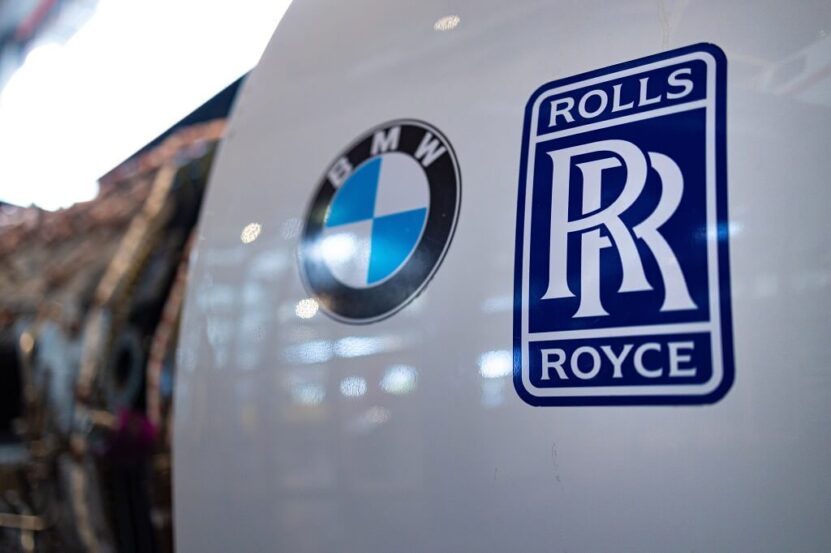
Rolls-Royce Motor Cars is part of BMW Group today.
Superlative quality, exquisite craftsmanship, and careful attention to detail define its place as the portfolio’s most exclusive luxury marque. Positioning is centered on prestige, presence, and a very high level of personalization.
A few brand traits make that role even clearer:
- Bespoke customization
- Serenity
- Iconic design elements
- An ownership experience centered on exclusivity rather than sportiness
Focus is not on volume or mainstream luxury. Focus is on ultra-luxury ownership with a highly tailored product.
Buyers in this segment are looking for craftsmanship, personalization, and a calm, refined experience rather than the more athletic character commonly associated with BMW itself.
Ownership timing is important because the brand entered BMW Group in stages. Key milestones can be set out clearly:
BMW acquired the rights to the Rolls-Royce name and logo in 1998
Full control of Rolls-Royce Motor Cars followed in 2003
Those dates help separate brand association from full operational control. Rights to the name and logo came first, while complete control of the motor car business came later.
BMW Motorrad – The Motorcycle Brand
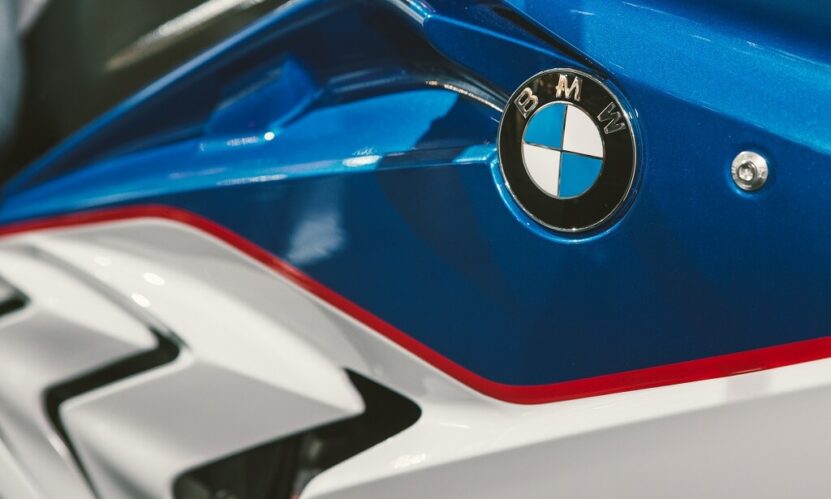
BMW Group’s current portfolio is not limited to cars because it also includes BMW Motorrad. Passion, dynamism, design, technology, and innovation define its positioning.
Strong brand recognition in the motorcycle sector gives BMW Group a presence in premium two-wheel mobility as well as luxury and premium automobiles.
BMW Motorrad is widely respected across several motorcycle categories. Main lineup areas include:
- Touring
- Adventure
- Sport
- Urban models
Range breadth helps explain why BMW Motorrad is treated as a core part of BMW Group’s current brand structure.
Brand value is tied not only to performance, but also to long-distance capability, daily usability, and technical development across multiple riding styles.
Positioning language also points to the brand’s core themes:
- Passion
- Dynamism
- Design
- Technology
- Innovation
Those ideas place BMW Motorrad close to the broader identity of BMW Group while still giving it a clear role as the company’s motorcycle marque.
Brands Often Confused With BMW Group
Some names closely tied to BMW are not separate present-day BMW Group brands, even though they are strongly associated with the company.
Confusion usually comes from performance sub-brands, future vehicle programs, product-family names, or older ownership history.
A few examples make that distinction easier to see:
- BMW M is a performance division or subsidiary of BMW
- Neue Klasse is a vehicle architecture and product program for electric mobility
- MINI Family is a product family and technology direction linked to MINI
- Rover and Land Rover are not part of BMW Group today
BMW M is not one of the officially listed standalone group brands. It operates as a high-performance arm within BMW.
Neue Klasse is not a separate brand either. BMW Group describes it as a vehicle architecture and product program for electric mobility.
Current plans identify the iX3 as the first launch tied to that architecture, followed by the i3 Sedan. That makes Neue Klasse a platform and product initiative, not a separate marque in the corporate portfolio.
MINI Family can also cause confusion. Name usage points to a product family and a technology direction linked to MINI rather than a separate entry in the corporate brand portfolio.
In other words, MINI is the brand, while MINI Family refers to a grouping of products or a broader product concept.
Older ownership history adds another layer. BMW acquired Rover Group in 1994, which connected the company to Rover and Land Rover for a period of time.
Later changes in ownership ended that relationship.
Neither Rover nor Land Rover is part of BMW Group today, so those names should not be included in any present-day list of BMW Group brands.
Summary
BMW Group today consists of BMW, MINI, Rolls-Royce Motor Cars, and BMW Motorrad.
Outside ownership references generally align on BMW, MINI, and Rolls-Royce as key names in the group.
BMW Group’s own brand structure gives the clearest answer because it explicitly includes BMW Motorrad and presents the current lineup as four core brands.
If you want, I can turn this into a polished final article with smoother transitions and a stronger publication-ready tone while keeping all your restrictions intact.