
SUVs have grown into a dominant force in today’s automotive market, satisfying a wide range of consumer priorities such as practicality, driving pleasure, and modern features. Some buyers lean toward off-road prowess and mechanical reliability, while others focus on advanced tech, comfort, and fuel efficiency.
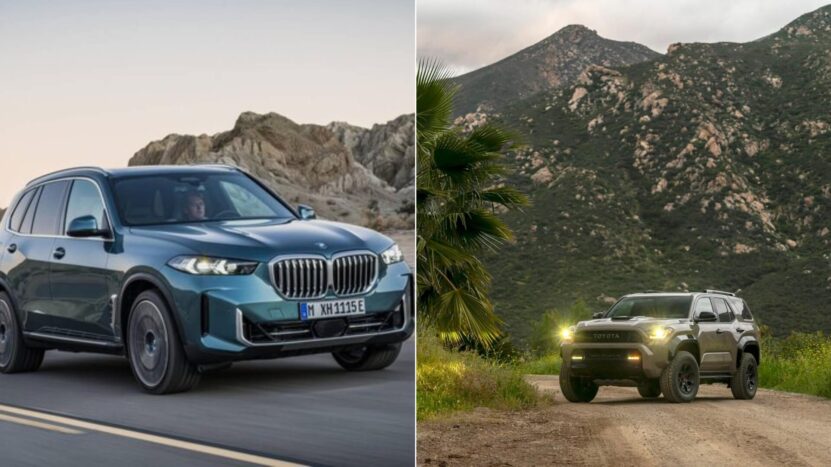
Two popular models competing in this space are the 2024 Toyota 4Runner and the 2025 BMW X5. One offers rugged simplicity, while the other leans into upscale luxury and high-tech performance.
The purpose of this comparison is to evaluate both models thoroughly and determine which delivers the best overall ownership experience based on value, capability, safety, and comfort.
Price and Value
Cost comparison immediately highlights the contrast in market intent between the two models. Toyota 4Runner begins at approximately $42,765, presenting a more accessible entry point.
BMW X5, by contrast, carries a starting price close to $68,775, clearly targeting a more premium segment.
That price gap of over $25,000 shapes expectations in terms of features, design philosophy, and buyer needs.
Standard equipment at base levels shows what each brand considers essential. 4Runner prioritizes durability and practicality, while X5 provides refinement and technology even before optional packages are added.
Some core differences include:
- 4Runner base trim: V6 engine, 8-inch touchscreen, cloth seating, Toyota Safety Sense, roof rails
- X5 base trim: Turbocharged engine, navigation with 12.3-inch display, synthetic leather seating, Apple CarPlay and Android Auto (wireless), front and rear parking sensors, and AWD in many variants
Warranty coverage and maintenance programs tell another part of the story. BMW includes a 4-year/50,000-mile limited warranty along with 3 years of complimentary maintenance, which covers oil changes, brake fluid, and inspections.
Toyota matches the 4-year/50,000-mile limited warranty but offers only 2 years of scheduled maintenance, and owners begin paying out of pocket sooner.
Ongoing ownership costs favor the Toyota for those looking to manage long-term expenses. BMW ownership typically involves:
- Higher insurance premiums
- Increased repair costs for premium components
- Greater depreciation, especially after warranty expiration
On the other hand, 4Runner consistently holds resale value over time due to its proven mechanical reliability, straightforward components, and demand in used markets.
In markets like Texas, where demand for durable off-roaders remains high, Toyota 4Runner SUVs in Houston are particularly popular thanks to their blend of reliability and capability.
Performance and Efficiency
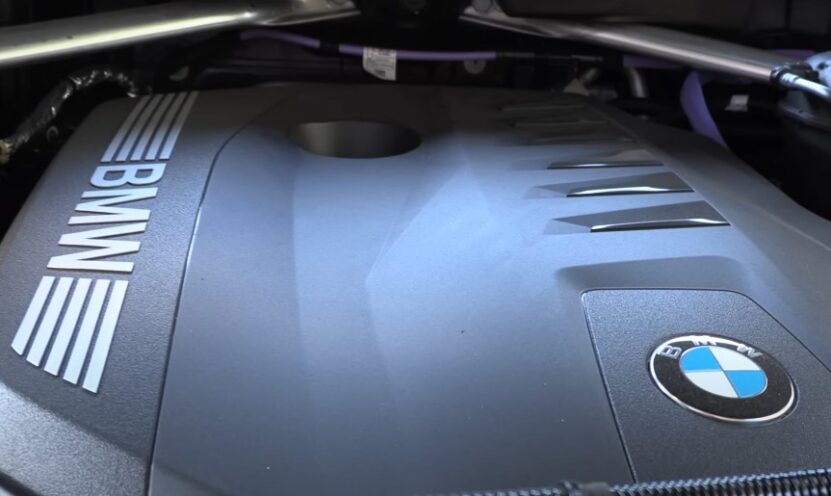
BMW X5 offers a range of powertrains, including turbocharged inline-six and V8 engines, Performance metrics draw a sharp line between the BMW X5 and Toyota 4Runner, beginning with engine options.
BMW offers a diverse powertrain lineup aimed at combining speed, smoothness, and fuel-saving tech.
Toyota 4Runner holds to its roots with a single, aging powerplant focused on durability rather than innovation.
BMW X5 can be configured with:
- 0-liter turbocharged inline-six, delivering up to 375 horsepower
- 4-liter twin-turbo V8, producing up to 523 horsepower in M trims
- Plug-in hybrid (xDrive50e), generating around 483 combined horsepower and offering up to 40 miles of all-electric range
Toyota 4Runner sticks with a 4.0-liter V6 producing 270 horsepower and 278 lb-ft of torque, an engine that has seen few upgrades in over a decade.
Acceleration leaves no doubt about performance intent. BMW X5 hybrid models hit 0–60 mph in approximately 4.6 seconds, with base trims around 5.3 seconds.
Toyota 4Runner, on the other hand, reaches 60 mph in over 7.5 seconds, creating a noticeable lag when merging or passing.
Transmission setups also widen the technological divide:
- BMW X5: 8-speed automatic with paddle shifters, adaptive shift logic
- Toyota 4Runner: 5-speed automatic, less refined and slower to respond under throttle
Fuel economy numbers underscore BMW’s efficiency advantage. With the plug-in hybrid trim, X5 reaches up to 57 MPGe combined, and even gas-only models deliver 23 MPG city / 27 MPG highway.
In contrast:
- Toyota 4Runner returns just 16 MPG city / 19 MPG highway, a number more in line with older truck-based SUVs
Efficiency has clear implications for long-term usability. X5 provides more miles per tank and more driving options, particularly for those considering the plug-in variant. Toyota’s numbers reveal the 4Runner’s emphasis on off-road toughness over daily drivability.
Off-Road vs On-Road Capability
Vehicle architecture often dictates behavior in real-world conditions, and that’s clearly evident when comparing these two models.
Toyota 4Runner continues to use a body-on-frame platform, a layout derived from truck engineering, giving it enhanced strength and durability over uneven terrain.
BMW X5, by contrast, adopts a unibody design focused on comfort and precision for paved roads.
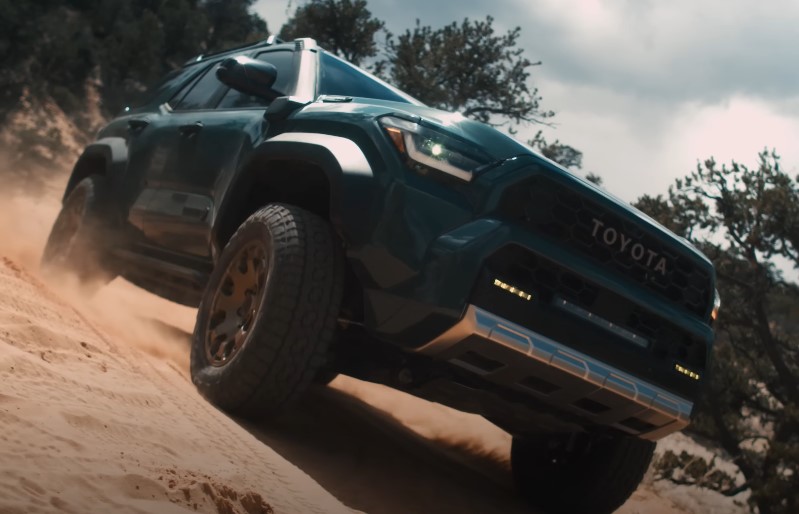
Off-road performance in the Toyota 4Runner is where it shines. Built with trail use in mind, its TRD trims add hardware and controls designed specifically for conquering rough environments. Key off-road highlights include:
- Standard high ground clearance
- TRD skid plates, off-road suspension, and locking rear differential
- Multi-Terrain Select and Crawl Control for variable surfaces
- Part-time 4WD system with low-range gearing
These features make it highly capable on rocky paths, muddy inclines, and steep climbs. Drivers looking to explore remote areas will benefit from its mechanical dependability and straightforward controls.
BMW X5 is no slouch in capability but approaches it differently. Suspension tuning and advanced technology make it highly composed on pavement and light trails. Key features include:
- Adaptive air suspension with ride-height adjustment
- xDrive AWD system for confident grip
- Off-road modes that tailor throttle, suspension, and traction settingsHill descent control and terrain response system
Clearance is lower than the 4Runner, and tire options lean toward street performance. That makes it less prepared for serious trail use but far superior in urban environments, tight corners, and high-speed driving.
On winding roads or highways, BMW X5 feels lighter on its feet with reduced body roll and crisper steering.
Toyota 4Runner remains more upright, with a stiffer ride and slower response to sharp turns. It’s built to climb, not corner.
Use case determines which SUV makes more sense. Those regularly driving on rough trails or backcountry roads will see more value in the 4Runner’s off-road hardware.
Those commuting, road-tripping, or driving mostly on pavement will prefer the confident agility and road manners of the X5.
Safety and Crash Ratings
Safety plays a major role in vehicle selection, especially for families and daily drivers. BMW X5 and Toyota 4Runner present noticeably different levels of safety engineering, largely due to platform age and technological advancement.
BMW X5 earns top recognition in crash evaluations. IIHS designates it a “Top Safety Pick Plus,” reflecting strong performance in frontal crash tests, side-impact resistance, and rollover protection. NHTSA awards it five stars overall, including top marks in both front and side crash categories.
Toyota 4Runner, with a design dating back over a decade, doesn’t perform as well. It lacks the structural refinements seen in newer vehicles and earns mixed results, particularly in small-overlap crash tests. It has not been designated as a top safety pick by IIHS, and NHTSA ratings are lower across several key categories.
Interior Comfort and Technology
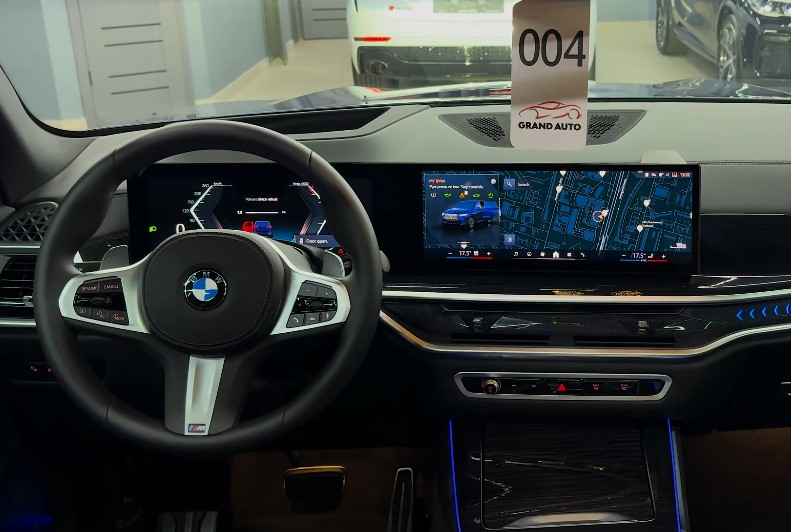
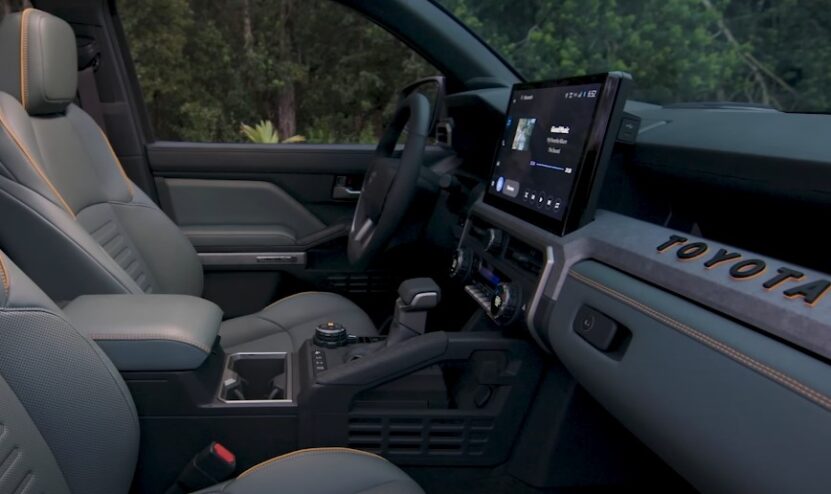
Interior design reflects not just style preferences but also how a vehicle supports passengers during long drives and daily use. BMW X5 focuses on refinement, spaciousness, and technological sophistication.
Toyota 4Runner delivers a more rugged, utilitarian setup, suitable for those prioritizing practicality over polish.
Space measurements speak volumes. BMW X5 provides greater interior room across nearly every dimension, especially in second-row legroom and headroom. Cabin feels open and airy, supported by large windows and a panoramic moonroof.
Toyota 4Runner, while functional, feels tighter in the second row and more confined with the third row in place.
Key differences in interior space include:
- BMW X5: ~39.8 in rear legroom, ~41 in front headroom
- Toyota 4Runner: ~32.9 in rear legroom, ~39.3 in front headroom
Material quality follows the same pattern. X5 offers soft-touch surfaces, open-pore wood trim, ambient lighting, and stitched leather-like dashboards. Controls feel solid and polished. 4Runner uses more hard plastics, rubberized knobs, and fabrics designed to handle dirt and wear.
Infotainment systems highlight the technology divide. BMW’s iDrive system feels fast, customizable, and packed with features, while Toyota’s setup is more functional but basic in comparison.
BMW X5 technology features include:
- 3-inch curved digital display cluster
- 3-inch touchscreen with voice control
- Wireless Apple CarPlay and Android Auto
- Gesture control, wireless charging pad, and head-up display
- Heated, ventilated, and massaging seats (available)
Toyota 4Runner technology offers:
- 8-inch touchscreen with physical buttons
- Apple CarPlay and Android Auto (wired only)
- Basic navigation and voice commands
- Standard USB ports, manual climate control in lower trims
Convenience further favors the BMW X5. A hands-free liftgate, power-folding second-row seats, adaptive lighting with cornering function, and four-zone climate control are all available.
Toyota 4Runner keeps things simple, relying on manual adjustments and fewer modern amenities.
Which One is Right for You?
Choose the BMW X5 if luxury, efficiency, and advanced driving features are top priorities. Urban commuting, family comfort, and high-speed travel feel more refined in BMW’s package. Those who prefer clean, intuitive technology and a modern aesthetic will find a better fit in the X5.
Choose the Toyota 4Runner if off-road performance, durability, and mechanical simplicity are higher on the list. Drivers who spend time on trails, mountains, or in rugged environments will benefit from Toyota’s purpose-built suspension and drivetrain. Its resale value and mechanical reliability also make it ideal for long-term ownership.