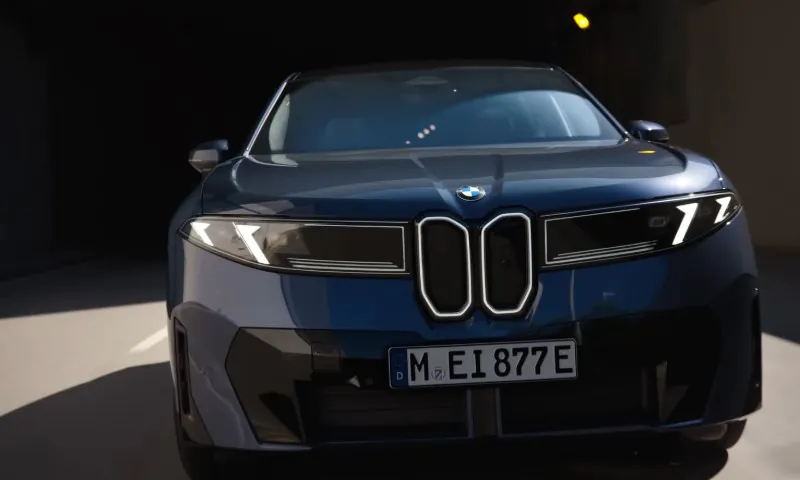


Let’s cut right to it: a used BMW F10 535i with 100,000 miles can still be a sharp, refined, and seriously enjoyable sedan — but only if it’s been maintained properly. You’re not looking at a hopeless money pit by default, but you are stepping into a car that demands a little respect, some mechanical awareness, and ideally, a service history that doesn’t read like a mystery novel.
If you’re hoping for a cheap luxury daily that won’t ever raise its hand for attention? This probably isn’t the car. But if you’re cool with keeping up with known wear points and not skipping oil changes, the reward is a car that still feels way more expensive than it costs.
What You’re Looking At

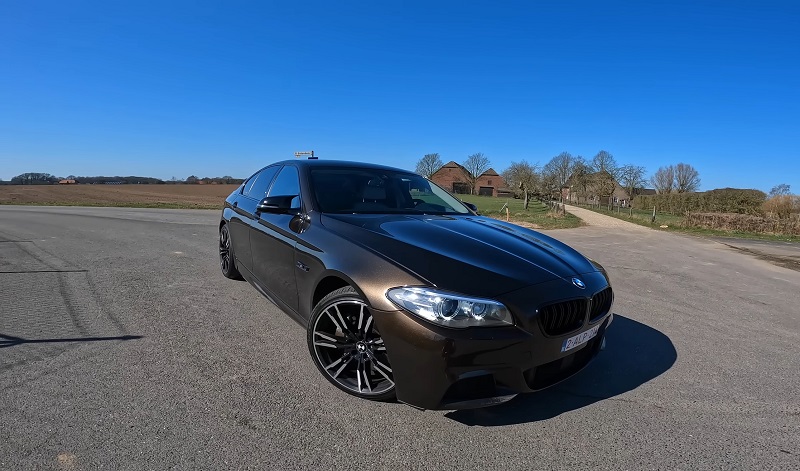
The F10 generation 535i ran from 2011 to 2016. It sits in the middle of the 5-Series range, right between the four-cylinder 528i and the V8-powered 550i. Under the hood, the 535i packs the N55 engine — a 3.0L turbocharged inline-six that’s well-loved for its smooth power and solid tuning potential.
Notable features:
- Rear-wheel drive (xDrive all-wheel drive available)
- 8-speed ZF automatic or rare 6-speed manual
- Around 300 hp and 300 lb-ft of torque stock
- Luxurious interior, even by modern standards
At 100k miles, the car’s well past the “new” phase — but a clean one still looks and drives like something more special than your average used sedan.
Is It Reliable at 100k Miles?
Short answer: It can be — if major maintenance has already been done.
The N55 engine is solid overall. It’s more reliable than the earlier N54 (twin-turbo) and less problematic than the N63 V8s found in the 550i. But you’re now in the window where wear items and common BMW quirks start surfacing more frequently.
You’re not buying a Camry here, but with regular service and smart ownership, it won’t necessarily bankrupt you either.
Common Issues at 100,000 Miles
Here’s where it gets real. A few issues tend to pop up around or just before the 100k mark — and knowing about them is half the battle.
1. Oil Filter Housing Gasket Leaks

Very common. The gasket between the oil filter housing and the engine block goes hard and brittle with age. When it leaks, oil drips onto the serpentine belt — not great.
- Fix cost: $400–$700
- Tip: Check for fresh oil around the passenger side of the engine bay or a belt that looks wet.
2. Valve Cover Gasket + Valve Cover
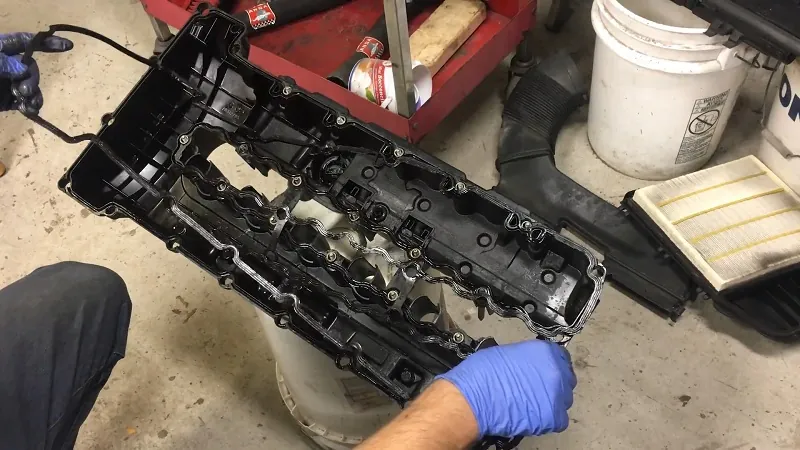
Yep, more gaskets. Expect the valve cover gasket to go around 80–100k. Sometimes, the entire plastic valve cover cracks, especially in cold climates.
Less common than in the older N54, but still possible. If the car stumbles under throttle or throws fuel pressure codes, the HPFP might be on its way out. Now, while the HPFP isn’t technically part of the turbo system, it’s closely related to how the engine manages boost and fuel under load. If you’re noticing performance issues and the HPFP checks out, it’s also smart to inspect the BMW turbo itself. Wastegate rattle or sluggish spool-up can sometimes show up around the 100k mark, especially if the car’s been tuned or driven hard. Electric water pumps — great for efficiency, but they do not last forever. Expect a failure around 90–110k miles. Not wildly common on the N55, but it’s happened. BMW supposedly updated the guides in later model years. If you’re hearing a rattle on a cold start, dig deeper. The ZF 8-speed automatic in the F10 is genuinely excellent — smooth, responsive, and durable. But BMW, in all their wisdom, called the transmission “lifetime fill.” In reality, you want to change the fluid around 60–70k miles. If you’re at 100k and it’s never been done, it’s not a deal-breaker — just plan on doing it soon. Here’s where age can sneak up on you. The F10 is a heavy sedan, and after 100k miles, you might feel the effects. Ballpark cost to refresh front suspension: $1,000–$1,800 You don’t need to do it all at once, but don’t assume a loose front end will tighten up with new tires. The F10’s cabin holds up better than you’d expect. Quality materials, soft leather, and a clean layout, it still feels premium. That said, electronics are aging. The HVAC system is generally solid, though blower motor regulators (aka final stage units) have been known to fail. If you’re serious about buying one, a little homework goes a long way. Here’s what to do before pulling the trigger: When it’s running well, the F10 535i is a joy. It’s quiet, composed, and makes highway miles disappear. The turbo-six has a nice, confident pull without being obnoxious, and the cabin isolates you from the world just enough. Fuel economy hovers around 20–22 mpg mixed driving — more on the highway if you’re gentle. It’s not a hybrid, and it’s not trying to be. Parking sensors, the excellent Harman Kardon system (if equipped), and adaptive headlights are all subtle things that make you appreciate how well BMW nailed the premium feel. Downsides? Parts cost more than your average mid-size sedan. And it’ll want premium gas, always. But if you’re going in with your eyes open, it’s not nearly as terrifying as some people would have you believe. If you’re okay with occasional maintenance bills, a used F10 535i with 100k miles can be a fantastic car. You’re getting a handsome, luxurious, powerful sedan that still turns heads, for a fraction of its original price. But it’s not a set-it-and-forget-it car. If you skip preventive maintenance, it will bite back. That said, if the service history checks out and you’re either handy with a wrench or have a good indie BMW shop nearby, you could do a whole lot worse. You’d probably have a hard time finding a more refined used car for under $15k that doesn’t feel like a total gamble. So yeah — go for it, just don’t go in blind. You’ll either thank yourself every time you step inside or curse the day you decided to save money over a newer Toyota. Maybe both.
3. High-Pressure Fuel Pump (HPFP)
4. Water Pump + Thermostat
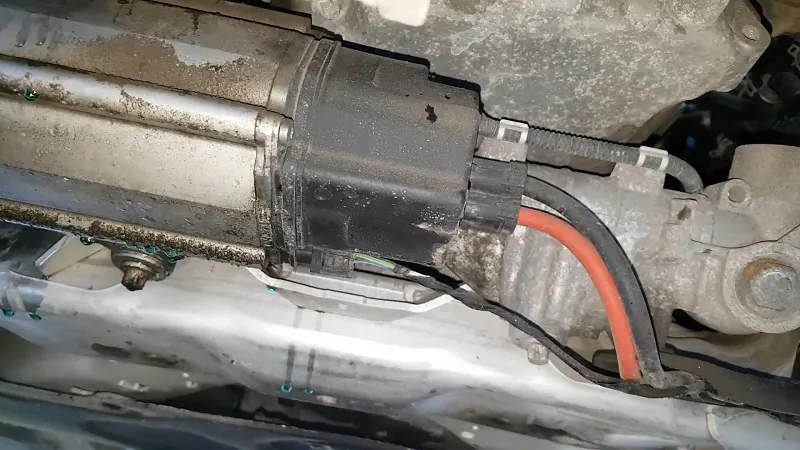
5. Timing Chain Guide Wear
What About the Transmission?
Suspension and Steering: Still Tight?
Things to check:
Electronics and Interior Wear
Known gremlins:
Practical Ownership Tips
Ask for:
Look for:
Consider:
Owning It: What It’s Like Day to Day
Common Parts and Repair Cost Snapshot
Component
Typical Failure Mileage
Approx. Cost (Parts + Labor)
Oil Filter Housing Gasket
80k–110k miles
$400–$700
Valve Cover + Gasket
80k–120k miles
$600–$1,200
Water Pump + Thermostat
90k–110k miles
$1,000–$1,400
Transmission Fluid Change
60k–100k miles
$400–$700
HPFP
80k–120k miles
$800–$1,500
Final Word: Worth It?