
Let’s be direct: 200,000 miles used to be the point where most cars were considered toast. Now? Not so much. Thanks to smarter engineering, better materials, and more people willing to put in the upkeep, it’s not rare to see cars cruising well beyond that milestone.
Still, just because your odometer rolls over 200K doesn’t mean your car automatically becomes a badge of honor—or a ticking time bomb. Whether to keep it, fix it, or finally move on is a personal decision. But it’s also one that should be grounded in facts, not just nostalgia or fear of car payments.
Let’s get into what really matters when deciding if that high-mileage ride of yours is still worth the space in your garage.
Why So Many Cars Can Go the Distance Now
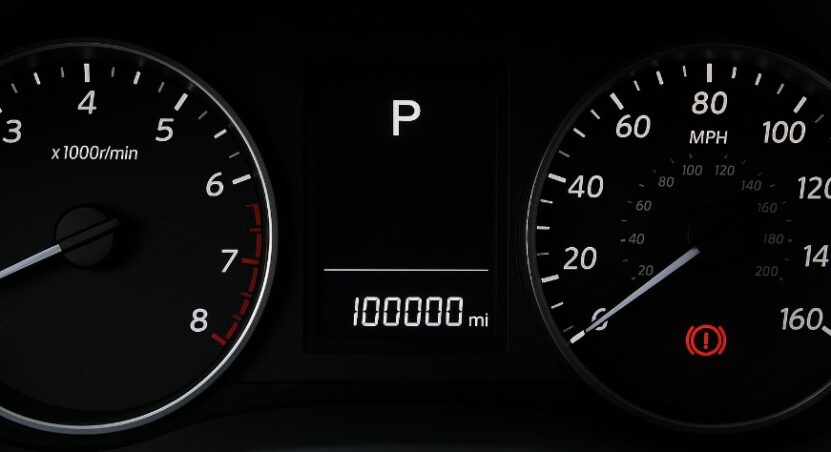
Back in the day, 100,000 miles was the unofficial expiration date. But cars built in the last 15 to 20 years are holding up way longer.
According to Consumer Reports, if you maintain your car well, the real savings show up after the 200,000-mile mark—because depreciation slows, and you’re not shelling out for a new car every few years.
What’s changed?
- Better engines and transmissions
- Improved rustproofing and materials
- More efficient fluids and lubricants
- Smarter onboard diagnostics
Brands like Toyota, Honda, Chevy, and Ford regularly show up on longevity lists. A 2010 Toyota Camry or Honda Accord with over 200K miles is hardly shocking anymore—especially if it’s been treated right.
Electric and hybrid vehicles are going even further. Way.com estimates they can hit 300,000 miles thanks to fewer moving parts and less wear on brakes (thanks to regenerative braking).
What Really Determines Whether It’s Worth Keeping
1. How You’ve Treated It So Far
Let’s not sugarcoat it: your car’s future depends on its past.
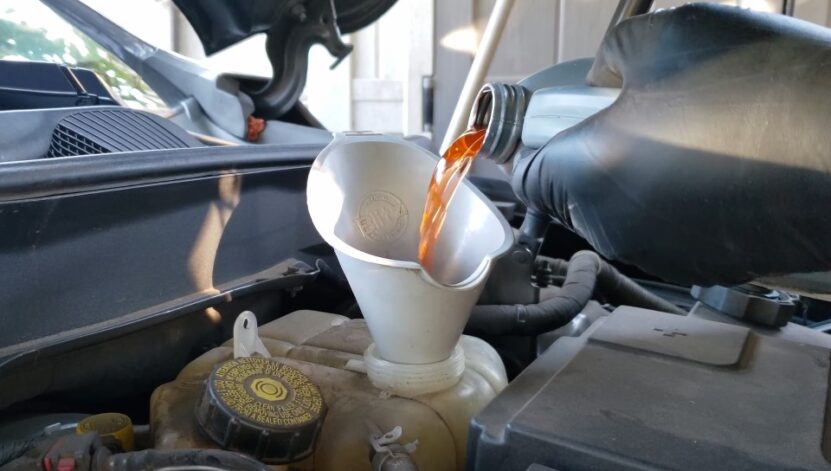
- Have you changed the oil regularly?
- Did you stick to your service intervals?
- Is there a maintenance log, or at least receipts somewhere in your glove box?
If you’ve kept up with the essentials—oil changes, timing belt, transmission fluid, brake checks—you’re ahead of the game. A well-loved car can easily coast past 200K.
But if it’s been patched up with duct tape and hope? That might be a different story.
Quick tip: Ask a trusted mechanic to do a full inspection. Pay the $100 or so. It’s worth it to know what you’re working with.
2. What Repairs Are Looming?
This is where it gets real. Some components just wear out over time. And some of those aren’t cheap.
Here’s a quick breakdown:
| Component | Typical Replacement Interval | Cost (Approx.) |
| Transmission | >100,000 miles | $7,927–$8,567 |
| Head Gasket | >150,000 miles | $4,503–$5,538 |
| Timing Belt | 60,000–100,000 miles | $500–$1,000 (average) |
| Water Pump | 60,000–90,000 miles | $300–$750 |
| Muffler/Exhaust | >100,000 miles | $737–$786 |
| Battery | Every 4–5 years | $100–$250 |
If you’re looking at back-to-back expensive repairs that equal or exceed your car’s value, it might not be worth sinking more cash into it.
But if the big stuff has already been handled, you could be in a good spot to squeeze a few more years out of it.
3. How Reliable Is Your Car’s Make and Model?
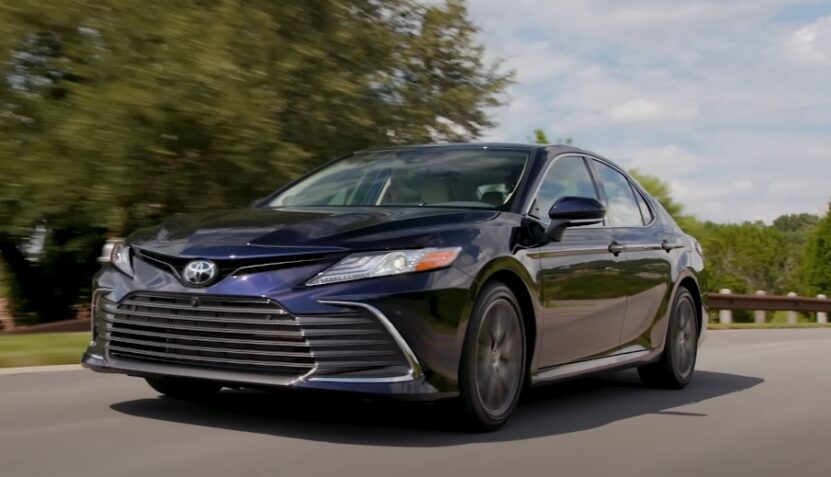
Not all vehicles are created equal. Some are built to go the distance; others are built to keep mechanics busy.
According to The Car Connection, brands that tend to handle high mileage better include:
- Toyota (Camry, Corolla, Tacoma)
- Honda (Accord, Civic, CR-V)
- Ford (F-150, Escape)
- Chevy/GMC (Silverado, Tahoe, Suburban)
If you’re driving something that’s consistently ranked for reliability, especially past 150,000 miles, then your odds are better.
A 2005 Honda Accord with 210K miles that’s been properly maintained could easily hit 250K or more without major drama. That’s real value.
4. Does It Still Fit Your Life?
A reliable old car isn’t much use if it doesn’t match your current needs.
Maybe you now need:
- More cargo space for road trips or work
- Advanced safety tech like automatic braking or lane assist
- Better gas mileage if your commute has changed
Or maybe the car still does everything you need, and the idea of a new $35,000 car loan makes your wallet curl up in fear. That’s valid too.
But be honest about how much longer the car realistically fits your lifestyle. Sentimental value won’t protect you in a crash if your car lacks modern safety gear.
5. The Real Cost of Keeping vs. Replacing
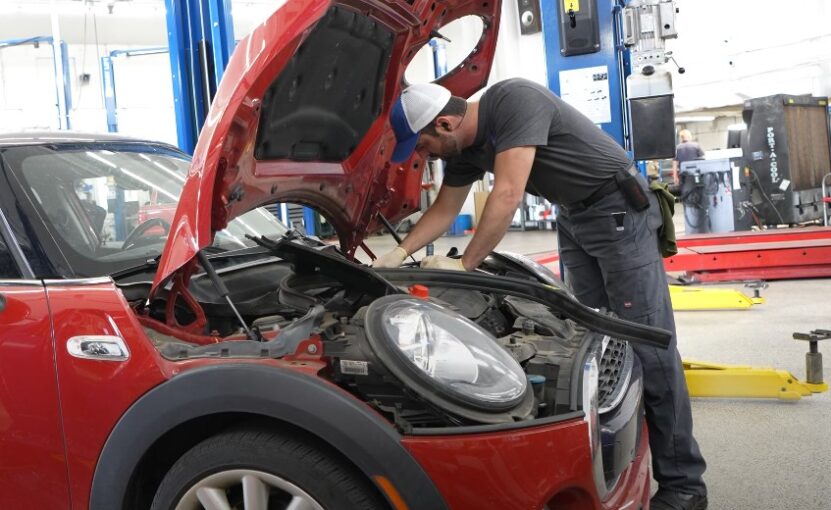
New cars are pricey. Even modest sedans average around $30,000, and a decent minivan? Try $35,000+, per Hogan & Sons.
Used cars aren’t exactly cheap anymore either.
But keeping a high-mileage car means budgeting for repair spikes. So, ask yourself:
- Can I handle a surprise $2,000 repair without panicking?
- Does the car still feel safe and trustworthy on long drives?
- How much am I saving by keeping this versus buying another?
If you’re constantly dropping $500 here and $800 there, it might be time to crunch the numbers. Sometimes a car becomes a money pit. Other times, it just needs some TLC and you’re good to go.
Warning Signs It Might Be Time to Let Go
Here’s when it’s probably time to move on:
- Major repairs exceed the car’s value
- Severe rust, especially structural (rocker panels, frame, floorboards)
- Flood damage history
- Regular breakdowns or safety issues
- It no longer fits your daily needs
If your mechanic winces every time you pull into the lot, that’s a clue.
Also, insurance may become a factor. Some older cars are harder to cover or don’t justify comprehensive coverage anymore, especially if the payout wouldn’t be worth it after a crash.
In such cases, consider selling your car to JunkCarsUs, which offers cash for vehicles in any condition.
How to Keep a High-Mileage Car Running Strong
If you’re committed to keeping your ride alive, great—you’ve got options.
Here’s how to do it smart:
Stick to Your Maintenance Schedule
The owner’s manual isn’t just for decoration. Follow it. Oil changes, brake fluid, coolant flushes—it all matters more after 200K.
Address Problems Early
Don’t ignore weird sounds or dashboard lights. That “small noise” can become a $2,000 issue fast.
Upgrade to High-Mileage Oil
View this post on Instagram
Once you pass 75K–100K miles, switch to high-mileage engine oil. It helps condition seals and reduce wear.
Use Quality Parts
Yes, you’ll pay more upfront. But they’ll last longer and perform better than bargain-bin replacements.
Drive Smarter
Ease into acceleration. Don’t ride the brakes. Avoid hard shifting. Treat it gently and it’ll return the favor.
Keep It Clean
Wash off road salt and grime, especially in winter. Regular detailing helps catch rust and wear before they snowball.
The Big Picture
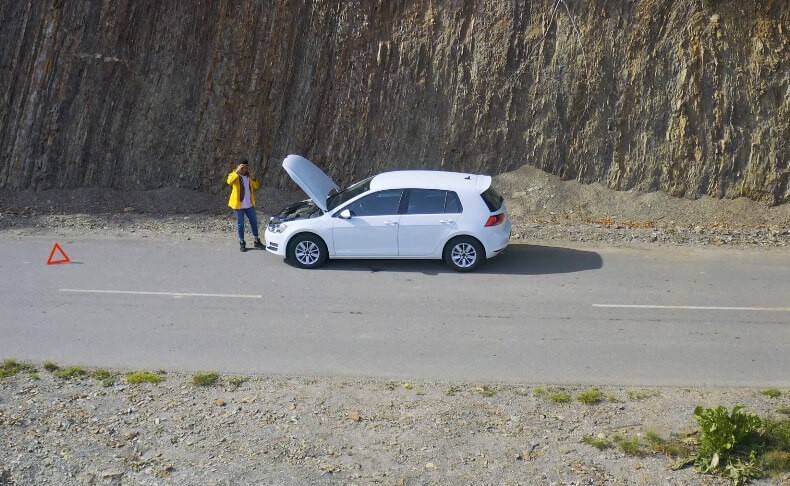
Cars are lasting longer. The average vehicle on the road is now about 12 years old with 150,000 miles, and it’s not unusual to push them well past that.
People are rethinking the idea of buying new every few years—especially when prices are sky-high and new tech feels like overkill for some.
And if you’re driving an electric or hybrid? You might be riding that thing all the way to 300,000 miles.
So, Should You Keep It?
If your high-mileage car…
- Has been well-maintained
- Doesn’t need major repairs right now
- Still fits your life and feels safe
…then yes, it might make a lot of sense to keep driving it. Put a little money into maintenance and let it keep saving you from car payments.
But if it’s costing more than it’s worth, stressing you out, or just can’t keep up with your needs, it’s okay to let it go.
Either way, knowing what to look for—and what to plan for—makes all the difference.