
Whether you’re shopping for a new pickup, trying to figure out why your fuel economy isn’t what you expected, or just curious about what’s going on under the hood, one question tends to pop up often: What’s the real difference between diesel and gasoline engines?
Sure, they both burn fuel and power everything from sedans to semis, but that’s about where the similarities end. The way they generate power, how they perform, how long they last, and even how they sound—all of it varies.
And those differences matter, especially when you’re deciding what kind of engine best suits your driving style, work needs, or long-term budget.
Let’s break it down piece by piece, no fluff, just practical knowledge from someone who’s spent more than a few afternoons elbow-deep in both types.
Fuel
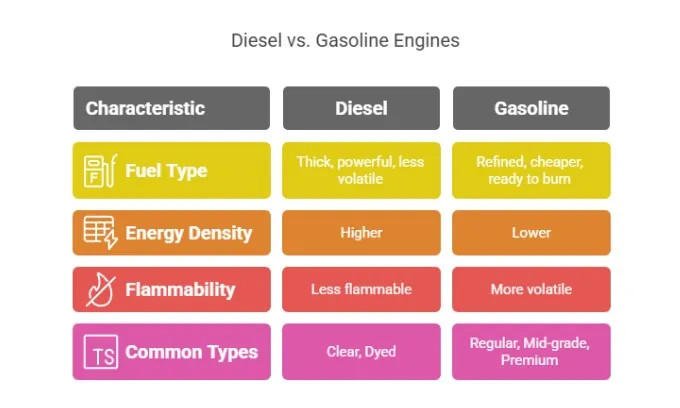
Here’s how the fuel stacks up for both:
For Diesel, It’s Thick, Powerful, and Less Volatile
Diesel fuel is heavy-duty stuff. It’s thicker and packs more energy per gallon than gasoline. That higher energy density means you’re squeezing more out of every drop. Diesel is also less flammable, which is why it needs intense compression to ignite instead of a spark.
There are two common types:
- Clear Diesel: Used for regular road vehicles. It’s light-green and meets strict emissions standards.
- Dyed Diesel: Bright red, blue, or purple, depending on the application. It’s reserved for off-road use—think tractors, generators, or heavy equipment—and it’s illegal to use on public roads due to higher sulfur content.
For Gasoline, It’s Refined, Cheaper (Usually), and Ready to Burn
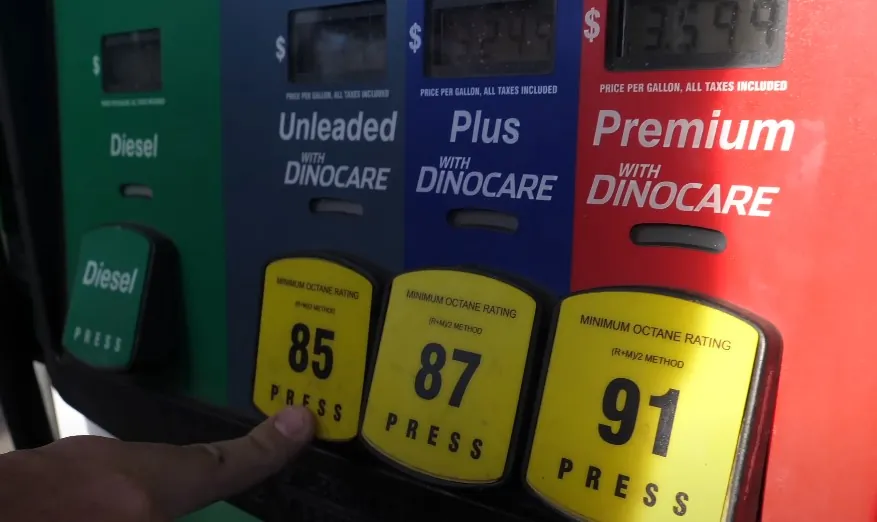
Gasoline is more volatile and burns cleaner, but it carries less energy per gallon. You’ll find it at the pump in three grades:
- Regular (87 octane): Perfectly fine for most everyday cars.
- Mid-grade (89–90 octane): A little extra cushion against engine knock.
- Premium (91–94 octane): Required for performance cars or turbocharged engines to keep combustion smooth.
How They Ignite
Diesel – Heat and Pressure
Diesel engines run on compression ignition. Here’s how it works: they suck in only air, then compress it so tightly that it heats up to a crazy degree—hot enough to ignite fuel without a spark. Then, a precise squirt of diesel gets injected directly into the cylinder, and boom—combustion.
Compression ratios range from 14:1 all the way up to 23:1. That’s a lot of squeezing, which is part of why diesel engines need to be built like tanks.
Gasoline – Sparks and Simplicity
Gasoline engines take in both air and fuel, mix them together, then use a spark plug to ignite the blend. Compression ratios here are much lower—usually between 8:1 and 12:1—to prevent something called “knocking” (a premature explosion in the cylinder that’s bad for your engine).
That spark plug system makes for a smoother, more responsive engine—but adds extra parts that can fail over time.
Fuel Efficiency
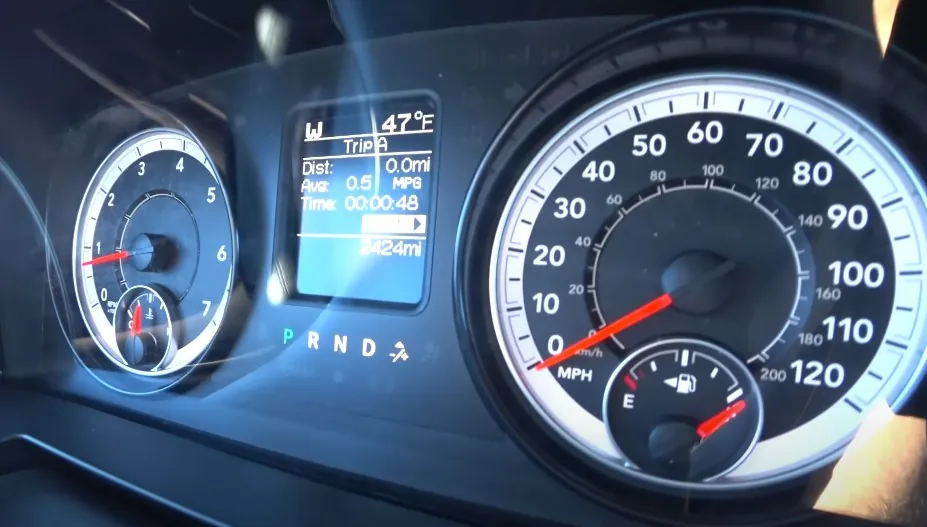
Diesel engines shine on long hauls. They’re roughly 20% more thermally efficient than gasoline engines, meaning less fuel wasted as heat.
Take the Chevy Silverado 1500, for example:
| Engine | City MPG | Highway MPG | Combined |
| 3.0L Diesel | 22 | 27 | 24 |
| 2.7L Gasoline | 18 | 21 | 19 |
That kind of difference adds up if you’re clocking 15,000+ miles a year, especially on highways.
Gasoline engines, however, tend to do better in stop-and-go traffic. They’re lighter, quicker off the line, and less complex to keep running clean in short bursts.
Power Delivery
Let’s talk about how power actually feels.
With Diesel, It’s All About That Torque
Diesel engines produce massive torque at low RPMs—the kind of pull you need when towing a trailer, climbing steep hills, or moving heavy equipment. That same Silverado 1500 we mentioned? The 3.0L diesel version makes 495 lb-ft of torque.
With Gasoline, It’s About High-Revving Power
Gasoline engines are tuned for higher horsepower, especially at high RPMs. They rev faster and deliver power in a more linear way, which feels zippy and responsive. The 2.7L gas engine in the Silverado still gives you 310 horsepower, compared to the diesel’s 305.
Longevity and Reliability
Here’s where diesel really flexes.
Diesel
Diesel engines are designed for long life and punishing workloads. With regular maintenance, many diesel engines can hit 500,000 to 1 million miles—no joke. That’s why you see so many old diesel trucks still rolling strong.
They also have fewer moving parts. No spark plugs. And in many heavy-duty setups, the cylinders have replaceable liners, so even worn-out components can be swapped without rebuilding the whole block.
Components like the piston pin, which connects the piston to the connecting rod, play a huge role in helping diesel engines withstand extreme pressures over hundreds of thousands of miles.
Gasoline
Most gasoline engines start showing wear at around 120,000 to 150,000 miles. They run hotter, rev higher, and gasoline itself doesn’t lubricate as well as diesel fuel. Over time, that adds up to more friction, more corrosion, and more maintenance.
Ownership Costs
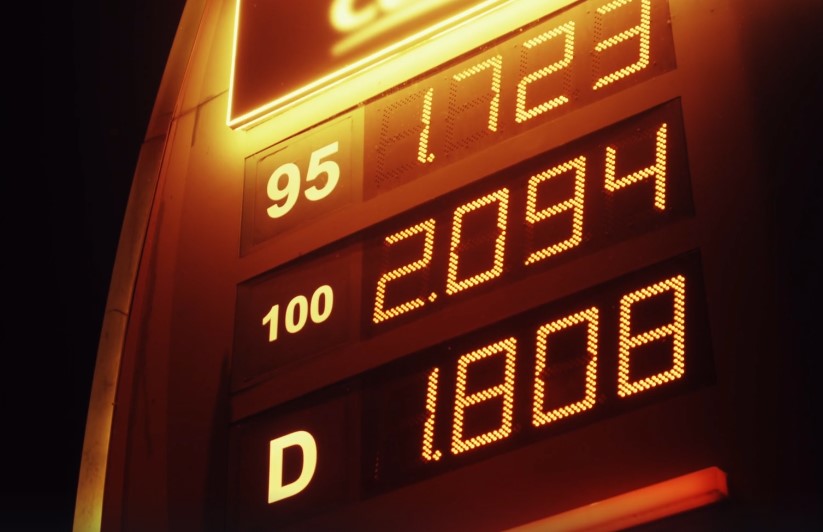
| Cost Category | Diesel | Gasoline |
| Initial Price | Higher (e.g., $2,500 more for Silverado) | Lower |
| Fuel | Higher per gallon, but better MPG | Lower price, higher consumption |
| Maintenance | More frequent, more expensive | Cheaper, simpler |
| Lifespan | Longer | Shorter |
If you’re a high-mileage driver—say, 15,000+ miles per year—especially on highways, the fuel efficiency and lifespan of diesel may save you money in the long run.
If you’re mostly making short trips around town? Stick with gas. You’ll avoid the higher upfront costs and the stricter maintenance routines.
Emissions

Diesel engines have a reputation for being dirty—and they were—but things have changed.
Diesel (Dirtier Past, Cleaner Present)
Older diesels emitted more nitrogen oxides (NOx) and particulate matter, which are bad for air quality. But modern diesel engines use tech like:
- Diesel Particulate Filters (DPF)
- Selective Catalytic Reduction (SCR)
- AdBlue or DEF injection
Those systems cut harmful emissions dramatically. Some new diesels even release exhaust that’s cleaner than the air they suck in.
Gasoline (Fewer Particulates, More VOCs)
Gasoline engines emit less NOx and PM, but they push out more carbon monoxide (CO) and volatile organic compounds (VOCs). Depending on the setup, emissions can still be harmful—just different in composition.
A study from the European Automobile Manufacturers’ Association showed that new diesels with emissions controls often outperform gas engines in real-world pollution tests.
Sound and Feel
@auto_oasis_ltd Thank Me Later ? Difference Between Diesel & Petrol Sounds. #viral #VIRAL #viralvideo #viraltiktok #virall #viral_video #viralvideos #viralditiktok #fyi #FYI #fyip #fyipage ♬ original sound – auto_oasis_ltd??
Diesel Is Louder, Grumbly
Even today, diesel engines make more noise. That high-compression ignition causes knocking and vibration that’s tough to suppress completely. Cabin insulation helps, but if you’re outside the vehicle, it’s easy to tell a diesel by its clatter.
Gasoline Is Smoother, Quieter
Gas engines are quieter and smoother overall. For most passenger vehicles, that makes for a more pleasant ride. You’ll notice the difference most in older diesel trucks or agricultural equipment, where refinement wasn’t a top priority.
Where They’re Used
You’ll see diesel engines wherever durability, efficiency, and torque matter most:
- Heavy-duty trucks
- Buses
- Tractors and farm equipment
- Construction machinery
- Long-distance cargo haulers
Gasoline engines are still king for:
- Passenger cars
- Light trucks and SUVs
- Sports cars
- Urban commuting
So if your daily grind involves hauling gear or burning miles on the interstate, diesel might be worth it. But for city driving or quick weekend getaways? Gasoline has the edge.
Market Trends
Diesel isn’t dead—but it is evolving.
According to the National Automobile Dealers Association (NADA), new light-vehicle sales in the U.S. decreased by 8.2% in 2022 compared to 2021, primarily due to the ongoing semiconductor microchip shortage and additional supply chain disruptions.
In Europe, though, diesel’s share of new car sales plummeted—from 48% in 2015 to well below that today, as per Just-Auto. Stricter emissions rules and rising costs to meet Euro 6 standards have shifted many buyers toward hybrids and electrics.
Gasoline engines still dominate American roads, but they’re starting to lose ground to EVs too. Both diesel and gas are slowly giving up market share to battery-powered options.
Final Thoughts
Choosing between diesel and gasoline isn’t just a question of preference—it’s a strategic call based on how, where, and how much you drive.
Go diesel if:
- You rack up lots of highway miles
- You tow, haul, or work your truck hard
- You want something that’ll go 500K+ miles with proper care
Go gasoline if:
- You mostly drive short distances
- You care more about up-front costs and smooth rides
- You’re in an area where diesel costs way more per gallon
Either way, there’s no one-size-fits-all. Both engines have their place, and knowing what they’re built to do helps you choose what’s right for you—not just today, but years down the road.