
BMW’s B58 has built a strong reputation for performance, tuning potential, and solid modern BMW reliability.
Introduced as the successor to the N55, the 3.0-liter turbocharged inline-six now powers everything from compact coupes to flagship luxury sedans.
Ownership costs vary much more than engine reliability alone suggests.
Fuel, insurance, depreciation, tires, brakes, AWD hardware, suspension, electronics, and model-specific parts can turn one B58 BMW into a sensible used buy and another into a major financial commitment.
Ranking below considers the complete vehicle, not just the engine.
| Rank | BMW Model | Key Spec | Main Ownership-Cost Factors |
| 10 | BMW M140i | Roughly 340 hp | Smaller tires and brakes, lower weight, fewer luxury systems |
| 9 | BMW 340i | Roughly 322 hp | Aging components, cooling system, suspension, modified examples |
| 8 | BMW M240i | 382 hp in current generation | Performance tires, insurance, newer pricing, xDrive complexity |
| 7 | BMW M340i | Higher output than F30 340i | Larger tires, bigger brakes, xDrive, newer electronics |
| 6 | BMW X3 M40i | Up to 4,400-lb towing capacity | AWD, larger tires, higher weight, mild-hybrid hardware |
| 5 | BMW Z4 M40i | 382 hp with B58B30O1 | Convertible roof, performance tires, insurance |
| 4 | BMW 540i | B58B30M2 on newer 540i xDrive models | AWD, mild hybrid, suspension, electronics |
| 3 | BMW X6 xDrive40i | 375 hp, $74,500 starting MSRP for 2025 | Large tires, high weight, AWD, fuel use |
| 2 | BMW 840i | About 335 hp, $90,800 starting MSRP for 2025 Coupe | Tires, brakes, electronics, depreciation |
| 1 | BMW 740i | 375 hp, $96,400 starting MSRP for 2025 | Suspension, electronics, large brakes, depreciation |
10. BMW M140i – Cheapest B58 BMW to Own
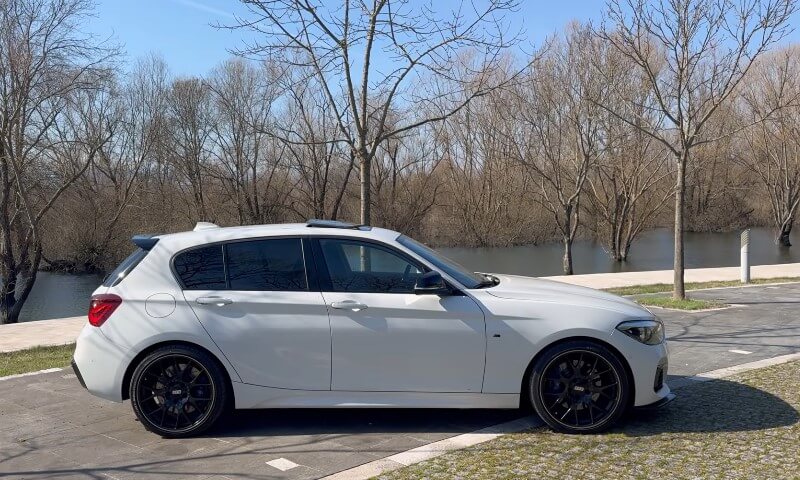
M140i models offer one of the lowest-cost entries into B58 ownership, especially in European markets.
Roughly 340 hp sits inside a relatively light three-door or five-door hatchback, keeping many recurring expenses below those of larger BMWs.
Several factors help control ownership costs:
- Smaller tires and brakes cost less than comparable parts for larger BMWs.
- Lower curb weight reduces wear on suspension and braking components.
- Older examples have already absorbed a large share of their depreciation.
- Fewer high-end luxury systems mean fewer expensive electronic components.
Age and modification history matter.
Owners planning their own upgrades can find B58-specific tuning software and performance parts through TunePoint Europe, including options for:
- Intake
- Cooling
- Fueling
- Exhaust modifications
Cheap examples can become expensive quickly if previous owners increased boost, skipped maintenance, or fitted poor-quality parts.
9. BMW 340i – Affordable Sedan With an Early B58
F30 340i models introduced the B58 to the 3 Series with roughly 322 hp.
Used prices are now relatively approachable, while broad 3 Series production supports strong parts availability and specialist knowledge.
Early cars also avoid some of the mild-hybrid equipment fitted to newer B58 BMWs.
Higher-mileage examples still require careful inspection. Cooling-system components, suspension wear, neglected fluids, and tuning history deserve attention before purchase.
For buyers prioritizing value, a well-maintained 340i can provide strong B58 performance without newer-BMW pricing.
8. BMW M240i – Serious Performance Without Flagship Costs
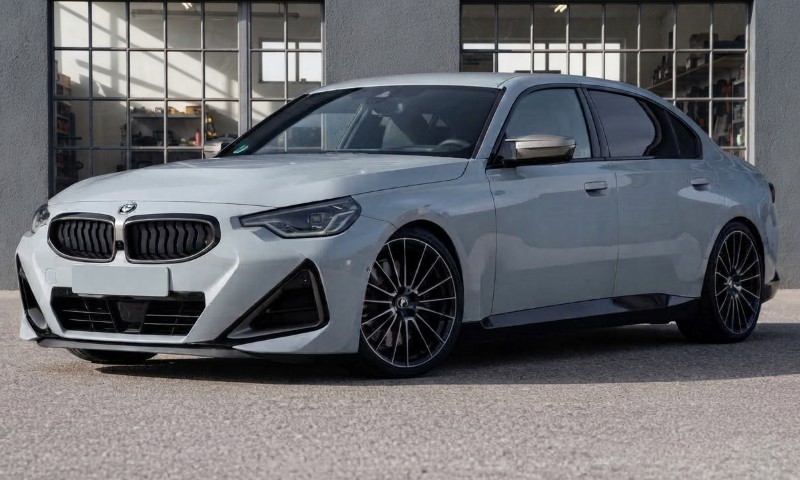
M240i models place the B58 inside a compact coupe, and current-generation versions produce 382 hp. Smaller dimensions help keep ownership costs below larger performance sedans and SUVs.
Consumable expenses stay relatively controlled because the car uses less tire, brake, and suspension hardware than BMW’s heavier luxury models.
Newer pricing pushes the M240i above older M140i and 340i examples. xDrive versions also add front drivetrain components and extra service requirements.
Insurance and performance tires can still be expensive, but overall ownership complexity stays moderate by B58 standards.
7. BMW M340i – A Strong Middle Ground
M340i models pair newer B58 performance with the practicality of a 3 Series sedan.
Power output is considerably higher than the original F30 340i, but ownership costs have also increased.
Most added expenses come from newer hardware:
- Larger performance tires raise replacement costs.
- Bigger brakes cost more when pads and rotors are due.
- xDrive adds drivetrain components on many examples.
- Newer electronics increase repair complexity.
Widespread 3 Series parts support helps offset some of those costs. Moderate size and weight also keep tire, brake, and suspension bills below large-SUV levels.
M340i ownership sits near the center of the B58 range in both performance and running costs.
6. BMW X3 M40i – Performance SUV Costs Start Appearing

X3 M40i models take the M340i formula and add SUV size, standard AWD, more weight, and greater practicality.
Towing capacity reaches as much as 4,400 pounds in applicable configurations.
Added mass directly affects operating expenses. Larger tires cost more, heavier weight increases brake and suspension wear, and fuel use is higher than in a comparable 3 Series.
Newer versions also add mild-hybrid hardware, increasing technical complexity.
One advantage is versatility.
Owners can use the X3 M40i as a family vehicle, commuter, road-trip car, tow vehicle, and performance SUV without maintaining a separate second car.
5. BMW Z4 M40i – Sports-Car Costs Around a Reliable Engine
Z4 M40i models use the B58 in a rear-wheel-drive roadster.
Versions equipped with the B58B30O1 produce 382 hp, with automatic and newer manual-transmission configurations available.
Roadster-specific expenses push ownership costs upward.
Convertible roof hardware adds mechanical and electronic components. Performance tires can be costly, while insurance may also run higher depending on the driver and location.
Limited passenger and cargo space can create an indirect expense if the Z4 must be paired with another vehicle.
Shared engineering with the Toyota GR Supra helps parts availability, and the RWD layout is less complicated than BMW’s large AWD luxury models.
4. BMW 540i – Executive Luxury Changes the Math
540i models move B58 ownership into executive-sedan territory.
Newer 540i xDrive versions combine the B58B30M2 with AWD and mild-hybrid assistance.
Used depreciation can make purchase prices attractive, but maintenance costs still match the car’s luxury positioning.
Potential expenses include:
- Larger tires and brakes
- More advanced suspension hardware
- AWD components
- Mild-hybrid equipment on newer cars
- Additional cameras, screens, modules, and comfort electronics
Weight also raises consumable wear compared with a 3 Series.
A used 540i can therefore cost far less to buy than it did new while still carrying executive-sedan repair bills.
3. BMW X6 xDrive40i – Big SUV, Big Consumables
A 2025 BMW X6 xDrive40i started at $74,500 and paired a 375-hp B58 with mild-hybrid assistance.
Large dimensions create expensive recurring costs. Big wheels require expensive tires, while high curb weight increases brake and suspension wear.
AWD adds more drivetrain hardware, and fuel consumption is higher than in smaller B58 models.
Body parts, lighting systems, cameras, sensors, and interior components can also become costly after warranty coverage ends.
B58 reliability helps, but vehicle size has a bigger effect on day-to-day ownership costs.
2. BMW 840i – Grand-Touring Luxury Comes at a Price
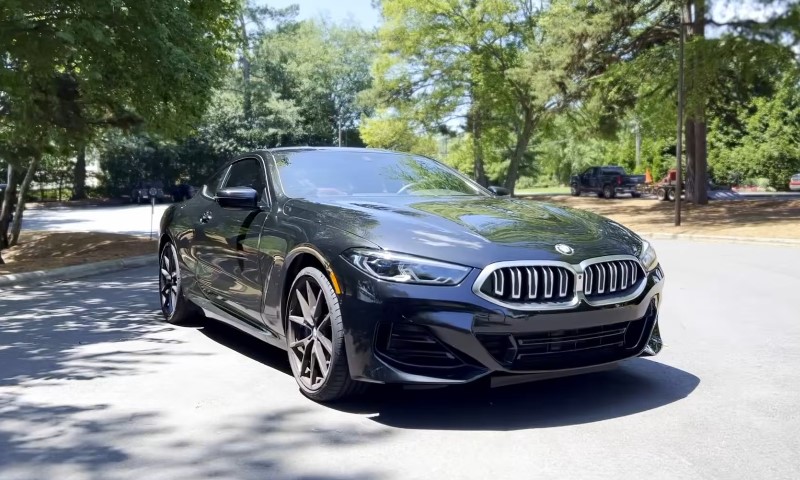
A 2025 BMW 840i Coupe started at $90,800 before xDrive. Versions using the B58B30M1 produce about 335 hp.
Depreciation can make used examples look surprisingly affordable. Repair economics do not fall at the same rate as resale values.
Major ownership-cost areas include:
- Large performance tires
- Expensive brake components
- Advanced electronics
- Model-specific body and interior parts
- Coupe and convertible hardware
- High insurance costs in some markets
Used purchase prices can therefore be misleading. Maintenance still reflects a car that originally cost around $90,000 or more.
1. BMW 740i: Most Expensive B58 BMW to Own
View this post on Instagram
A 2025 BMW 740i started at $96,400, while the xDrive version started at $99,400. Its B58 uses a 48-volt mild-hybrid system and produces 375 hp.
Flagship hardware puts the 740i at the top of the ranking.
Costly ownership areas include:
- Large wheels, tires, and brakes
- Advanced suspension systems
- Extensive comfort electronics
- Cameras, displays, control modules, and motors
- Expensive body and interior components
- Labor-intensive repairs
- Heavy depreciation
Used prices can fall sharply, but repair bills still reflect the car’s original six-figure position in BMW’s lineup.
B58 reliability is rarely the biggest financial concern here. Complexity surrounding the engine creates the real expense.
Summary
B58 reliability makes many modern six-cylinder BMWs easier to own than their performance suggests. High production numbers also help with engine-related parts availability.
Cost differences become clear once chassis size, weight, electronics, AWD systems, suspension, and luxury equipment enter the equation.
Engine choice matters, but vehicle complexity usually decides how expensive B58 ownership becomes.