
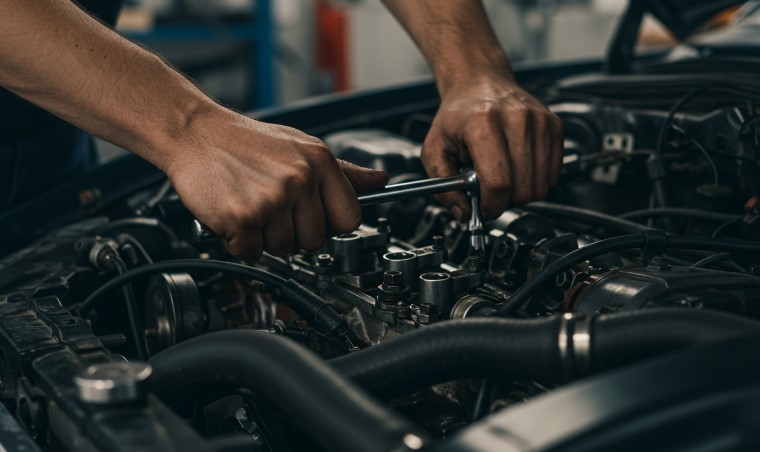
Driving gives us freedom. But it also comes with responsibilities that show up when we least expect them—like when your engine gives out or your hybrid battery dies well before your next vacation.
Some car repairs go way beyond an oil change or new brake pads—they can cost thousands of dollars and leave you wondering whether it’s even worth fixing the car at all.
So, let’s break it down. What are the most expensive car repairs out there, why do they cost so much, and more importantly—what can you do to avoid them?
Most Expensive Repairs at a Glance
| Rank | Repair Type | Cost Range | Main Cost Driver | Smart Tip |
| 1 | Engine Replacement | $7,000–$10,000 | Part cost + labor | Change oil, avoid overheating |
| 2 | Hybrid Battery | $6,000+ | Expensive materials | Avoid extreme temps |
| 3 | Transmission Replacement | $4,000–$5,000 | Complex installation | Service fluid regularly |
| 4 | Airbag Replacement | $2,500–$4,000 | Interior teardown, safety components | Drive defensively |
| 5 | Suspension Overhaul | $2,500–$3,500 | Multiple components | Avoid rough roads |
| 6 | Catalytic Converter | $1,500–$2,750 | Precious metals, emissions compliance | Use quality fuel, consider theft shields |
| 7 | Head Gasket | $1,030–$2,149 | Labor hours | Watch coolant levels |
| 8 | Clutch Replacement | $1,200–$1,500 | Transmission removal | Smooth shifting |
| 9 | Alternator Replacement | $610–$1,425 | Part cost | Monitor electrical issues |
| 10 | Fuel Injector Replacement | $634–$1,325 | Part precision + labor | Use premium fuel |
1. Engine Replacement or Major Engine Repairs
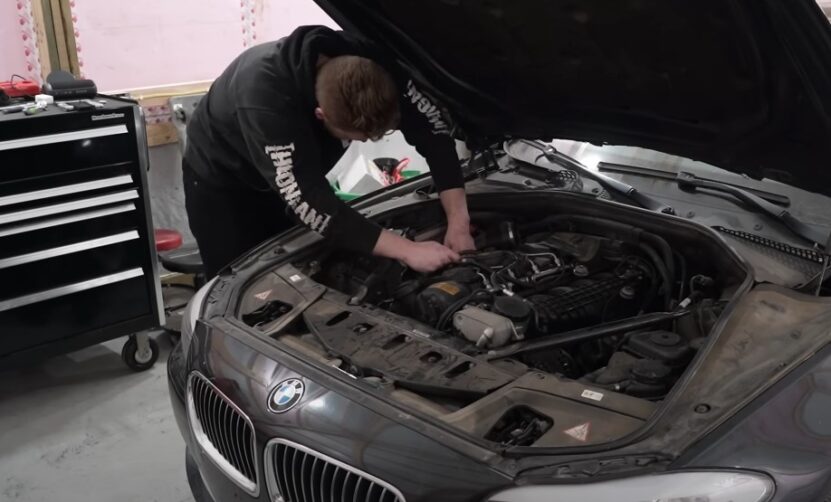
Estimated Cost: $7,000–$10,000
If your engine fails, you’re not just looking at a hefty bill—you’re possibly facing the end of your car’s usable life.
Whether it’s due to severe overheating, warped cylinders, or piston damage, a major engine repair is one of the most labor-intensive fixes in the auto world.
It often requires pulling the entire engine out of the vehicle, diagnosing internal issues, and either rebuilding or replacing it entirely.
Why It Costs So Much?
- The engine itself is incredibly expensive
- Requires hours of expert labor
- Often involves other parts—like sensors or belts—needing replacement too
Tip: Regular oil changes, monitoring coolant levels, and taking the “check engine” light seriously can go a long way, so, be prepared for those invisible little repairs.
2. Hybrid Battery Replacement
Estimated Cost: $6,000+
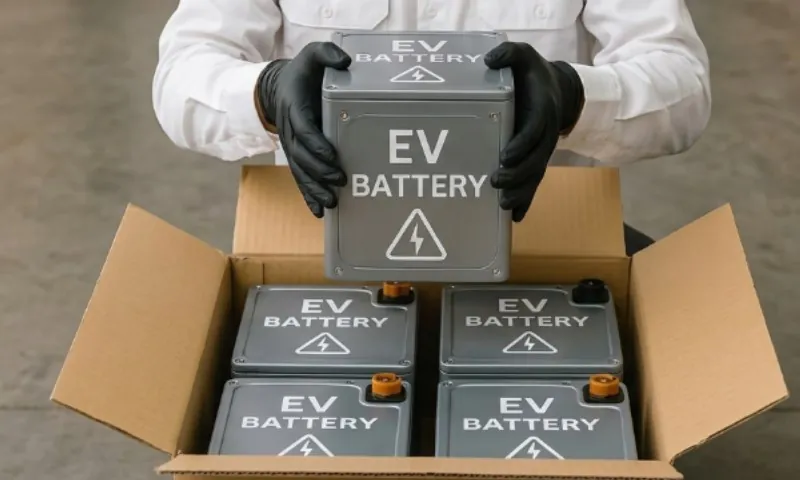
Hybrids are great for saving fuel—but when the battery goes, it can be a gut-punch. These batteries are made of complex cells and work with your vehicle’s onboard computer systems. They’re not like the $150 battery at your local auto store.
Why It Costs So Much?
- Uses rare, expensive materials
- Needs precise calibration with your vehicle
- Not DIY-friendly—requires a trained tech
Tip: Avoid exposure to extreme temperatures, keep your hybrid serviced regularly, and ease off rapid acceleration when you can.
3. Transmission Replacement
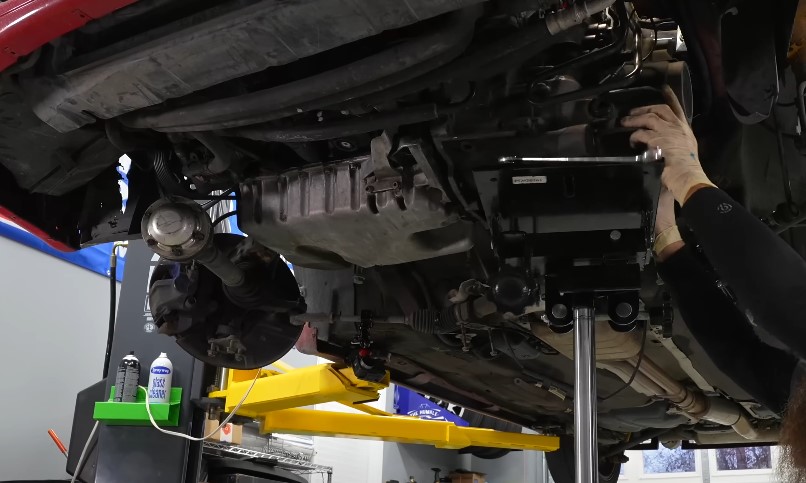
Estimated Cost: $4,000–$5,000
Think of the transmission as the middleman between your engine and your wheels. It makes your car move—and if it fails, the entire car’s function is compromised. Whether automatic or manual, the transmission has countless parts that wear down over time.
Why It Costs So Much?
- Takes hours to remove and replace
- Part prices vary drastically by car type
- Rebuilding a transmission can be just as pricey
Tip: Change your transmission fluid regularly and never ignore slipping, grinding, or odd noises when shifting.
4. Airbag Replacement (After Deployment)
Estimated Cost: $2,500–$4,000
If your airbag has deployed, you’re paying not just for the bag itself—but for all the surrounding hardware: sensors, modules, even parts of the steering wheel or dashboard.
Why It Costs So Much?
- Safety-critical system = strict standards
- Replacement requires tearing apart interior
- Often tied to insurance claims or total loss decisions
Given these potential expenses, young drivers should consider insurance for young drivers that covers such safety-critical systems.
Tip: The best way to avoid this cost is to avoid accidents—defensive driving really does pay off.
5. Suspension Overhaul
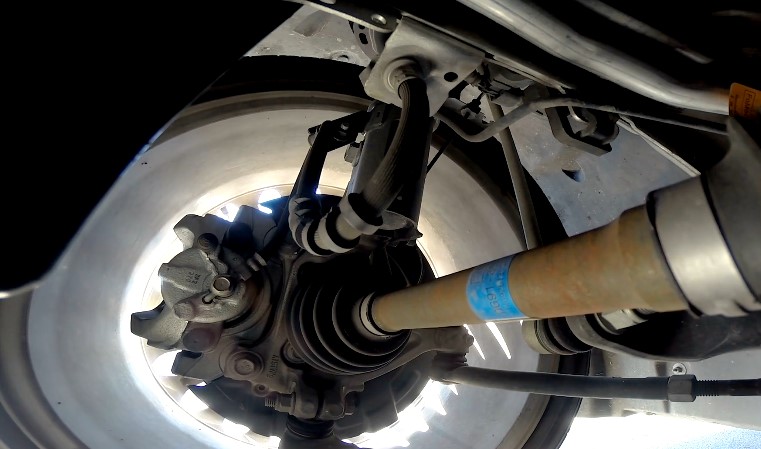
Estimated Cost: $2,500–$3,500
Your suspension keeps the ride smooth and safe. But when it’s shot—due to potholes, rust, or age—you’re in for a big bill. A full overhaul often means replacing shocks, struts, control arms, and bushings.
Why It Costs So Much?
- Multiple parts replaced together for balance
- Labor requires lifting the vehicle and working in tight spaces
- Often discovered during inspections—not routine maintenance
Tip: Slow down on rough roads and rotate your tires regularly to catch suspension wear early.
6. Catalytic Converter Replacement
View this post on Instagram
Estimated Cost: $1,500–$2,750
Your catalytic converter filters harmful emissions before they exit your exhaust. But because it contains precious metals like platinum and rhodium, it’s both expensive and a frequent target of theft.
Why It Costs So Much?
- Contains precious metals
- Located under the car—prone to damage or theft
- Required to pass emissions tests
Tip: Park in safe, well-lit areas, consider anti-theft shields, and never use low-grade fuel.
7. Head Gasket Replacement
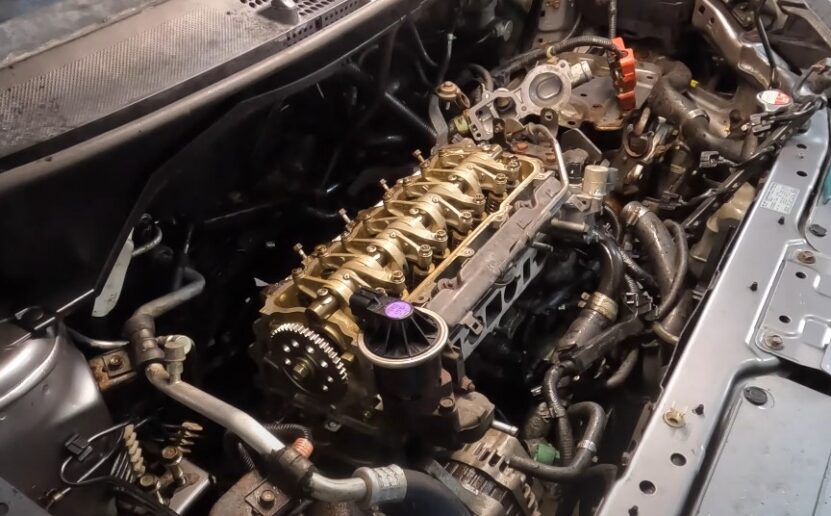
Estimated Cost: $1,030–$2,149
It’s a $20 part that can cause a $2,000 headache. The head gasket sits between the engine block and cylinder head, keeping oil and coolant in their lanes. But if it fails? You’re looking at an engine teardown.
Why It Costs So Much?
- Repair requires removing half the engine
- Labor-intensive—often 10+ hours of shop time
- Can lead to further engine damage if ignored
Tip: Don’t let your car overheat. Keep coolant levels topped off and address temperature spikes immediately.
8. Clutch Replacement
Estimated Cost: $1,200–$1,500
Manual transmission drivers know the clutch well—but they might not know how pricey it is to replace. The clutch wears out from use and abuse, especially if you’re in stop-and-go traffic all the time.
Why It Costs So Much?
- Requires removing the transmission
- Performance or sport clutches can be pricey
- Labor costs add up fast
Tip: Don’t ride the clutch. Use it cleanly and keep shifts smooth.
9. Alternator Replacement
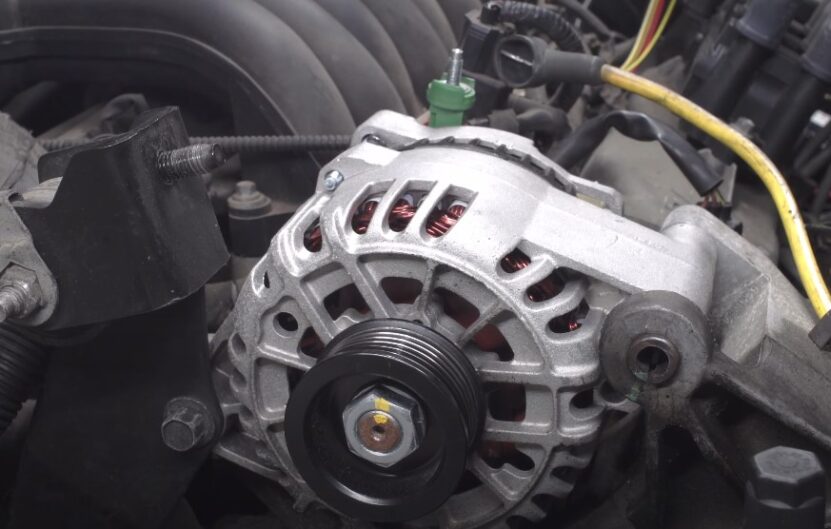
Estimated Cost: $610–$1,425
Your alternator is responsible for charging the battery and running the electronics. When it fails, your dashboard might light up like a Christmas tree—and you’re not going far after that.
Why It Costs So Much?
- Quality alternators aren’t cheap
- Can fail unexpectedly
- Labor is usually straightforward but still adds up
Tip: Pay attention to warning lights and avoid running electronics (like high beams or the stereo) when the car’s not running.
10. Fuel Injector Replacement
Estimated Cost: $634–$1,325
Fuel injectors spray gas into the engine with pinpoint accuracy. When they clog or fail, you might notice misfires, rough idling, or bad fuel economy. Replacing one is often not an option—you’ll likely need a full set.
Why It Costs So Much?
- Precision-engineered parts
- Many cars require replacing all injectors at once
- Labor isn’t extreme, but still adds to the total
Tip: Use top-tier fuel and change your fuel filter regularly.
Why Do These Repairs Hit So Hard?
Let’s break it down:
- Parts Cost: Some components (like hybrid batteries or catalytic converters) are simply expensive to manufacture because of rare metals or high-tech systems.
- Labor Hours: Repairs like engine work, head gaskets, and suspension overhauls can take 10–20 hours or more.
- Tech-Specific Skills: Hybrid systems and modern transmissions often require a specialist—not just a general mechanic.
- Safety/Regulatory Standards: Airbags, emissions systems, and brakes must meet strict guidelines, which limits cheap shortcuts.
Not All Cars Are Created Equal
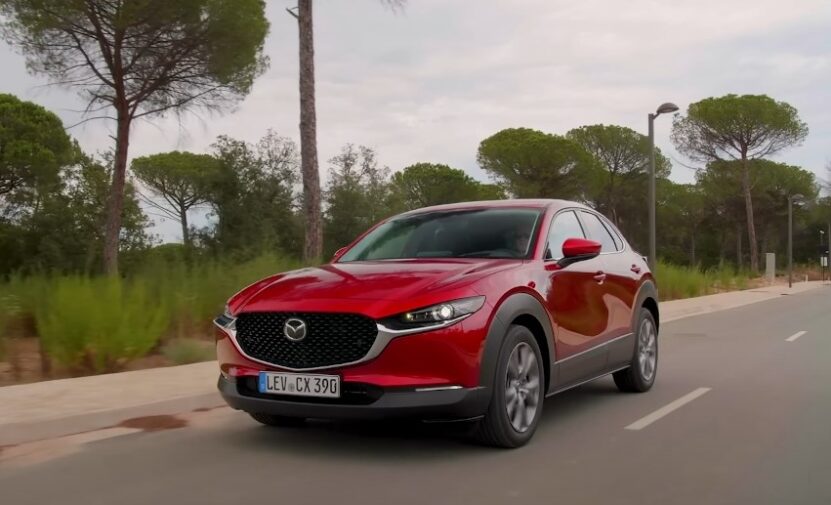
Different brands mean different price tags. Here’s a rough breakdown:
| Brand | Typical Annual Repair Cost |
| Honda | ~$428 |
| Toyota | ~$441 |
| Mazda | ~$462 |
| Hyundai | ~$468 |
| BMW | ~$968 |
| Audi | ~$987 |
| Land Rover | ~$1,174 |
Luxury brands aren’t just expensive to buy—they’re expensive to maintain. A transmission swap on a Porsche or Land Rover could be double the price of one on a Toyota Corolla.
How to Keep Repairs From Wrecking Your Wallet
Here are some practical, real-world strategies:
- Stick to the maintenance schedule. It’s boring, but it works.
- Drive gently. Aggressive acceleration and hard braking wear everything faster.
- Choose wisely when buying. Some brands just cost less to own.
- Get an extended warranty if your car is out of factory coverage.
- Build an emergency fund for car repairs, especially if your car is older or high-mileage.
Final Thoughts
Cars are machines—and machines break down. But knowing what might go wrong and how much it’ll cost helps you stay in control. It doesn’t matter if you’re driving a hybrid or a stick-shift coupe, a little awareness and preventative care can save you thousands.
You don’t need to be a gearhead to take care of your car—you just need to pay attention, keep up with maintenance, and know when it’s time to call the shop before the small stuff snowballs into one of these 5-figure nightmares.