
Cars are marvels of engineering, but they don’t take care of themselves. Regular oil changes and gas fill-ups are second nature to most drivers, yet a surprising number of critical maintenance tasks get ignored until something goes wrong. And when that “something” happens, it’s usually expensive and inconvenient.
The reality is simple: the small things you skip today can turn into the big bills tomorrow. We prepared a guide to the most commonly overlooked car maintenance tasks, how neglecting them drains your wallet, and the real-world steps you can take to prevent headaches later.
Air Filter Maintenance
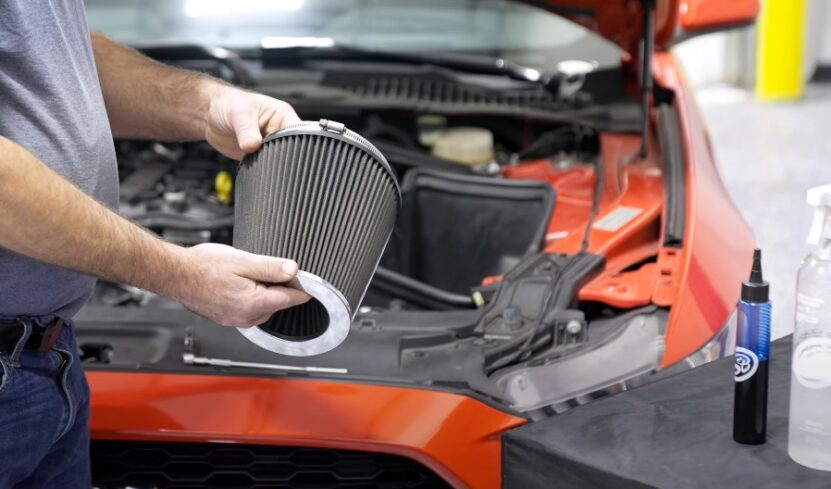
Your car relies on two unsung heroes: the cabin air filter and the engine air filter. They work quietly in the background, keeping the air clean for both you and your engine.
Why it slips through the cracks: Air filters rarely cause immediate problems. You don’t get a dashboard warning light or a dramatic noise. By the time you notice sluggish performance or a musty cabin smell, the damage has started.
What Happens If You Ignore It
- Cabin air filter: Dust, pollen, and pollutants clog the filter, reducing airflow through your HVAC system. The blower motor has to work harder, which can shorten its lifespan and rack up hundreds in repair bills.
- Engine air filter: A clogged filter chokes airflow, reducing acceleration and fuel economy by up to 10%. In extreme cases, dirt bypasses the filter and enters the engine, causing long-term wear.
Smart Maintenance
- Swap the engine air filter every 12,000–15,000 miles (sooner if you drive in dusty areas).
- Change the cabin air filter every 15,000–30,000 miles or whenever airflow weakens or odors develop.
Tire Care
Tires are where your car meets the road. Safety, fuel economy, and smooth handling all start with proper tire maintenance. Yet tires are one of the most neglected areas of car care.
Tire Pressure
Underinflated tires increase rolling resistance, waste fuel, and wear unevenly. Overinflated tires reduce grip and wear the center tread faster.
- Neglect cost: Premature tire replacement ($100–$200 each), worse fuel economy, and higher blowout risk.
- Routine: Check tire pressure monthly and before long trips. Use the PSI listed in your door jamb or owner’s manual, not the number on the tire sidewall.
Tire Rotation and Balancing
Rotating tires spreads out wear evenly across all four, while balancing keeps the ride smooth and prevents uneven tread wear.
- Neglect cost: Tires wear out thousands of miles sooner, and vibrations may lead to suspension wear.
- Routine: Rotate and balance every 5,000–7,500 miles.
Wheel Alignment
Hitting potholes or curbs can nudge your wheels out of alignment, slowly eating your tires and hurting fuel economy.
- Neglect cost: Uneven tire wear, poor handling, and extra fuel consumption (up to 10% worse).
- Routine: Get an alignment check every 6,000 miles or at least once a year.
Brake System Maintenance
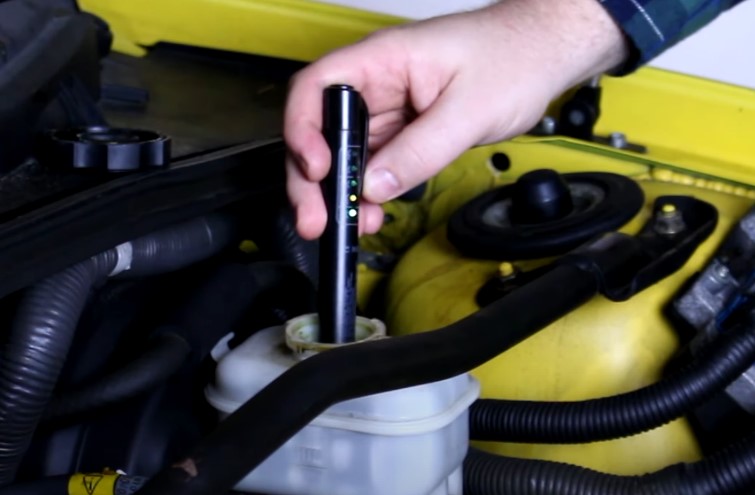
Brakes don’t fail overnight. Their decline is usually gradual, which is why many drivers miss the warning signs until the repair bill lands.
Brake Fluid
Brake fluid absorbs moisture over time, which leads to corrosion inside the system and weaker braking performance.
- Neglect cost: Corrosion can damage calipers and lines, and spongy brakes increase accident risk.
- Routine: Flush the fluid every 2–3 years or 30,000 miles.
Brake Pads and Rotors
Pads that wear down to the metal start grinding against the rotors, turning a basic pad replacement into a costly rotor job.
- Neglect cost: Pad replacement is manageable, but ignoring it leads to $300–$600 per axle.
- Routine: Inspect pads every 10,000–20,000 miles and rotors every 50,000–70,000 miles.
Fluid Checks and Replacements
Engine oil is the celebrity of car fluids, but the supporting cast is just as critical. Skipping them can cost thousands.
- Transmission Fluid: Contaminated or low fluid leads to poor shifting and eventual transmission failure ($2,000–$4,000 repair).
- Power Steering Fluid: Low or dirty fluid strains the pump, leading to stiff steering and $500+ repairs.
- Coolant: The wrong type or mix causes corrosion and engine overheating. Repairs can run into the thousands.
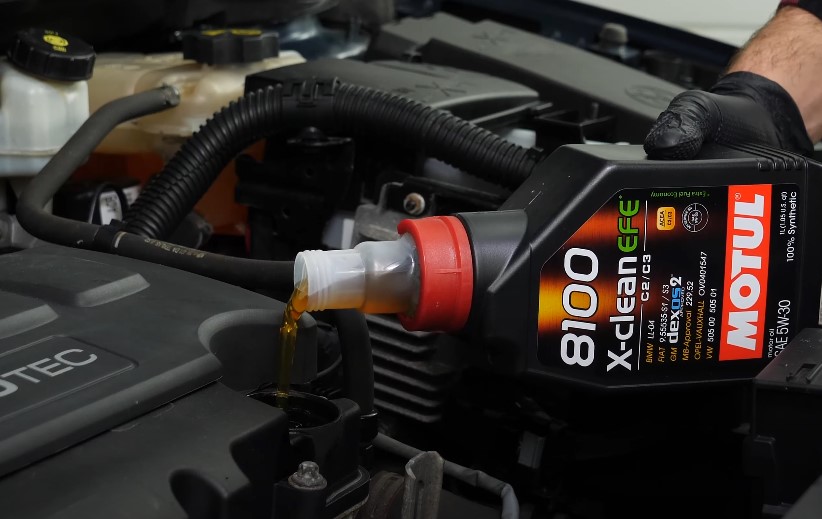
- Engine Oil Type: Using the wrong grade can accelerate engine wear or void warranties.
Routine
- Change transmission fluid every 30,000–100,000 miles, depending on your vehicle.
- Check power steering fluid periodically and flush every 30,000–50,000 miles.
- Maintain the correct coolant type and 50/50 mix.
- Always use the oil recommended in your owner’s manual.
Battery and Electrical System
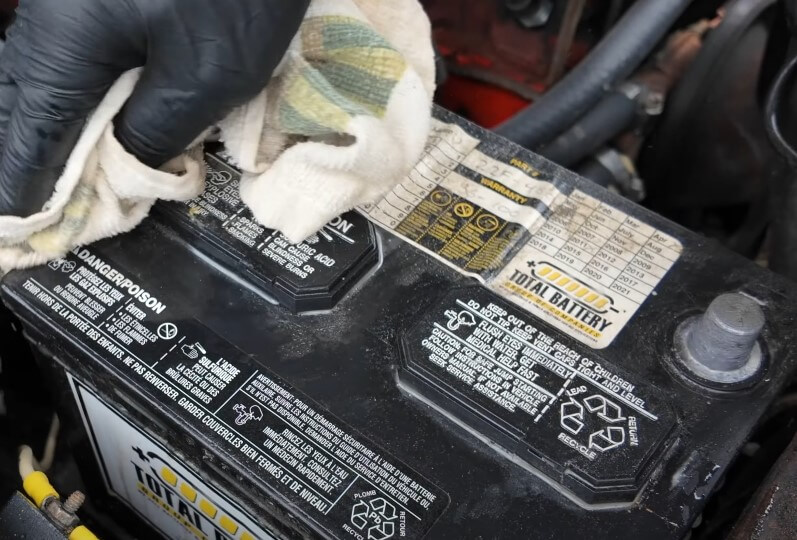
The battery and electrical system are invisible until the day your car refuses to start.
Commonly Missed Tasks
- Cleaning battery terminals to prevent corrosion.
- Battery testing twice a year, especially before winter.
- Electrical system inspection (alternator, starter, wiring) annually or every 6,000 miles.
Neglect Cost
- Dead battery = towing ($100–$200) and replacement ($100–$300).
- Electrical system failure can knock out critical features and cause breakdowns.
Dead batteries or failing alternators are common causes of electrical issues, and in some cases, a failing dashboard display may point to the need for an instrument cluster replacement.
Suspension and Steering Components
A smooth, safe ride depends on healthy suspension and steering components. Ignoring them shortens tire life and can lead to dangerous handling.
- Shocks and Struts: Worn components cause bouncing, poor cornering, and uneven tire wear. Replacement costs $500–$1,000.
- Hoses and Belts: A failed serpentine belt can overheat your engine or cut power steering, stranding you roadside.
- Routine: Inspect shocks, struts, hoses, and belts regularly. Replace shocks every 50,000 miles or as needed.
Visibility and Safety Features
Seeing the road clearly sounds obvious, yet wipers and windshields are often afterthoughts.
- Wiper Blades: Replace every 6–12 months or when they streak.
- Windshield Chips: Repair immediately to prevent spreading. A chip repair costs a fraction of a $200–$1,000 full replacement.
Exhaust System
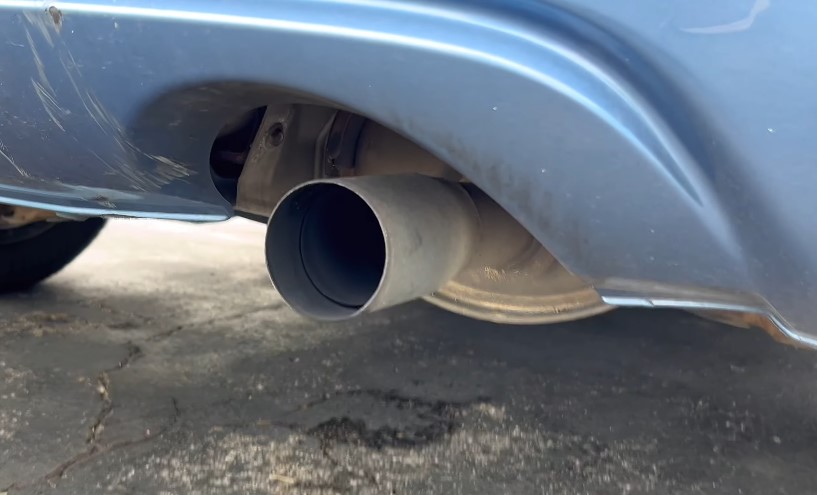
Exhaust components quietly manage emissions and help your engine breathe efficiently.
Routine: Inspect the system annually or at the first sign of noise or odor.
Neglect cost: Failed emissions tests, higher fuel use, and $500–$2,000 in repairs.
Financial and Safety Impacts
The cost of skipping small maintenance tasks adds up in more ways than one:
- Resale value: A poorly maintained car can sell for 15–20% less, which can mean $1,500–$3,000 gone.
- Repair costs: Preventive care costs a fraction of engine or transmission replacements.
- Fuel efficiency: Proper tire care and clean air filters can improve MPG by 10–25%, saving hundreds per year.
- Safety: Worn brakes, poor visibility, and bad suspension increase accident risks.
Quick Maintenance Schedule
Practical Tips to Stay Ahead
- Create a maintenance log to track services and upcoming tasks.
- Follow your owner’s manual for the most accurate intervals and fluid specs.
- Work with a trusted mechanic for routine inspections and preventive checks.
- Set aside a small monthly budget for maintenance to avoid sudden financial hits.
Final Thoughts
The best way to avoid costly repairs is to treat your car’s maintenance like health checkups. Most of the tasks above take minutes to check and cost very little to address. Ignore them, and you could face big bills, breakdowns, or even safety risks on the road.
A car that’s cared for not only lasts longer but also drives safer, runs more efficiently, and retains more value when it’s time to sell. Preventive maintenance is the cheapest insurance you can buy for your vehicle.