
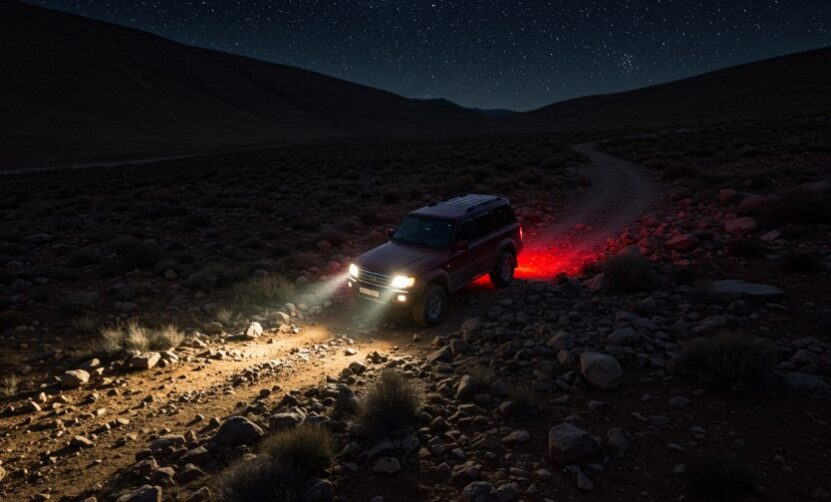
Sport utility vehicles are popular because they offer space, comfort, and the potential to explore beyond the pavement. Yet, anyone who has attempted rocky climbs, sandy washes, or deep mud in a stock SUV knows that off-road capability often needs a boost.
Upgrades can transform your vehicle from weekend cruiser to trail-ready machine, providing better traction, protection, and recovery options for when conditions get rough.
Below, we break down the most impactful upgrades, showing how each one improves your SUV’s ability to tackle challenging terrains. Think of this as a hands-on guide for real-world off-road performance, packed with tips and examples from serious trail gear.
A Quick Look
1. Tires and Wheels
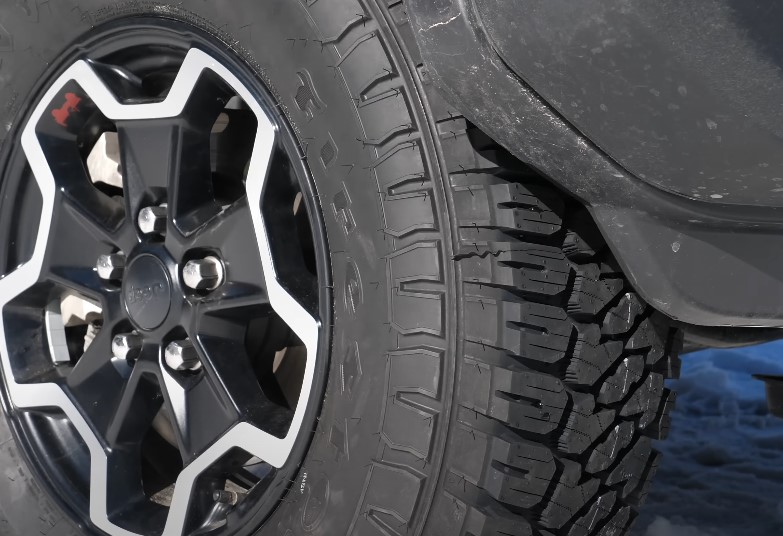
Everything starts where your SUV meets the ground. Stock tires are usually designed for highway comfort and fuel efficiency, not clawing up a muddy trail or crawling over rocks.
All-Terrain Tires
If you plan to mix off-road adventures with daily driving, all-terrain tires strike the best balance. Their tread patterns bite into dirt, gravel, and light mud, yet stay quiet on pavement.
- Example: The Nitto Nomad Grappler, designed for crossover SUVs, carries a 3-Peak Mountain Snowflake rating, meaning it performs well in snow and on slippery conditions.
These tires typically feature reinforced sidewalls to resist punctures, which can happen quickly when sharp rocks enter the picture.
Mud-Terrain Tires
For more aggressive off-road use, mud-terrain tires provide the deep, chunky tread needed to churn through mud, snow, or rocky trails. They excel in traction but can produce road noise and slightly reduce fuel economy.
- Example: SUVs like the Ford Bronco Raptor come equipped with 37-inch mud-terrain tires, offering both grip and clearance for rugged environments.
Wheel Considerations
Wheel choice matters more than most realize. Smaller-diameter wheels, like 17 inches instead of 20, allow for taller tire sidewalls. That extra flex absorbs impacts and reduces the chance of rim damage.
- Tip: Check offset and backspacing when changing wheels to prevent rubbing and keep the stance stable. Cast aluminum wheels are lightweight and cost-effective, but make sure valve stems are protected from rock strikes.
- Dramatic improvement in traction and stability
- Better puncture resistance
- Increased ground clearance with proper tire sizing
2. Suspension Upgrades
A quality suspension setup is the difference between bouncing around uncomfortably and gliding over obstacles with confidence.
Lift Kits
A lift kit increases your vehicle’s ride height, giving more clearance for rocks and logs while improving approach and departure angles.
- Moderate lifts (2–3 inches): Enough for most trail riding and occasional challenging terrain.
- Extreme lifts (4–6 inches): Suited for serious off-roading but can affect on-road handling.
- Example: The Jeep Wrangler Rubicon offers a factory 2-inch lift with Bilstein dampers, giving it excellent off-road capability straight from the showroom.
Shocks and Struts
Aftermarket shocks from brands like Bilstein, Fox, and King Shocks handle repetitive impacts and maintain control on washboard roads or rocky climbs.
- Example: The Ford Bronco Sport Sasquatch package features Bilstein monotube shocks with piggyback reservoirs, designed for extended off-road sessions without overheating.
Sway Bar Disconnects
Electronic or manual sway bar disconnects let your suspension flex more, keeping all four tires in contact on uneven terrain.
- Example: The Jeep Grand Cherokee Trailhawk uses electronic disconnects, automatically improving traction when conditions demand it.
- Greater wheel articulation for uneven terrain
- Improved comfort and stability off-road
- Better clearance to avoid undercarriage scrapes
3. Protection Upgrades
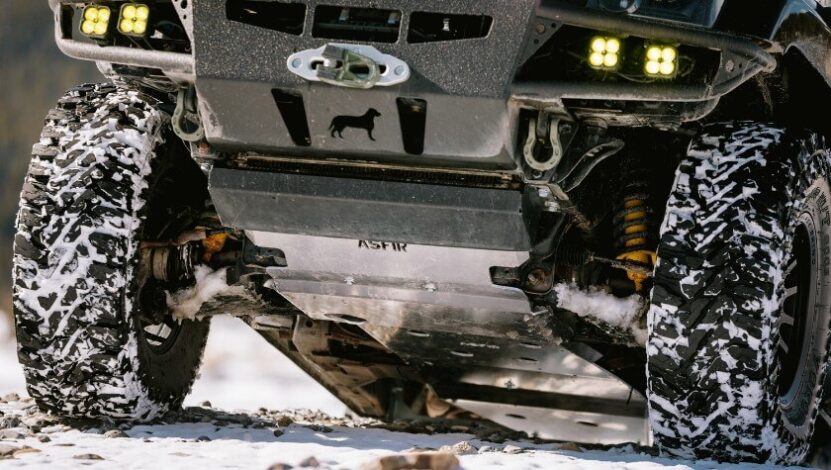
Trail driving exposes your SUV to rocks, stumps, and debris that can ruin your day if they hit an unprotected component.
Skid Plates
Steel or aluminum skid plates shield the engine, transmission, transfer case, and fuel tank. If you drive a 4Runner, consider a 4Runner Skid Plate for reliable underbody protection. Steel handles hard impacts but adds weight, while aluminum saves weight but is slightly less durable.
- Example: The GMC Hummer EV SUV includes skid plates as standard, reinforcing its capability to tackle rugged conditions.
Rock Sliders
Rock sliders run along your SUV’s sides, protecting rocker panels and doors while doubling as convenient steps. For serious off-roading, steel sliders are the preferred choice.
- Example: The Ford Expedition Tremor adds underbody protection similar to the F-150 Raptor, making it far less vulnerable on the trail.
- Prevents expensive damage to key components
- Adds confidence for more technical trails
- Can serve as jacking points during recovery
4. Traction Aids
Even the best tires lose grip sometimes. Traction aids are your insurance against getting stranded.
Locking Differentials
Lockers force both wheels on an axle to spin together, sending power where it’s needed. This is crucial when one wheel is on loose dirt or in the air.
- Example: The Lexus GX 550 Overtrail+ uses electronic locking differentials to enhance off-road traction.
Winch
A front-mounted winch allows self-recovery when you’re buried in mud or snow. Choose a winch rated for at least 1.5 times your SUV’s gross weight.
- Trusted Option: Warn winches are widely respected for durability and performance.
- Escape from deep mud or snow
- Safer solo off-roading
- Can assist other vehicles in recovery situations
5. Improving Approach and Departure Angles
Your SUV’s approach and departure angles dictate whether you scrape the bumper on steep inclines or obstacles.
High-Clearance Bumpers
Steel off-road bumpers tuck higher than factory bumpers, improving both approach and departure angles. They often provide mounts for winches and auxiliary lights.
- Example: The Jeep Wrangler Rubicon sports steel bumpers with optional winch mounts for serious trail work.
Lift Kits
As mentioned earlier, a lift kit also helps increase those critical angles by raising the entire vehicle.
- Reduced risk of bumper or undercarriage damage
- Better maneuvering over ledges, ruts, and dips
6. Water Crossing Capability
Trail adventures sometimes involve creeks, flooded roads, or swampy areas. Water entering the engine can cause catastrophic damage.
Snorkel Kit
A snorkel raises the engine’s air intake above the roofline, allowing your SUV to ford deeper water safely. It also keeps dust and debris out in desert environments.
- Safe water crossings
- Cleaner air intake in dusty conditions
- Extends your SUV’s range of environments
7. Visibility and Safety Upgrades
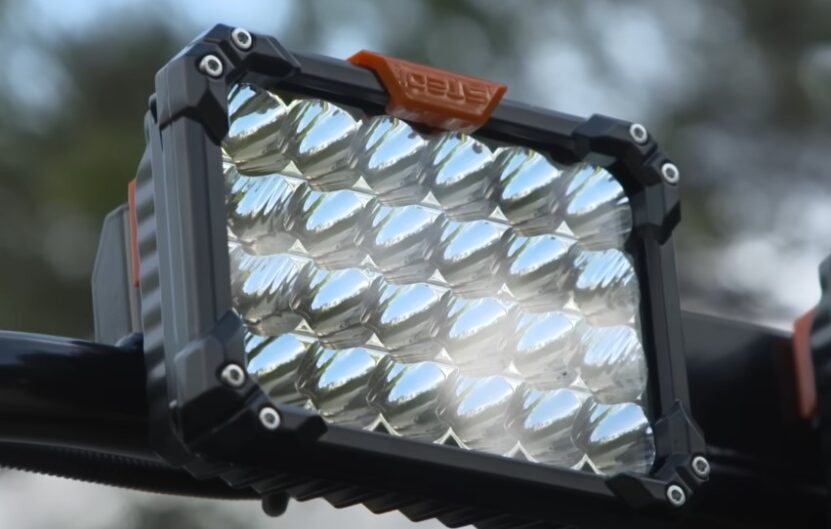
Remote trails often lack lighting, and poor visibility can quickly become dangerous.
Auxiliary Lighting
LED light bars, spotlights, and floodlights illuminate trails far beyond standard headlights.
- Popular Brands: KC, Baja Designs, Rigid
- Pro Tip: Amber lights cut through dust and fog better than white beams.
Roof Racks
While primarily for cargo, roof racks can also serve as mounting points for lights or recovery gear. Brands like Thule and Yakima are versatile and reliable.
- Safer driving in low-light conditions
- Expanded storage for tools, fuel, and camping gear
8. Performance Enhancements for Tough Terrain
While not mandatory, certain performance upgrades make your SUV more responsive and capable.
Cold Air Intake
Increases airflow to the engine, resulting in slight horsepower and throttle response gains.
Cat-Back Exhaust
Reduces exhaust restriction for better power and a satisfying growl when climbing or powering through sand.
- Easier climbs on steep or soft surfaces
- More efficient engine performance
- Adds character to the off-road experienc
9. Recovery and Towing Essentials
View this post on Instagram
Preparation is everything when heading off-grid.
Receiver Hitch
A heavy-duty hitch allows for towing, mounting spare tires, or carrying extra gear like recovery boards or jerry cans.
Recovery Points
Ensure your SUV has sturdy front and rear recovery points for attaching straps or a winch line.
- Faster and safer recovery in emergencies
- Versatility for trailering or gear hauling
Wrapping Up
Transforming an SUV into a terrain-ready machine comes down to targeted upgrades that improve traction, protection, clearance, and recovery.
Start with tires and suspension, since those two upgrades alone drastically change trail performance. Add protection, recovery gear, and visibility improvements as your adventures demand.
Every modification should match your driving style and terrain. Consult professionals for installation to keep your vehicle safe and warranty-friendly. Once set up, your SUV will be ready to tackle rocky passes, muddy trails, sandy dunes, or any wild path calling your name.
With the right upgrades, your SUV stops being just a daily driver and becomes a reliable partner for unforgettable adventures.