
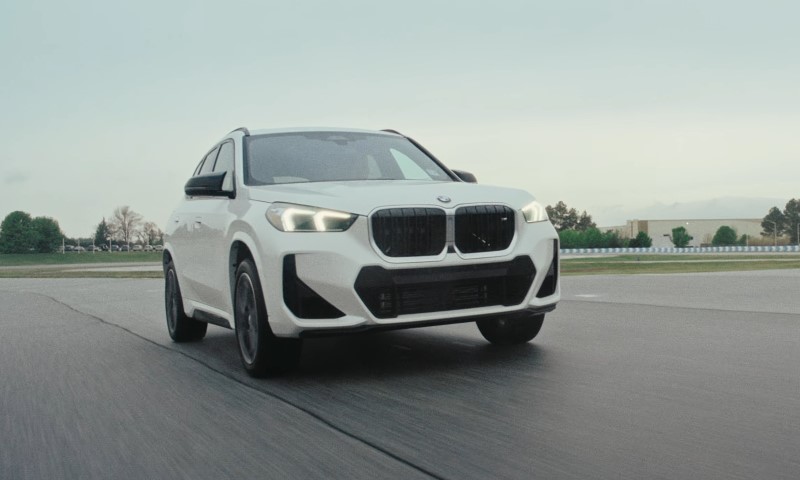
BMW’s 2026 X1 continues as part of the third generation introduced for 2023, with no major changes for the new model year.
Positioned alongside the X2 as BMW’s smallest SUV, it is the main entry point into the company’s SUV lineup.
Edmunds rates it 7.4 out of 10 and ranks it second among 11 extra-small luxury SUVs.
Standard all-wheel drive, strong acceleration, a premium cabin, and useful cargo space help the X1 compete above its entry-level position.
Does the 2026 X1 deliver enough performance, luxury, technology, and practicality to justify choosing it over similarly priced rivals?
Price, Engine, and Performance
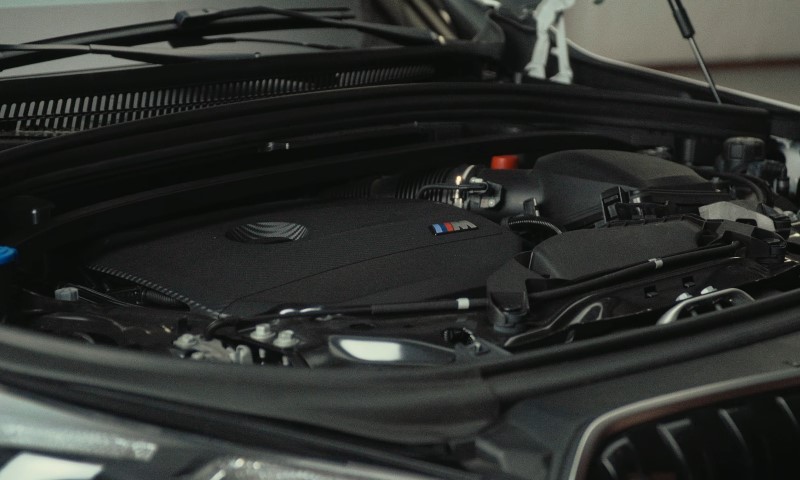
Pricing starts at $43,200 for the X1 xDrive28i and $52,400 for the more powerful M35i.
XDrive28i models use a 2.0-liter turbocharged four-cylinder engine paired with a seven-speed dual-clutch transmission and standard all-wheel drive. Output reaches 241 horsepower and 295 lb-ft of torque.
M35i models use the same basic 2.0-liter turbo engine with output increased to 312 horsepower.
Torque stays at 295 lb-ft, while sportier suspension and chassis tuning sharpen its responses.
Core performance figures include:
- xDrive28i: 241 hp and 295 lb-ft
- M35i: 312 hp and 295 lb-ft
- Seven-speed dual-clutch transmission
- Standard all-wheel drive
Testing recorded a 0-to-60-mph time of 5.9 seconds, making the X1 quicker than many rivals in its class.
Handling is another strength. High grip, limited body roll, accurate steering, and strong braking give the X1 a more athletic character than many small luxury SUVs.
Low-speed behavior is less polished. Hesitation can occur when pulling away, sometimes followed by a stronger surge as power arrives.
Buyers comparing trims at a San Diego BMW dealer may find the xDrive28i especially compelling, since it delivers strong performance without the M35i’s much higher starting price.
Interior and Technology
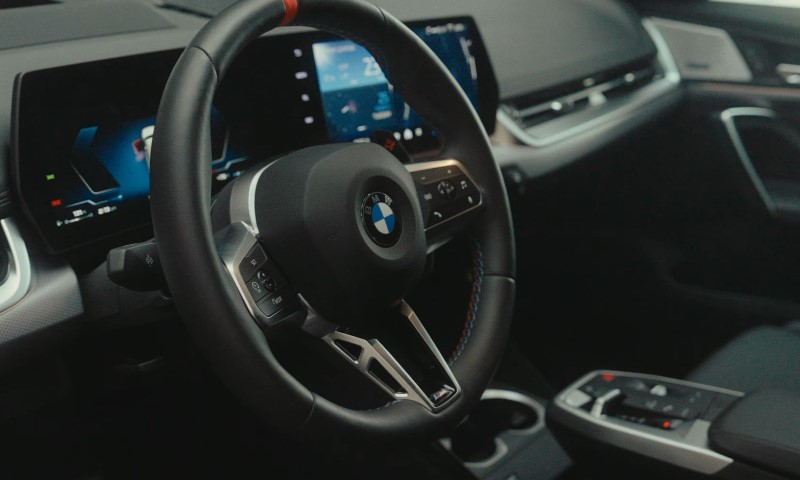
Premium materials and a strong technology package help the X1 feel more expensive than its position in BMW’s SUV lineup suggests.
Cabin construction is solid, seating is supportive, and the digital setup gives drivers access to modern connectivity and available luxury features.
Cabin Quality and Seating
Cabin quality is one of the X1’s strongest traits. Padded surfaces, tight panel gaps, and solid construction give the interior an appropriately premium feel.
Available Sport seats also provide good support on longer trips.
Displays and Connectivity
BMW equips the cabin with a digital instrument cluster and central touchscreen. Standard hardware includes:
- 25-inch digital instrument display
- 7-inch touchscreen
- Wireless Apple CarPlay
- Wireless Android Auto
Touchscreen Controls
In-cabin technology scores 9.7 out of 10, helped by sharp graphics, useful connectivity, and a broad range of digital functions.
Touchscreen dependence is the main drawback.
Climate settings and several frequently used controls require screen interaction, and BMW has removed the previous rotary iDrive controller.
Available Premium Features
Premium-package equipment can add a 360-degree camera, panoramic sunroof, Harman Kardon audio system, and head-up display depending on configuration.
Comfort and Practicality
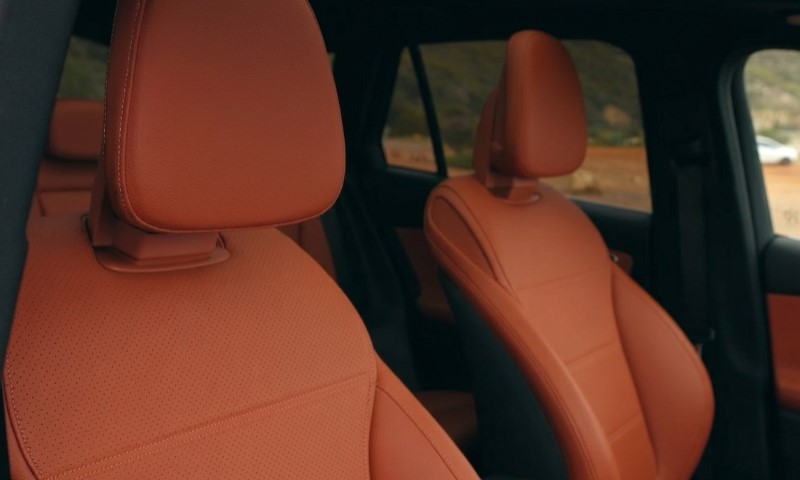
Interior space is generous for such a small SUV. Headroom and legroom are useful in both rows, and rear passengers get more room than the exterior dimensions suggest.
Cargo capacity reaches 25.7 cubic feet behind the rear seats, making the X1 competitive with rivals such as the Audi Q3.
Storage and cargo performance receives an 8.1 out of 10 rating.
Useful practicality figures include:
- 7 cubic feet of cargo capacity
- Generous front and rear headroom
- Good rear-seat legroom for the segment
Ride quality is less impressive. Suspension tuning can feel firm over rough pavement, especially with the optional 19-inch wheels.
India’s long-wheelbase X1 offers a different comfort-focused setup.
Its suspension handles small and medium bumps well, becomes more settled at higher speeds, and maintains good straight-line stability with limited body roll.
Steering in that version is light in city driving and gains weight at highway speeds. Accuracy is good, although feedback is weaker than in sportier BMW models.
India-market specifications should not be mixed with those of the U.S. xDrive28i because drivetrain, wheelbase, and suspension details differ.
Fuel Economy and Safety
XDrive28i fuel economy is rated at 25 mpg city and 34 mpg highway, with a combined figure of 28 mpg. Real-world testing returned 27.1 mpg combined.
M35i ratings drop slightly to 24 mpg city and 32 mpg highway.
Key efficiency numbers are:
- xDrive28i: 25 mpg city
- xDrive28i: 34 mpg highway
- xDrive28i: 28 mpg combined
- Tested result: 27.1 mpg combined
- M35i: 24 mpg city and 32 mpg highway
Standard safety equipment includes forward collision warning, automatic emergency braking, blind-spot monitoring, rear cross-traffic alert, reverse automatic braking, and lane-departure warning with steering assistance.
NHTSA gives the X1 an overall four-star rating out of five. Overall side-crash performance earns five stars.
Adaptive cruise control is not necessarily standard and may require additional equipment, which is a notable omission at this price.
How It Compares
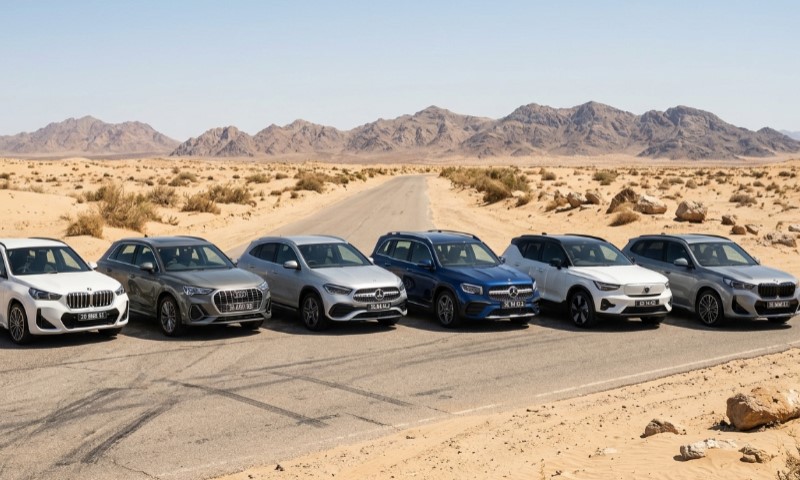
BMW faces direct competition against the Audi Q3, Mercedes-Benz GLA, Mercedes-Benz GLB, Volvo XC40, and BMW X2.
Starting prices show how closely these models compete:
| Model | Starting Price |
| BMW X1 | $43,200 |
| Mercedes-Benz GLA | $41,500 |
| Mercedes-Benz GLB | $43,800 |
| Audi Q3 | $39,800 |
| BMW X2 | $44,700 |
Audi’s Q3 costs $3,400 less at base level, while the GLA starts $1,700 below the X1. GLB pricing is only $600 higher, and the X2 starts $1,500 above it.
X1 strength comes through its combination of acceleration, cargo capacity, interior quality, standard all-wheel drive, and handling.
Mercedes-Benz GLB offers more interior space, but the X1 provides a more upscale and refined cabin experience.
XDrive28i also offers the strongest value within the X1 lineup.
Skipping 19-inch wheels can improve ride comfort, while Convenience or Premium-package equipment adds features owners may use more often.
Is It the Best Entry-Level BMW SUV?
BMW X1 xDrive28i’s 241-hp turbocharged engine, standard all-wheel drive, 5.9-second tested 0-to-60-mph time, 25.7 cubic feet of cargo space, and 34-mpg highway rating give it a strong balance of performance and practicality.
Cabin quality and handling also help it feel like a proper BMW rather than a stripped-down entry model.
Firm ride quality, touchscreen-heavy controls, uneven low-speed response, and costly options are its main weaknesses.
M35i pricing also makes the 312-hp version harder to justify for buyers who do not need the extra performance.