
For many BMW fans, the 5-Series is the sweet spot. It bridges daily comfort with serious performance while offering a level of refinement that makes long trips effortless.
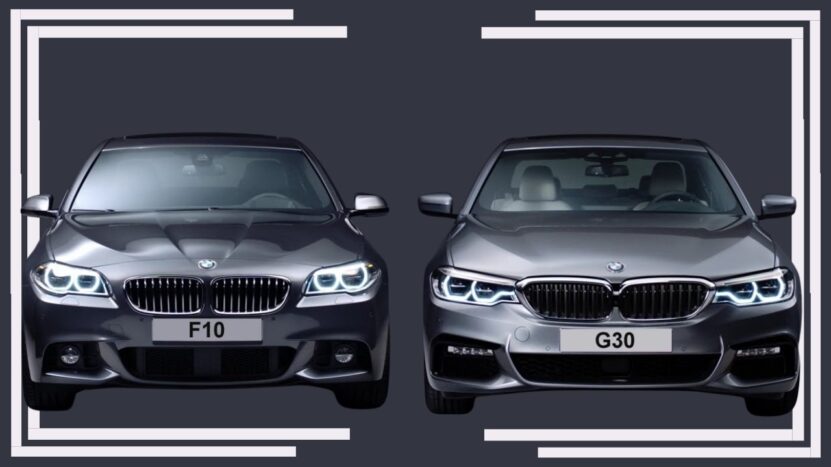
But if you’re in the market for a used one today, chances are you’re looking at two main generations: the F10 (2011-2016 in most markets, sometimes stretching to 2017) and the G30 (2017-2023).
The real question isn’t just which one you should buy. It’s which one actually ages better, and whether paying more for a newer G30 is always the safer play.
Let’s go deep on longevity, common issues, ownership costs, and the real-world details that separate the two.
Two Different Eras of BMW Engineering
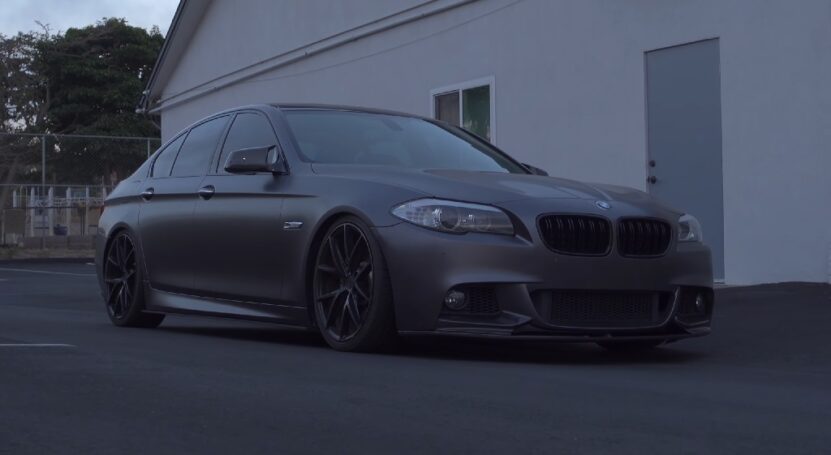
The F10 marked a return to a more classic, upright design after the controversial E60. It gave buyers a comfortable, quiet ride and a luxurious cabin.
The G30, on the other hand, launched on BMW’s CLAR architecture, cutting up to 100 kg of weight while adding modern safety tech, sharper handling, and updated electronics that continue to receive software support.
At a glance:
| F10 (2011-2016) | G30 (2017-2023) | |
| Design focus | Comfort, luxury feel, mature styling | Lightweight architecture, sharper handling |
| Platform | Heavier steel-intensive build | CLAR platform with more aluminum |
| Safety tech | Strong crash scores for the time | Full ADAS suite, IIHS Top Safety Pick+ |
| Electronics | Aging iDrive 4/5 | iDrive 6/7, OTA updates, Android Auto & CarPlay |
| Engines | N52, N20, N55, N63, N47/N57 (diesels) | B48, B58, updated N63, plug-in hybrid |
| Market appeal | Lower used pricing, timeless ride comfort | Higher resale, more modern features |
Platform, Weight, and Structural Integrity
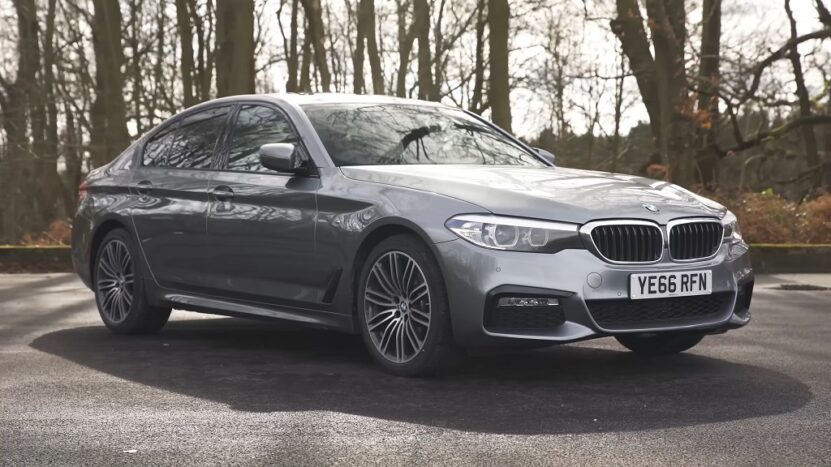
BMW made a big structural leap with the G30. Shedding weight means less stress on bushings, brakes, and suspension components over time. Alloy panels resist corrosion better than steel, especially on exposed suspension arms.
Both cars were safe when new, but the G30 keeps its edge today thanks to driver-assistance tech. Euro NCAP awarded five stars to both, but in the U.S., the G30 earned an IIHS Top Safety Pick+ in 2017 with optional headlamps and crash-avoidance features.
That means fewer surprises in daily driving and better crash protection as cars around it continue to evolve.
Electronics and Software Support
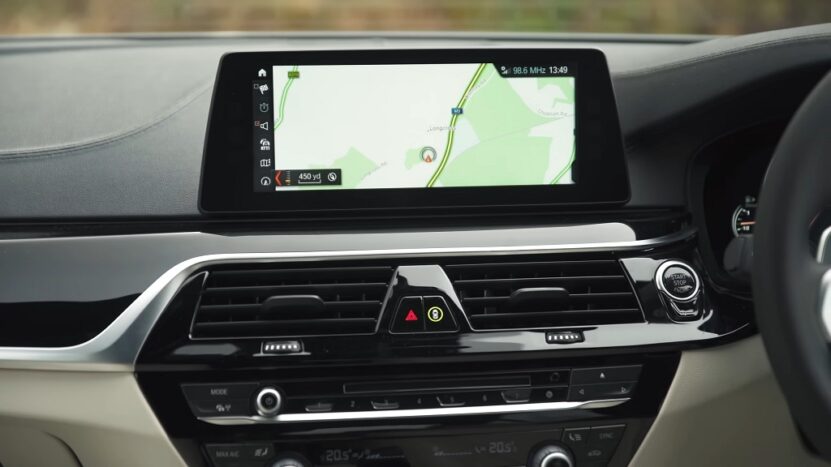
Infotainment often dictates when a premium car feels “old.”
- F10: Its iDrive system topped out with iDrive 5, lacking over-the-air updates, Android Auto, or BMW’s Digital Key. Hardware support is largely frozen.
- G30: Introduced iDrive 6, and from 2020 onward, Operating System 7. Features like wireless CarPlay, Android Auto, and OTA updates mean it keeps up with modern expectations. BMW’s Remote Software Upgrade lets owners download bug fixes and new features without visiting a dealer.
In practice, the G30’s electronics will age more gracefully, while the F10 can feel like a time capsule unless you retrofit.
Engines and Longevity
Engines make or break BMW ownership. Let’s break down which ones stand out and which ones to avoid.
F10 Engines
- 528i early years (N52, 2011): Naturally aspirated inline-six, very reliable but rare. Minimal issues when maintained.
- 528i later (N20, 2012-2016): Turbo four-cylinder plagued by timing-chain failures. BMW issued extended warranties, but unless there’s proof of replacement, it’s a gamble.
- 535i (N55): The most balanced pick. Strong, durable turbo six, though gaskets and cooling parts wear with age. Maintenance history is crucial.
- 550i (N63 V8): Known for timing-chain stretch, high oil consumption, and extensive service campaigns (N63 Customer Care Package). Only consider with thorough documentation.
- Diesels (N47/N57, outside U.S.): N47 four-cylinder had timing-chain issues. N57 six-cylinder is sturdier but still benefits from strict servicing.
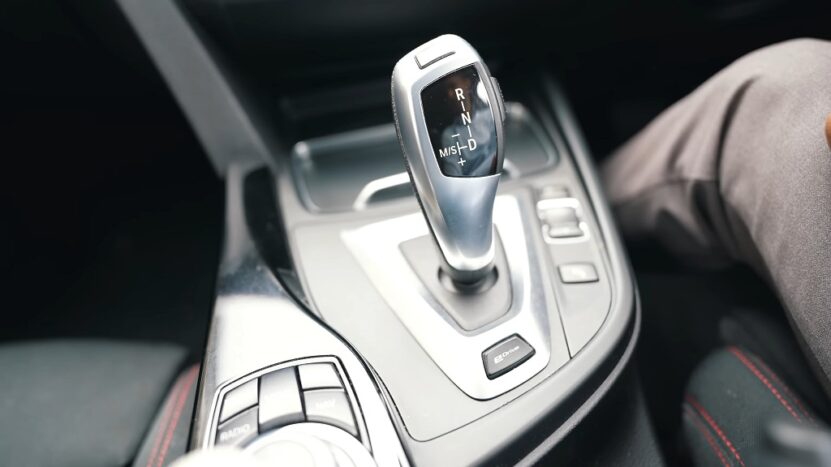
Both F10 and G30 use ZF’s 8-speed automatic, a transmission widely regarded as one of the best in the industry. BMW markets it as “lifetime fill,” but ZF themselves recommend fluid service every 80,000-120,000 km (about every 8 years). Owners who follow ZF’s advice generally report smoother shifts well past 200,000 km. The xDrive all-wheel-drive system is durable, provided transfer case and differential fluids are changed on time. Regardless of generation, BMW ownership rewards proactive care. A few must-dos: Luxury sedans shed value quickly. Data from iSeeCars shows 5-Series models lose about 60 percent of their value within 5 years. The most cost-effective approach is to buy late in the generation cycle, with strong records, and keep it long term. Subjective, but worth noting. Here’s a quick inspection roadmap: For most buyers, the G30 edges out the F10. Its lighter structure, advanced safety features, OTA-capable electronics, and robust B58 engine in the 540i give it a longer shelf life. It feels newer for longer and requires fewer “gotchas” when shopping. That said, a carefully chosen F10 535i from the later years can still be an excellent buy. It delivers a timeless ride and can go the distance if records are impeccable. But the margin for error is slim. If you want peace of mind and a car that feels modern into the next decade, the G30 is the safer bet. If you’re budget-conscious and love the F10’s look and character, find a clean 535i and take care of it. Do that, and either generation can deliver the blend of driving pleasure and long-haul durability that has kept the 5-Series at the top of the luxury sedan game.G30 Engines
Transmissions and Driveline
Maintenance Habits That Matter Most
Depreciation and Value
Sweet Spots
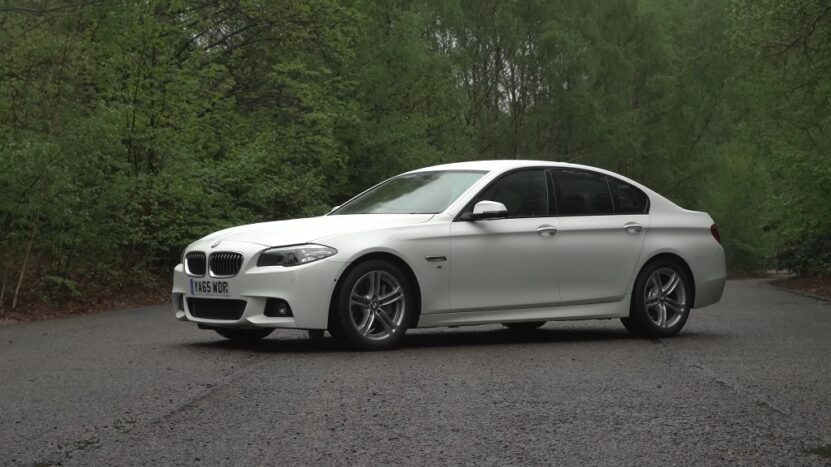
F10:
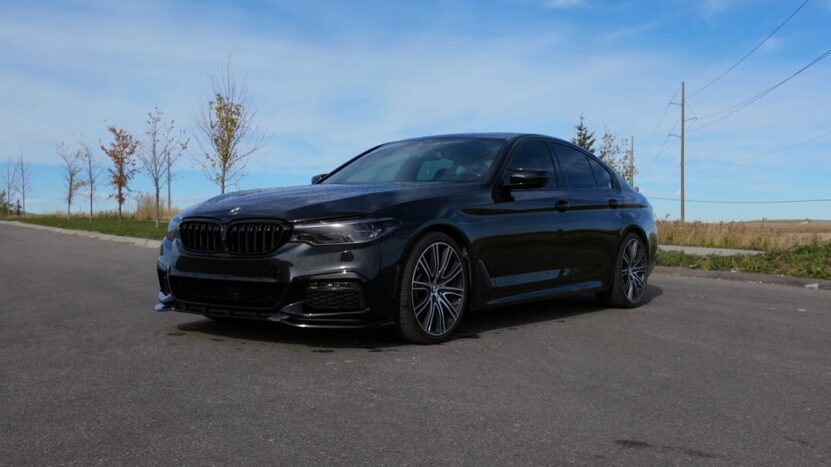
G30:
Driving Feel as They Age
Buyer Checklist
F10
G30
Both
Which One Holds Up Better?
Final Advice