

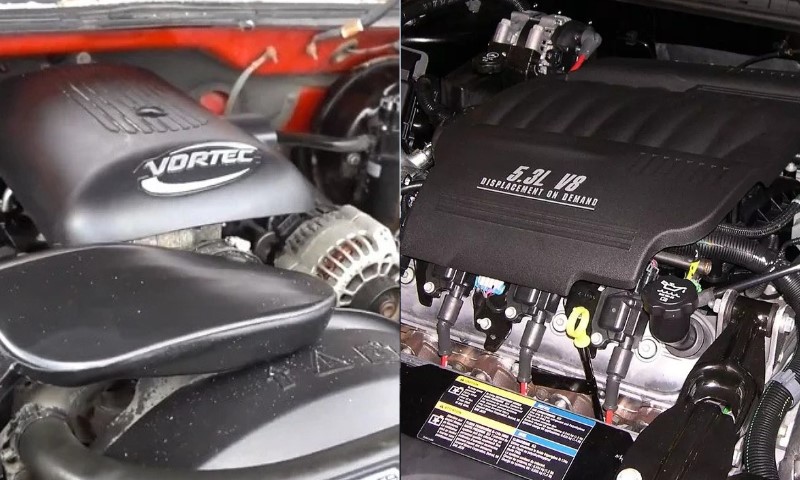
GM’s truck engines build a certain kind of loyalty. You see it in half-ton Silverados, workhorse Sierras, worn but still running Express vans, and older Tahoes that refuse to give up. The 4.8 LR4 and the 5.3 LM7 family sit right at the center of that world. Someone who shops used trucks, plans an LS swap, or wants to rebuild a tired motor ends up staring at the 4.8 vs 5.3 question very quickly.
Both engines share the LS-based design that earned GM’s small block reputation over several generations. Same basic block pattern. Same pushrod layout. Same cathedral port heads on early versions.
Even the driving position feels similar in an unloaded truck. Yet each motor carries a personality of its own, shaped by stroke length, displacement, tuning decisions, and the way GM folded new technology into later generations.
With that said, we prepared a full comparison. Just the real traits that matter when you want reliability and predictable ownership.
Key Highlights
- 4.8 and 5.3 share the same LS roots, but the 5.3 carries a longer stroke and stronger low-end torque.
- Gen III versions of both engines are highly durable, while later 5.3 engines face AFM and direct injection issues.
- Common problems on both motors center on gaskets, sensors, and age-related wear rather than catastrophic failures.
- Builders choose the 4.8 for budget boost projects and the 5.3 for torque, broader aftermarket support, and swap flexibility.
LS-Based Vortec Truck Engines in Short
GM’s LS-based truck engines share a common platform that gives them a familiar feel in maintenance and performance tuning. They all run a 90-degree V8 layout with traditional overhead valve hardware, two valves per cylinder, and a compact pushrod arrangement.
Aluminum heads add airflow potential while keeping weight down. Sequential fuel injection keeps fueling predictable and dependable.
Strong cross-bolted main caps stiffen the bottom end so the block stays planted under load. That architecture made the LS family a favorite for trucks, heavy driving, and swap projects.
The 4.8 LR4 and the early 5.3 engines (LM7, L59, L33, LM4) fall under the Generation III umbrella. They use cast iron blocks paired with aluminum heads and stay free from AFM or VVT.
Later, 5.3 engines evolved toward AFM, then toward direct injection in the EcoTec3 line. Many long-term complaints come from those later additions rather than the base design.
Core Specs – 4.8 vs 5.3 Side by Side
A quick look at factory specifications tells you where each engine sits in power and behavior.
Basic Specifications Table
Both engines share bore size. The 5.3 earns its extra displacement through a longer stroke. That longer stroke translates into more low-end torque, the part of the powerband that truck owners feel most when hauling a trailer or climbing a long grade.
Speedway Motors describes the overlap between the two as surprisingly close in peak numbers, but the real difference lies in how easily the 5.3 moves weight.
Reliability Overview
Owners tend to care more about longevity than a handful of horsepower. GM’s LS architecture built a strong reputation, and both engines can go very far with steady maintenance.
The two engines do not share the same pattern of failures, though, especially once AFM appears in later 5.3 generations.
4.8 Vortec Reliability
MotorReviewer describes the 4.8 LR4 as a simple and dependable workhorse. Strong block. Simple injection system. No AFM. No VVT. Nothing fancy.
Most of the real failures appear after long periods of age or neglect. Many owners report well past 250,000 miles, and plenty reach beyond 300,000 miles with mostly wear-item replacement.
Main traits that help the 4.8 hold up well:
- Straightforward architecture with a few extra systems
- Conservative factory tuning that keeps heat and stress under control
- Durable iron block supporting high-mile use or performance adds
A breakdown of common issues in reliability guides shows that most 4.8 failures trace back to intake leaks, worn sensors, or cooling system wear. None of those typically scrap an engine.
5.3 Vortec Reliability
The 5.3 story depends on the generation. Gen III 5.3 engines sit in the same durability bracket as the 4.8. The same block family, similar parts, and no AFM in early versions.
MotorReviewer describes the Gen III 5.3 as a true workhorse capable of long life with consistent oil changes. Many reach 300,000 miles as well.
Later generations add AFM and direct injection. Those systems raise fuel efficiency and emissions performance, but they also open the door to lifter failures, oil consumption, and carbon buildup.
Wanasign’s breakdown points out the pattern:
- 200,000 to 300,000 miles is realistic with care
- AFM-equipped engines need closer attention to oil level
- Direct injection engines need periodic valve cleaning
- Non AFM Gen III engines share the same durability as the 4.8
The variety of 5.3 complaints you hear online often connect directly to AFM or direct injection rather than the base engine design.
Common Issues With 4.8 Vortec
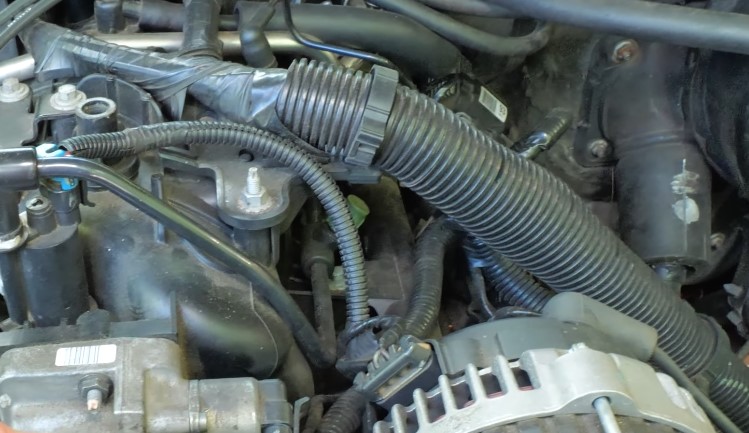
The 4.8 avoids AFM and VVT, so reliability concerns focus on more mechanical items tied to mileage and age.
Knock Sensors Under the Intake
Many LS truck engines hide the knock sensors in wells under the intake manifold. Moisture finds its way into those pockets.
That corrodes the sensors and sub harness, which triggers codes like P0327 or P0332. Drivers notice fuel economy dropping or throttle response dulling.
The fix:
- Remove the intake manifold
- Replace both knock sensors
- Replace or clean the harness
- Seal the grommets to keep water out
It is not a complicated repair, just time consuming.
Intake Manifold and Gasket Leaks
The plastic intake manifold eventually warps under heat cycles. The old carrier gaskets flatten out. When that happens, idle quality drops, lean codes show up, and sometimes coolant seeps around the crossover area.
Most owners solve it by installing improved steel-backed gaskets and inspecting the manifold for cracks. A fresh set seals the engine for another long stretch of miles.
Water Pump Wear
High mileage 4.8 engines often need a water pump once they pass 150,000 miles. Clues include:
- Dried coolant at the front cover
- A creeping temperature gauge under load
- Small but consistent coolant loss
A fresh pump brings cooling performance back to normal. Ignoring overheating risks head gasket damage.
Fuel Pump and Control Module
Age, heat, and low fuel level habits shorten pump lifespan. Long crank, hesitation at incline, or random stalling usually point toward the in tank pump or a weak control module. A quality replacement pump fixes the pattern.
Throttle Body Carbon and Air Leaks
Driveability problems often track back to a dirty throttle body and small air leaks. Rough idle, slow return to idle, or stalling at lights are common symptoms. A cleaning session and a new gasket usually bring smooth behavior back.
Cold Start Piston Slap
Some early LS engines develop a short cold start clatter that fades as the engine warms. Most sources, including GM’s own issue list, treat it as a characteristic rather than a failure.
Oil pressure and performance remain normal. Only prolonged loud knock that persists after warm up deserves deeper inspection.
Exhaust Manifold Bolts
Snapped rear manifold bolts create a sharp tick on cold start that fades with heat. Left alone, the manifold can warp and damage plug wires. Catching it early keeps repairs simple.
Common Issues With 5.3 Vortec
The 5.3 comes in three broad groups, each with its own pattern.
Gen III 5.3 (LM7 / L59 / LM4 / L33)
Most repairs here echo the 4.8 list. MotorReviewer highlights:
- Fuel pressure regulator failures
- Worn intake manifold and gaskets
- Knock sensor moisture problems
- Air leaks from aging hoses
- Rough idle from vacuum leaks
- Castech 706 cylinder head cracking
The Castech head issue appears in certain castings with porosity near oil return areas. Cracks cause coolant loss that sometimes leaves no external trace. Only specific years and batches are affected.
Despite those issues, the Gen III 5.3 holds a strong reliability record. With quality oil and timely service, many engines last well over 250,000 miles.
AFM-Related Failures in Later 5.3 Engines
AFM brought cylinder deactivation to improve economy. Four cylinders shut down during light load operation.
The system uses special lifters and an oil manifold to make it work. That setup creates several recurring problems reported across owner groups and repair guides.
Common AFM failure patterns:
- Collapsed lifters
- Misfires tied to stuck lifters
- Ticking from the valvetrain
- Lifter that fails to re-engage during acceleration
- Camshaft wear connected to lifter collapse
- Oil consumption increasing as miles climb
When AFM misbehaves, the ECU sometimes forces a reduced power mode. Repair often requires replacement lifters, a new cam, updated oil manifold hardware, and a revised tune.
Many owners disable the system in software. Others install an AFM delete kit during a rebuild.
Direct Injection Carbon Buildup (EcoTec3)
The EcoTec3 generation adds direct injection. Fuel no longer washes intake valves, so oil vapor can form deposits. Over time, performance slips. Throttle response softens. Cold starts feel rough.
Lifter, Camshaft, and Sensor Wear
Even non AFM 5.3 engines can show wear when oil service intervals get stretched or low quality oil is used. Wanasign lists familiar signs:
- Persistent ticking
- Misfire codes
- Metal particles in oil during changes
Owners also report the usual GM sensor failures:
- Knock sensor corrosion
- Oxygen sensor failure
- MAF contamination
Those repairs are common but rarely cause catastrophic engine failure when handled early.
Performance and Driving Feel
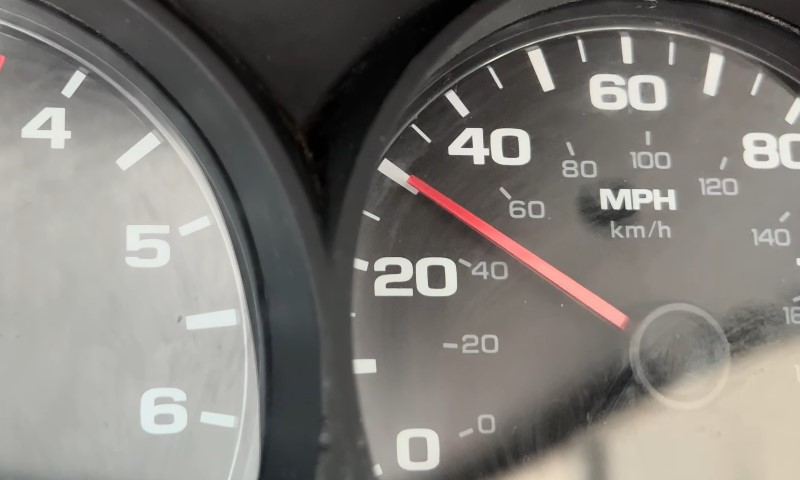
What you sense from behind the wheel shapes your experience with either engine.
4.8 Character
The shorter stroke makes the 4.8 feel eager to rev. It responds cleanly at higher rpm and suits lighter trucks or vans very well.
Around town, the engine feels steady and predictable. When towing, the driver often needs more throttle input and more rpm to get the same pull offered by the 5.3.
Performance builders enjoy the 4.8 because the short stroke and stout block handle high rpm or boost. Speedway Motors points out that many treat it as a budget base for 500 plus wheel horsepower builds with proper tuning.
5.3 Character
The longer stroke brings stronger low end and midrange torque. That torque helps trucks feel relaxed on hills or when towing. Downshifts happen less often. You work the throttle less. The engine pulls with a calm and steady pace that suits full size trucks and SUVs.
Both engines can make meaningful power with tuning and bolt-on parts. The 5.3 simply feels more muscular at low rpm before any mods.
Maintenance Priorities and Ownership Costs
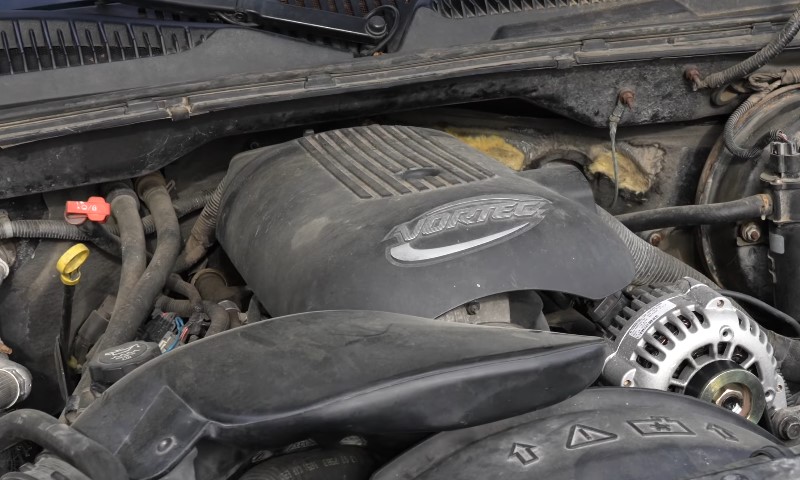
Long life comes from simple habits and early responses to warning signs.
4.8 Maintenance Priorities
Key items worth keeping on a regular schedule:
- Oil changes with the correct viscosity
- Cooling system service before pump failure
- Intake gasket replacement once during high mileage
- Throttle body cleaning
- Early fix on exhaust manifold leaks
Parts cost stays moderate because the engine avoids AFM or direct injection hardware. Most repairs are straightforward.
5.3 Maintenance Priorities
For the 5.3, focus shifts slightly depending on the generation.
Shared maintenance priorities across reliability sources:
- Shortened oil change intervals, especially with AFM
- Careful monitoring of the oil level
- Early attention to cooling components
- Fuel system cleaning on high-mileage engines
- Injectors serviced when needed
For direct injection engines:
- Walnut blasting intake valves
- Optional catch can installation
For AFM engines:
- Decide early whether to disable AFM
- Address ticking or lifter noise before failure spreads
- Keep oil quality high to protect lifters and cam
A proactive approach reduces the risk of high-dollar failures.
Modding and Swap Potential
Modders and swap builders look at the 4.8 and 5.3 through a different lens, since cost, displacement, and how each engine handles power adders shape the path a project can take.
4.8 Potential
Performance guides and builders often praise the 4.8 as a cost-effective base. It is usually cheaper on the used market, shares the LS family’s external parts, and responds strongly to turbo or supercharger setups. Many treat it as a light and rev happy base for budget performance.
5.3 Potential
The 5.3 sits at the center of the LS swap ecosystem. It has more displacement, better torque off idle, and an enormous aftermarket.
Bolt-on packages, cam kits, and boost setups are readily available. Many builders reach 400-plus horsepower with a mild cam and tune.
If later plans include a stroker build, the 5.3 also offers more room to grow.
So, Which Engine Fits You?
@carsrme So the question is does have the 4.8 or the 5.3 #Chevy #NewTruck #GMT800 #silverado #oldtrucks
Use cases matter more than numbers on paper.
Choose the 4.8 if you:
- Want lower initial cost
- Drive mostly unloaded
- Prefer a simple setup with no AFM
- Plan a budget turbo build or high rpm project
- Do not need maximum towing torque
Choose the 5.3 if you:
- Tow or haul frequently
- Want a stronger low-end pull
- Prefer an engine that feels relaxed carrying weight
- Plan mild bolt-on mods or a cam upgrade
- Are comfortable managing AFM or choosing a non-AFM Gen III variant
Both engines can live a long time when maintained. Gen III versions of both motors remain among the most durable small block truck engines GM built.
Later AFM and direct injection 5.3 engines still hold up well for owners who watch oil level, deal with lifter noise early, and clean intake valves when needed.
Quick Pros and Cons Table
Final Thoughts
The 4.8 and 5.3 sit close together on paper, yet their behavior and long-term ownership paths differ enough that your goals matter. Someone who wants simplicity, cost savings, and high rpm fun often leans toward the 4.8. Someone who tows or carries weight day after day usually prefers the 5.3 for its extra torque and relaxed feel.
Both engines come from a proven LS-based family. Both last an impressively long time with consistent oil changes and early attention to wear items. Both support modification paths from basic bolt-ons to fully built boosted setups. Choosing between them becomes less about which engine is better and more about which one suits the way you drive.