
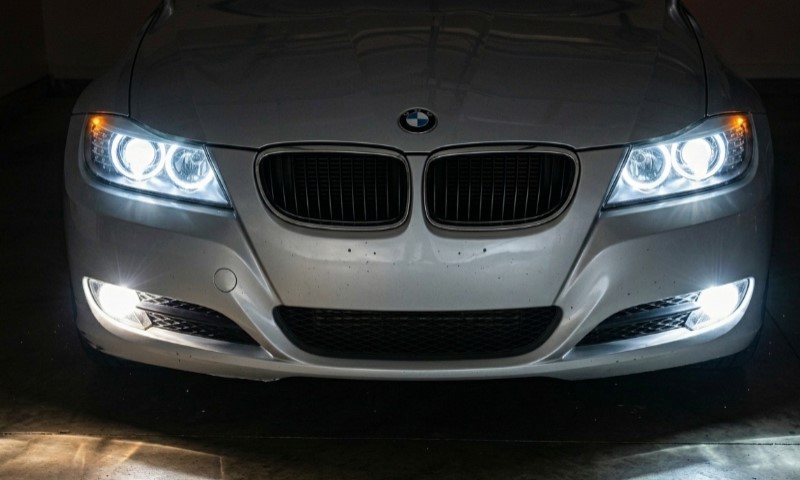
LED bulbs can improve nighttime visibility with brighter white light, lower power consumption, and a much longer service life compared with traditional halogen bulbs.
Estimated LED lifespan typically falls between 20,000 and 30,000 hours, while halogen bulbs may last only 300 to 800 hours.
Choosing an LED bulb for a BMW 328i requires more than matching a bulb number.
Model year, factory headlight configuration, bulb socket, available housing space, and electrical compatibility can all affect fitment.
BMW lighting systems can also react differently to aftermarket bulbs than simpler automotive electrical systems. Correct selection helps reduce flickering, dashboard warnings, poor beam patterns, and installation problems.
Check Your BMW 328i Model Year and Bulb Size
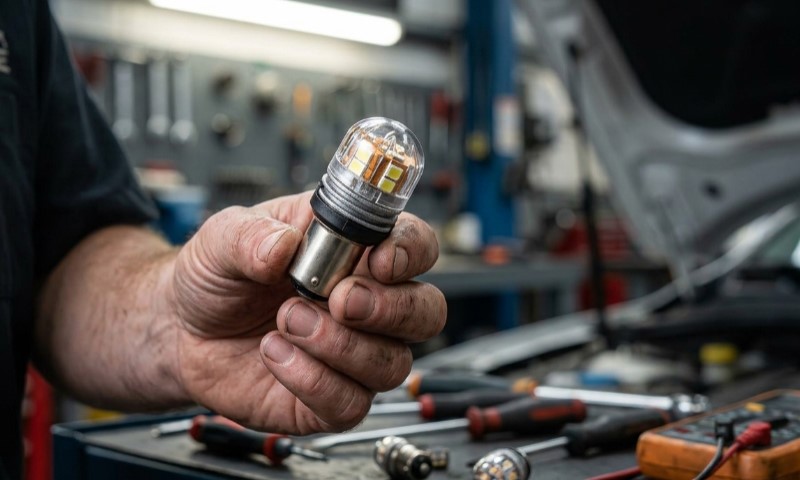
BMW 328i bulb sizes vary considerably across different production years and factory lighting configurations.
Checking the vehicle year and original headlight setup should be one of your first steps before ordering replacement LEDs.
Common OEM bulb applications include:
- 2007 to 2011 – 9006/HB4, H7, or D1S/D1R headlights, with H11 or 9006/HB4 commonly used for fog lights.
- 2012 – 9006/HB4, H7, or D1S/D1R headlights.
- 2013 to 2015 – H7 or D1S/D1R headlights.
- 2016 – H7 LED headlight bulb, with H11 or 9006/HB4 fog lights.
For models that use H11 fog lights, SEALIGHT H11 LED bulbs provide an option specifically matched to the H11/H8/H9 bulb family.
Fitment information listed above applies to OEM-equipped BMW 328i models within the 2000 to 2016 range.
Aftermarket headlight assemblies, previous conversions, wiring modifications, and custom lighting upgrades can change the bulb required for a specific vehicle.
Checking the bulb already installed in your car is a useful extra step. A label on the headlight housing, vehicle manual, or original bulb can also help confirm the correct size.
Identify Your Headlight Type
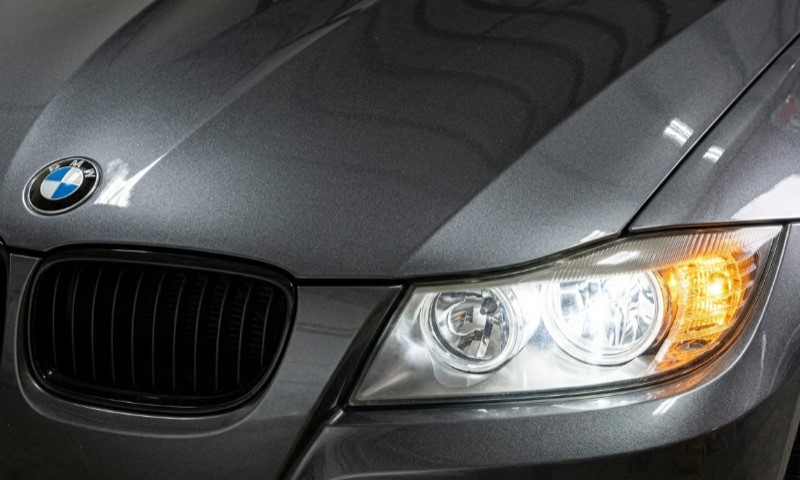
BMW 328i owners should identify the factory lighting system before purchasing an LED replacement. Common configurations include halogen, HID/Xenon, and factory LED systems.
Many F30 and F80 configurations use D1S bulbs for Bi-Xenon headlights and H7 bulbs for halogen headlights. Those systems operate differently and should not be treated as interchangeable.
A halogen headlight typically uses a conventional filament bulb connected directly to the vehicle lighting circuit.
An LED replacement designed for an H7 halogen socket may physically replace that bulb when dimensions and electrical requirements are compatible.
An HID or Xenon system works with a ballast and high-intensity discharge bulb.
D1S and D1R bulbs belong to this category. Installing a standard LED replacement into a Xenon system may require additional hardware, electrical changes, or a conversion kit designed specifically for that headlight type.
Factory LED headlights can use integrated lighting components rather than simple replaceable bulbs.
Confirming which system your 328i has prevents buying a product that cannot be installed correctly.
Check LED Compatibility
Socket fitment is only one part of LED compatibility. BMW electronics can detect changes in electrical resistance and power consumption, which can cause dashboard bulb warnings after installing aftermarket LEDs.
CANBUS-compatible or error-free LED bulbs are often a better choice for BMW applications.
Such bulbs are designed to work more effectively with vehicle bulb-monitoring systems and can help reduce warning messages.
Some F30 and F80 installations may also require additional modules, resistors, decoders, or bulb adapters.
Housing design can create another limitation because certain LED bulbs have larger rear sections due to cooling fans or heat sinks.
Coding may also be necessary in some retrofit situations. BMW lighting control modules can monitor bulb behavior, so changing halogen components to LED units may require software adjustments or wiring changes.
A bulb that fits into an H7 socket is not automatically a complete plug-and-play solution. Electrical behavior, physical clearance, adapter requirements, and vehicle coding should all be checked before installation.
Compare Brightness and Beam Pattern
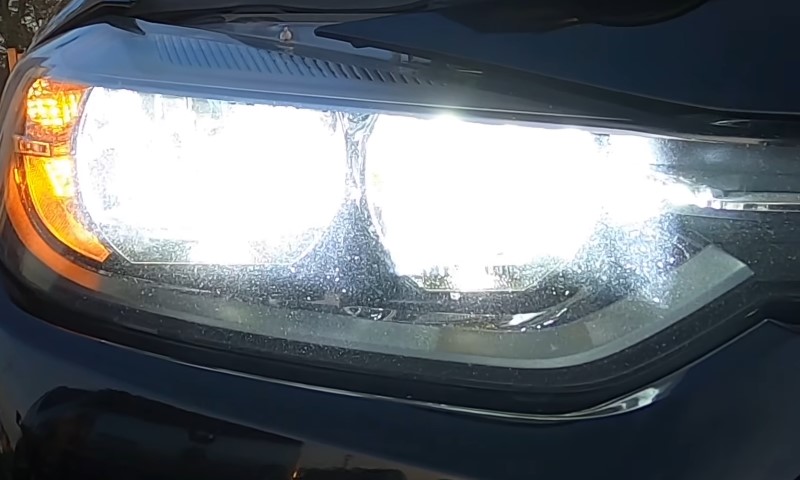
LED bulbs generally produce brighter and whiter light than halogen bulbs while using less electrical power.
Improved output can increase visibility on dark roads, especially when the bulb works correctly with the headlight reflector or projector.
Advertised lumen numbers should not be your only purchasing factor. Extremely high claimed brightness does not guarantee useful road illumination.
Pay attention to:
- Even illumination across the road
- A clearly defined cutoff pattern
- Good forward visibility
- Controlled light distribution
- Minimal glare for other drivers
LED chip placement matters because headlight housings are designed around a specific light-source position.
Poorly positioned LED chips can scatter light, reduce useful visibility, and create excessive glare even when total output appears very high.
Correct bulb orientation can also affect performance. Some LED bulbs allow rotational adjustment so the light-emitting chips can sit in the proper position inside the housing.
Good beam quality can provide better nighttime visibility without sending unnecessary light into oncoming traffic.
Choose the Right Color Temperature
View this post on Instagram
Color temperature affects both appearance and practical visibility.
Many LED headlight bulbs use a clean white output that looks more modern than the warmer yellow tone associated with traditional halogen bulbs.
A daylight-like white light can make road markings, signs, and surrounding objects easier to see at night.
It can also reduce the yellow appearance produced by older halogen lighting.
Extremely blue light is not always better. Higher color temperatures can create a more aggressive visual style, but practical visibility should take priority over appearance.
Look for a clean white output that offers good contrast without becoming excessively blue. Matching both headlights to the same color temperature also helps maintain a consistent appearance.
Fog lights deserve similar consideration. Very cool white light may not always provide ideal visual performance in rain, fog, or snow, so intended driving conditions should influence your choice.
Consider Cooling and Build Quality
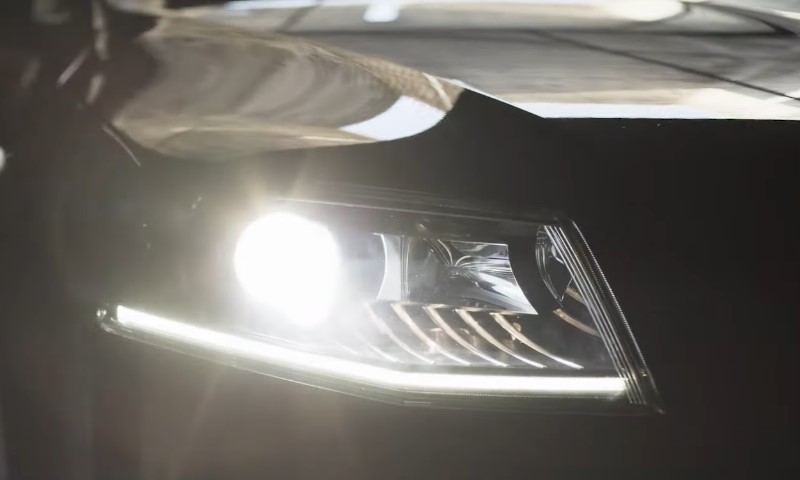
LED bulbs create less wasted energy than halogen bulbs, but their electronic components still generate heat.
Proper heat management plays an important role in maintaining output and extending bulb life.
Quality LED bulbs may use passive heat sinks, cooling fans, or compact thermal systems. Check available space behind the headlight before purchasing, especially if the housing uses a dust cap.
A large fan or heat sink can interfere with the rear cover, wiring, clips, or mounting hardware. Poor clearance can make installation difficult and may prevent the housing cover from closing correctly.
Build quality also matters. Low-quality aftermarket LEDs can experience premature failures, unstable output, noisy cooling fans, overheating, or inconsistent color.
Check product warranty coverage, buyer feedback, construction quality, and fitment information before purchasing.
LED bulbs generally cost more initially. Typical LED pricing may fall around $25 to $100, while halogen bulbs can cost roughly $5 to $20.
Longer operating life can offset some of that higher purchase price.
Estimated LED service life can reach 20,000 to 30,000 hours, compared with roughly 300 to 800 hours for halogen bulbs.
Installation and Final Checks
@frankcisco.b F30 328i LED Headlight Conversion – including fog lights. Full and coding done at EvilHeadlights. #evilheadlights #bmw #f30
Installation requirements vary based on model year, headlight configuration, and LED design.
Some BMW 328i applications may accept an LED bulb with minimal additional hardware, while others can require adapters, CANBUS modules, coding, or wiring changes.
Before removing the original bulb, check how it is secured.
H7 bulbs may use retaining clips or adapter rings that need to be transferred or replaced during installation.
After fitting the LED bulb, make sure wiring does not contact the cooling fan or interfere with the housing cover.
Complete several checks after installation:
- Start the vehicle and watch for dashboard bulb warnings.
- Check both headlights for flickering.
- Confirm both bulbs illuminate at similar brightness.
- Verify that color output matches on both sides.
- Make sure cooling fans operate properly if the bulbs use active cooling.
- Check low-beam and high-beam operation when applicable.
- Inspect the beam pattern against a flat wall.
- Confirm headlight aim does not create excessive glare.
Beam alignment deserves special attention after any bulb change. A bright LED installed into a housing with poor aim can create discomfort for other drivers and reduce usable visibility.
Professional adjustment can be worthwhile if the beam cutoff looks uneven or if light appears too high after installation.
Summary
Choosing an LED bulb for a BMW 328i starts with accurate fitment information.
Model year, bulb socket, factory headlight technology, electrical compatibility, and available housing space all affect which product can work correctly.
H7 bulbs are common in many halogen-equipped 328i headlights, while D1S and D1R applications are associated with HID or Xenon systems.
H11 and 9006/HB4 bulbs frequently appear in fog-light applications and certain earlier headlight configurations.
Coding and wiring changes can also be required during more involved LED conversions.