
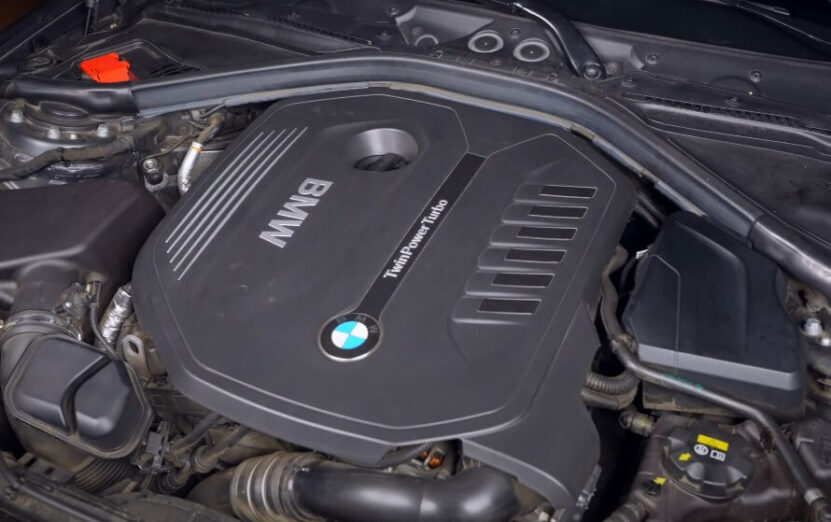
Engine shaking or vibration at idle or low RPMs can be alarming for any BMW owner. The sensation may feel subtle at first but can intensify if left unaddressed.
At its core, the issue points to disruptions in combustion efficiency or mechanical stability.
Early diagnosis not only prevents expensive component damage but also improves driving comfort and control.
Shaking problems at low RPMs are commonly reported in models such as the G30 530i and E90 330i, among others.
Ignoring the signs might lead to larger failures down the line, especially if vibrations begin to spread through the cabin or affect drivetrain components.
Identifying the source early gives drivers a head start toward resolving the issue before it becomes worse.
Common Mechanical and Electronic Causes
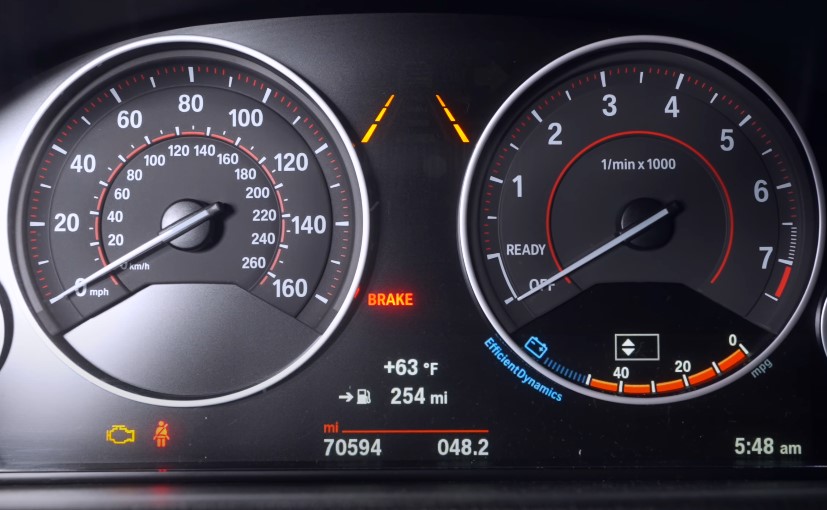
BMW engines operate on tight tolerances and engineering precision.
Maintaining a smooth idle and stable low-RPM performance requires a harmonious blend of correct fuel delivery, unrestricted airflow, accurate spark timing, and secure engine mounting.
When any one of these systems fails to function properly, the result is often engine shaking or vibration most noticeable during idle or in low RPM ranges, such as in traffic or at stoplights.
Dirty or Failing Fuel Injectors
Fuel injectors must deliver a fine mist of fuel at precisely controlled intervals. When these injectors become dirty due to carbon buildup or degraded fuel quality, the mist becomes inconsistent or blocked altogether.
It leads to cylinders receiving uneven amounts of fuel, causing some to misfire while others overcompensate.
A rough idle often follows, along with subtle shaking that becomes worse over time.
A failing injector may not always trigger a check engine light, but poor acceleration, hesitation, or decreased fuel efficiency usually point to this issue.
- Symptoms: Erratic idle, misfires under load, strong fuel odor.
- Inspection tip: Use a scan tool to monitor fuel trim data or cylinder contribution balance.
Worn Spark Plugs or Ignition Coils
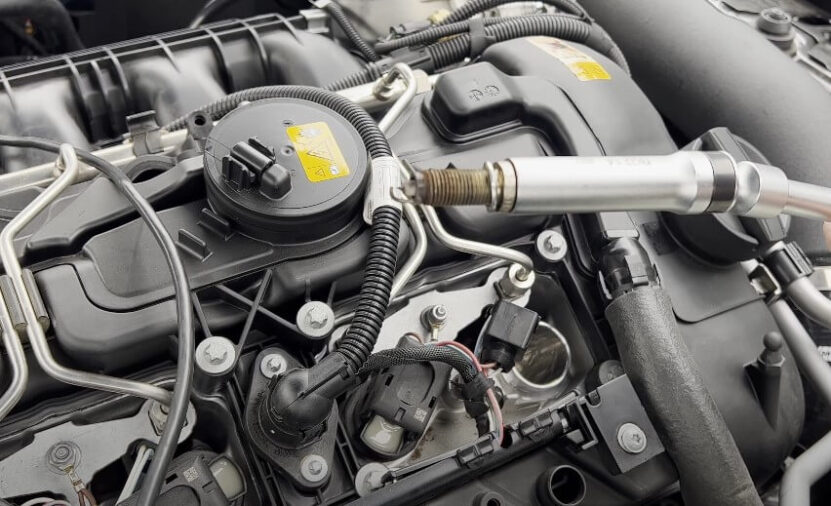
Spark plugs and coils ignite the air-fuel mixture inside each cylinder. Over time, plugs wear down and coils begin to weaken, especially in turbocharged engines under more stress.
A weak or inconsistent spark means combustion becomes irregular or even fails to ignite entirely in one or more cylinders.
In many cases, worn plugs and coils won’t immediately show up as a fault code, making physical inspection critical.
- Symptoms: Engine hesitation, sluggish throttle response, occasional misfire codes.
- Inspection tip: Replace spark plugs every 45,000–60,000 miles; test coils using a spark tester or swap method.
Clogged Air Filter
Air filters prevent dust, pollen, and debris from entering the intake system. Over time, they become saturated, restricting airflow to the engine.
A reduction in air volume causes the ECU to compensate by injecting more fuel, creating a mixture that’s too rich.
Engines running overly rich may shake, sputter, or emit black exhaust smoke at low RPMs. While simple, a clogged air filter is a commonly overlooked cause of poor idle behavior.
- Symptoms: Poor acceleration, fuel odor, blackened tailpipe tips.
- Inspection tip: Hold the air filter to light; if light doesn’t pass through, it’s due for replacement.
Vacuum Leaks
Modern BMW engines use sensors to monitor air entering the intake manifold. Vacuum hoses route air to various systems, such as:
- Brake booster
- PCV valve
- Turbo controls.
If a hose develops a crack or disconnects, unmetered air enters the system, confusing the ECU. The engine compensates incorrectly, leading to unstable idle and shaking.
Leaks are often silent, which makes diagnosis difficult without tools such as smoke testers or carb cleaner sprays.
- Symptoms: Surging idle, fluctuating RPMs, lean fuel trim codes.
- Inspection tip: Spray carb cleaner around suspected areas; a sudden RPM change indicates a leak.
Faulty Oxygen Sensor
@carknowledge_ Abnormal engine vibration, free solution!#cars
Oxygen sensors measure the oxygen content in exhaust gases and send feedback to the ECU.
A failing sensor may incorrectly report lean or rich conditions, prompting the ECU to make improper adjustments to fuel injection.
BMWs with aging sensors often show delayed throttle response or minor stutters, even if the check engine light hasn’t been triggered.
- Symptoms: Poor fuel economy, surging or jerking idle, emissions warning light.
- Inspection tip: Monitor live data with an OBD tool; sensors should show dynamic voltage changes.
Damaged Motor Mounts
Motor mounts secure the engine to the chassis while dampening its vibrations. Over time, especially with aggressive driving or poor road conditions, rubber mount material deteriorates.
A failed mount no longer isolates vibrations, allowing engine movement to transfer directly into the cabin.
While internal components may operate flawlessly, the physical shifting of the engine creates an unsettling shake during idling, parking maneuvers, or stop-and-go driving.
- Symptoms: Thumping on acceleration, cabin vibration at idle, engine movement under load.
- Inspection tip: Shift between drive and reverse while parked; excessive engine rocking suggests weak mounts.
If you’re looking for heavy-duty-grade engine or drivetrain mounts, commercial suppliers like hdproparts.com offer robust solutions commonly used in high-load applications.
While designed for trucks, they exemplify the durability standards useful in diagnosing or sourcing rugged components.
BMW-Specific User Experiences and Troubleshooting
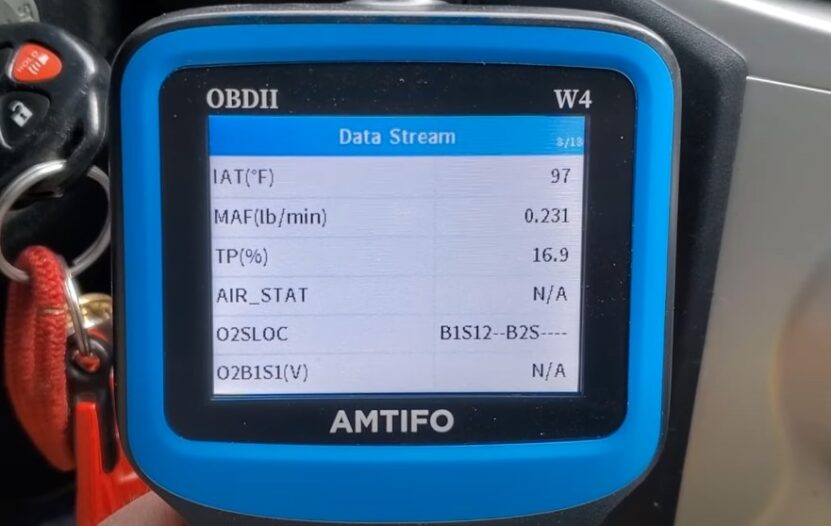
Owners of models like the 2018 G30 530i with Stage 1 tuning often report vibrations in the 1100–1200 RPM range.
In many cases, no diagnostic trouble codes appear, and even after checking spark plugs and coils, the issue remains unresolved.
In one frequently cited case, the vibrations were not related to component failure but to marginal combustion quality influenced by the ECU tune.
Small shifts in ignition timing or injector pulse width can escape standard diagnostics but still create imbalance at specific load and RPM zones.
A tune optimized for higher performance may inadvertently reduce smoothness during idle or part-throttle cruising.
Even without modifications, failing transmission mounts or aged engine mounts may contribute to resonance at idle. Engine speed inconsistencies, such as fluctuating between 700 and 750 RPM, could hint at sensor faults or adaptation issues in the throttle system.
Helpful user suggestions include:
- Monitoring idle RPMs with a scanner to check for inconsistencies.
- Resetting throttle adaptations or requesting ECU software updates at the dealership.
- Evaluating vibrations under different load conditions to pinpoint if it’s combustion-related or structural.
Ignoring these subtle signs may lead to worsened driveability and increased long-term strain on the drivetrain.
Oil-Change-Related Vibration: A Special Case
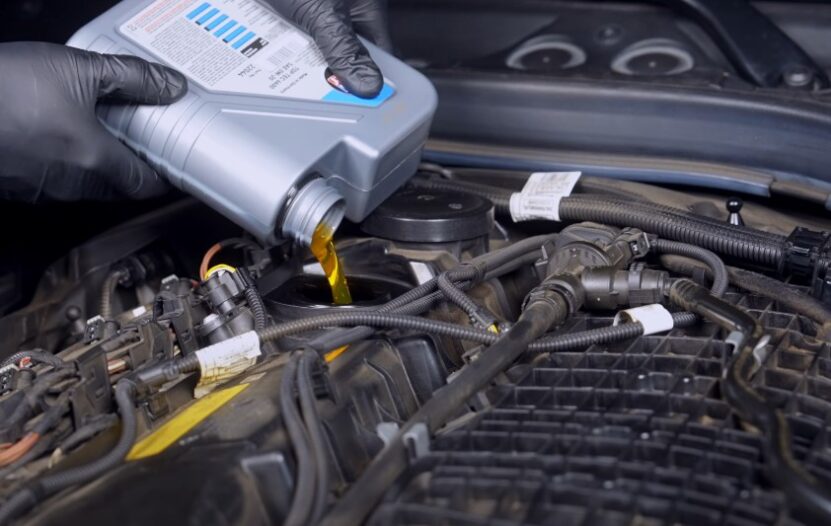
In a case reported by a 330i owner after a dealer oil change, a noticeable vibration began occurring at 500–600 RPM.
The vehicle had previously run smoothly, and the only recent change involved switching to Castrol Edge 0W30.
Oil viscosity impacts hydraulic lifters and variable valve timing systems. When the grade deviates from BMW LL-04 specifications, idle quality can suffer, particularly as the ECU adjusts to new flow characteristics.
A thinner oil may result in low oil pressure at idle, affecting engine balance.
Other culprits may include a loosely installed engine cover or heat shield rattling against adjacent components. Sometimes, a power steering pump can be thrown off balance after servicing, or an unbalanced pulley might be reinstalled with minor misalignment.
Recommendations for such scenarios:
- Confirm oil meets BMW LL-04 standards.
- Ask the dealer for a complete idle adaptation reset through the ECU.
- Inspect for any physically loose components under the hood.
Cases like these demonstrate that even basic maintenance tasks can lead to idle-related problems when not performed to factory standards.
When to Seek Professional Help
DIY checks like replacing spark plugs or inspecting air filters may solve common low RPM vibration issues. However, there comes a point where professional diagnostics are essential.
Vibrations that grow worse, extend into mid-RPMs, or begin affecting acceleration often indicate deeper mechanical or sensor-related faults. Engine control modules may log misfire events or adaptation failures not visible without dealership-grade tools.
Vehicles under factory warranty or certified pre-owned programs should be evaluated by BMW-trained technicians. Attempting major repairs without expertise risks making the issue worse or voiding coverage.
Seek help immediately if:
- Vibration persists after basic part replacement.
- The issue worsens while driving.
- You notice fuel consumption changes or check engine lights.
- Vehicle records show unresolved service campaigns or recalls.
The Bottom Line
Engine shaking at low RPMs in BMWs often stems from issues tied to ignition, fuel delivery, airflow, or mounting components.
Resolving the problem requires a layered approach, starting with simple fixes like spark plug checks or mount inspections, then moving toward sensor analysis and software recalibration if symptoms persist.