
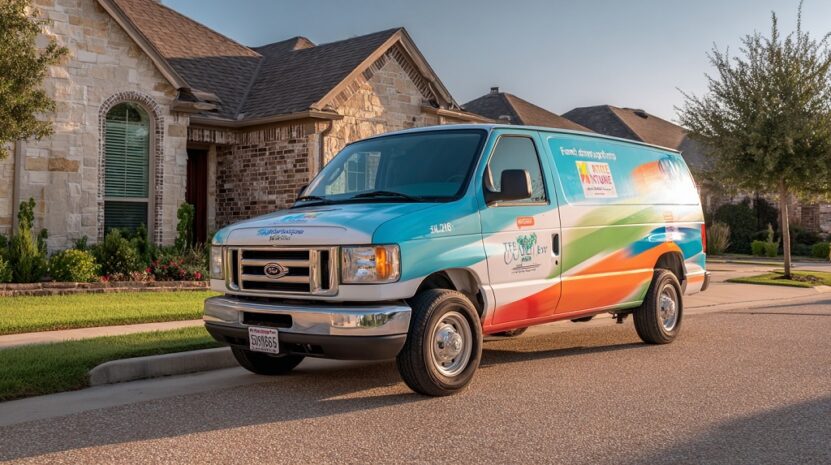
Car wraps with eye-catching images are everywhere now: from flashy commercial vans to matte-black sedans with bold personal artwork. It doesn’t matter if you’re promoting a local business or just want your car to stand out in traffic; vinyl wraps give you creative freedom that paint simply doesn’t.
But before you turn your ride into a moving billboard or a rolling mural, it’s worth asking: what does the law actually say?
That answer depends heavily on where you live, what kind of images you’re using, and how your vehicle is categorized. While federal laws give you plenty of leeway, state regulations, city ordinances, and even neighborhood rules can change the game fast.
Let’s break it down clearly, with examples, and practical tips.
No Federal Ban, But Don’t Relax Just Yet
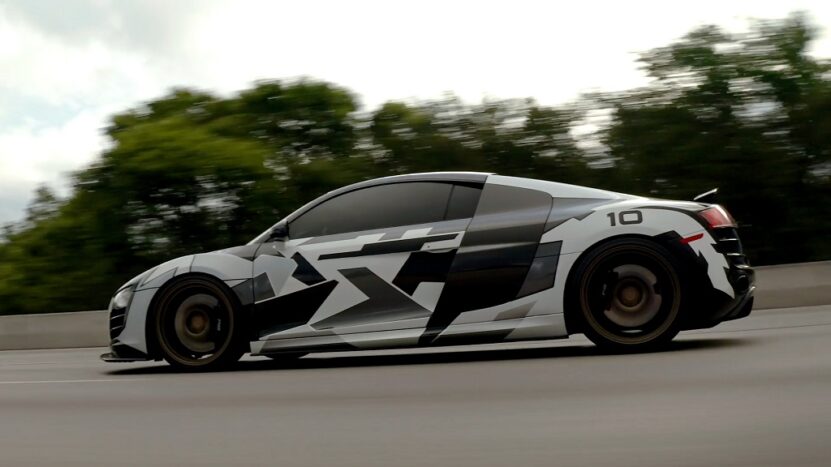
There are no federal laws that ban car wraps with images. That’s the good news. You won’t get pulled over by a federal agent for a graphic wrap on your Jeep or delivery van.
But federal silence doesn’t mean freedom everywhere. States and cities can enforce their own rules, and often do.
So, while the feds aren’t interested in your vinyl octopus art or bold pizza logo, your local DMV or HOA might be.
State Laws
Each state approaches car wraps a little differently, especially when those wraps include images, whether for style or advertising.
Some states are fine with almost anything. Others draw hard lines around reflectivity, window coverage, and commercial use.
Florida – No Plate Obstruction, No Chrome Blinders
View this post on Instagram
- License plate must remain fully visible. Even a slightly overhanging wrap could earn you a ticket.
- Reflective wraps are a no-go. Chrome or highly metallic finishes that reflect sunlight can be flagged as road hazards.
According to FLHSMV, section 320.061, Florida Statutes, prohibits any unlawful alteration of license plates, including airbrushing, vinyl-wrapping, or applying reflective/metallic finishes that hinder visibility or interfere with validation stickers.
The Florida Highway Patrol is actively enforcing this, issuing tickets (typically a $60 fine, three points) and sometimes seizing altered plates
California – Don’t Touch the Windows (Too Much)
- California has strict rules about window tint and visibility. Any images or tints applied as part of a wrap have to meet transparency requirements.
- Rear and side windows can have some tint, but front side and windshields have tight limits.
Using perforated vinyl for window images is common, but it still has to comply with the state’s visibility standards.
New York – Are You Advertising? Register as Commercial
- If your wrap includes business logos, phone numbers, or marketing messages, New York may classify your car as commercial.
- That comes with extra costs and different plate requirements.
This rule applies even if you’re using a personal vehicle for side hustle advertising. You might need to register your car as commercial just because of the wrap content.
Local Ordinances and Advertising Bans
Some cities take things even further. Here’s where drivers often get caught off guard.
San Francisco

San Francisco explicitly bans advertising on personal vehicles parked on city streets. A wrap promoting a restaurant, gym, or app? That might get you cited.
Other Cities
Municipalities often target distracting or high-glare wraps, especially those with animated graphics, neon themes, or light-reactive elements.
Local police can issue citations if they determine a wrap causes visibility or safety issues for other drivers. Even without statewide bans, local laws can still apply.
Commercial vs. Personal Use
If your wrap promotes a business, even subtly, it may shift your vehicle’s classification.
What That Means
- Higher registration fees
- Commercial plates
- Business-use insurance requirements
States like Texas, California, and New York tend to crack down on unregistered commercial vehicles, especially if your wrap makes your car look like part of a fleet.
A local enforcement officer flagged the car as commercial and issued a warning that it needed a registration change. Even if you clear every state and city hurdle, your neighborhood might still say no. The First Amendment gives you plenty of expressive freedom, but it doesn’t shield you from every consequence. If you’re creating your own wrap visuals, make sure you use legally sourced images; stock platforms like Dreamstime offer high-quality, royalty-free options that won’t land you in copyright trouble. Car wraps can impact how safely your car operates. You might not need to register your wrap with the DMV, but in some states, you might if the vehicle’s color changes significantly. Vehicle wraps aren’t just fun, they’re big business. According to 3M, a single vehicle wrap can reach 70,000 impressions per day. That’s powerful marketing, but it also puts your car in the spotlight. Here’s how to avoid citations, complaints, or lawsuits while still enjoying your car wrap: Car wraps with images can make a statement, drive business, or just express personality, but they’re not without rules. From state traffic laws to HOA aesthetics, there’s a patchwork of legal hurdles that could cost you fines or even lawsuits if you’re not careful. The safest bet? Do your homework, stick to clean and safe designs, and work with professionals who know how to keep you on the right side of the law. A smart, compliant wrap can still turn heads—just not the kind holding a citation book.State-Specific Car Wrap Laws
State
Key Regulation
What to Watch For
Florida
License Plate & Reflectivity
No obstruction or high-glare finishes
California
Window Tinting Laws
Strict limits on window images or tints
New York
Commercial Wrap = Commercial Vehicle
Business-related wraps may require commercial registration
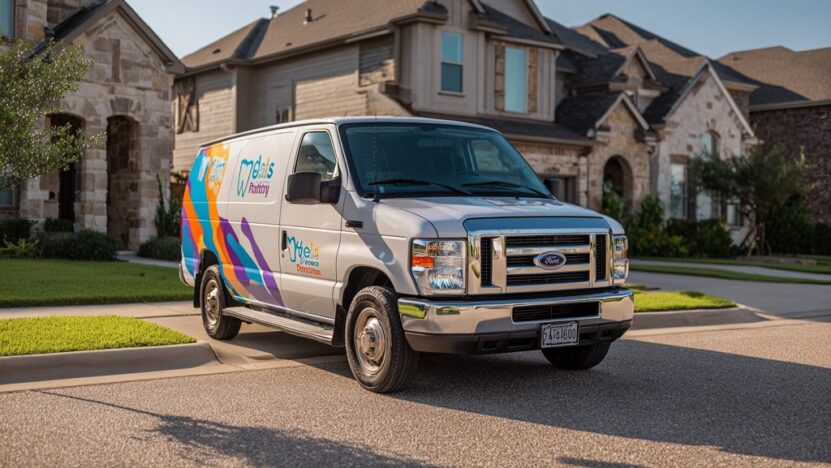
What Your HOA Has to Say
Common HOA Restrictions:
Not All Images Are Legal
Images to Avoid
Visibility Rules Can’t Be Ignored
Key Safety Guidelines:
Insurance & DMV
When to Notify the DMV
When to Notify Your Insurer
Stats and Cautionary Tales
Examples:
Best Practices to Keep It Legal
Checklist
Final Word