

Police cannot charge a sober driver with DUI or DWI simply because a passenger in the vehicle is drunk. However, the situation is more nuanced than a simple yes or no, because while the driver cannot be arrested solely due to someone else’s intoxication, a drunk passenger can create situations that result in legal consequences for the driver, depending on behavior, jurisdiction, and context.
What the Law Says
Under U.S. law, DUI (Driving Under the Influence) and DWI (Driving While Intoxicated) charges apply to the person operating the vehicle, not to the passengers. For a driver to be charged, police must establish evidence that the driver is under the influence of alcohol, drugs, or a combination of both. This is typically done using:
- A breathalyzer test (usually with a legal BAC limit of 08% in most states)
- Field sobriety tests
- Blood or urine tests, if required
So, if the driver is completely sober, police cannot charge them with DUI — even if every passenger in the car is visibly intoxicated.
When Drunk Passengers Can Still Get You in Trouble
Even if the driver is completely sober, the behavior or status of intoxicated passengers can lead to legal problems that directly affect the driver. While police cannot charge the driver with DUI just for having a drunk passenger, certain laws and circumstances can still trigger citations, fines, or even arrest. Below are three major ways this can happen.
1. Open Container Violations
In most U.S. states, it is illegal to have open containers of alcohol in the passenger area of a moving vehicle, even if the driver is not drinking and is fully sober. These laws generally apply to both passengers and drivers, but the driver is the one who receives the citation in most cases.
A driver can be held responsible if:
- The open container is within reach of the driver or in a shared space
- The container is unsealed or partially consumed
- The alcohol is not stored in the trunk or another sealed area
- No clear distinction exists between the driver’s area and the passenger’s (as in some trucks or rideshare vehicles)
Penalties may include:
- Fines ranging from $100 to $500, depending on the state
- Points added to the driver’s license
- In some jurisdictions, additional scrutiny or DUI testing is required the situation that raises suspicion
2. Public Intoxication or Disorderly Conduct

If a drunk passenger behaves disruptively, they may draw police attention, which results in consequences for both themselves and the driver. This includes:
- Yelling or screaming from the passenger seat
- Standing up while the vehicle is moving
- Leaning out of windows, opening doors, or creating a distraction
- Refusing to comply with police during a traffic stop
If police stop the vehicle due to passenger behavior, the driver may:
- Be cited for reckless driving or failure to maintain control of the vehicle
- Be warned, detained, or questioned further
- Face arrest if other violations are discovered during the stop (expired license, outstanding warrants, etc.)
Even if no traffic laws were broken by the driver, the presence of a disruptive passenger can escalate into a secondary investigation that results in penalties unrelated to DUI, especially if the stop occurs late at night or near bars and entertainment zones.
3. Minor in Possession or Underage Drinking
If an intoxicated passenger is under the legal drinking age of 21, the driver faces a completely different level of legal risk. In many states, a driver can be charged with additional crimes, especially if they are:
- Transporting a minor who is visibly intoxicated
- In a vehicle where alcohol is present and accessible to a minor
- Suspected of supplying alcohol to someone under 21
Some of the most serious charges include:
- Contributing to the delinquency of a minor
- Facilitating or enabling underage drinking
- Zero-tolerance vehicle alcohol violations (even if the minor was not drinking inside the car)
In states like Texas, these offenses carry severe penalties:
- Fines of up to $2,000
- Suspension of the driver’s license for up to 180 days
- Up to 180 days in jail for knowingly allowing underage drinking or possession in the vehicle
Shared Risk in Impaired Driving Cases
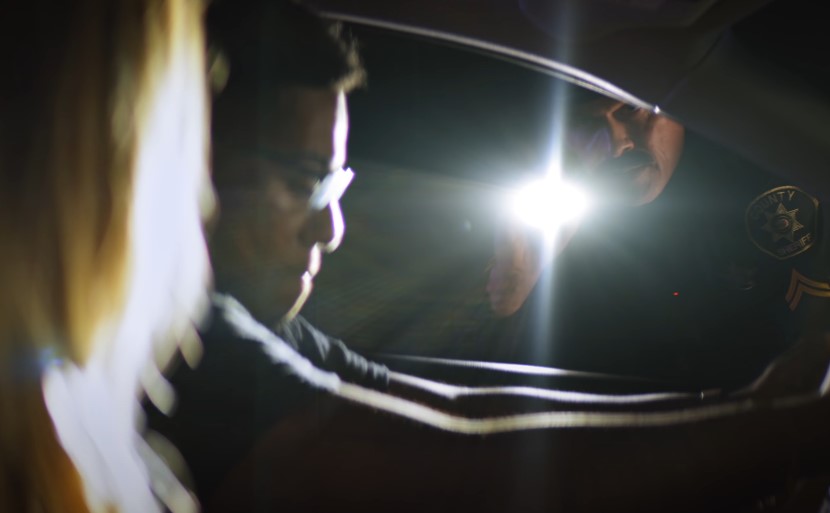
Sometimes, the police may be unsure who was driving. This usually happens if:
- The car is parked, but the engine is running
- Both people claim the other was driving
- There’s an accident, and no one is in the driver’s seat when help arrives
In such cases, police may temporarily detain or charge both the driver and the passenger until they determine who was behind the wheel. If both parties are intoxicated and no witnesses exist, this becomes a serious legal issue.
This is where working with a qualified DUI attorney becomes essential. An experienced attorney can challenge vague police reports, fight unlawful detentions, and help establish who was driving, especially in parked car or shared-access scenarios.
Can a Drunk Passenger Be Charged with a Crime?
Yes. Drunk passengers are not immune to legal action. They can be arrested or cited for:
- Public intoxication
- Open container violations
- Disorderly conduct
- Minor in possession, if under 21
- Interfering with law enforcement, if they are aggressive during a stop
In some states, a severely intoxicated passenger who tries to grab the wheel or distract the driver could even be charged with attempted reckless endangerment.
What About Rideshare Drivers (Uber/Lyft)?

Rideshare and taxi drivers are not responsible for a passenger’s intoxication if:
- The passenger is of legal age
- No laws (open container, disorderly conduct) are being violated
- The driver remains sober and in control
However, they are expected to refuse service to highly disruptive or vomiting passengers to avoid damage and legal risk. Rideshare apps allow drivers to report unruly passengers and charge cleaning fees.
Legal Consequences and Fines by State (Examples)
| State | Open Container Fine | DUI Passenger Risk | Notes |
|---|---|---|---|
| California | Up to $250 | Driver not liable | VC 23222 applies |
| Texas | $500–$2,000 | Yes (minor involved) | A driver can be charged if they enable underage drinking |
| New York | Up to $150 | Unlikely | The passenger may be fined separately |
| Florida | Up to $100 | Case-by-case | If behavior impairs driving, the driver may be cited |
Conclusion
If you’re driving sober and have a drunk passenger, you cannot be charged with DUI just for that. However, you can still be fined, cited, or investigated depending on:
- What the passenger does
- What’s inside the vehicle (open containers, drugs)
- Whether underage drinking is involved
Always keep your vehicle clean, safe, and legal. If a passenger is acting out, don’t hesitate to stop the car and call someone to help or let them out in a safe place. And if you’re ever in a gray-area legal situation — especially involving alcohol, traffic stops, or conflicting testimony — consult a qualified DUI attorney as soon as possible.