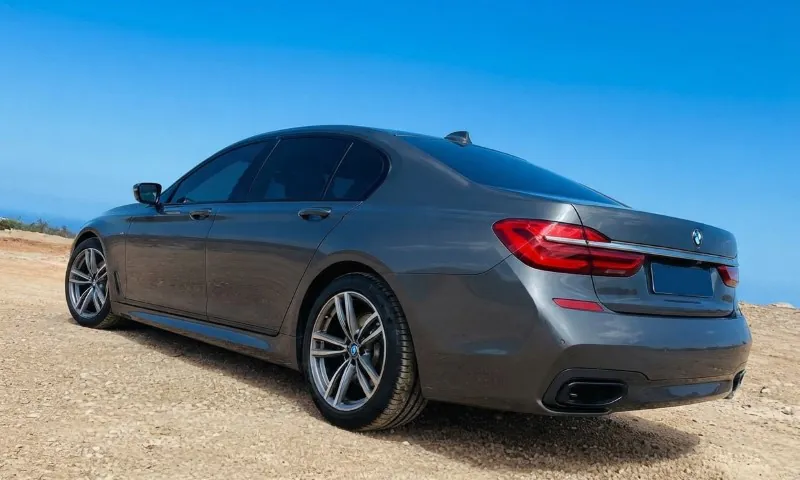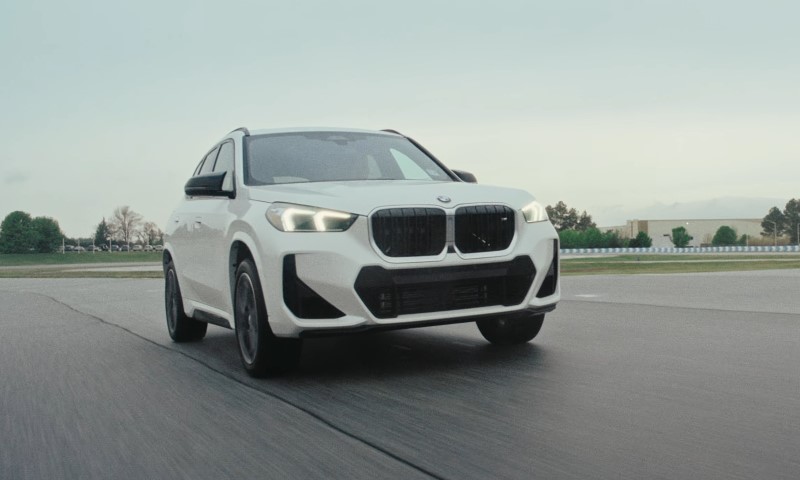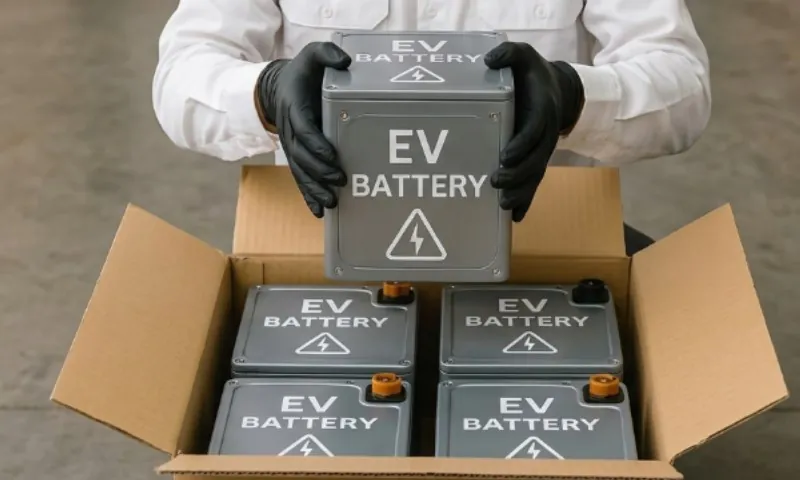


When you are ready to part ways with your vehicle, whether due to a lifestyle change, a move, or an upgrade, your three main options are: sell it, trade it in, or store it. The concrete answer is that selling typically yields the highest financial return, trading is the most convenient during a vehicle upgrade, and storing is only practical when the car will be used again shortly and retains significant value.
The right decision depends on your vehicle’s current market value, your immediate and long-term needs, and how much time and effort you are willing to invest. Below is a detailed guide to help you compare the options based on real numbers, current trends, and practical factors.
Current Vehicle Market in 2025

Before analyzing your options, it’s important to consider the state of the vehicle market. Here are some key 2025 figures:
| Metric | Value (2025) |
| Average used car price (US) | $27,800 (Kelley Blue Book, May 2025) |
| Average trade-in value | $19,600 (Edmunds Q2 2025) |
| Average depreciation after three years | 39% (iSeeCars 2025 Report) |
| Average annual storage cost | $1,200 to $2,500 (garage or facility) |
| Selling time for private listings | 10 to 21 days (Autotrader Data) |
These numbers show that while used car prices are stabilizing after pandemic-related spikes, values are still historically high, especially for fuel-efficient or electric models. This makes it an advantageous time to sell, unless you have plans for the car.
Option 1: Selling Your Vehicle
Selling your car privately offers the highest potential return. You control the asking price, negotiate directly with buyers, and avoid dealer markups.
- Higher payout: Private sellers often receive 15% to 30% more than trade-in values.
- Flexibility: You choose the timing, price, and platform (Craigslist, Facebook Marketplace, Autotrader).
- No dealership dependency: This is especially helpful if you’re not planning to buy a new vehicle.
- Time-consuming: Listing, responding to inquiries, and handling paperwork takes effort.
- Safety concerns: You’ll have to meet buyers and manage test drives.
- No instant sale: The process can take days or weeks.
Sample Financial Comparison:
| Vehicle Type | Trade-In Value | Estimated Private Sale Price | Difference |
| 2019 Toyota RAV4 | $18,500 | $21,700 | +$3,200 |
| 2020 Honda Civic | $16,200 | $18,800 | +$2,600 |
| 2018 Ford F-150 | $20,400 | $23,500 | +$3,100 |
These examples show the real advantage of selling outright. This principle also applies when calculating motorcycle value, especially for models with custom features or low mileage. Just like with cars, motorcycles often fetch higher prices when sold directly to individuals rather than through trade-ins or third-party services.
Option 2: Trading In Your Vehicle

Trading in your car is the most convenient strategy if you’re purchasing another vehicle. The dealership subtracts your car’s value from the new purchase, reducing both sales tax and hassle.
- Speed and simplicity: Process takes less than a day at most dealerships.
- Sales tax benefits: In many states, you only pay sales tax on the price difference.
- One-stop transaction: No need to sell your car separately.
- Lower return: Dealers offer wholesale or below-market prices to maintain profit margins.
- Limited leverage: If you’re not buying a car, trade-in offers are usually worse.
Trade-In vs Sales Tax Savings Example:
| State | New Car Price | Trade-In Value | Sales Tax Rate | Sales Tax Saved |
| Texas | $35,000 | $20,000 | 6.25% | $1,250 |
| California | $42,000 | $18,000 | 7.25% | $1,305 |
| Illinois | $31,000 | $15,000 | 6.25% | $937.50 |
In states where trade-ins reduce taxable amounts, this approach makes more sense financially, especially if you prioritize ease over maximum profit.
Option 3: Storing Your Vehicle
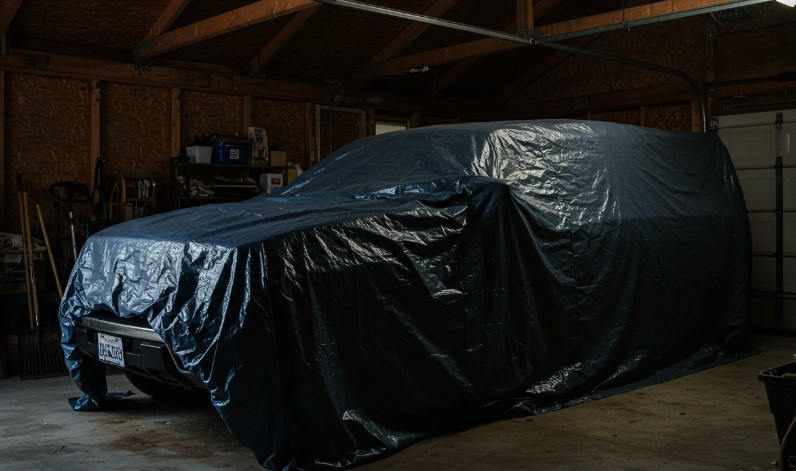
Storing your car is best suited for those who are temporarily pausing use, such as military deployment, extended travel, or seasonal usage (convertibles or collector cars).
- Preserves ownership: You keep the car for future use.
- Useful for classics: Storage is often the only option for collectible or sentimental vehicles.
- No need to buy again later: Saves you from vehicle shortages or inflated prices down the road.
- Ongoing cost: Storage fees plus battery maintenance, insurance, and periodic servicing add up.
- Depreciation continues: Your vehicle still loses value even when unused.
- Risk of damage: Even stored cars can suffer from rodents, humidity, or tire flat spots.
Sample Annual Storage Cost Breakdown:
| Storage Type | Monthly Cost | Annual Cost | Notes |
| Basic outdoor lot | $80 | $960 | No climate control or security |
| Indoor garage | $150 | $1,800 | Better protection, higher cost |
| Climate-controlled | $200 | $2,400 | Best for luxury or classic vehicles |
| At-home setup | ~$50 | ~$600 | Only if you have a secure garage |
If the annual depreciation exceeds the cost to store, or if your use case doesn’t justify the value retention, selling is often smarter.
Which Exit Strategy Is Best for You?
View this post on Instagram
To determine the best approach, consider the following factors in combination:
| Factor | Sell | Trade | Store |
| Need quick action | Takes time | Instant | No financial return |
| Maximizing financial value | Highest return | Lower offer | Ongoing cost |
| Avoiding hassle | Effort needed | Simple | Once arranged |
| Planning to use it later | Not applicable | Not applicable | Best option |
| Upgrading to a new vehicle | Separate process | Streamlined deal | No use in upgrading |
If your goal is:
- Max profit: Sell it privately
- Buy another car fast: Trade it in
- Keep it for future use: Store it responsibly
Additional Tips for Each Strategy

Tips for Selling:
- Use trusted platforms with verified buyers.
- Clean the vehicle professionally for better photos.
- Know your minimum price in advance.
- Get a vehicle history report (Carfax or AutoCheck).
Tips for Trading:
- Get multiple quotes from competing dealers.
- Use tools like Edmunds or KBB for trade-in estimates.
- Negotiate your trade-in and new car price separately.
Tips for Storing:
- Inflate tires to prevent flat spots.
- Use a trickle charger for the battery.
- Add fuel stabilizer if storing longer than three months.
- Cover your vehicle with a breathable car cover.
Final Recommendation
If your vehicle is still in good condition and holds above-average value, and you do not need it in the next six to 12 months, selling it privately will give you the best financial result in 2025’s market.
However, if you are transitioning directly into a new car, a trade-in makes sense for convenience and tax reasons. Storing should only be considered if the car is rare, sentimental, or needed again soon; otherwise, you are paying to hold a depreciating asset.