
Power steering is one of those features you barely think about – until it stops working. That smooth, one-finger steering you rely on every time you pull into a parking space comes from a system designed to multiply your effort.
When it fails, the steering wheel suddenly feels like it belongs on a tank. Turning becomes exhausting, especially at low speeds, and every movement demands both hands and plenty of muscle.
A power steering failure is not just inconvenient. In tight traffic or during sudden maneuvers, it can be downright dangerous. Knowing why it happens, how to fix it, and what you can do to prevent it is the key to avoiding a stressful and costly situation.
Below, we’ll break it down in practical, everyday language – so if your steering ever stiffens or starts making odd noises, you’ll know exactly what to check first.
How Power Steering Works
Modern cars rely on one of two systems to help you steer:
- Hydraulic Power Steering (HPS): Uses fluid and a pump, usually driven by the engine’s serpentine belt, to provide steering assist.
- Electric Power Steering (EPS): Uses an electric motor and sensors to adjust steering effort based on driving conditions.
Common Causes of Power Steering Failure
Each type of system has its own weak points, but some problems are universal. Here are the most frequent culprits and what they look like in real life.
1. Low or Leaking Power Steering Fluid
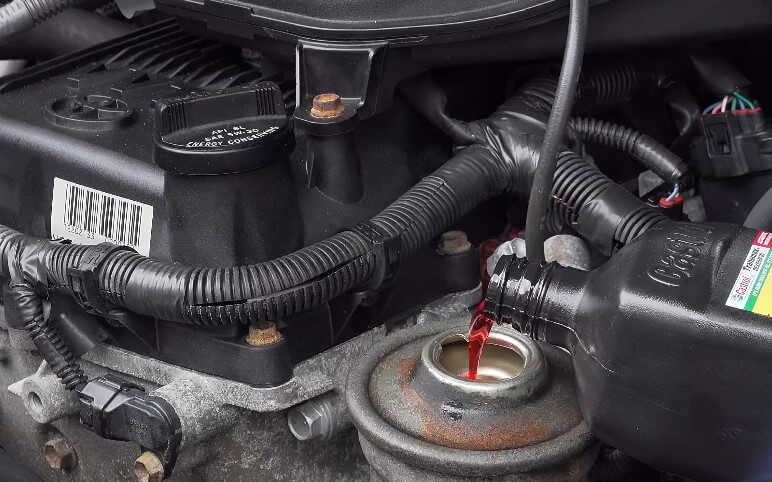
Hydraulic systems can’t function without fluid. It transfers pressure, lubricates the pump, and keeps the system running smoothly. If fluid levels drop, steering gets heavy and the pump can quickly wear out.
If you notice a puddle under your car, replacing worn hoses or seals quickly is key. Many drivers source replacements through wholesale car parts suppliers to save on repair costs.
Where Leaks Usually Happen
- Power steering pump seals
- Hoses and connections
- Steering rack or gear box seals
What You’ll Notice
- Whining or groaning noise when turning
- Heavy steering at low speeds
- Puddles of reddish or amber fluid under the car
2. Worn-Out Pump or EPS Motor
A pump failure in a hydraulic system or a motor failure in an electric system has the same result: no steering assist.
- Hydraulic pumps may start with a subtle whine that escalates to grinding noises before total failure.
- EPS motors often fail intermittently, with a steering warning light appearing on the dash.
3. Damaged or Loose Belt
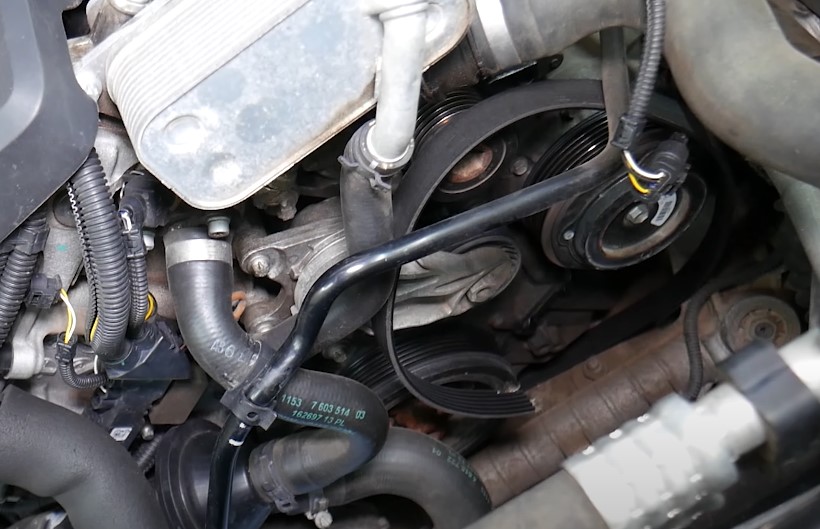
Hydraulic pumps rely on the engine belt for power. A frayed, loose, or broken belt prevents the pump from spinning fast enough to generate pressure.
Symptoms
- Steering feels heavy, especially at idle
- Squealing noise from the engine bay during turns
4. Faulty Steering Rack or Gear Box
The steering rack (or gear box in older designs) translates the rotation of your steering wheel into wheel movement. Internal wear can cause binding, clunking, or even prevent the wheel from returning to center.
Clues
- Clunking noises when turning
- Jerky or sticky steering response
- Wheel doesn’t naturally straighten after a turn
5. Electrical Issues in EPS Systems
Electric power steering relies heavily on electronics. Common points of failure include:
- Control module faults
- Steering angle sensor errors
- Damaged wiring or corroded connectors
- Blown fuses or relays
Symptoms
- Steering warning light on the dashboard
- Heavy or inconsistent steering assist
- Intermittent failures, often when starting or during sharp maneuvers
6. Air in the Hydraulic System
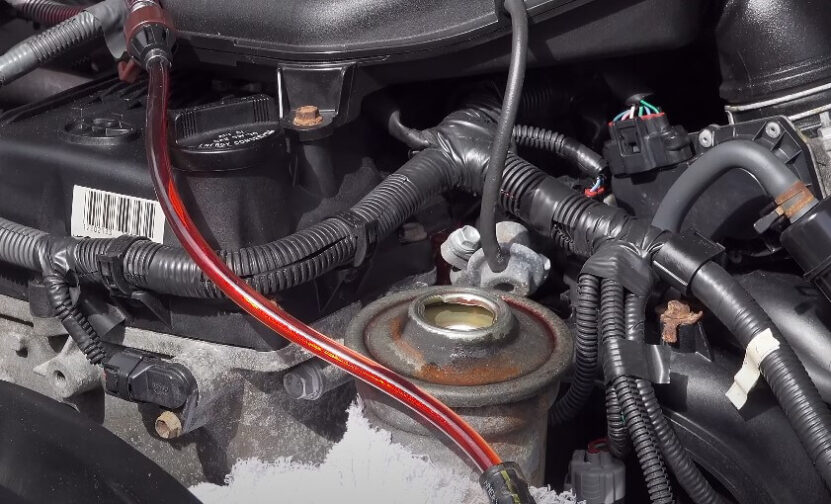
If air enters the fluid lines – usually from low fluid or improper repair – the steering can feel spongy or inconsistent. You might hear a gurgling or choppy sound when turning.
Example
After topping off fluid, a driver notices the steering shakes slightly in parking maneuvers. The system needs to be bled to remove air pockets.
7. Contaminated Fluid or Clogged Filter
Dirty or burnt fluid causes sluggish steering and accelerates component wear. Metal shavings from a failing pump or rack can also clog filters.
Example
During a fluid check, a mechanic finds the fluid is dark brown and smells burnt. The steering assist is slow, signaling contamination and possible pump damage.
Fixes for Power Steering Problems
Fixing a power steering issue starts with identifying the culprit. Costs vary widely, but knowing what to expect can help you plan repairs or decide if DIY is realistic.
| Repair Type | Estimated Cost (USD) | Notes |
|---|---|---|
| Hose Replacement | $100–$300 | Parts and labor; cost varies by vehicle. |
| Pump Replacement (Hydraulic) | $200–$600 | Often paired with a fluid flush. |
| Motor Replacement (EPS) | $200–$700 | May require control module recalibration. |
| Belt Replacement | $500–$1,200 | Cost rises if tensioner or pulley needs work. |
| Steering Rack Replacement | $400–$1,000+ (Hydraulic); $10,000–$25,000+ (EPS) | Major job; alignment required afterward. |
| Electrical Repairs (Sensors/Modules) | $200–$1,000+ | Varies by component and whether programming is needed. |
| Fluid Flush | $70–$150 | Preventive maintenance or post-repair service. |
Practical Notes
- Always confirm the correct type of power steering fluid for your vehicle. Using the wrong fluid can ruin a pump or rack.
- After any hydraulic repair, bleeding the system to remove air is essential.
- For EPS issues, a diagnostic scan tool is your best friend – blindly replacing parts can get expensive fast.
Preventing Power Steering Failure
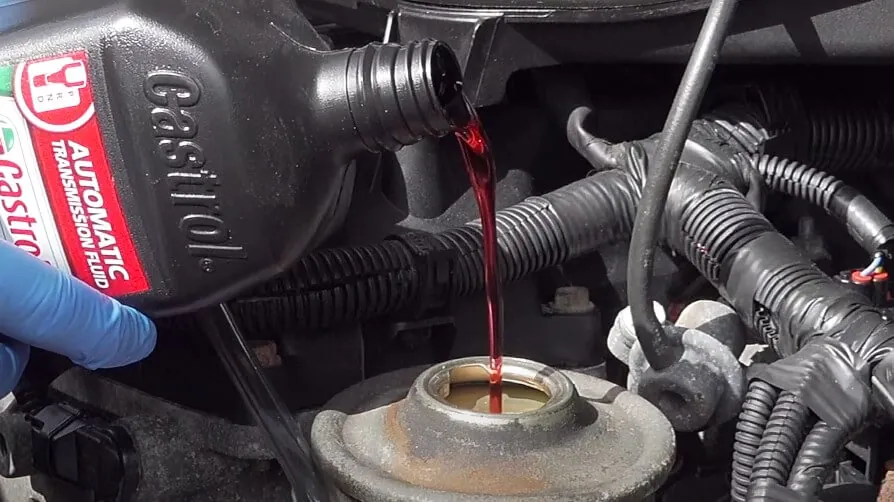
Catching small problems early saves money and keeps you safe. Regular maintenance habits can extend the life of both hydraulic and electric systems.
1. Check Fluid Regularly
- How often: Every 5,000–10,000 km or at routine service intervals
- What to look for: Proper level, no burnt smell, and no discoloration
- Why it matters: Low or dirty fluid is the fastest way to destroy a hydraulic pump
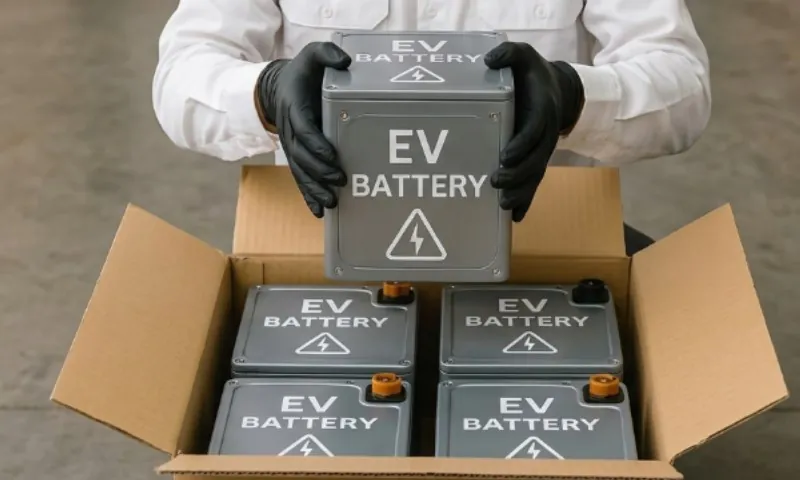
2. Keep Your Battery Healthy
Electric systems depend on strong voltage. A weak or failing battery can cause intermittent EPS failure.
- Test the battery annually
- Replace it before it drops below recommended voltage
3. Avoid Holding the Wheel at Full Lock
Cranking the wheel all the way to one side and holding it there for more than a few seconds can overheat a pump or strain an EPS motor.
4. Fix Early Symptoms
View this post on Instagram
- Whining, clunking, or stiff steering always deserves a quick inspection
- Catching a small hose leak or loose belt early is far cheaper than replacing a rack or pump later
5. Schedule Preventive Maintenance
- Flush hydraulic fluid per the manufacturer’s schedule
- Inspect belts and tensioners every six months
- Keep up with tire rotations and wheel alignments to reduce strain on the system
6. Stay Informed About Recalls
Manufacturers often release Technical Service Bulletins (TSBs) or recalls for known steering issues. Signing up for recall alerts can save you from paying for a repair that might be covered.
Example
Ford issued recalls for nearly 500,000 vehicles for EPS-related failures. Owners who stayed updated avoided out-of-pocket costs for steering repairs.
| Preventive Measure | Frequency | Purpose |
|---|---|---|
| Fluid Level Check | Every 5,000–10,000 km | Prevents pump damage and ensures smooth steering |
| Battery Health Check (EPS) | Annually or as needed | Maintains reliable electric steering assist |
| Avoid Prolonged Full Lock | Every drive | Reduces wear on pumps and motors |
| Address Symptoms Promptly | As soon as noticed | Prevents minor issues from escalating |
| Fluid Flush | Per manufacturer’s schedule | Removes contaminants and extends component life |
| Belt Inspection (Hydraulic) | Every 6 months or at service | Ensures pump efficiency and avoids sudden failure |
| Alignment & Tire Maintenance | Every 6 months or 10,000 km | Reduces steering stress and uneven wear |
Final Thoughts
Power steering failure turns an easy drive into a wrestling match with the wheel, but it’s rarely a sudden, random event. Most issues give warning signs – whining noises, heavy steering, or fluid spots on the driveway.
By learning the causes, knowing how to fix the common failures, and following a simple maintenance routine, you can avoid most headaches. Whether your car uses a traditional hydraulic setup or modern EPS, keeping the system in shape is far cheaper and safer than waiting for a total breakdown.
Stay alert, check your fluid, listen to your car, and address small problems before they turn into expensive repairs. Your arms – and your wallet – will thank you.