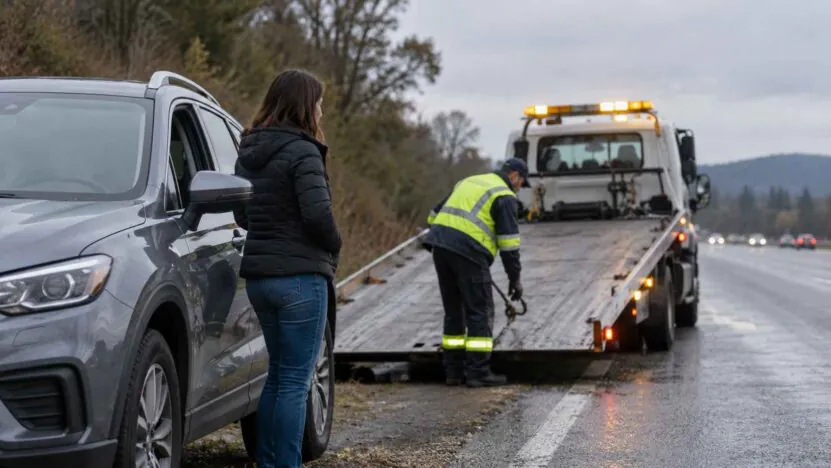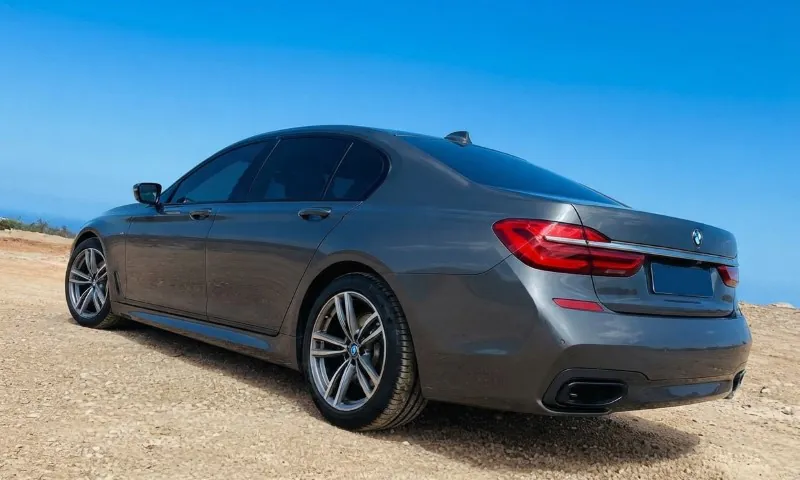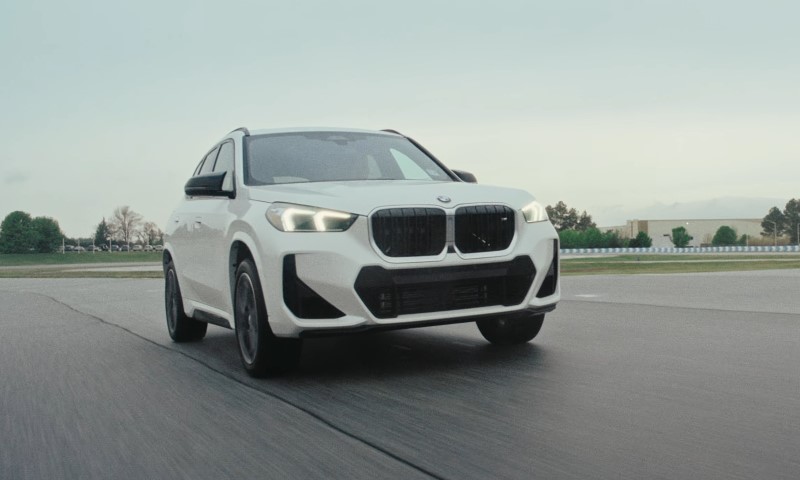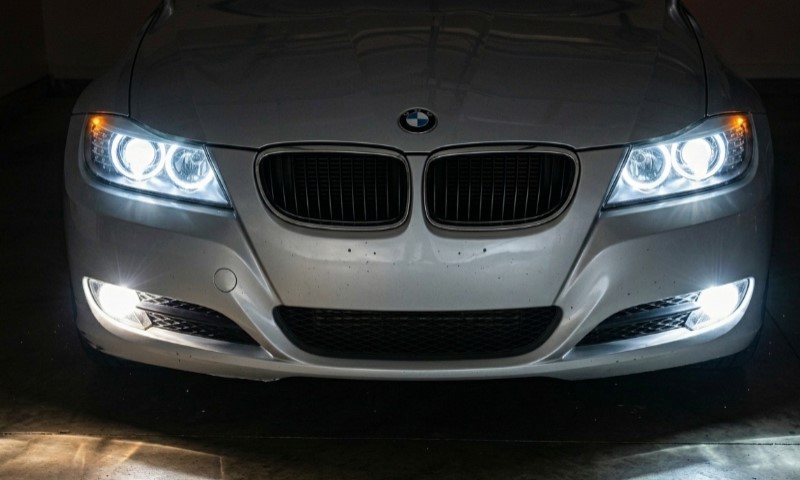

A car warranty and roadside assistance solve two different problems. The warranty pays for eligible defects and repairs. Roadside assistance deals with the practical problem of getting help when the car stops moving.
For some new cars, there is no reason to buy a second roadside plan because the manufacturer already includes one. For others, an extra plan can fill gaps involving towing distance, flat tires, lockouts, fuel delivery or travel outside the manufacturers service network.
The first step is to check what the warranty package already includes before paying for another layer of coverage.
A Warranty Does Not Automatically Mean Roadside Help
A factory warranty normally covers repairs caused by defects in materials or workmanship during a defined period. It does not automatically promise a tow truck, battery jump or help after locking the keys inside the car.
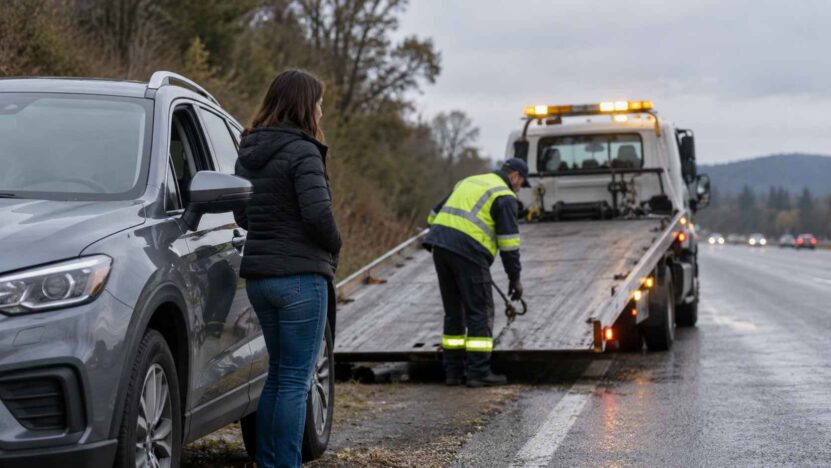
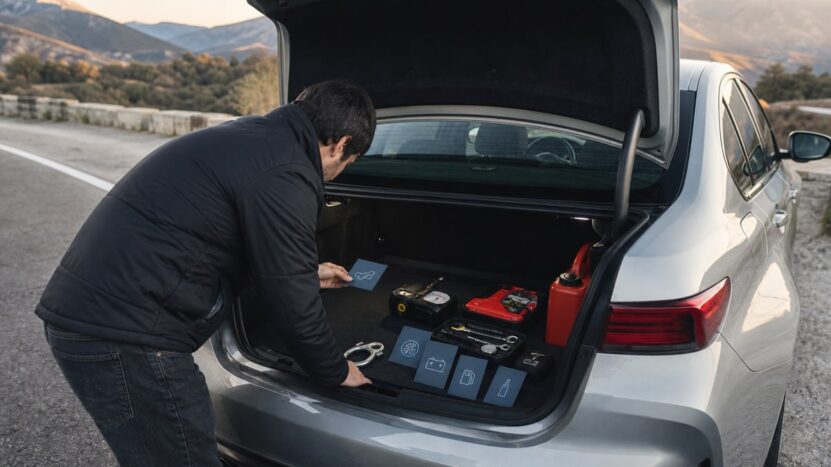
Roadside assistance is a service program. Depending on the provider, it can arrange towing, jump-start a battery, help with a flat tire, provide lockout assistance or deliver fuel.
BMW makes the separation particularly clear. Its US warranty booklet states that the Roadside Assistance Program is not a warranty and does not change the rights provided by the New Vehicle Limited Warranty.
New BMW vehicles in the US receive a four-year or 50,000-mile limited vehicle warranty, while BMW Roadside Assistance runs for four years with unlimited mileage. Our guide to BMW warranty coverage in the US explains the warranty side in more detail.
Many New BMW Owners Already Have Roadside Assistance
For a new BMW in the United States, buying another roadside plan during the first four years can duplicate services already included with the car.
BMW currently provides Roadside Assistance 24 hours a day, 365 days a year in all 50 states, Canada and Puerto Rico. The program covers new vehicles for four years from the original in-service date without a mileage limit.
BMW lists services including battery jump starts, tire changes, lockout assistance and delivery of driver-paid fuel or operating fluids. If the vehicle becomes disabled because of a mechanical problem, accident or road hazard, BMW can arrange towing to the nearest authorized BMW Center.
The coverage also applies when another authorized driver is using the vehicle.
Warranty Repair and Roadside Assistance Can Work Together
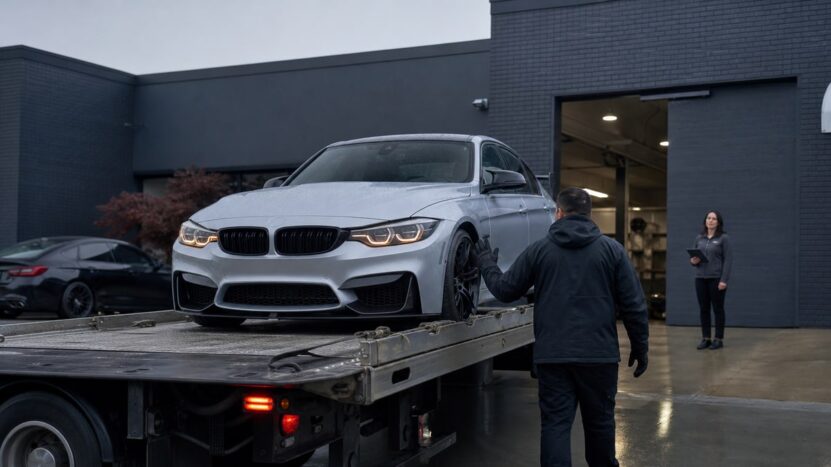
A breakdown can involve both services.
If a covered component fails and leaves the car disabled, roadside assistance can deal with moving the vehicle. The warranty then determines who pays for the actual repair after the car reaches the workshop.
For example, roadside assistance may arrange the tow after an electrical failure. The dealer can then inspect the vehicle and decide if the failed component qualifies for warranty repair.
The towing service does not prove that the repair itself is covered. Damage caused by an accident, neglected maintenance or an excluded wear item can still fall outside the vehicle warranty.
The Real Question Is Where the Existing Roadside Plan Falls Short
Duplicate coverage is only useful when the second service gives the driver something the first one does not.
The details worth comparing include towing distance, permitted destinations, number of service calls, geographic coverage and help after an accident.
| Feature | What to Check |
| Towing | Where the provider will take the car and any distance limit |
| Battery assistance | Jump-start only or additional battery support |
| Flat tire | Installation of a spare, towing or other assistance |
| Lockout | Service limits and any excluded key replacement costs |
| Fuel delivery | Delivery service and who pays for the fuel |
| Service frequency | Number of permitted calls during the coverage period |
| Geographic area | Countries, states or regions included |
A driver who rarely leaves a metropolitan area may care less about towing distance. Someone who regularly drives hundreds of miles from home has a stronger reason to examine the network and destination rules.
Towing Rules Can Decide the Value of a Second Plan
Towing is where two roadside programs can look similar at first and work very differently in practice.
BMW says a disabled vehicle can be towed to the nearest authorized BMW Center under its Roadside Assistance Program. That arrangement suits a vehicle that still needs dealer warranty work.
A separate roadside membership or insurance add-on may use different towing rules. Some programs allow transport to a closer independent workshop, while others apply mileage limits or charge for distance above the included amount.
The better arrangement depends on where the car is likely to break down and where the owner would actually want it repaired.
A Flat Tire Is Not the Same as a Warranty Failure
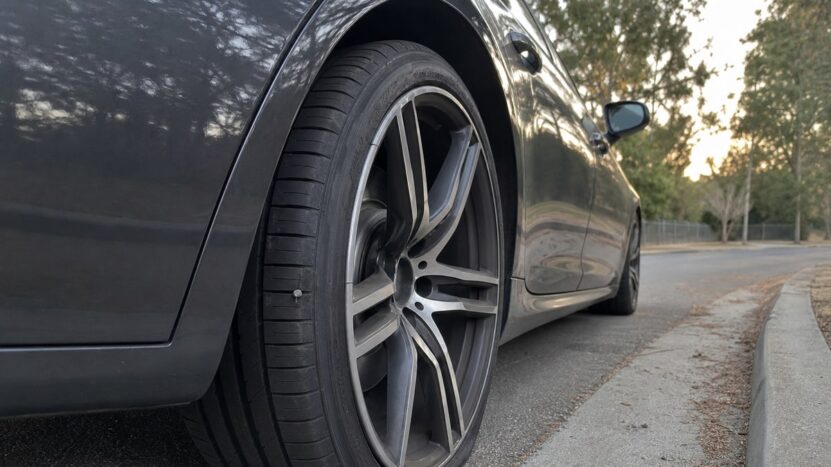
Roadside assistance becomes useful in situations where the vehicle itself has no warrantable defect.
A punctured tire, empty fuel tank or locked door can leave a perfectly functional car stranded. None of those events necessarily gives the owner a valid factory warranty claim.
BMW Roadside Assistance includes support for flat tires and lockouts, so many new BMW owners already have help for those situations during the original coverage period.
Drivers of other brands need to check their own manufacturer package. Warranty duration and roadside coverage do not always run for the same number of years.
Insurance Can Be Another Source of Roadside Cover
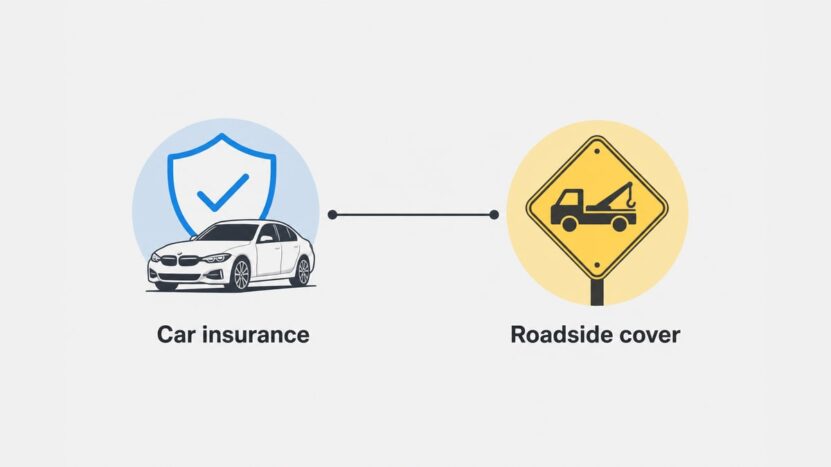
Roadside assistance is also sold as an insurance add-on in many markets. That creates another place to check before paying separately.
For example, drivers comparing car insurance details can find policies that allow roadside assistance to be added to qualifying motor cover. The service can include towing, minor on-site repairs, battery assistance, tire help and fuel delivery, subject to the policy terms.
Insurance-based roadside assistance should still be compared with any manufacturer plan already attached to the vehicle. Paying twice only becomes useful if the second policy improves the services, area or duration that the first one provides.
Insurance Roadside Claims Can Have Their Own Rules
An insurance add-on should not be treated as identical to a manufacturer service package.
HDFC ERGO, for example, states that its emergency assistance cover is available with qualifying policies and requires an additional premium. Its policy wording lists services including emergency towing, minor repairs, battery assistance, tire changes and fuel delivery.
Insurance terms can also affect how use of the service interacts with other policy benefits. That is why the policy wording deserves more attention than the short feature list shown during purchase.
Our article on BMW insurance costs and coverage explains why BMW owners should compare policy details rather than judging insurance only by the annual premium.
New Car Owners Should Check for Duplicate Coverage First
A driver with a new BMW, active factory roadside assistance and comprehensive insurance could already have roadside help from two places.
Adding a third plan without checking the details can create little practical benefit.
A simple coverage audit usually answers the question. Write down each roadside service already available through the manufacturer, insurer, credit card, vehicle membership or extended service contract.
Then compare the limits rather than the marketing names.
Roadside Assistance Becomes More Valuable as Factory Coverage Ends
The calculation changes after the manufacturer roadside period expires.
BMW offers four years of Roadside Assistance for new US vehicles. An owner who keeps the car into year five no longer has that original roadside program simply because some other form of warranty coverage remains active.
BMW also sells an extension program for eligible vehicles. The current BMW Roadside Assistance+ material lists one-year and three-year prepaid plans with limits on the number of roadside events during the contract term.
Owners comparing those options should look at expected driving, the age of the battery and tires, trip frequency and access to independent roadside providers.
An Extended Warranty Still Does Not Replace Roadside Assistance
Extended warranty products are designed around covered repairs. Their presence does not guarantee the same roadside services included with the original manufacturer package.
A used BMW could have an extended protection contract covering selected mechanical systems but no active towing or lockout service.
The opposite is also possible. A driver may have roadside assistance but no meaningful mechanical repair coverage once the factory warranty has expired.
Keeping those two products separate makes comparisons much easier.
Certified Pre-Owned Cars Need a Separate Check
Certified Pre-Owned coverage can create another combination of warranty and roadside benefits.
BMW says its Certified vehicles receive additional limited protection after the original four-year or 50,000-mile new vehicle coverage ends. Roadside Assistance also remains part of the CPO ownership package for an additional period under current BMW terms.
The exact duration depends on the vehicle and program terms, so the original in-service date remains important.
A CPO buyer should confirm both dates separately. The warranty end date and roadside assistance end date may not be described in the same way on every document.
Long Trips Change the Calculation
Drivers who stay close to home have more alternatives after a breakdown. A local mechanic, family member or nearby towing company may be enough.
Long-distance travel increases the value of a reliable dispatch network. Breaking down late at night, several hundred miles from home, creates a different problem from a dead battery in a driveway.
- Does the plan operate where the trip is going?
- How far will it tow the vehicle?
- Can the driver choose the repair facility?
- Does the service operate 24 hours a day?
- Are hotel or onward travel benefits included?
A second roadside plan can earn its cost if it fills a meaningful gap on those points.
EV Owners Need to Look at Towing and Charging Support
Electric vehicles introduce a few extra questions.
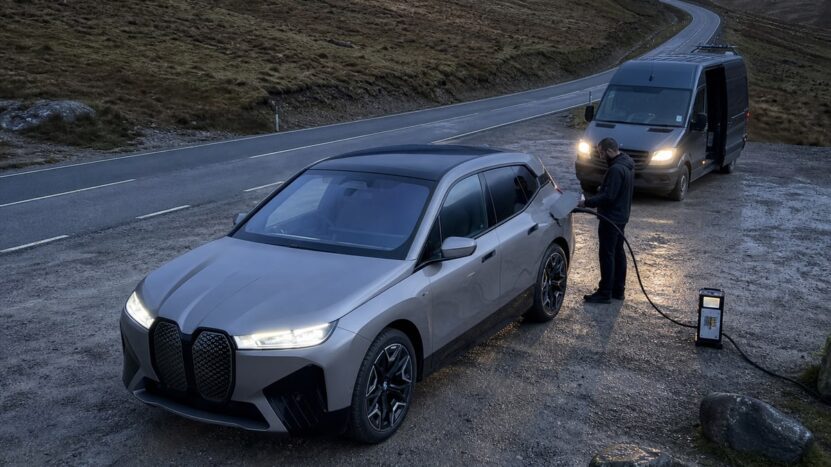
A depleted high-voltage battery is different from a failed 12-volt battery. Roadside providers also need to handle towing according to the manufacturer instructions so the electric drivetrain is not damaged during recovery.
BMW provides separate high-voltage battery warranty coverage for its electric vehicles, but that warranty still deals with eligible battery defects rather than every situation in which the vehicle becomes immobilized.
An owner of an i4, i5, i7 or iX should check how the roadside provider handles a fully depleted traction battery and where the vehicle will be taken if charging on site is not possible.
Roadside Assistance Is More Useful for Some Drivers Than Others
A driver who has factory roadside assistance, drives mostly in town and has another towing benefit through insurance has little reason to buy a separate plan immediately.
The case becomes stronger for someone whose manufacturer coverage has expired, who drives long distances or whose existing plan has restrictive towing terms.
Vehicle use matters too. A BMW that covers 20,000 miles each year has far more opportunities for a roadside problem than one driven 3,000 miles on weekends.
Location also counts. A plan with a dense urban service network is less useful if the driver spends most of the year on rural roads outside that network.
Check the Coverage You Already Have Before Paying Again
For a new BMW in the US, factory roadside assistance already covers many of the problems that motivate people to buy a separate roadside plan. The four-year unlimited-mileage period includes towing and several common roadside services.
An additional plan becomes easier to justify when it extends the coverage period, offers a more useful towing policy, serves areas the manufacturer program does not cover or adds benefits needed for frequent long-distance travel.
The warranty itself should not decide the answer. The real comparison is between the roadside services already attached to the car and the extra services being offered for another fee.