
BMW is known for luxury, precision engineering, and high-performance vehicles. Owners praise the driving experience, refined interiors, and brand prestige.
Yet behind the prestige lies a growing issue: repair costs that continue to climb.
Many owners report skyrocketing dealership fees, raising concerns about fairness and transparency. While satisfaction levels remain high, mechanics and owners alike point to repair costs as a major drawback.
The goal is to spotlight the most overpriced repairs BMW drivers face in 2025, using mechanic insights, dealership pricing trends, and third-party comparisons.
Most Overpriced Repairs in 2025
BMW repairs in 2025 often carry dealership price tags that make even routine fixes feel like premium services.
Owners frequently encounter excessive markups on commonly failing components.
Many of these jobs involve predictable labor times and easily available parts, yet the dealership bill can be hundreds, even thousands, more than necessary.
Below are the most overpriced BMW repairs this year, complete with cost comparisons and brief explanations of why these services are often unjustifiably inflated.
1. Water Pump Replacement
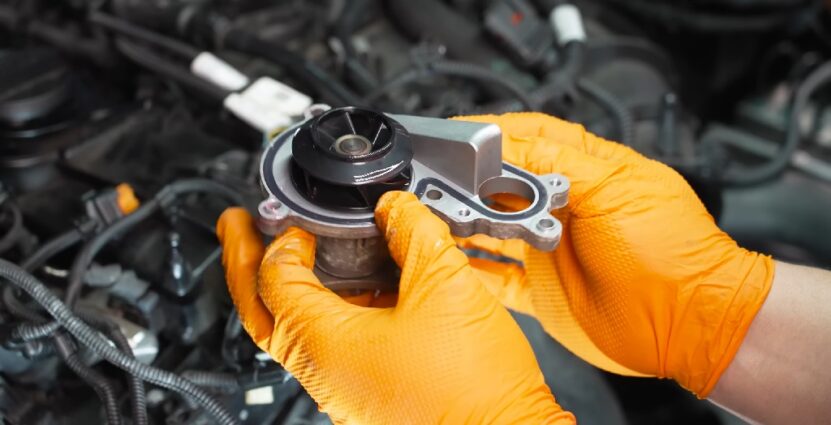
Coolant system issues continue to plague multiple BMW models, and the water pump sits at the center of those failures. Dealers often inflate labor estimates despite the job being relatively straightforward for experienced technicians.
Cost Comparison:
- Dealer Cost: $800–$1,200
- Independent Shop: $600–$850
Why It’s Overpriced:
- Commonly fails on higher-mileage vehicles
- Often bundled with other unnecessary services
- Labor markups based on inflated repair time estimates
2. Transmission Service
Transmission maintenance is essential, but dealers often capitalize on fear and misunderstanding by charging much more than independent experts for the same work.
The service usually includes fluid replacement and filter changes but gets priced like a rebuild.
Cost Comparison:
- Dealer Cost: $1,200+
- Independent Shop: $700–$1,000
Why It’s Overpriced:
- No complete overhaul in most cases
- Misrepresented as complex diagnostic work
- Dealerships often use scare tactics to upsell services
3. Suspension Repairs (Control Arms, Bushings)
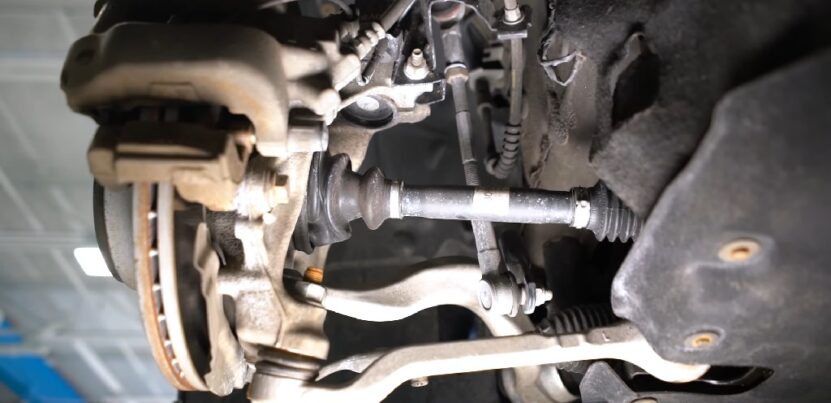
BMW’s sport-tuned suspension systems wear down faster than average, especially on 3 Series and X5 models.
Parts such as bushings and control arms are inexpensive and simple to replace, yet dealerships treat the repair like a major undertaking.
Cost Comparison:
- Dealer Cost: $1,000+
- Independent Shop: $600–$900
Why It’s Overpriced:
- Failure is predictable after 50,000 miles
- Common parts are widely available
- Labor costs inflated due to brand-specific positioning
4. Brake Pad & Rotor Replacement
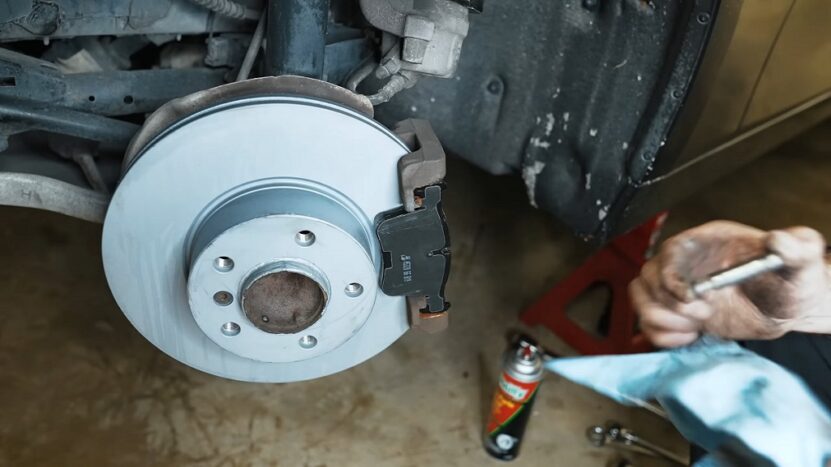
Brake jobs top the list of overpriced services. Pads and rotors are basic components with low cost and minimal labor involved, yet dealers regularly bill them like advanced repair operations.
Most competent shops complete the job in under two hours.
Cost Comparison:
- Dealer Cost: $700–$1,200 per axle
- Independent Shop: $400–$600
Why It’s Overpriced:
- Routine task with minimal skill required
- Dealer labor markup often exceeds 100 percent
Dealerships bundle services such as rotor refinishing or brake fluid flush to push final cost higher
5. Battery Replacement (AGM Batteries + Coding)
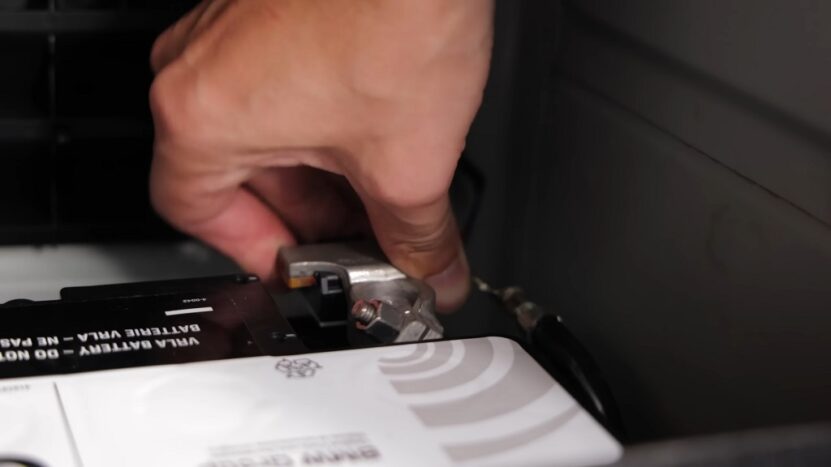
BMWs use AGM (Absorbent Glass Mat) batteries, which do cost more than standard ones, but dealership pricing includes an excessive “coding” charge.
Coding the new battery to the vehicle takes just a few minutes using diagnostic tools.
Cost Comparison:
- Dealer Cost: $500–$700
- Independent Shop: $300–$500
Why It’s Overpriced:
- Coding fees exaggerated in labor estimates
- Part pricing inflated significantly over MSRP
- Battery location sometimes used to justify inflated labor charges
6. VANOS / Timing System Repairs
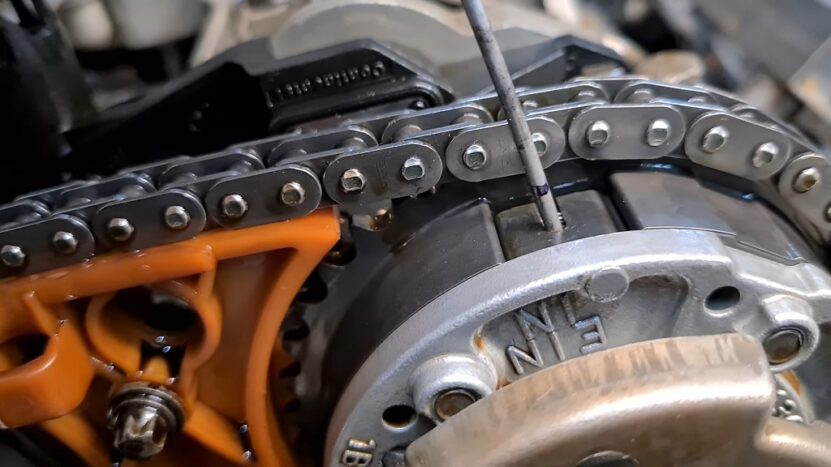
VANOS, BMW’s variable valve timing system, is notorious for issues on engines such as the N52 and N54.
Dealers often treat repairs as exotic procedures requiring extensive effort. Independent BMW specialists, however, routinely perform this repair for far less.
Cost Comparison:
- Dealer Cost: $2,000–$4,000
- Independent Shop: $1,500–$3,000
Why It’s Overpriced:
- Common fault on well-documented engine platforms
- Aftermarket timing kits available at lower cost
- Dealerships bundle full replacements when partial repairs often suffice
How to Avoid Overpaying for BMW Repairs
Owners tired of excessive bills have options. Informed service decisions can significantly reduce long-term repair costs without sacrificing performance.
Choosing the right repair shop, understanding available protections, and maintaining a proactive schedule all play crucial roles.
Here are the most effective strategies BMW owners can apply:
Smart Repair Practices:
- Use BMW-Certified Independent Shops: Places like SL Autoworks offer dealership-level expertise without inflated pricing
- Invest in Service Plans or Warranties: BMW Ultimate Care+ and third-party providers offset high repair costs
- Follow Preventive Maintenance Schedules: Stay ahead of part failures to reduce emergency visits
- Ask for Detailed Estimates: Always request a breakdown of labor and parts before approving any service
- Research Common Failures: Being informed about model-specific issues puts you in a stronger negotiating position
Avoiding dealership pricing traps isn’t difficult, but it requires attention.
Once armed with the right information, owners can confidently make cost-effective choices and keep their vehicles on the road longer, without draining their budgets.
In cases where repair expenses follow a car accident, legal guidance can be just as important as mechanical expertise.
Drivers in Colorado facing costly repairs due to collisions may consider speaking with a Denver car accident attorney to explore recovery options, especially when insurance disputes delay needed vehicle work.
The Rising Cost of BMW Maintenance in 2025
Repair bills for BMWs continue to rise in 2025, pushing ownership costs toward levels that make many drivers reconsider dealership loyalty.
Inflation, labor shortages, and global parts delays have made even minor services more expensive.
The prestige of driving a BMW now comes with increased scrutiny as owners question where their money goes.
Based on recent data, here are key figures that highlight the shift:
Maintenance Cost Overview:
- Annual Maintenance Range: $1,200–$2,500 (depending on model and usage)
- BMW Average: $968/year
- General Industry Average: $652/year
Service costs no longer align with vehicle value alone. Dealerships cite technology integration and brand-specific requirements, but many owners find that explanation insufficient.
Routine tasks like oil changes, brake jobs, or coolant flushes can cost double compared to non-luxury brands.
With warranty coverage often ending around 50,000 miles, the second half of ownership is financially demanding.
Dealership vs Independent: Why Repairs Cost More at BMW Centers
BMW dealerships market themselves as the only trusted resource for proper maintenance.
While certified technicians and branded equipment do offer benefits, much of the cost stems from policy choices rather than necessity.
Owners comparing bills between authorized centers and independent specialists quickly discover massive pricing gaps. Those differences are driven by three primary dealership practices:
Key Factors Behind Higher Dealership Pricing:
- Exclusive Diagnostic Equipment: Use of ISTA software requires dealer servicing for many errors and resets
- OEM-Only Parts Policy: Refusal to use certified alternatives increases parts bills unnecessarily
- Premium Labor Rates: Dealer labor frequently exceeds $180/hour, even for basic repairs
These strategies keep customers inside the dealer network. In many cases, simple repairs like a sensor replacement or fluid service are priced as luxury consultations, not routine upkeep.
BMW Models with the Most Expensive Repairs
Some BMW models are more service-intensive than others.
Based on data from RallyeBMW and independent mechanics, a few stand out for high repair costs due to complex systems, high parts pricing, or recurring mechanical issues.
Older models still on the road add to the dealership repair pipeline with wear-related needs.
Below are the models that consistently incur the highest repair bills:
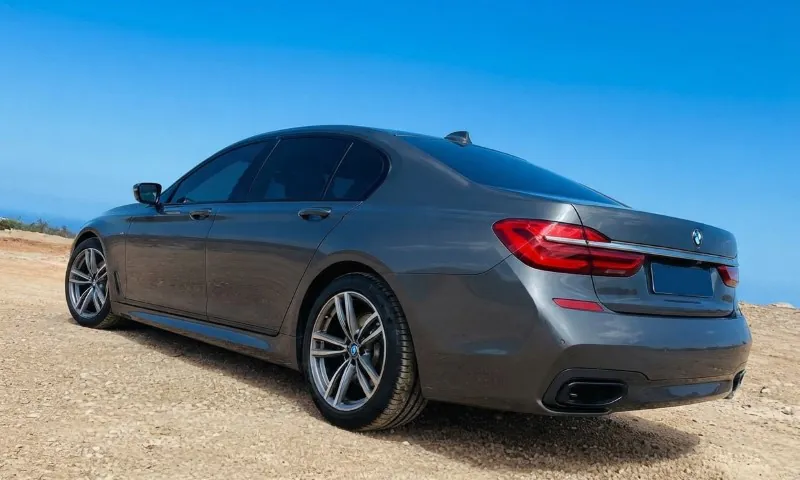
BMW 7 Series
- Typical Annual Repair Cost: ~$2,200
- Key Problem Areas: Infotainment malfunctions, climate control issues, air suspension failures
Known for tech features and luxury, the 7 Series also brings frequent and expensive problems.
The electrical system is particularly fragile after extended mileage, and fixes are rarely quick or cheap.
BMW X5
- Annual Repair Estimate: $1,500–$1,600
- Key Issues: Suspension wear, electronic steering glitches, leaking sunroofs, sensor faults
X5 owners often face air ride failures and control arm degradation by 60,000 miles.
Dealer visits for these repairs can result in multi-day bills for work completed in just hours elsewhere.
BMW 3 Series (2014–2019)
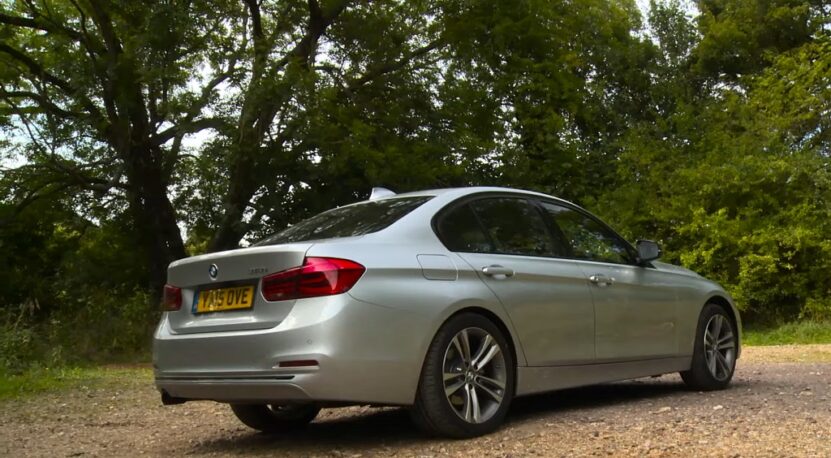
- Average Repair Cost: ~$1,300/year
- Common Problems: Water pump leaks, radiator issues, VANOS failures, timing chain wear
Though smaller and more affordable than the 7 Series, the 3 Series racks up bills due to widespread part fatigue in earlier model years.
Older N20 and N26 engines often develop internal wear early, especially with skipped maintenance.
Final Thoughts
Owning a BMW continues to be a rewarding experience, but data from 2025 highlights a growing financial pitfall: overpriced dealership repairs. Markups for common services are widespread, and routine maintenance can feel like luxury spending.
Informed decision-making is more important than ever. Comparing service providers, seeking independent expertise, and staying proactive helps ensure that performance doesn’t come at an unnecessary price.
Smart ownership begins with awareness, and with that, unnecessary repair bills become avoidable.