
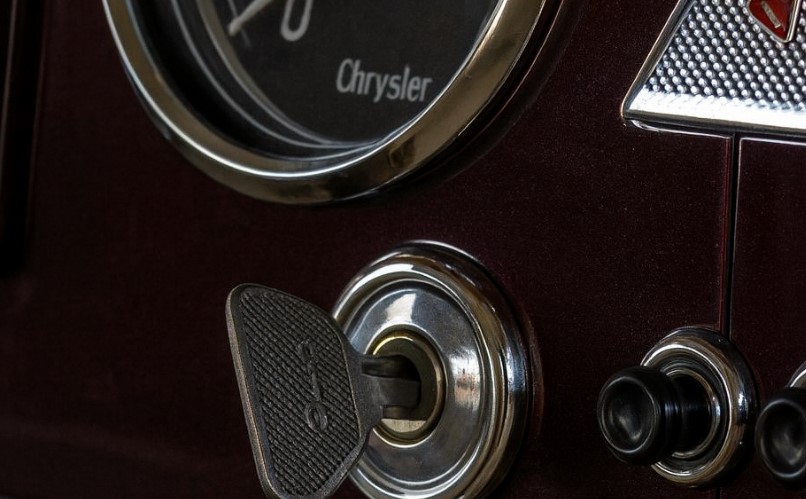
Car keys have been quietly shaping the driving experience for more than 70 years. They started as simple metal tools meant to keep cars locked and engines running, and today they can function as mini-computers, remote controls, and even smartphone apps.
Along the way, each new generation of keys has reflected the priorities of its era: security, convenience, and, more recently, digital integration.
Tracing the evolution of car keys offers a fascinating glimpse into how the automotive industry has responded to drivers’ needs and to the ever-changing landscape of vehicle security.
From Chrysler’s first modern ignition key to Tesla’s smartphone-based access, every step tells a story.
A Quick Look
1949: The Modern Ignition Key Changes the Game
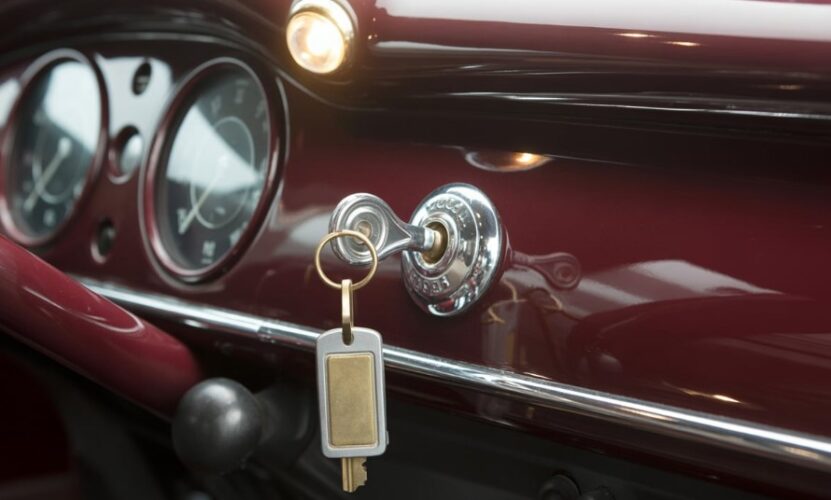
Before 1949, starting a car was a clunky, multi-step process. You would insert a key to unlock the ignition and then press a separate starter button.
That changed when Chrysler introduced the first modern ignition key, which allowed the engine to start with just a single twist.
This seemingly simple change brought two big advantages:
- Simplified operation: Drivers no longer had to manage two separate actions to start the car.
- Improved security: A child or passerby couldn’t easily start a car by pressing a button, because the key now fully controlled the ignition.
It was the beginning of the car key as an integral part of both convenience and safety.
1965: Ford’s Double-Sided Key Makes Life Easier

By the mid-1960s, car ownership had exploded, and small irritations like fumbling to insert a key correctly became noticeable. In 1965, Ford rolled out the double-sided key.
With cuts on both sides, it could be inserted either way, eliminating the minor – but daily – annoyance of flipping the key.
This design caught on quickly, and variations of it are still found in some cars today. It was a usability upgrade that set the tone for future innovations focused on driver convenience.
1970s: Multifunctional Keys and Central Locking
During the 1970s, drivers began expecting more out of a single key. Honda was one of the first to introduce multifunctional keys that could:
- Unlock doors
- Open the trunk
- Start the ignition
At the same time, central locking systems were appearing in family sedans and luxury models.
1980s: Security Becomes a Priority
The 1980s saw car theft rise significantly, pushing manufacturers to respond. Alarm systems and immobilizers emerged, requiring the correct key or code to start the car. While these early systems were basic by today’s standards, they laid the groundwork for electronic key technology.
In 1986, Chevrolet launched a key innovation that would influence the entire industry.
1986: Chevrolet’s Vehicle Anti-Theft System (VATS)
Debuting in the Corvette, VATS featured a small resistor chip embedded in the key. The chip’s code had to match the ignition system for the engine to start.
The results were immediate: theft rates dropped because hot-wiring or using a simple copy of the key no longer worked. By the early 1990s, most General Motors vehicles used some version of VATS, and the concept of “electronic keys” was officially underway.
1987: Remote Key Fobs Enter the Picture
Just one year later, the Cadillac Allanté became one of the first cars to offer a factory-installed remote keyless-entry fob. Drivers could now lock or unlock their car from a short distance – no need to insert the key.
This feature quickly moved from luxury to mainstream by the early 1990s and marked the first time car keys became more about electronics than simple metal.
1990: A Year of Key Innovation
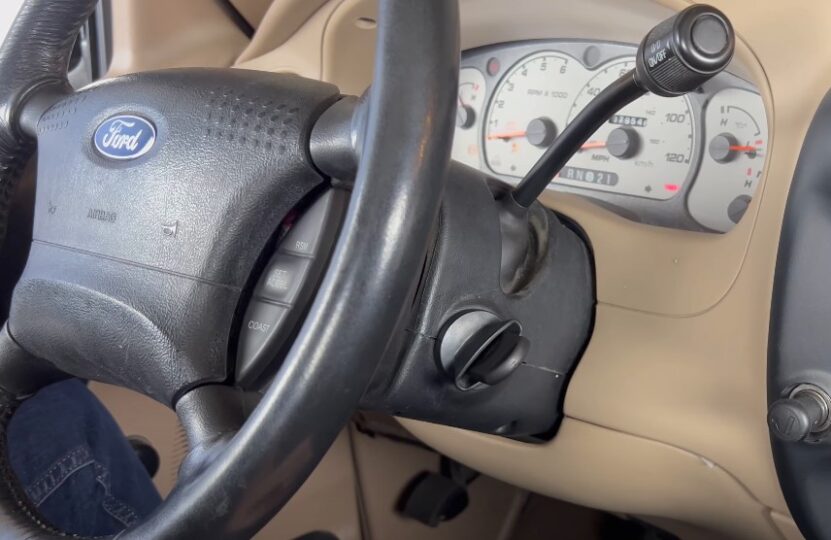
The 1990s were a turning point. Manufacturers began experimenting with keys that blended style, security, and clever mechanics. Some standout designs included:
- Jaguar Tibbe Key: With its unique oval-shaped tip, it offered enhanced security and was used in many Ford products.
- Lexus LS400 Laser-Cut Key: Its precise cuts made duplication difficult, offering superior theft protection.
- Mercedes-Benz Switchblade Key: A compact fob with a blade that flicked out when needed, which quickly became a design trend adopted by Volkswagen and others.
Car keys were becoming more than functional – they were starting to feel like tech accessories.
1993: Passive Keyless Entry
Chevrolet took the next step in 1993 with a passive keyless entry system in the Corvette. Simply having the fob nearby would lock or unlock the doors automatically.
Late 1990s: Transponder Keys and Proximity Detection
As the decade closed, transponder keys became the industry standard for anti-theft protection. Inside each key was a passive chip that sent a unique code to the car’s computer. If the code didn’t match, the engine wouldn’t start.
1998: Mercedes-Benz S-Class Proximity Key
Mercedes took it further by introducing a proximity key that allowed for true keyless entry and ignition. Drivers could keep the key in a pocket or bag and simply press a start button.
1999: Volkswagen Golf Transponder System
Volkswagen adopted a refined transponder system that made physical key duplication alone useless without the embedded chip.
Car theft rates plummeted in many markets as a result. Some reports noted drops of up to 40% for vehicles equipped with immobilizer systems.
2000s: Smart Cards and Remote Start
The new millennium brought a focus on comfort and digital integration. Keys were no longer just keys – they became smart devices.
- Smart Cards: Mercedes-Benz and Lexus introduced credit-card-style proximity keys. They were sleek and could stay in your pocket while you unlocked and started the car.
- Remote Start: In 2004, Chevrolet became the first to offer a factory-installed remote start on the Malibu, allowing drivers to heat or cool the cabin before stepping inside.
2003: Mercedes-Benz Smart Card
Mercedes-Benz refined the concept with a credit-card-like key in 2003. It quickly evolved into a more durable fob, as early versions weren’t tough enough for everyday life. Lexus followed in 2004 with a similar offering, which is still seen on select models.
2010s: Display Keys and App-Based Access
View this post on Instagram
The 2010s saw keys transform into connected devices with touchscreens and app integrations, not unlike how wearables, such as a smart watch in target integrate into a user’s digital ecosystem.
Modern smartwatches can even sync with vehicles, giving drivers the ability to manage calls hands-free, receive notifications without reaching for their phone, and control basic vehicle functions with a tap on the wrist.
This helps in keeping attention on the road and reducing the need to fumble with devices. This kind of integration can help minimize distractions and lower the risk of accidents, which is why more and more people opt for this type of tech.
2016: BMW Display Key
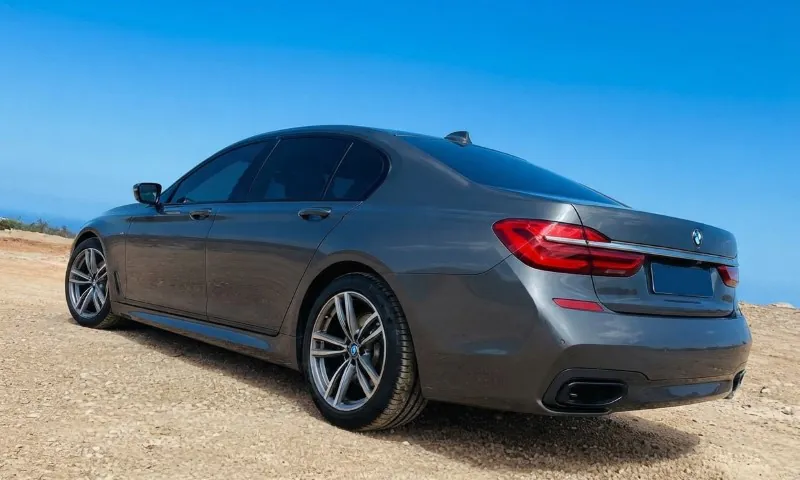
BMW’s 7-Series introduced a key with an LCD screen. Drivers could check fuel levels, control climate settings, open the trunk, and even move the car slightly using remote parking functions.
2018: Tesla Smartphone Key
Tesla took the next logical step by using smartphones as keys. Via Bluetooth, a phone could unlock and start the car. A slim, credit-card-style backup key ensured access if the phone died.
By this point, car keys were as much software as hardware.
2020s: Biometric and Connected Keys
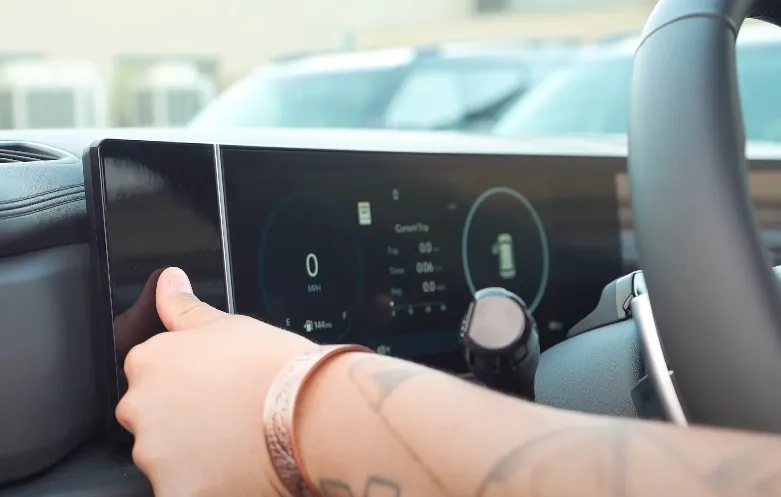
Today, we’re entering an era where physical keys might disappear altogether. Automakers are experimenting with:
- Biometric authentication: Fingerprint and facial recognition for unlocking and starting cars.
- Fully connected ecosystems: Keys integrated into smartphones and smartwatches, communicating with vehicles and even home assistants.
Organizations like the Connected Car Consortium are working on industry-wide standards, which could make your phone the universal key for multiple car brands.
Looking Ahead
The story of the car key is still unfolding. What began as a simple metal blade has become a digital, connected, and increasingly invisible tool. Security and convenience continue to lead innovation, but now connectivity and personalization are driving the next wave.
Soon, physical keys may become collector’s items, replaced entirely by biometric scans and smartphone apps. For drivers, that means one less thing to carry, and for automakers, it’s another step toward cars that are as much software as they are steel and glass.