
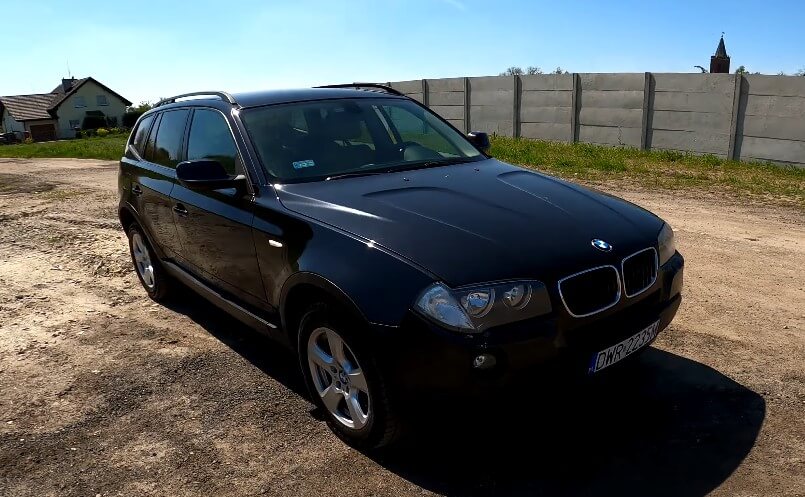
The original BMW X3 (E83), first launched in 2003, stands as a timeless design classic because it defined the modern compact luxury SUV segment and set a template that remains influential today. While some critics at its debut found it less refined than the larger X5, the X3 introduced a bold formula: the driving dynamics of a BMW sedan combined with the practicality and elevated stance of an SUV. Its design, clean, balanced, and purposeful, avoided the flashy trends of the early 2000s, which is why the first-generation X3 still looks contemporary on the road today.
At the start of the 2000s, luxury SUVs were mostly large vehicles like the BMW X5, Mercedes-Benz ML, and Lexus RX. BMW identified a gap: younger professionals and urban drivers wanted the SUV experience without excessive size.
The X3 filled this niche perfectly. Its proportions were compact but not cramped, tall enough for commanding visibility but still easy to park. The design language followed BMW’s restrained yet sporty philosophy, short overhangs, strong character lines, and a functional stance.
Key Design Elements That Aged Well
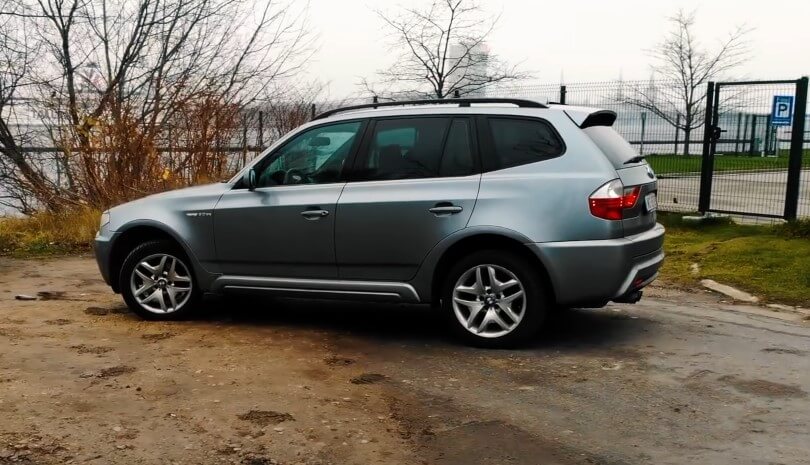
The E83 X3’s styling was practical rather than trendy, and that’s exactly why it has endured.
- Proportions: Balanced dimensions, neither too tall nor too bulky.
- Front Fascia: Kidney grilles that were sized appropriately, unlike the oversized versions seen on newer models.
- Body Lines: Simple character lines that created visual strength without being aggressive.
- Glass Area: Large windows that enhanced visibility and gave the car an airy cabin feel.
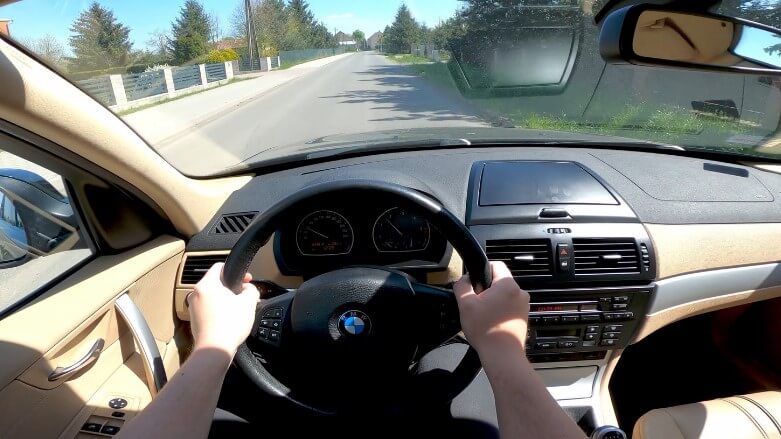
- Interior: A driver-focused cockpit with analog controls that remain intuitive and timeless.
Design Comparison – Original BMW X3 vs. Modern Compact SUVs
This comparison shows why the original X3 feels “classic”: it prioritized clarity and function over fleeting style trends.
Driving Dynamics: Sedan DNA in SUV Clothing
Beyond looks, what truly set the X3 apart was how it drove like a 3 Series sedan. BMW engineers gave it firm suspension, precise steering, and a rear-biased xDrive all-wheel-drive system. This was radical in 2003, when most SUVs leaned toward soft, comfort-oriented setups.
Owners discovered that the X3 wasn’t just practical, it was fun. On twisty roads, it behaved more like a tall sport wagon than a truck. This blend of agility and utility became the blueprint for future compact SUVs across the industry.
Table: Driving Characteristics of the Original BMW X3
Criticism That Became Strength
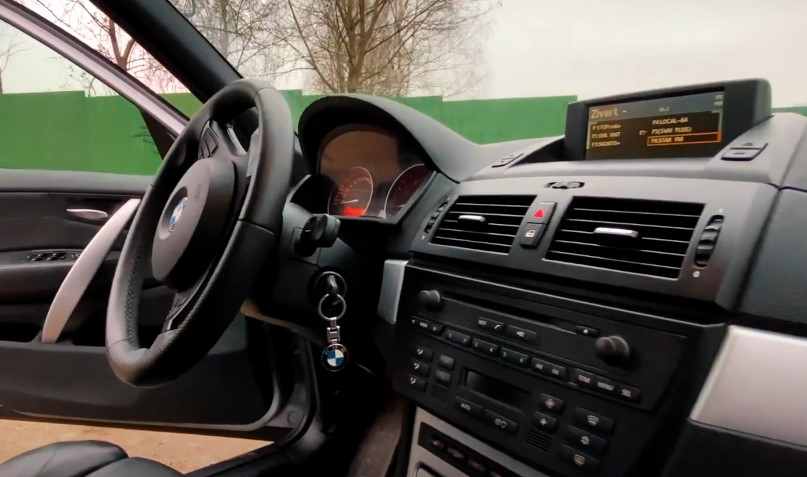
When the BMW X3 first appeared in 2003, not everyone was impressed. Reviewers compared it directly to the larger and more luxurious X5 and felt the X3 came up short. Its ride was firmer than many expected, and its cabin seemed plain compared to the plush interiors of rivals. Yet with time, those very qualities became part of its enduring appeal.
The firm suspension may have felt harsh to some buyers in the mid-2000s, but it also gave the X3 remarkable stability, sharp handling, and durability. Unlike softer SUVs of the era that aged poorly, the X3 retained its solid driving feel. Likewise, the simpler interior, with physical buttons and analog gauges, has aged gracefully. Where competitors struggled with dated infotainment screens and early digital systems, the X3’s controls remain intuitive and timeless.
Today, as modern SUVs become increasingly heavy, filled with touchscreens, and overloaded with driver aids, the raw simplicity of the first X3 feels refreshing.
Cultural Impact and Market Legacy
Beyond its driving feel, the original X3 shaped the entire compact luxury SUV segment. By launching it ahead of the Audi Q5 (2008), Mercedes-Benz GLK (2008), and Volvo XC60 (2008), BMW proved there was a real market for a smaller, sportier alternative to the traditional SUV. Its success validated the concept and pushed other premium brands to follow.
By 2010, nearly every luxury carmaker was racing to offer a competitor, but the X3 is remembered as the pioneer. Importantly, BMW kept refining the formula across later generations, but the DNA of the first X3, practical proportions, balanced design, and driver focus, remains intact.
In design discussions, the X3 is increasingly mentioned alongside the best vintage SUV designs because of its understated elegance. While some SUVs of the 2000s look dated today, the X3’s balanced proportions and functional styling make it stand out as a classic. Collectors and enthusiasts are beginning to view well-preserved early models not just as used cars, but as part of the history of modern automotive design.
Table: Legacy of the Original BMW X3
| Legacy Element | Why It Matters |
| Segment pioneer | First compact luxury SUV with sporty DNA |
| Enduring design | Clean, balanced look still attractive in 2025 |
| Driving experience | “SUV that drives like a sedan” concept |
| Market influence | Inspired rivals (Q5, GLK, XC60) |
| Collectibility | Growing interest in well-kept early models |
Conclusion
The original BMW X3 may not have had the flash of its bigger sibling, the X5, but it quietly redefined what a compact SUV could be. Its clean design, balanced proportions, and sedan-like driving dynamics made it a standout in 2003, and those same qualities keep it relevant today.
In an era where many SUVs chase bold styling and oversized dimensions, the first-generation X3 reminds us that timelessness is built on restraint, balance, and authenticity. It’s not just an old BMW; it’s the blueprint for an entire class of vehicles and a true design classic.