
You never plan for your car to quit on a lonely shoulder at night. Yet it happens every day to people who thought they were prepared.
In 2024 alone, AAA answered roughly 31 million roadside calls, with dead batteries, flat tires, and lockouts topping the list. As electric cars, hybrids, and traditional vehicles all share the same roads, roadside emergencies haven’t gone away; they’ve just evolved.
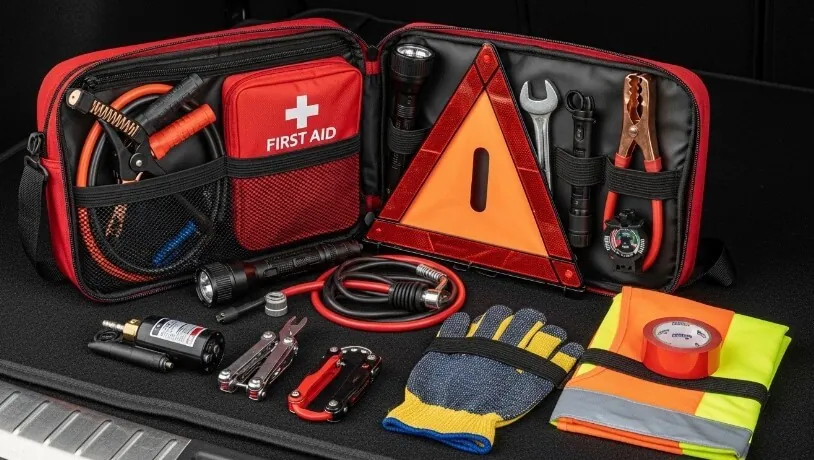
A solid emergency kit can turn a breakdown from a panic-inducing moment into a manageable pause until help arrives. Let’s check out what every driver needs to have in case of an emergency.
The Layered Approach to Building a Complete Kit
Think of your kit in layers rather than a single pile of gear. Each layer covers a key need:
- Visibility and signaling
- Medical care
- Power and communications
- Mobility and repairs
- Shelter and comfort
- Documents and navigation
- Seasonal and regional add-ons
Core Kit for Every Car
Visibility and Signaling
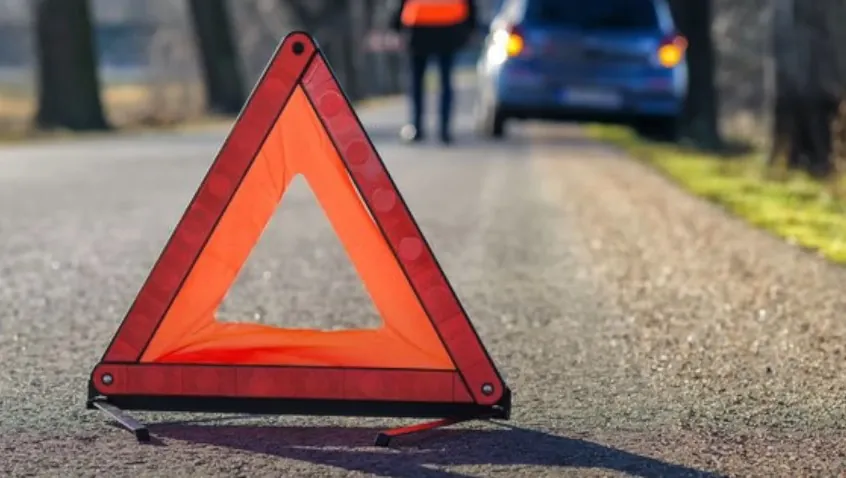
High-visibility safety vest: Pick a fluorescent vest meeting ANSI/ISEA 107-2020 performance requirements. Even though you’re not a road worker, that standard ensures retroreflective material is bright in headlights.
Reflective triangles or flares: NHTSA lists flares in its recommended kit, and AAA training materials explain how to position them: one about 10 feet behind the vehicle, another farther back for fast-moving traffic, and a third even farther if available. LED beacons are an excellent option where flares pose a fire risk.
Flashlight: A robust flashlight plus spare batteries helps with tire work and signaling. Consider a hand-crank weather radio with a built-in light for severe weather travel; the Red Cross highlights radios as emergency essentials.
Driver-assist sensors: Research from IIHS in 2025 showed reflective clothing can occasionally confuse some automated pedestrian detection systems, but it still improves human visibility. Keep wearing it – never assume a driver-assist system will notice you.
Medical
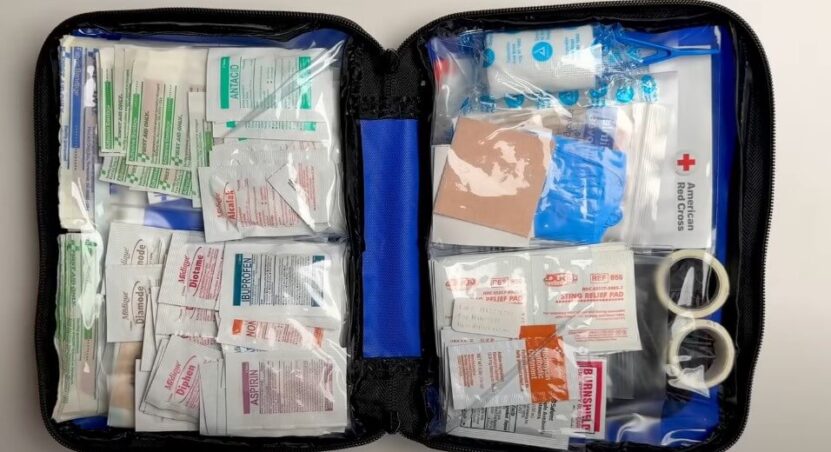
A glovebox full of bandages won’t cut it anymore. Build around evidence-based first aid:
Tourniquet, Gauze, Gloves
The American Heart Association and American Red Cross 2024 First Aid Guidelines explicitly include a manufactured windlass tourniquet, gauze pads, triangular bandages, oral glucose, and aspirin.
Training
Programs like Stop the Bleed teach how to control severe bleeding. Skills matter more than fancy packaging.
Fire Extinguisher Reality
The U.S. Fire Administration emphasizes getting everyone out and calling 911 in a vehicle fire. Use an extinguisher only if the fire is very small, you have a clear escape path, and you’re at a safe distance.
If you keep one in your vehicle, consider using reliable fire extinguisher mounts to secure it so it’s easy to reach in an emergency.
Power and Communications
Your phone is your lifeline. Keep it alive:
- Phone charging: A 12 V charger and a high-capacity power bank keep your phone ready to call for help and run navigation.
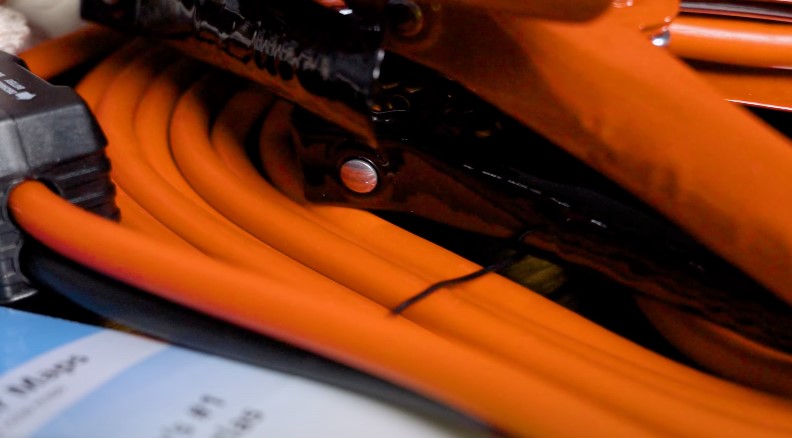
- Portable jump starter or cables: AAA notes that jump equipment is essential. A compact jump pack can restart your car without another vehicle. Test it twice a year and keep it charged.
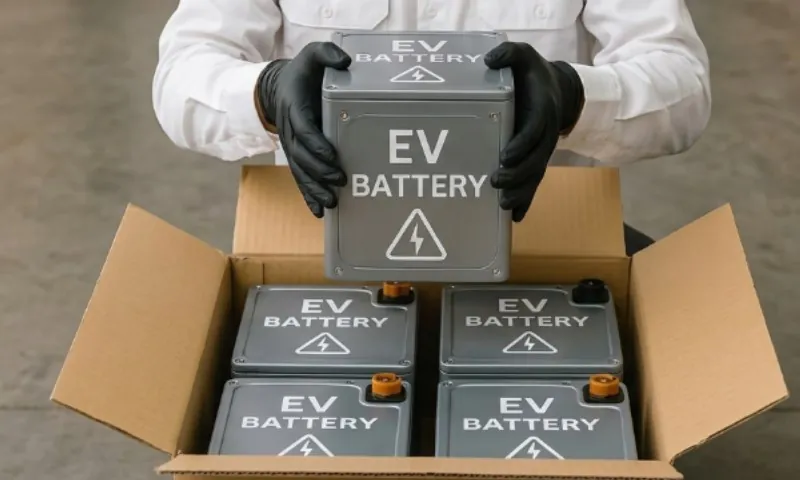
- Battery realities: Most 12 V car batteries last three to five years, shorter in hot climates. Test yours before long trips.
Tires and Basic Repairs
Dead batteries and flat tires create the majority of roadside calls. A small tool set can solve or stabilize many issues.
- Know your spare situation: Consumer Reports reported in 2024 that about 40 percent of new cars ship without a spare tire, often replacing it with a compressor and sealant kit. Check your trunk before you’re stranded.
- Inflator and plug kit: A 12 V inflator plus a quality plug kit can handle many nail punctures. Sealant kits work for small tread punctures but not sidewall damage. Follow your owner’s manual for tire sealant and sensor compatibility.
- Jack, ground mat, lug wrench, wheel chocks: Keep your hands and knees clean and stable while working.
- Basic tools: Screwdriver set, pliers, adjustable wrench, a few sockets, duct tape, hose repair tape, and zip ties handle small fixes like loose splash shields. NHTSA explicitly lists duct tape and basic tools in its recommendations.
Safety Escape Tools
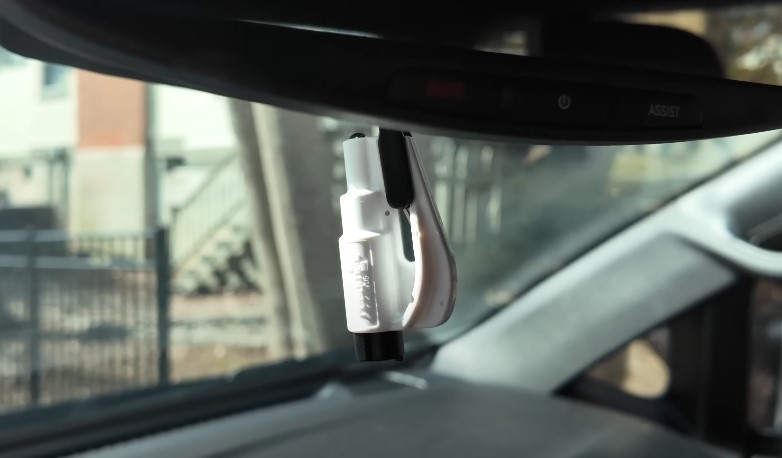
If a crash leaves you trapped, seconds count.
- Escape tools: They work on tempered glass but not laminated side windows. AAA tests show common spring-loaded punches shatter tempered side windows effectively but fail on laminated glass. Check the etched corner of your window to know which type you have.
- Seat-belt cutter: Choose a dedicated cutter with a guarded blade, mounted where you can reach it while buckled. AAA recommends simple, tested designs stored within reach.
Shelter, Food, and Water
- Water and snacks: Keep several sealed bottles per person and calorie-dense snacks that tolerate heat and cold. Rotate twice a year.
- Cold weather plan: If stranded in winter, stay inside the vehicle. Run the engine about ten minutes each hour, crack a window, and make sure the tailpipe is clear. Move arms and legs to maintain circulation. Pack a wool blanket or winter sleeping bag, hat, gloves, and chemical hand warmers.
- Heat awareness: Interior temperatures can reach over 120°F in minutes. Children’s bodies warm three to five times faster than adults. Never leave a child or pet in a stationary vehicle, even with windows cracked.
Seasonal and Regional Add-Ons
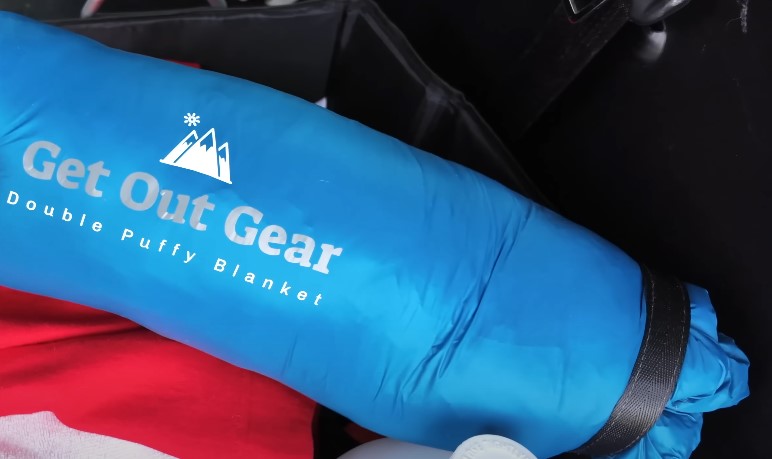
Weather, terrain, and driving habits shape what you keep in your trunk.
Winter Regions
- Compact shovel
- Traction aids (sand, cat litter, or traction boards)
- Ice scraper and brush
- Extra washer fluid and windshield de-icer
- Bright distress cloth for the antenna
Hot and Arid Regions
- Extra water and electrolyte packets
- Wide-brim hat, sunscreen, and cooling towel
- Reflective sunshade to lower interior temperature
- Extra engine coolant only if your manual allows it and you know the procedure
Rural and Off-Pavement Travel
- Full-size spare if possible
- Portable compressor and recovery strap
- Folding traction boards
- Paper maps for when coverage fails
EV-Specific Notes
- High-voltage safety: After a crash or fire, do not touch orange high-voltage cables. Move away and call 911.
- Plan for charging: Carry your mobile EVSE if practical and know your connector types along your route. Tire inflators, plug kits, triangles, and high-visibility vests all apply to EVs just as they do to gas cars.
Families and Pets
- Child safety: Never leave a child in a parked vehicle. According to NHTSA, in 2024, 39 children died in hot cars. Build habits that force a back-seat check and use built-in rear-seat reminders if available. Build habits that force a back-seat check and use built-in rear-seat reminders if available.
- Pets: Pack water, a collapsible bowl, and a leash in your kit.
How to Pack It So You Will Actually Use It
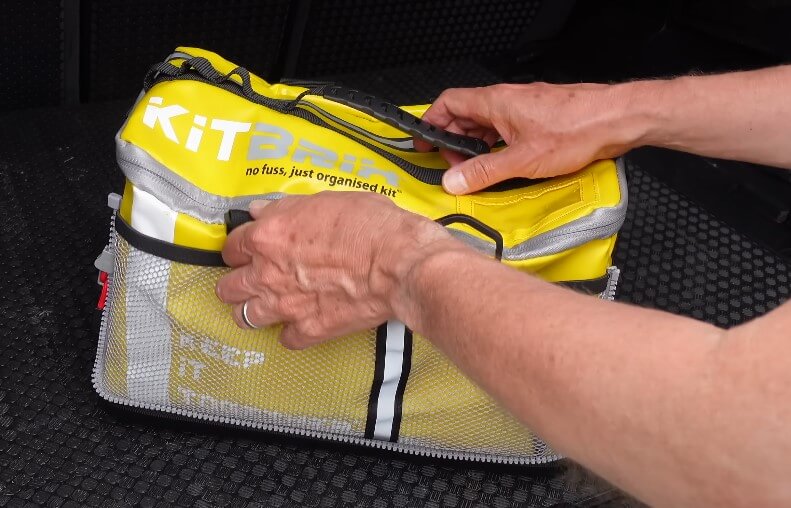
A two-tier system keeps critical items at hand and the rest organized:
- Tier 1 (within reach): High-vis vest, flashlight, escape tool, phone charger, small first-aid pouch.
- Tier 2 (trunk bin): Tools, inflator and plug kit, triangles or flares, jumper pack, water and snacks, blankets, gloves, seasonal items.
Use clear bins so everything stays visible. Zip pouches for medical items speed access. Mount critical tools, like your escape tool, in the cabin, not the trunk.
Maintenance Schedule
- Every month: Check tire pressure, including the spare.
- Every 3 months: Test your jump pack, replace flashlight batteries if not rechargeable, inspect first-aid supplies.
- Twice a year: Rotate food and water, refresh seasonal add-ons, and verify your spare-tire setup. Many owners discover too late their car shipped without a spare.
- After any use: Restock immediately.
Budget Builds for Different Drivers
View this post on Instagram
Sometimes a full-featured kit feels out of reach, but you can still cover the essentials. Under this section, you’ll find smart, scaled-down setups tailored to different situations so every driver can stay safer without overspending.
Starter Kit on a Tight Budget
- Hi-vis vest
- Compact LED flashlight
- Inexpensive triangles
- Nitrile gloves and basic first-aid pouch
- Duct tape, zip ties
- Inexpensive plug kit
- 12 V inflator
- Two liters of water and nonperishable snacks
Family Travel Kit
- Larger first-aid kit with tourniquet and pediatric-friendly supplies
- Blankets for all riders, extra water, wet wipes, hand sanitizer, paper towels
- Emergency contact and medication list
- Games or books for kids
Cold-Climate Kit
- Shovel, traction aids, wool blanket or winter bag, chemical warmers
- Extra gloves, hat, and low-temp washer fluid
EV Commuter Kit
- Triangles, vest, inflator, plug kit
- High-capacity power bank
- Mobile EVSE if space allows
- Treat high-voltage components as hands-off after any collision
What Most People Forget
- A real first-aid kit matched to modern guidance, not just bandages.
- Paper maps and printed emergency info for when signal or battery fails.
- Gloves and a ground mat so roadside work doesn’t shred your hands and knees.
- Escape tool location: store it where you can reach it while buckled and know your glass types.
A Safe Roadside Routine
- Pull fully off the roadway if possible and switch on hazard lights.
- Put on your high-vis vest before stepping out.
- Place triangles or flares behind the vehicle at safe distances, starting close and moving farther back as conditions allow. Never step into a live lane.
- Diagnose the simple stuff only if the scene is safe. Use your jump pack, inflator, or basic tools with caution.
- In winter: stay in the vehicle, run the engine about ten minutes each hour, clear the tailpipe, crack a window slightly, and keep moving your arms and legs.
- If fire or smoke: evacuate everyone upwind and uphill if possible, then call 911. Don’t attempt to fight a growing vehicle fire.
- If immersed or sinking: unbuckle, unlock, and exit via a window. Use an escape tool on tempered glass if needed.
A Ready-to-Print Checklist

When everything is laid out in one place, it’s much easier to keep your kit stocked and ready.
Core
- Hi-vis vest (ANSI/ISEA 107)
- Triangles or flares, flashlight, spare batteries
- First-aid kit with tourniquet, gloves, gauze, triangular bandages, oral glucose, aspirin
- Phone charger, power bank
- Jack, ground mat, lug wrench, wheel chocks
- Tire inflator, pressure gauge, plug kit or sealant
- Jumper cables or jump pack
- Basic tools, duct tape, zip ties
- Water, nonperishable snacks, emergency blanket, work gloves
- Paper maps, pen, printed insurance and roadside info
Seasonal
- Winter: shovel, traction aids, warm clothing, hand warmers, ice scraper, low-temp washer fluid
- Summer: extra water, sunshade, sunscreen, electrolytes
Optional
- Rain poncho, headlamp, spare fuses, extra washer fluid, small tarp
Bottom Line
A car emergency kit is not a luxury; it’s a small insurance policy you control. Build it once, maintain it on a schedule, and adapt it to your climate and family.
When life throws a flat tire, a dead battery, or a snow squall your way, the payoff is measured in safety, calm, and time saved.