

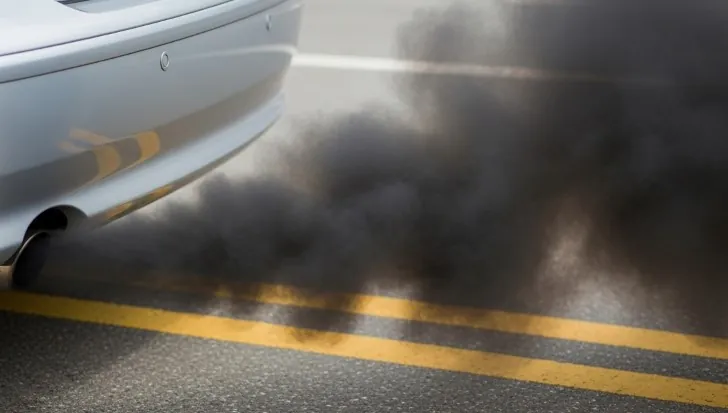
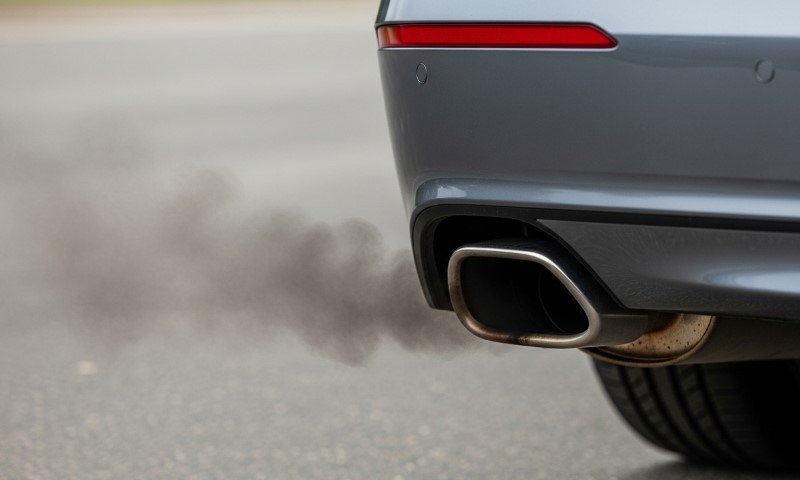
Black smoke emerging from an exhaust pipe is a clear sign that something is wrong inside the combustion chamber.
It usually becomes most visible during acceleration because the engine demands more power and fuel delivery increases sharply.
Ignoring these signs can lead to bigger problems, reduced performance, and higher repair costs.
Addressing the issue early ensures better efficiency, longer engine life, and reduced emissions.
Primary Cause: Incorrect Air-Fuel Ratio
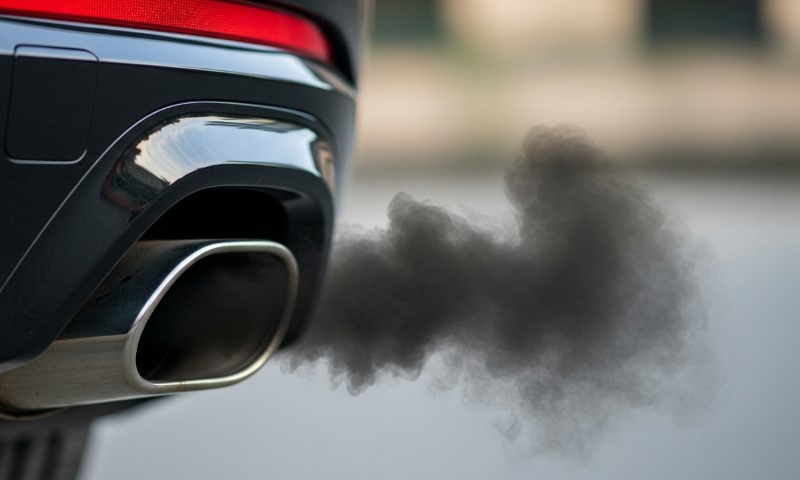
Engines are designed to burn a calculated mix of air and fuel for maximum efficiency.
When that balance shifts, combustion no longer happens cleanly, and exhaust begins to show visible signs of trouble.
Black smoke often points to too much fuel in relation to the available oxygen.
Drivers may notice sluggish acceleration, reduced fuel economy, or even a smell of raw fuel when this imbalance occurs.
A proper ratio allows each droplet of fuel to mix with enough oxygen for full combustion.
When the ratio tips toward excess fuel, the mixture is described as running rich, and unburned hydrocarbons escape through the exhaust system.
On the opposite side, a lean condition can damage the engine but usually does not create black smoke.
Sensors such as oxygen sensors and mass air flow sensors are responsible for sending real-time data to the ECU to maintain this balance.
If readings are inaccurate, combustion suffers, and black smoke becomes an inevitable symptom.
Key factors linked to incorrect air-fuel ratio include:
- Faulty oxygen sensors are misguiding the ECU
- Damaged or dirty mass air flow sensors miscalculate the air intake
- Blocked air filters are restricting airflow
- Fuel injectors are leaking or clogging
- Faulty fuel pressure regulators are creating over-fueling
Common Causes of Black Smoke During Acceleration
Acceleration demands higher fuel delivery, which means any fault in air or fuel regulation becomes exaggerated during throttle input.
Drivers often notice black smoke in these situations before other symptoms, making it a critical diagnostic clue.
The causes vary, ranging from sensor problems to mechanical wear, each requiring different solutions.
Faulty Oxygen Sensor
An oxygen sensor monitors exhaust gases and helps the ECU adjust the fuel mixture.
A malfunctioning sensor sends incorrect signals, causing the ECU to add more fuel than necessary.
That unburned fuel exists as black smoke, particularly during acceleration.
Signs of a failing oxygen sensor include:
- Poor fuel economy
- Check engine light illumination
- Rough engine performance
Defective MAF (Mass Air Flow) Sensor
The mass air flow sensor measures how much air enters the engine.
When damaged, coated in dirt, or failing electronically, it misreports airflow data.
The ECU then compensates incorrectly by adding excess fuel. During acceleration, this error shows as black smoke.
Potential issues with a defective MAF include:
- Erratic idling
- Engine hesitation on throttle
- Frequent stalling
Dirty or Clogged Air Filters
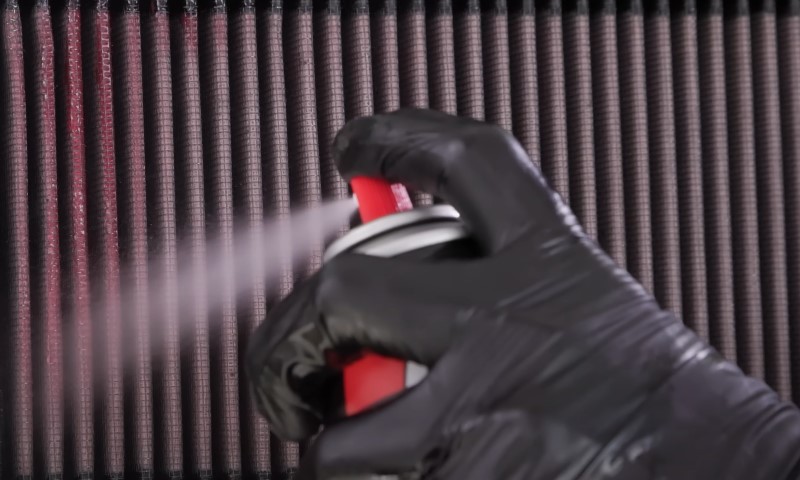
Air filters protect the intake system against dust and debris.
Over time, they accumulate dirt that reduces airflow. Less oxygen means more fuel than necessary, creating an imbalanced mixture and visible exhaust smoke.
Maintenance recommendations:
- Replace filters every 15,000–30,000 miles
- Inspect filters during every oil change
- Choose high-quality filters for longer intervals
Leaking or Clogged Fuel Injectors
Fuel injectors must spray fuel in a fine mist for complete combustion.
A leaking injector releases excessive fuel, while a clogged injector fails to atomize fuel properly.
Both conditions create incomplete combustion and black smoke.
Typical causes of injector problems include:
- Poor fuel quality
- Lack of routine servicing
- High mileage wear
Damaged Piston Rings
Piston rings maintain separation between combustion gases and engine oil.
When worn or cracked, oil leaks into the combustion chamber and burns with fuel, creating thick, dark exhaust.
This condition worsens during acceleration when cylinder pressure increases.
Other signs of worn piston rings include:
- Excessive oil consumption
- Blue-tinted exhaust in some cases
- Loss of compression and reduced power
Engine Carbon Deposits
Incomplete combustion leaves behind carbon deposits on pistons, valves, and cylinder walls.
Over time, these deposits interfere with airflow, restrict fuel atomization, and reduce efficiency.
Heavy acceleration amplifies the problem, producing black smoke.
Prevention tips:
- Use fuel additives designed for carbon cleaning
- Perform periodic engine services
- Drive at highway speeds to help burn off deposits
Faulty Fuel Pressure Regulator
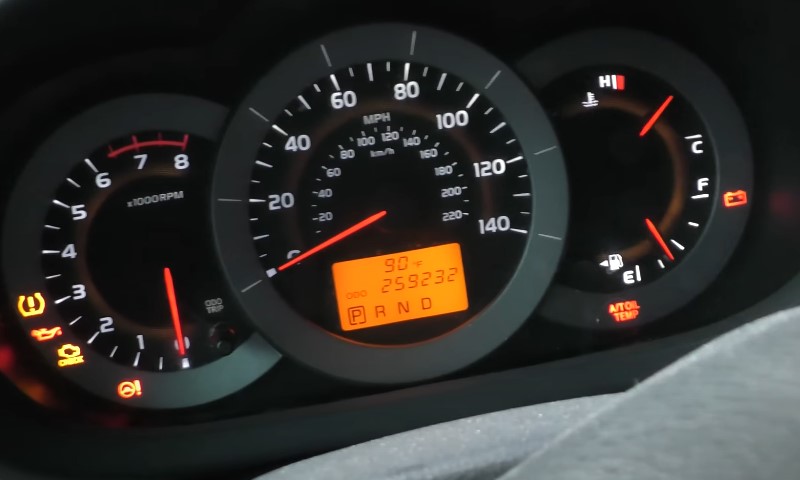
A pressure regulator ensures that injectors receive fuel at consistent pressure.
When the regulator malfunctions, pressure rises, and injectors push in more fuel than required.
Excessive fuel overwhelms the combustion process, leading to over-fueling and visible smoke.
Ignition Timing Off
Ignition timing determines when the spark plug ignites the air-fuel mixture.
If timing is advanced or delayed, combustion becomes incomplete.
Drivers may notice rough running, decreased performance, and black smoke during heavy throttle application.
Blocked Inlet Manifold
The inlet manifold distributes air evenly to each cylinder.
A blockage prevents sufficient airflow, which forces the engine into a fuel-heavy condition.
As a result, black smoke becomes evident during acceleration.
Diagnostic Symptoms Beyond Black Smoke
Black smoke rarely occurs in isolation.
Additional signs often appear and help confirm combustion problems.
Paying attention to these early warnings allows drivers to address issues before expensive repairs become necessary.
Common diagnostic symptoms include:
- Reduced fuel economy noticeable over time
- Rough idling or unexpected stalling
- Soot buildup on spark plugs
- Persistent check engine light
- Misfires or sluggish acceleration during throttle
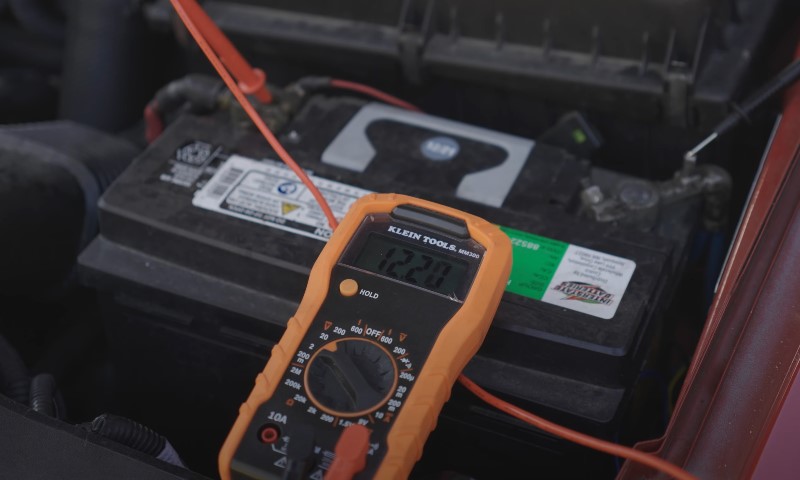
Tip: For a quick and accurate way to diagnose battery and alternator health, which can affect ignition performance and contribute to incomplete combustion, consider using a dedicated tool like the ANCEL BA101 12V Automotive Battery Tester.
It performs battery, cranking, and charging system tests, helping to pinpoint electrical issues that may indirectly cause black smoke during acceleration.
Diesel-Specific Causes
Diesel engines are more prone to visible smoke due to their higher compression ratios and different combustion methods.
While many causes overlap with gasoline engines, certain issues are unique to diesel systems.
Regular maintenance is especially important since soot buildup is common.
Clogged EGR Valve (Exhaust Gas Recirculation)
@chequanxiaoqiao Response to vehicle exhaust inspection#cardriving #cartok #mechanic #carsafety #carskills #carsoftiktok #carrepair #car #cars #tips #fyp #cartips
An EGR valve reduces harmful nitrogen oxides by recirculating exhaust gases back into the intake.
A clogged valve fails to operate properly, creating excess soot and visible smoke during acceleration.
Common indicators of a clogged EGR valve include:
- Rough idling
- Reduced fuel economy
- Engine knocking
Dirty or Blocked DPF (Diesel Particulate Filter)
A diesel particulate filter traps soot particles, but it requires periodic regeneration to burn off collected material.
Frequent short trips prevent full regeneration, leaving the filter clogged. A blocked DPF restricts exhaust flow and increases visible smoke.
Maintenance solutions include:
- Performing longer drives for passive regeneration
- Scheduling professional DPF cleaning
- Avoiding low-quality fuel
Old Diesel Engines Without a Common Rail System
Older diesels rely on mechanical fuel injection, which is far less precise compared to modern common rail technology.
Mechanical systems overfuel cylinders, generating heavier soot output and thicker black smoke.
Modern engines with common rail injection deliver exact amounts of fuel under high pressure, producing cleaner combustion.
Solutions and Fixes
Addressing black smoke requires both preventive measures and corrective repairs.
A combination of routine servicing and targeted fixes usually resolves the issue without major expense if caught early.
Routine Maintenance
Regular servicing prevents most causes of black smoke.
Replacing air filters on schedule, using fuel system cleaners, and monitoring sensor performance keep combustion balanced.
Sensor Replacement
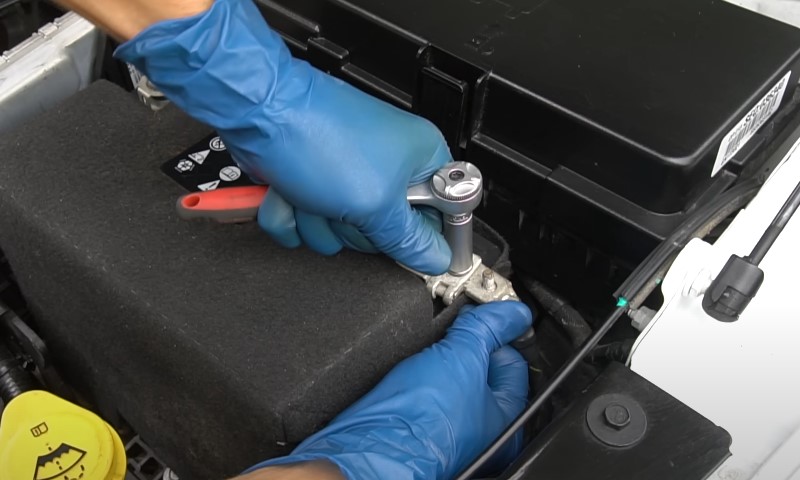
Replacing faulty oxygen or mass air flow sensors restores accurate data transmission to the ECU.
Once the system operates on correct input, fuel efficiency improves and smoke disappears.
Fuel System Service
Cleaning clogged injectors ensures proper spray patterns.
Inspecting and replacing a defective fuel pressure regulator eliminates over-fueling.
Both steps significantly improve combustion quality.
Engine Repair
Worn piston rings may require engine repair or replacement.
Carbon deposits can be cleared with chemical additives or through mechanical cleaning methods during service.
Diesel-Specific Maintenance
DPF cleaning and proper regeneration cycles prevent blockages. EGR valve replacement restores emission control.
Occasional highway drives help diesel engines run cleaner by allowing soot to burn off naturally.
Summary
Black smoke during acceleration is a warning sign that should never be ignored.
Routine maintenance and timely repairs not only solve the problem but also extend engine life.
Identifying the root cause early reduces expenses, restores lost performance, and improves fuel efficiency while lowering harmful emissions.