
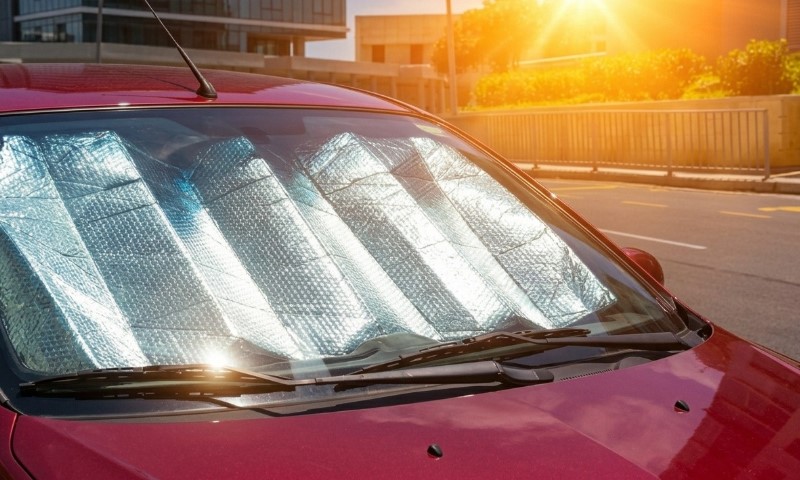
In summer, your car feels it too. We’re not just talking about a hot steering wheel or sticky seats. We’re talking real damage; cracked dashboards, faded paint, dried-out leather, even engine issues waiting to happen.
It doesn’t take record-breaking temperatures either. According to AAA, even a mild 75°F day can heat your car’s interior to 120°F in 90 minutes.
On an 80°F day? That same oven-like temp kicks in within just 40 minutes. When direct sun rays hit your dashboard, it may reach 200°F.
Protect your car during those relentless summer days by following our smart habits.
A Quick Look
Area
Key Actions
Interior
Park in shade, use sunshades, clean regularly, and condition leather
Exterior
Wash often, wax quarterly, and check tire pressure
Under the Hood
Inspect battery, coolant, fluids, and air filter
Comfort & Safety
Ventilate the cabin, maintain the AC, and avoid overheating electronics
Exterior Protection
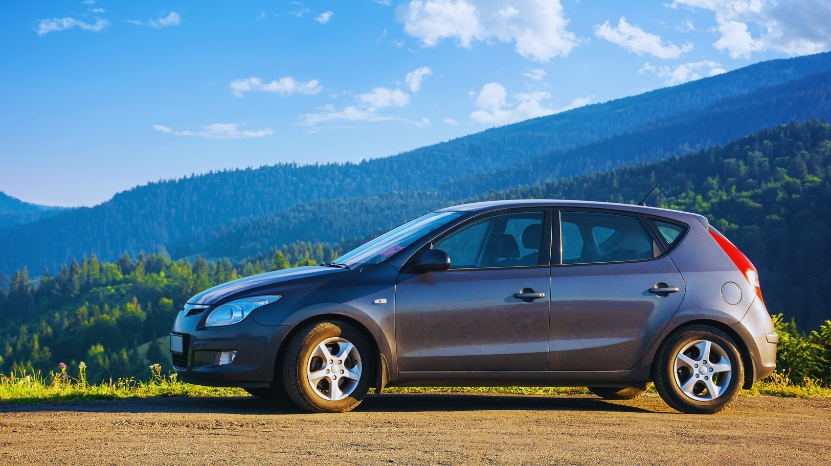
Your car’s paint, tires, and trim take a beating in the summer sun. But a few easy steps can help keep your ride looking showroom-fresh.
Wash Frequently, Wax Regularly
Let’s be honest, dust, pollen, and bird droppings don’t just make your car look like you gave up on maintenance; they’re actually corrosive. Throw in some summer sun, and boom, your paint’s aging faster than a forgotten salad in the back of the fridge.
Wash your car. Every week or two is smart during the summer, especially if you’ve just survived a rainstorm or clocked some serious highway miles.
And no, dish soap is not “basically the same thing,” as it’ll wreck your wax and leave your paint looking like sandpaper. Stick with a pH-balanced car soap and a soft mitt. Your paint will thank you.
And don’t skip the wax. Slap some on every few months; it’s like SPF for your car, shielding it from sun damage and fading. Unless, of course, you’re into the “abandoned barn find” aesthetic. According to Mercury Insurance, consistent waxing even extends the life of your paint job.
Task
How Often (Summer)
Why It Matters
Wash Exterior
Every 1–2 weeks
Removes dirt, pollen, and corrosive residue
Apply Wax
Every 2–3 months
Protects against UV rays and oxidation
Clean Windows
Weekly
Improves visibility, prevents etching
Invest in a Car Cover
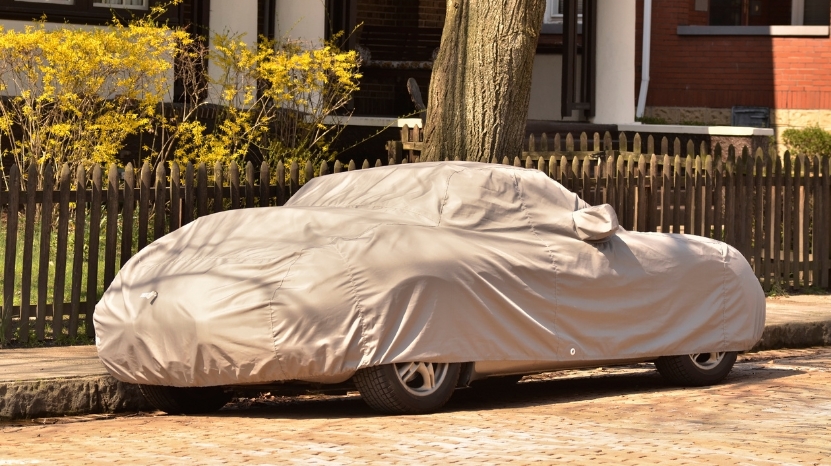
If your car lives outdoors, a breathable, fitted car cover can be a lifesaver. It shields your vehicle from the sun, bird droppings, sap, dust, you name it.
Bonus? It also makes cleaning easier by reducing buildup. Just make sure the material allows moisture to escape to avoid trapping humidity underneath.
You can also combine that with PPF in Dubai, offering even greater UV and debris defense. It doesn’t matter if you’re planning to rent a car in Dubai for a weekend getaway or driving daily in Abu Dhabi’s intense sun; that added protection keeps your vehicle looking sharp longer.
Tire Pressure
Hot weather loves messing with your tires – don’t be surprised if they’re losing pressure faster than you can actually notice it. On average, you’re looking at about 1 PSI disappearing every month, courtesy of the summer heat.
Driving on underinflated tires? Great way to kill your gas mileage, chew up your treads, and flirt with a blowout.
Do yourself a solid and check your tire pressure every couple of weeks in the summer. Yeah, it’s boring. So is waiting for roadside assistance while your car bakes in 100-degree sun like a rotisserie chicken.
And no, you can’t just eyeball it. Check the pressure when the tires are cold – like, before you drive off, and use the PSI on that little sticker inside your driver’s door.
Not the random number stamped on the tire. That one’s just there to confuse you.
Interior Protection
Your car’s interior is like a greenhouse in the sun. The glass traps heat, and the surfaces—especially anything dark—soak it right up.
Park Smart
Aim for a shady spot under a tree, next to a building, or inside a garage. Blocking direct sunlight makes a big difference.
If you’re parking long-term, try to think ahead about where the sun will move—what starts as a shady spot at 10 in the morning might be full blast by noon.
No garage? A simple carport or even a large tree can buy you a few degrees of relief.
Sunshades Matter More Than You Think
A windshield sunshade can easily drop your cabin temperature by 10 to 15 degrees. They’re inexpensive, foldable, and save your dashboard and steering wheel from baking. You can also get rear and side window shades for fuller coverage.
One note of caution: if you’ve got a dash cam—especially one powered by a lithium-ion battery—don’t pair it with a reflective shade that bounces all the heat directly onto it. Dash cams with supercapacitors (instead of batteries) hold up better in extreme heat, as pointed out by BlackboxMyCar.
Seat Covers and Steering Wheel Covers
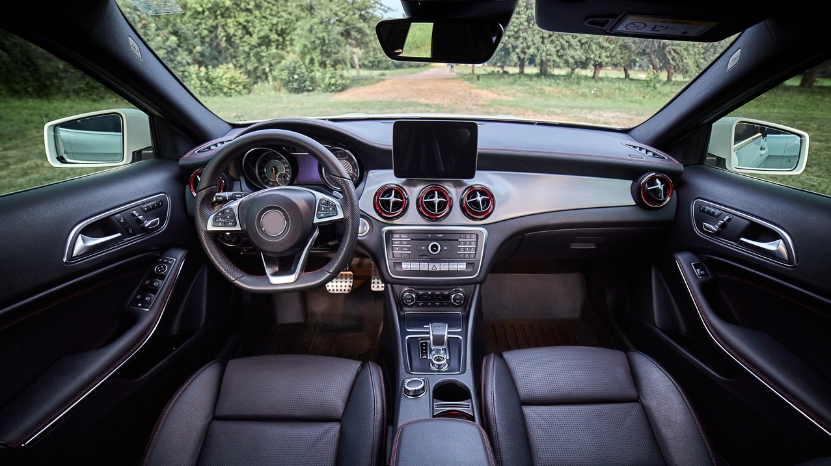
Leather, vinyl, fabric—whatever your seats are made of, they’ll benefit from some protection. A set of breathable seat covers keeps the surface cooler and reduces UV exposure.
Steering wheel covers make sure you’re not greeted with a burning wheel every time you hop in.
They’re also easier to clean than your original upholstery and can help extend the life of your interior.
Don’t Skip Leather Conditioning
Got leather seats? Then don’t be surprised when they start cracking like old toast if you skip conditioning.
Summer heat doesn’t mess around – it’ll suck the life out of your leather faster than your AC can cool the car.
So wipe off the mystery crumbs and whatever else is living in your seats, then grab a leather conditioner made for cars. Keeps things soft and smooth.
Regular Cleaning Goes a Long Way
Dust and grime don’t just sit there looking ugly – they slowly grind away at your car like nature’s version of sandpaper, especially once the sun bakes it in.
Want your dash and seats to look like they aged 10 years in 6 months? Then go ahead and skip the wipe-down.
Otherwise, grab a microfiber cloth and some cleaner that won’t wreck your interior. And yes, clean the windows too.
That invisible layer of filth? It’s just waiting to scratch things up while you pretend it’s “not that bad.”
Think About Window Tinting
View this post on Instagram
A quality window tint doesn’t just look slick—it can cut UV and infrared heat dramatically. It helps keep the cabin cooler and shields your interior from fading.
But always check your local tint laws before installing. Limits on darkness vary by state and country, and you don’t want to deal with fines or a redo.
Under-the-Hood Care
Your engine’s cooling system works overtime in the heat. A neglected part here could leave you stranded on the shoulder with steam pouring out from under the hood.
Keep an Eye on the Battery
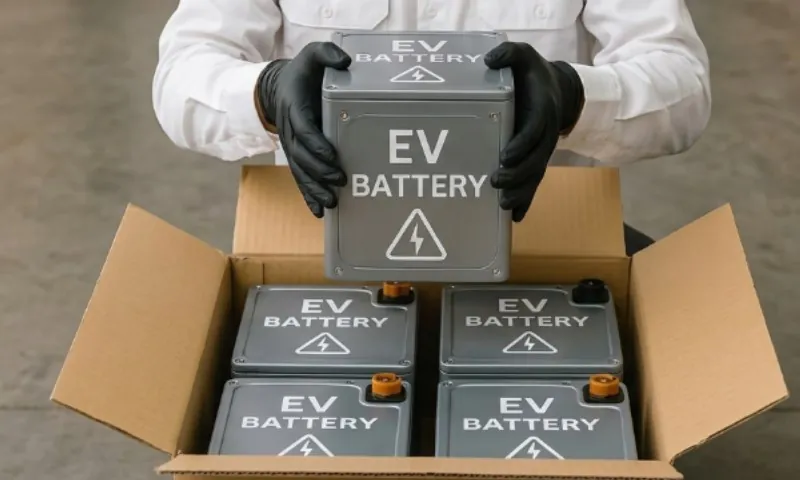
Batteries and heat? Not exactly a love story. When the temperature climbs, the internal fluids in your battery evaporate faster than your patience in traffic, and that messes with its insides.
Next thing you know, your car’s cranking slower than your grandma getting out of a recliner, your lights start flickering like it’s Halloween, and the check-engine light throws its usual tantrum.
If your battery’s over three years old, don’t wait for it to croak in the grocery store parking lot. Get it tested next time you’re in for an oil change—or better yet, grab a multimeter and check it yourself.
And hey, running the A/C in summer turns your battery into a tired mule, so if it’s already on its last leg, now’s a great time to replace it before you’re stuck sweating on the side of the road.
Check Every Fluid, Not Just Oil
Get your car summer ready with these essential tips: check and replace fluids, inspect the cooling system, ensure optimal tire pressure and condition, and test the air conditioning system. Count on HPCL for top-notch advice to keep your vehicle in prime condition! #HPCL… pic.twitter.com/CQhquQOqiP
— Hindustan Petroleum Corporation Limited (@HPCL) March 19, 2024
Summer is not the time to run low on fluids. You want to regularly check:
- Engine oil – Keeps everything lubricated and cool
- Coolant/antifreeze – Prevents overheating
- Brake fluid – Crucial for safe stopping
- Transmission fluid – Helps with shifting and heat management
- Power steering fluid – Keeps steering smooth and responsive
If you don’t know where all the reservoirs are, your owner’s manual will have a diagram. Top up when necessary, and always use the correct type.
The Cooling System is the Most Important
Your coolant level should hang out somewhere between the “min” and “max” marks on the overflow tank. If it’s low, go ahead and top it off, but don’t get clever: use a proper 50/50 mix of coolant and distilled water.
While you’re at it, give the radiator, belts, and hoses a once-over. If anything looks cracked, bloated, or suspiciously leaky, it probably needs replacing.
And no, the cooling system doesn’t last forever. Flush it out and refill it every 2 to 5 years, like the manufacturer suggests.
Replace the Air Filter if It’s Dirty
A clogged air filter makes your engine work harder, which hurts performance and gas mileage. Check it every 12,000–15,000 miles or sooner if you drive in dusty areas.
It’s one of the easiest things to replace yourself and makes a noticeable difference.
Extra Tricks for Staying Cool and Safe

Air It Out Before You Drive
If your car’s been roasting in the sun, open all the doors or roll down the windows for a minute or two. You can also swing the driver’s door open and closed a few times with the passenger window down—this pushes hot air out fast.
Then, turn on the AC with the windows still cracked for a few seconds before sealing up the cabin.
AC Not Cooling? Get It Checked
If your air conditioning feels weak or warm, it could be low on refrigerant or have a faulty compressor. A quick inspection at a local shop can save you from sweating through your commute.
Electronics Need Shade Too
Dash-mounted gadgets – GPS units, dash cams, all that jazz, turn into little ovens when your car turns into a sauna. Throw up a windshield sunshade if you want, but don’t kid yourself: sticking your electronics behind it like they’re tanning at the beach won’t help much.
If you actually want your dash cam to survive a heatwave without melting down, go with one that runs on a supercapacitor. Those things were basically made to laugh in the face of scorching dashboards.
Final Thoughts
@automobileleader When you park your car outdoors in the summer, be sure to put up a sun visor!#fpy #driving #skills #knowledge ♬ original sound – Automobileleader
Protecting your car in the summer isn’t rocket science—it’s just basic common sense with a little follow-through. The sun? It’s not going to surprise you. It shows up every single day like it owns the place.
So yeah, park in the shade whenever you can, don’t let your paint fry, and always, but always, check your fluids before your engine starts crying for help. Toss a towel over your seat so you don’t brand your thighs every time you sit down, and boom – you’re already ahead of half the population.
The result? Your car won’t age like milk. It’ll run smoother, look better, and won’t melt into a heap the second the mercury hits triple digits. Simple.