

Safety becomes the top priority when heading out on long road trips with family. Kids in the back seat add joy but also increase the need for vigilance.
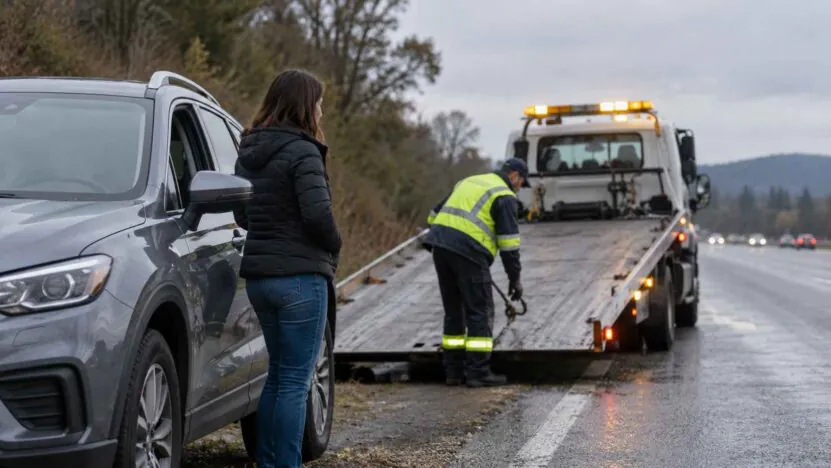
A faulty car turns excitement into anxiety faster than any traffic jam.
Here are the top signs that may signal your vehicle isn’t ready for family travel.
1. Warning Lights Are Ignored or Active
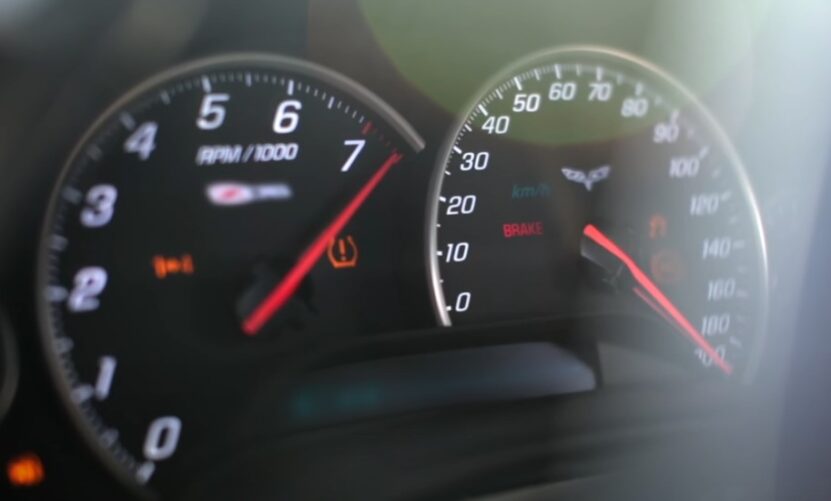
Dashboard warning lights often go unnoticed until it’s too late. Each light exists to alert drivers to a specific issue, many of which can escalate quickly. A check engine light might point to misfires, sensor failures, or exhaust problems.
Oil pressure warnings could mean the engine is running dry. Tire pressure indicators are early signs of reduced control or potential blowouts.
Before any trip, make sure none of these warning lights remain active without a clear fix. Consult a mechanic to address alerts, avoiding the risk of breaking down far from help with restless passengers in the back seat.
Watch for these critical warning lights:
- Check engine
- Oil pressure
- Tire pressure
- Battery or charging system
- Brake system
Leaving home with one active light is an open invitation to roadside emergencies.
2. Tires Show Wear or Improper Inflation
Tires affect every part of the driving experience:
- Traction
- Stability
- Braking
- Comfort
Tread depth under 2/32 of an inch means grip loss during braking or turning.
Visible bulges, cracks, or uneven tread wear suggest alignment issues or internal damage. Underinflation causes overheating, poor handling, and reduced fuel efficiency.
Pre-trip tire checklist:
- Adequate tread depth
- No sidewall damage or bulges
- Proper inflation using the vehicle’s recommended PSI
- Spare tire inflated and accessible
3. Car Seat or Seat Belts Aren’t Secure or Correctly Used
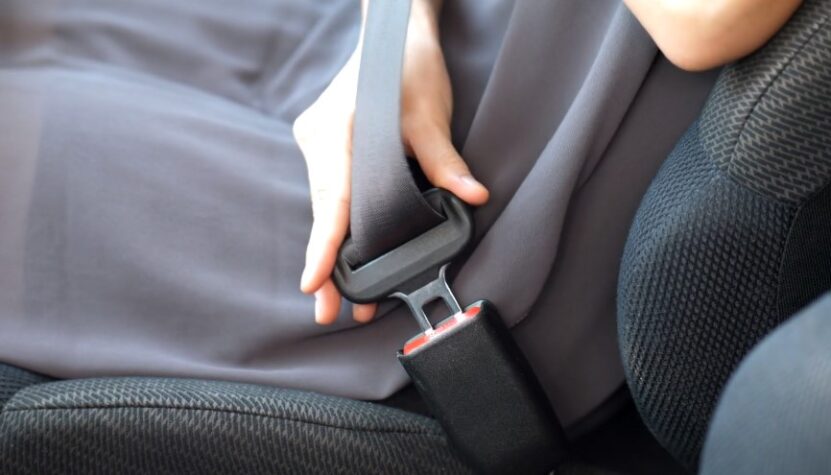
Child car seats often get installed improperly. Loose straps, incorrect anchor points, or using the wrong seat for a child’s size can reduce protection during sudden stops.
Adult seat belts also demand attention, fraying, locking issues, or retraction problems put passengers at greater risk.
Before setting out, secure every seat and buckle.
Check these safety points:
- Proper car seat type for child’s age and weight
- Tight harness and correct anchor placement
- Seat belt condition and function
- Rear-facing seats installed at the correct angle
No shortcut or guesswork should substitute safety, just ask any truck accident lawyer who’s seen the aftermath of preventable crashes.
4. Brakes Are Making Noise or Feel Spongy
Brakes that make strange sounds or feel off need immediate attention. Squealing or grinding may indicate worn pads or warped rotors.
A pedal that feels soft or sinks too far signals air in the brake lines or a fluid leak. Pulling to one side during braking could suggest caliper or line problems.
Visual checks can show pads that are too thin or rotors with scoring. A family car with poor brakes turns safe stops into nerve-wracking close calls.
5. Fluid Levels Are Low or Leaking
Multiple systems rely on fluids to function properly. Oil lubricates moving parts.
Coolant manages engine temperature. Brake and power steering fluids ensure control and stopping power. Transmission fluid makes gear changes possible.
Leaks under the car or low reservoir levels are never good signs. Sudden fluid loss while on the road can shut down essential systems.
Critical fluids to inspect:
- Engine oil
- Coolant
- Brake fluid
- Power steering fluid
- Transmission fluid
Top off where needed and fix any visible leaks before loading the kids and bags.
6. Battery Is Old or Weak
Aging batteries often signal their decline with subtle warnings. Slow cranking during startup, flickering lights, or inconsistent electronics point to poor battery health.
No one wants to begin a family getaway with a car that refuses to start.
Watch for these battery trouble signs:
- Engine turns over slowly
- Dim interior or exterior lights
- Electrical accessories working inconsistently
Replacing a tired battery before leaving avoids stranded hours in a parking lot.
7. Windshield Wipers, Lights, or AC/Heater Aren’t Fully Functional
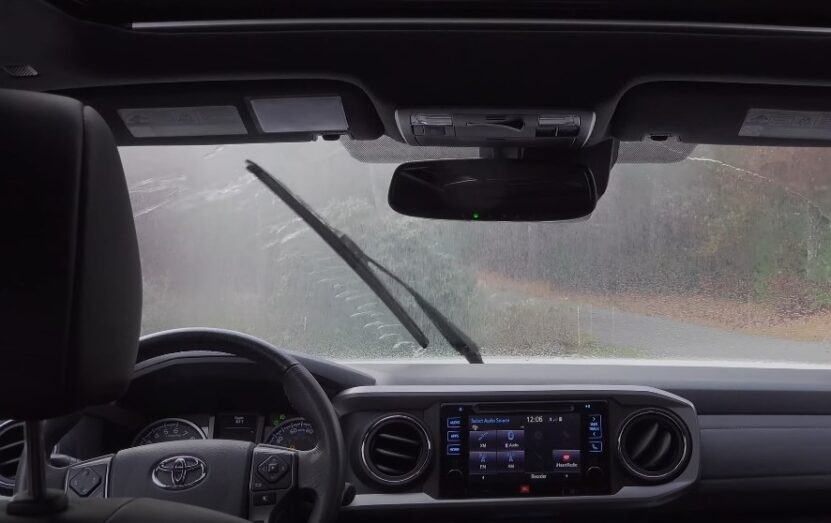
Clear visibility ranks as one of the most basic yet essential safety factors. Worn-out wipers smear water instead of removing it.
Dim or yellowing headlights reduce the driver’s field of view. Broken turn signals or brake lights create confusion for drivers nearby.
Inside the car, malfunctioning air conditioning or a non-working heater doesn’t just mean discomfort. Poor defrosting leads to fogged windows and dangerous conditions.
Systems to inspect before departure:
- Windshield wipers (front and rear)
- Headlights, brake lights, turn signals
- Air conditioning and heater
- Window defrosters
Every button and switch deserves a test before the key turns in the ignition.
8. Emergency Supplies Are Missing or Outdated
Breakdowns and minor accidents don’t follow a schedule. Being prepared means having essential supplies within reach.
A basic emergency kit helps keep situations under control while waiting for help or making quick repairs.
Check every item in the kit before departure.
Must-have emergency items:
- First aid kit with unexpired supplies
- Flashlight with working batteries
- Jumper cables or portable charger
- Water and non-perishable snacks
- Blankets, basic tools, and chargers
Relying on roadside assistance alone can result in long, uncomfortable waits—especially in remote areas.
9. Engine Belts and Hoses Show Cracks or Damage
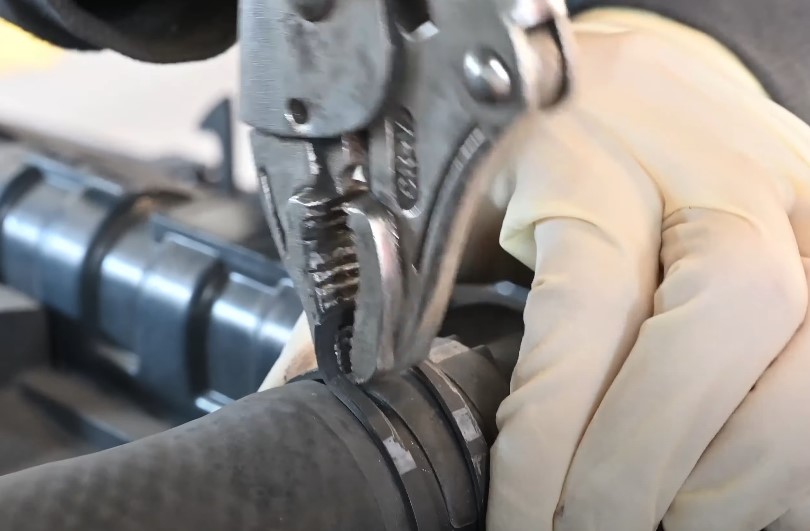
Belts and hoses silently power vital engine systems. One cracked belt or brittle hose can shut down an engine on the side of a highway. Drive belts move power between pulleys, while hoses carry coolant and fuel.
Check for visible cracks, fraying, or bulging. Any signs of wear should lead to replacement. Bringing the family vehicle in for a quick inspection may prevent long delays or costly tows.
10. You’re Physically or Mentally Unprepared to Drive
View this post on Instagram
Even a well-maintained car becomes a hazard when the driver is exhausted or stressed. Fatigue lowers reaction time. Illness distracts focus. Emotional pressure leads to risky decisions.
Before setting off, check your own condition. Take breaks every two hours, and don’t push through just to reach the next hotel. Safe driving begins with a clear, rested mind.
Pre-drive readiness reminders:
- Get at least 7–8 hours of sleep the night before
- Eat light, healthy meals
- Switch drivers regularly, if possible
- Plan for pauses and hydration
Skipping rest or trying to power through exhaustion turns small mistakes into big consequences.
Summary
A car in poor condition turns vacations into cautionary tales. Addressing small issues now prevents major problems later.
Book a professional inspection if anything feels off. Safe travel starts before the key turns. Give the car a checkup, load the snacks, and enjoy the ride.
Family trips should create memories, not mishaps.