

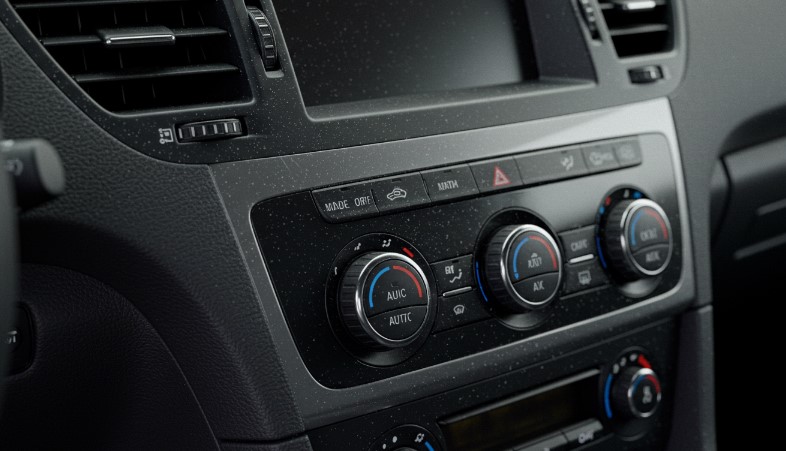
Keeping a car interior free of dust isn’t just about appearances. Dust buildup affects health, particularly for those with allergies or respiratory concerns.
A clean environment promotes comfort and hygiene during every drive.
Dust doesn’t appear out of nowhere. Static electricity clings to airborne particles. Cabin filters clogged with debris circulate dust instead of clean air.
Frequent exposure to outdoor pollutants, open windows, and neglected habits all contribute.
Awareness of these factors is the first step toward long-term cleanliness.
Prevention Strategies
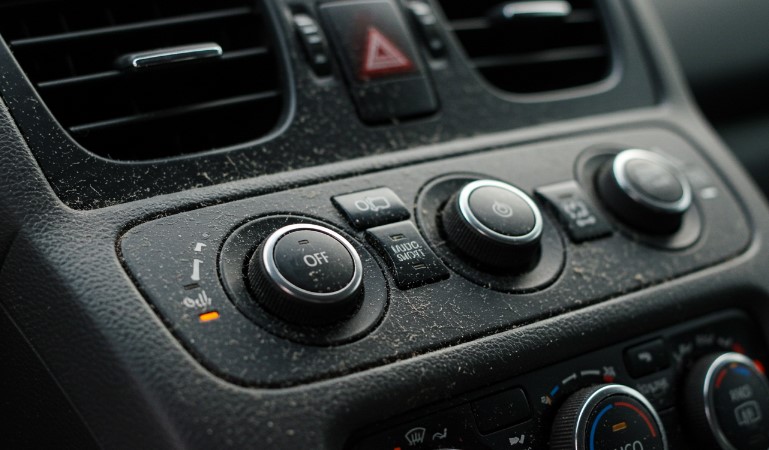
Keeping dust under control starts long before it settles.
Proactive steps make it easier to maintain a clean interior and reduce the need for frequent, labor-intensive cleaning.
Small adjustments to habits, smarter parking decisions, and use of modern protective products form a solid foundation.
Change Daily Habits
Daily behavior directly impacts how much dust accumulates inside the car.
Seemingly minor choices, like what gets left behind or how the car is used, often lead to major cleaning challenges later.
Creating a dust-resistant environment begins with conscious changes in routine.
Key daily habit changes that help reduce interior dust:
- Avoid eating in the car: Crumbs, oil, and spills attract dust and pests.
- Minimize items stored inside: Gym bags, clothing, and pet accessories collect particles that circulate while driving.
- Keep windows closed in dusty areas: Prevents airborne dust from entering, especially during construction season or in rural zones.
- Use storage bins: Contain loose items and prevent shifting objects from scattering debris.
Limiting interior clutter not only helps reduce dust but also makes cleaning faster and more effective.
Proper Parking Choices
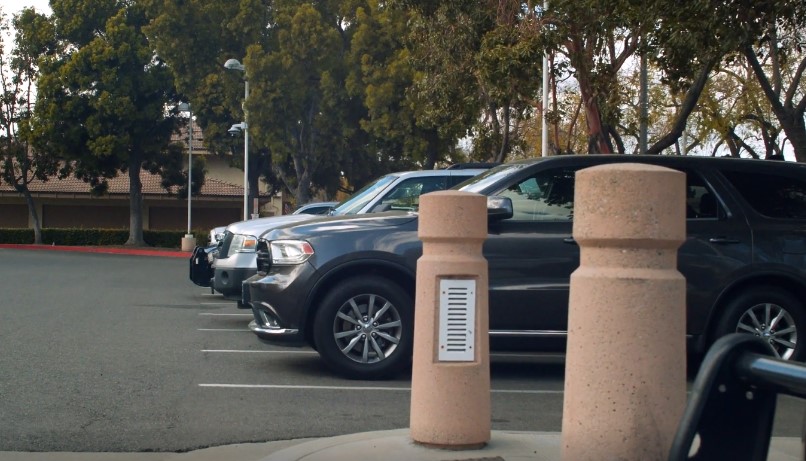
Location matters when it comes to dust control. Where a car is parked influences how much exterior dust settles on the paint and how often that dust is transferred inside. Even brief exposure to open-air lots can undo hours of cleaning.
Tips for smart parking practices:
- Choose covered garages: Offers the best protection against dust, pollen, and airborne grime.
- Park in shaded or low-traffic areas: Reduces heat buildup, which intensifies static charge and attracts particles.
Invest in a high-quality car cover:
- Multi-layered and breathable
- Water-resistant to control moisture
- Designed to stay secure during wind gusts
Use of Anti-Static Products
Static electricity acts like a magnet for dust. Surfaces with static charge pull in airborne particles and hold onto them tightly, making regular wiping feel futile.
Antistatic products break this cycle and help keep surfaces clean for longer.
Recommended anti-static solutions for car interiors and exteriors:
- Interior sprays:
- Designed for plastic, vinyl, and rubber surfaces
- Water-based options avoid sticky residues
- Quick detailers:
- Add a clean finish while leaving behind light protection
- Useful for steering wheels, dashboards, and panels
- Exterior coatings:
- Anti-static waxes smooth the surface and reduce particle attraction
- Ceramic coatings create a durable layer that helps repel dirt
Using these products consistently cuts down on visible dust and improves cleaning efficiency.
Interior Cleaning Routine
Even with excellent prevention, dust will eventually find its way inside.
A consistent cleaning routine ensures that particles don’t accumulate to the point of becoming unsightly or harmful.
Choosing the right tools and techniques simplifies the process and delivers better results over time.
Daily or Weekly Maintenance
Staying ahead of dust requires brief but regular attention.
Even five minutes every few days can keep surfaces looking fresh and prevent buildup that becomes harder to remove later.
Quick maintenance practices to follow:
- Use microfiber cloths:
- Lint-free and gentle on all surfaces
- Traps dust rather than pushing it around
- Wipe with dryer sheets:
- Offers static-reducing benefits
- Helps prevent particles from returning quickly
- Apply dust-repellent sprays:
- Water-based formulas minimize residue
- Best applied on dashboards, center consoles, and armrests
Focusing on high-touch areas such as door handles, gear selectors, and steering wheels enhances both hygiene and appearance.
Vacuuming
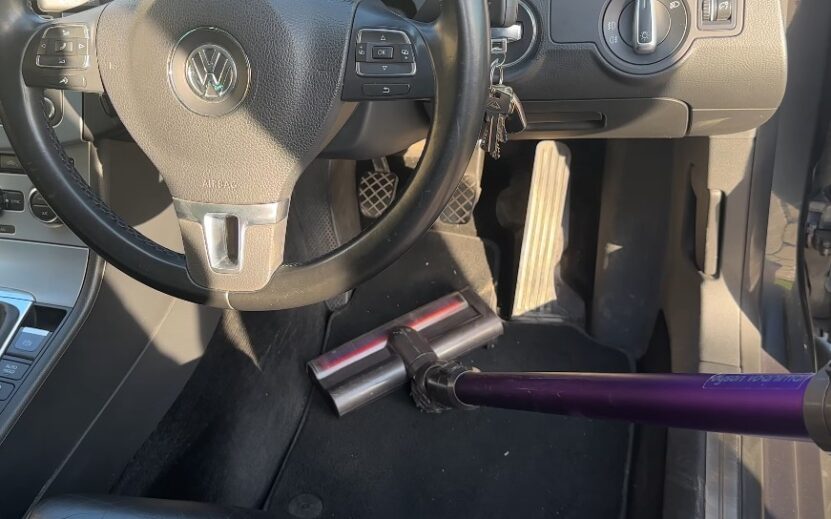
Vacuuming is essential for removing dust embedded in fabric, carpets, and tight spaces.
Dirt often settles into hard-to-reach corners, where it gradually spreads with each drive.
Effective vacuuming tips for cleaner interiors:
- Use handheld or cordless models:
- Lightweight and maneuverable
- Ideal for between seats and in footwells
- Choose HEPA-filter vacuums:
- Captures fine particles and allergens
- Keeps recirculated air cleaner
- Target problem areas:
- Floor mats
- Seat seams
- Air vents
- Storage compartments
For enhanced protection and easier maintenance, consider upgrading to heavy-duty car floor mats designed to trap dust, debris, and moisture while adding a durable, non-slip surface underfoot.
Regular vacuuming not only improves air quality but also keeps vehicle interiors smelling fresher.
Replace or Maintain Air Filters
@rakeemsdetailing Dust is very easy to buildup in the interior of our cars. Here’s 3 ways to reduce the amount of dust in our vehicle so we can breathe and drive cleanly? #cardetailing #autodetailing #detailingtips #detailingworld #detailersofinstagram #detailingworld #detailinglife #detailingcars #interiordetailing #fyp
Cabin air filters play a key role in keeping airborne dust out of the passenger area.
When neglected, these filters can become clogged, forcing the HVAC system to recirculate dust.
Steps to ensure optimal air filtration:
- Replace filters every 12,000 to 15,000 miles, or sooner in dusty environments
- Inspect filters after off-road trips or allergy season
Clean surrounding components:
- Wipe air vents using a soft brush or vacuum attachment
- Use compressed air to remove hidden dust
- Check door seals and weather stripping for trapped debris
Maintaining the filtration system directly improves air quality and keeps surfaces cleaner for longer.
Deep Cleaning Techniques
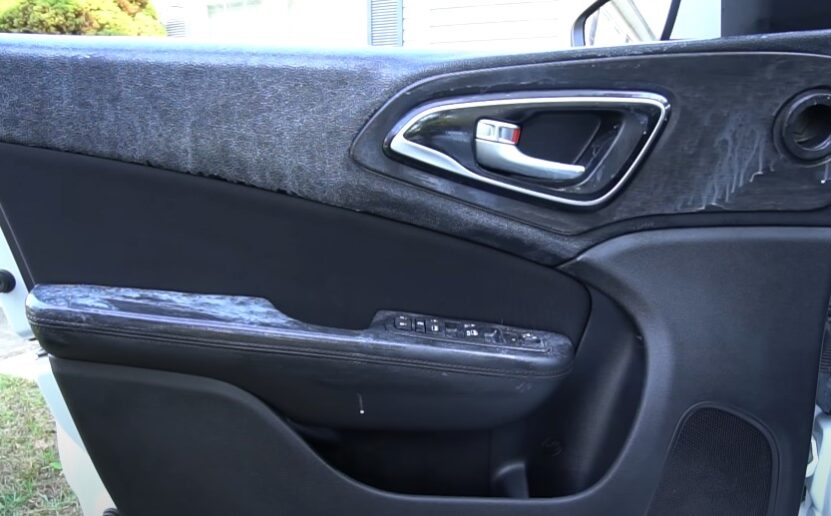
Even with regular upkeep, dust and debris find ways to settle into overlooked spaces.
Deep cleaning restores freshness, eliminates lingering grime, and gives every interior component a reset.
A methodical approach ensures nothing gets missed and materials remain protected.
1. Declutter and Remove Obstructions
Start by clearing the space completely. A clean environment is easier to work in and gives full access to all surfaces.
- Take out all trash, bags, and personal items
- Remove floor mats, seat cushions, and any portable storage bins
- Pull out cupholder inserts and ashtrays
2. Shake Out and Wash Floor Mats
Floor mats collect the majority of dust, dirt, and road debris tracked inside.
- Shake rubber mats outdoors to dislodge dry material
- Use soapy water and a brush for scrubbing rubber or all-weather mats
- Vacuum and, if needed, shampoo carpeted mats
- Allow mats to dry fully before placing them back in the car
3. Vacuum the Entire Interior
Focus on thoroughness during vacuuming. Every gap, edge, and surface counts.
- Vacuum under the seats, between cushions, and inside storage compartments
- Use narrow nozzles and crevice tools for tight spaces
- Pay special attention to seat rails, under pedals, and door pockets
4. Clean All Surfaces Thoughtfully
Every touchpoint should be wiped using proper materials to avoid damage.
- Wipe dashboards, center consoles, and interior panels with a microfiber towel and a gentle cleaner
- Spray cleaner on the cloth, not directly on the surface
- Use soft brushes to clean air vents and tricky corners
5. Address Touchscreens and Delicate Finishes
Screens and sensitive materials require specific care.
- Use alcohol-free, non-abrasive wipes for infotainment screens and displays
- Avoid excessive pressure when cleaning touch interfaces
For leather and vinyl:
- Use pH-balanced leather cleaners
- Apply conditioner if applicable to maintain suppleness
- Avoid ammonia-based products that dry out surfaces
A properly executed deep clean not only removes visible dust but also prevents recontamination through careful surface preparation.
Advanced Protection Measures
Preventing dust buildup doesn’t stop with cleaning alone.
Advanced protective steps help reduce how quickly surfaces become dirty again.
By treating both interior and exterior surfaces with specific products and techniques, dust adhesion is minimized and future maintenance becomes less demanding.
Clay Bar Treatments
Clay bars remove particles that bond to the paint and exterior surfaces. These contaminants include industrial fallout, brake dust, and airborne grime that regular washing often leaves behind.
- Extracts microscopic dust-attracting particles
- Prepares paint for sealants and waxes
- Creates a smooth, even surface that resists contamination
Clay bar application is best done after a thorough wash and before any waxing step.
Use lubrication (such as detailing spray) to glide the clay safely without scratching the paint. Once complete, the surface feels smoother to the touch and reflects light more cleanly.
Car Wax and Sealants
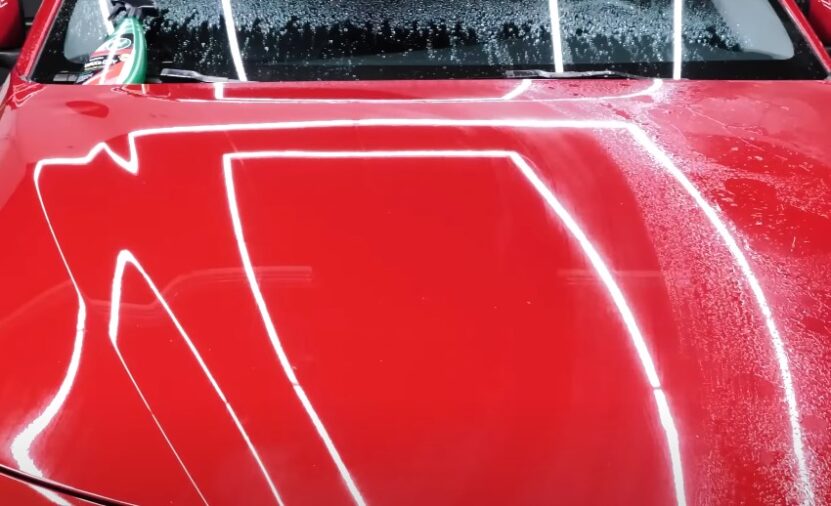
Waxes and sealants create a protective layer on the paint’s surface. This layer helps reduce friction and static electricity, which in turn discourages dust particles from sticking.
- Protective features of waxes and sealants:
- Fills tiny pores and defects in the paint
- Repels water, dirt, and fine dust
- Adds a hydrophobic barrier that makes future washes easier
Sealants generally last longer than traditional waxes and require less frequent application. Choosing products with anti-static properties enhances dust resistance even further. For daily drivers, reapplying every few months ensures consistent coverage.
Use of Antistatic Additives (OEM Solutions)
Modern vehicles often include materials with built-in resistance to dust. These are added during the manufacturing process and help reduce static buildup on interior surfaces.
Advantages of OEM-integrated antistatic additives:
- Lower attraction of dust on dashboards, panels, and consoles
- Reduced need for constant wiping and spraying
- Enhanced durability of plastics and trim surfaces
Such properties are achieved through masterbatch technology, which embeds antistatic agents into the base material.
Summary
Staying dust-free isn't complicated. Smart habits, strategic parking, and thoughtful use of products make a real difference.
Combining preventive care with targeted cleaning reduces time spent on upkeep and boosts driving comfort.
Consistency is everything. Routine attention saves money, preserves materials, and ensures a healthier environment.