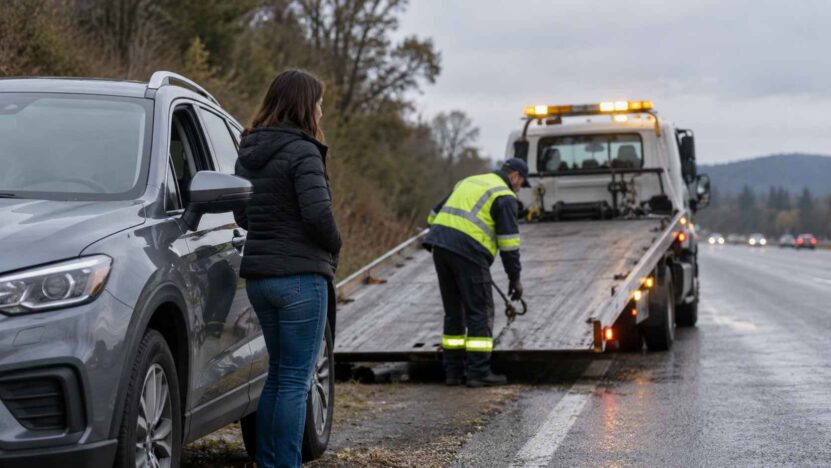

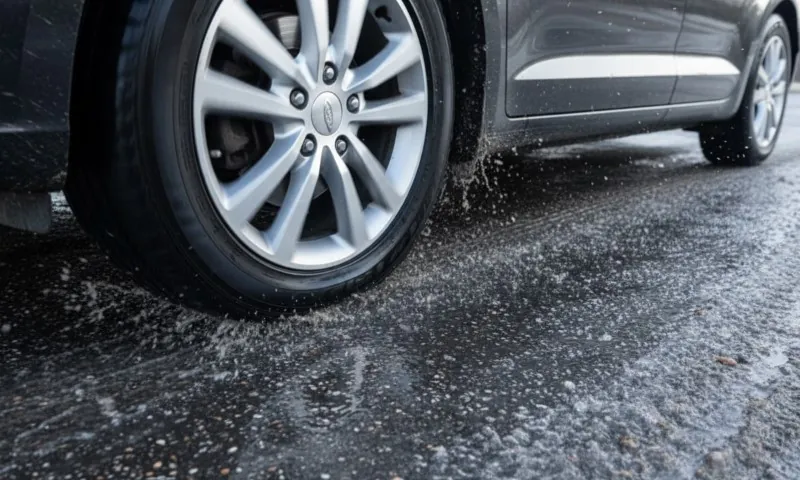
Black ice consists of a thin, transparent coating of glazed ice on roads and pavements. It often appears dark due to the underlying surface, making it nearly invisible. People also call it “glaze.”
Despite its name, black ice is clear or transparent. Its dark appearance reflects the pavement beneath, causing drivers to often mistake it for ordinary wet asphalt.
Its invisibility creates the primary danger, catching drivers completely off guard. Icy roads kill at least twice the number of people annually compared to all other severe weather hazards combined.
Nearly 2,000 deaths and over 135,000 injuries occur each year in the U.S. due to accidents on icy and snowy roads.
Approximately 24% of all weather-related vehicle crashes in the U.S. occur on snow, slush, or icy pavement, according to data. An additional 13% of weather-related crashes occur specifically on icy pavement.
When we know all of this, it becomes even more important to know all there is to know about black ice.
Black Ice – Formation and Conditions
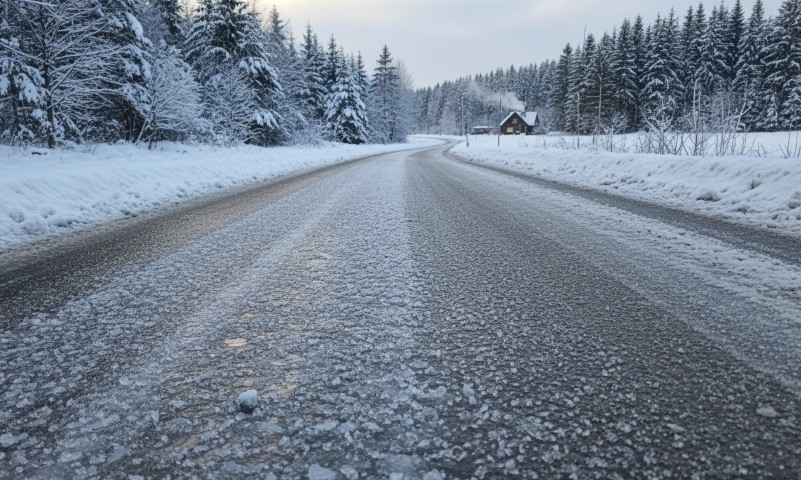
Black ice forms when a film of supercooled water freezes on an exposed surface like a road.
Water can originate from various sources, including melting snow, rain, fog, or even a light drizzle.
Temperature plays a key role. Black ice most likely forms when surface temperatures are at or just below freezing (32°F or 0°C), even if the ambient air temperature is slightly above freezing.
It often happens overnight or in the early morning when meltwater refreezes.
A Guide to Staying Safe While Driving on Black Ice
To be as safe as possible while driving on black ice, ensure tires have adequate tread depth. Consider switching to winter tires for optimal traction and handling in cold conditions.
Ensure the braking system is in good working order. If a vehicle has an Anti-lock Braking System (ABS), understand its function. Top up washer fluid with a winter-grade option.
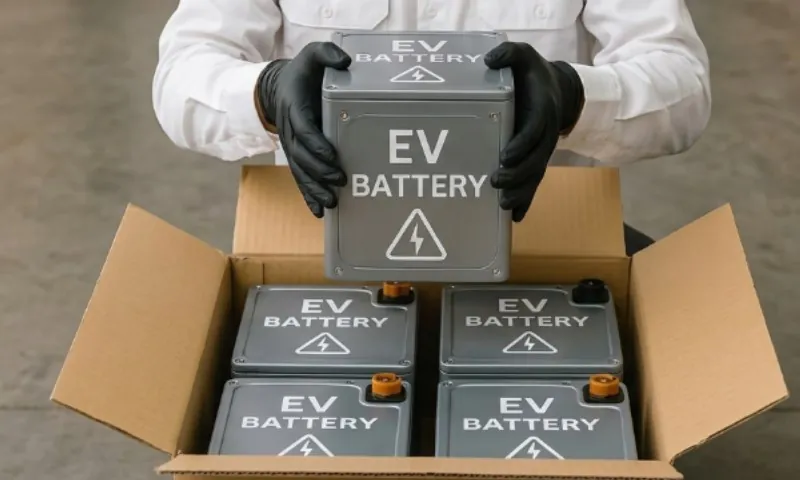
Have the battery tested to ensure it can withstand cold temperatures.
Keeping the gas tank at least half full can also prevent fuel line freeze-up.
What to Do if You Encounter Black Ice
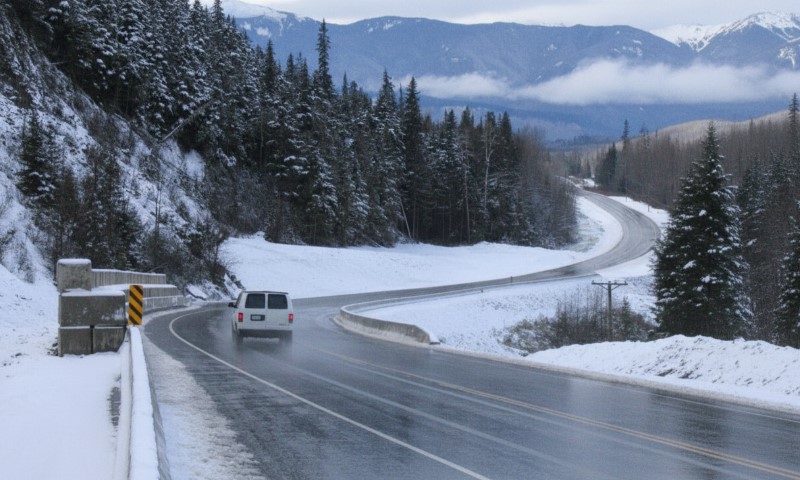
Encountering black ice can be frightening. Quick, correct actions are vital for maintaining control and safety.
Follow these steps if your vehicle suddenly loses traction on an icy patch:
Ease Off the Accelerator Immediately
Your first action should be to gently and smoothly lift your foot completely off the accelerator. Do not make any sudden movements.
Removing power to the wheels reduces the forces that are causing them to spin and allows the tires a chance to regain their grip on the pavement.
This action helps to gradually slow the vehicle without destabilizing it, which is what would happen if you were to brake suddenly.
Proceed with increased caution, as there may be more ice ahead. If an encounter results in a collision, seeking legal advice for car accident claims in Charlotte can help protect your rights under complex local laws.
Stay Calm and Avoid Overreacting
A primary instinct might be to panic, but that is the worst possible reaction.
Panicked, jerky movements with the steering wheel or brakes will almost certainly worsen the situation, potentially turning a minor slip into a full-blown spin.
Take a deliberate breath. Your goal is to make smooth, minimal inputs. Keeping a calm mind allows you to focus on the car’s behavior and execute the necessary corrections with precision.
Remember that the loss of traction is temporary, and controlled actions are your best tool for getting through it.
Keep the Steering Wheel Straight and Steer into the Skid
Hold the steering wheel as straight as you can. If you feel the rear of your car sliding to the left or right, you must steer gently in that same direction.
For example, if the back of your car is skidding to the right, turn your steering wheel slightly to the right.
This is what experts call “steering into the skid.” It helps to realign the car’s direction of travel with its momentum, preventing a spin. Make only small, careful steering adjustments.
Over-correcting by yanking the wheel can cause the car to fishtail in the opposite direction, making control even harder to recover.
Use Your Brakes Correctly, If at All
Slamming on the brakes is a natural reaction, but it will cause your wheels to lock up, and you will lose all steering control. How you should brake depends on your vehicle’s braking system.
If your vehicle has an Anti-lock Braking System (ABS), apply firm, continuous pressure to the brake pedal.
You may feel the pedal pulse or vibrate; this is the system working as intended to prevent a lock-up.
Ride Out the Patch of Ice
Most patches of black ice are not very long, often covering less than 20 feet of roadway.
Sometimes the safest and most effective strategy is to do as little as possible and simply let the car glide over the icy section.
By keeping the wheel straight and avoiding both the accelerator and the brakes, you can often pass over the patch and regain traction on the other side without incident.
Once you feel the tires grip the road again, you can make gentle corrections to your speed and position.
Proceed with increased caution, as there may be more ice ahead.
How to Spot Black Ice
View this post on Instagram
Drivers might observe a glossy, wet appearance on the road, even when other parts of the surface appear dry. This can deceive, as it often looks like regular wet pavement.
Pavement appears slightly darker and duller than the surrounding road, indicating a thin layer of ice.
A dark, glass-like sheen on the road reflects light more smoothly than surrounding areas, especially at dawn, dusk, or under streetlights.
It can appear unnaturally smooth, evenly reflective, and almost mirror-like.
Other Warning Signs
A lack of tire spray or mist from vehicles ahead, even if the pavement appears wet, serves as a strong indicator.
This suggests the “water” is actually a thin ice glaze. Ambient temperature at or near freezing also provides a clue.
If the road looks damp but the temperature suggests it shouldn’t be, consider it a red flag.
A sudden, uncharacteristic lightness or unresponsiveness in the steering indicates a loss of traction.
The Bottom Line
Black ice presents a serious and often invisible winter hazard.
Knowing how and where it forms serves as the first step to staying safe.
Proper vehicle preparation and safe driving techniques prove crucial.
Avoiding an accident on black ice means avoiding driving in icy conditions altogether. If driving is necessary, be prepared, be vigilant, and drive with extreme caution.