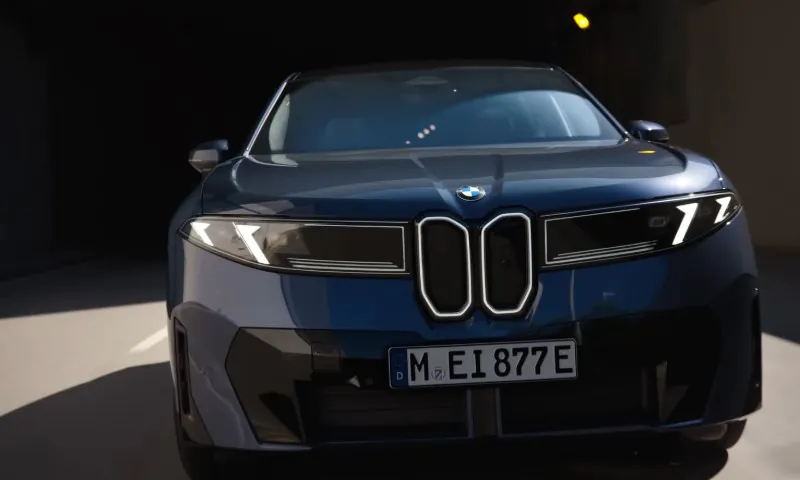

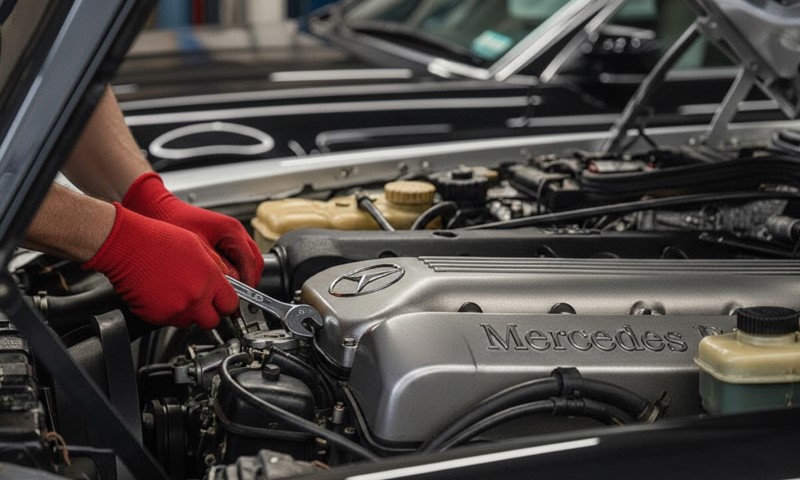
European luxury brands such as BMW, Mercedes-Benz, Audi, and Volkswagen are known for advanced engineering, performance-focused design, and premium features.
Higher levels of technology and precision manufacturing lead to increased maintenance complexity compared to mainstream vehicles in the United States.
Ownership involves more than routine servicing, as long-term reliability depends on correct procedures, approved materials, and skilled technicians.
Specialized care plays a critical role in preserving performance, safety systems, and mechanical longevity.
Incorrect servicing methods or cost-cutting shortcuts often lead to premature failures that raise ownership costs over time.
Key Differences in European Car Maintenance
Ownership of European vehicles involves maintenance practices that differ significantly from those of mainstream U.S. models.
Engineering choices, operating temperatures, and electronic integration shape service requirements and long-term reliability outcomes.
Specialized Diagnostic Tools
Modern European vehicles rely on tightly integrated electronic control units that manage engine operation, transmission behavior, suspension response, and safety systems.
Accurate servicing depends on manufacturer-approved diagnostic platforms and licensed software.
Access to critical vehicle functions depends on these systems in several areas:
- Communication with multiple control modules across shared data networks
- Resetting service indicators after maintenance completion
- Performing adaptations and calibrations after parts replacement
Generic scan tools often read limited fault data and fail to complete required post-repair procedures, leading to unresolved issues and repeated warning lights.
Strict Fluids and Parts Requirements
Fluid chemistry and component design are closely matched in European engineering.
Approved oils, coolants, and brake fluids meet precise viscosity, temperature tolerance, and additive specifications required for long service intervals and high operating loads.
Service outcomes depend heavily on proper material selection in key areas:
- Fully synthetic engine oils rated for extended intervals and turbocharged engines
- Manufacturer-specific coolant formulas designed for aluminum-intensive systems
- Brake fluids formulated for higher boiling points and electronic brake systems
Non-approved substitutes reduce efficiency, accelerate wear, and increase the risk of mechanical failure.
Maintenance Intervals
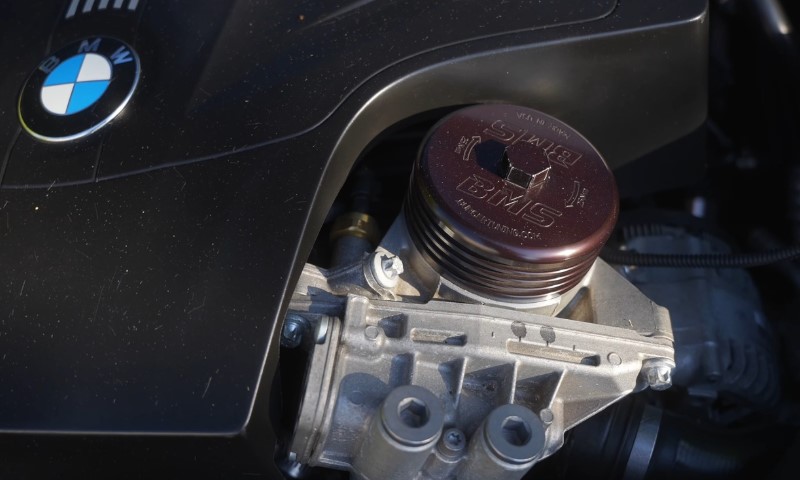
Extended service intervals reduce ownership inconvenience but increase dependence on proper monitoring and adherence.
Oil change intervals commonly fall between 10,000 and 15,000 miles under normal operating conditions.
Several factors shorten effective service life and raise mechanical stress:
- High ambient temperatures
- Stop-and-go urban traffic
- Aggressive driving patterns
Ignoring interval guidance or delaying service increases wear on bearings, timing components, and turbochargers.
Advanced Electronics
Electronic systems control nearly every vehicle function, ranging from climate operation to collision avoidance.
Warning indicators often signal communication faults rather than simple component failure.
Common electronic service challenges include:
- Network communication errors between control modules
- Sensor calibration faults after battery replacement or repairs
- Software-related malfunctions affecting multiple systems
Braking and Suspension Systems
Performance-oriented braking systems and adaptive suspensions deliver precise handling and ride control.
Maintenance involves more than pad or shock replacement, as calibration and software alignment play a major role.
Service complexity increases due to:
- Electronically controlled damping systems
- Brake-by-wire integration
- Precise torque and bedding requirements
Improper installation often leads to uneven wear, warning messages, or reduced performance.
Cooling System Demands
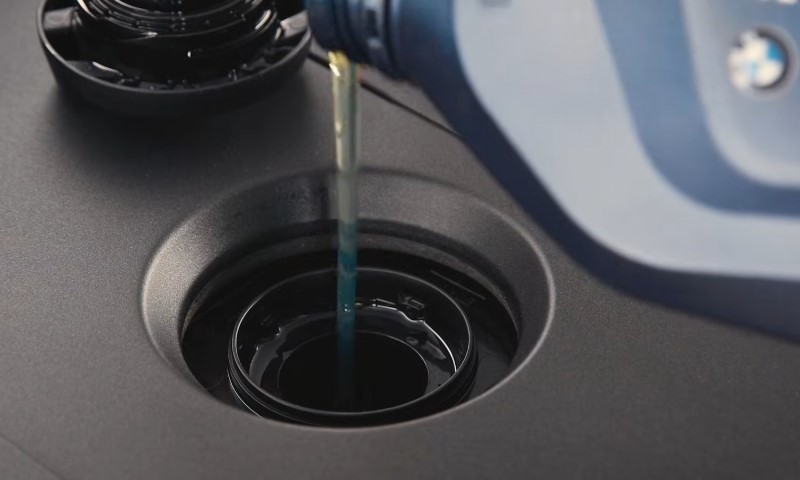
Higher operating temperatures improve efficiency and emissions compliance but increase stress on cooling components.
Hoses, expansion tanks, and water pumps require closer inspection schedules.
Cooling system reliability depends on:
- Correct coolant chemistry
- Pressure integrity across plastic and composite components
- Timely replacement of wear-prone parts
Hot climates accelerate degradation and increase failure risk.
European vs. U.S. Maintenance Approaches
@aeschbachauto Why do European cars cost more to service? #carmaintenance #carcommunity #europeancars #bmw #audi #mercedes #porsche #mechanicsoftiktok #autotechnician #automotive #tires #cartok #classiccar #dreamcar
Maintenance philosophies reflect engineering priorities established during vehicle design.
European and U.S. manufacturers approach service planning with different objectives.
Engineering Philosophy
European vehicles feature tight tolerances, high-output engines, and dense electronic integration.
Precision assembly requires equally precise maintenance standards and trained professionals.
U.S. domestic vehicles rely on simpler mechanical layouts and broader parts compatibility.
Design priorities favor ease of repair and lower long-term service costs rather than maximum performance efficiency.
Maintenance Culture
Condition-based service systems replace fixed schedules across European brands. BMW monitors oil quality, driving behavior, and component wear.
Mercedes-Benz adjusts service timing using operating data collected during daily use.
Service timing responds to sensor data rather than mileage alone, including:
- Engine load history
- Temperature exposure
- Driving patterns
Ignoring these systems or applying generic schedules reduces reliability and increases repair frequency.
In the U.S., many services labeled as European Auto Repair apply simplified maintenance schedules that do not fully account for condition-based service systems used by European manufacturers.
Brand-Specific Comparisons
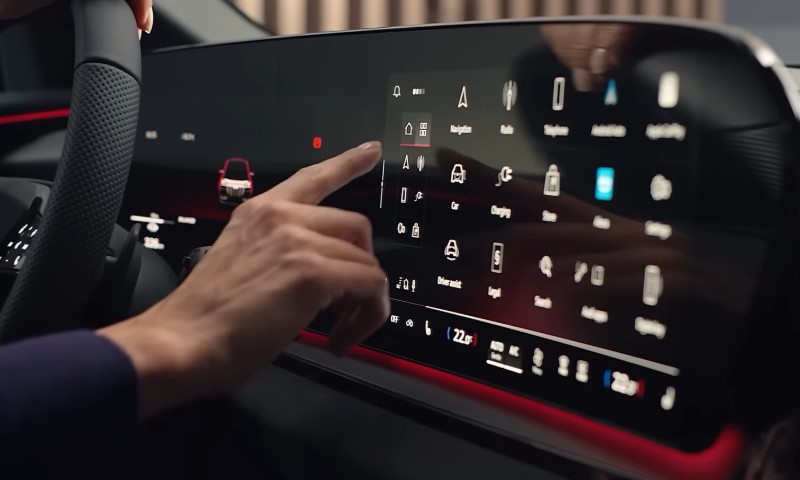
Differences in engineering focus create distinct maintenance patterns among European manufacturers.
BMW and Mercedes-Benz illustrate contrasting priorities that influence service needs.
BMW vs. Mercedes-Benz
BMW engineering centers on responsiveness and driving precision.
Cooling systems, turbocharging hardware, and electronic integration reflect performance targets that require close monitoring.
Mercedes-Benz places greater emphasis on ride comfort and long-distance durability.
Component selection and tuning often reduce frequency of unexpected repairs during extended ownership.
Maintenance Tendencies
Annual service intervals remain similar for both brands at approximately 10,000 miles or once per year.
BMW models tuned for higher output often require additional inspections and earlier replacement of supporting components.
Areas commonly needing attention differ by brand:
- BMW systems involving cooling, electronics, and timing components
- Mercedes-Benz systems involving air suspension and advanced transmissions
Common Issues
Observed ownership patterns reveal recurring concerns.
BMW vehicles frequently experience electrical faults, cooling system failures, and timing chain problems on certain engines.
Mercedes-Benz ownership reports often reference air suspension failures, nine-speed transmission concerns, and electronic control issues.
Cost Drivers in European Vehicle Maintenance
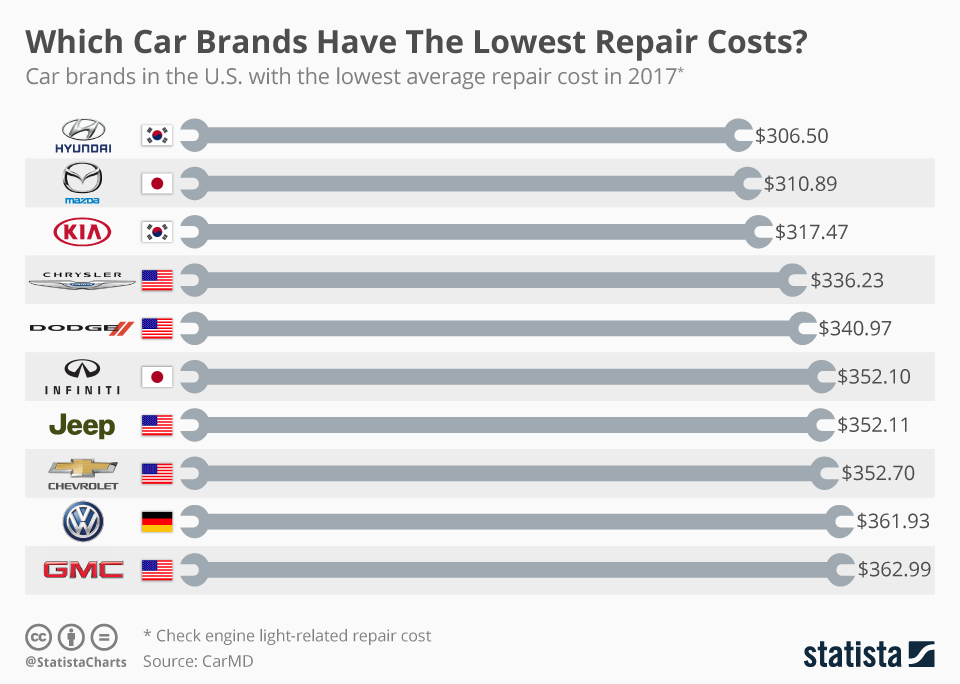 You will find more infographics at Statista
Ownership costs reflect multiple interconnected factors.
Parts pricing represents a significant contributor, as BMW components often cost 10% to 20% more than comparable Audi parts.
Additional cost influences include:
- Higher labor rates are tied to specialized training
- Increased service time due to system complexity
- Advanced diagnostics are required for accurate repairs
Regional operating conditions also affect maintenance needs. Heat, humidity, and dense traffic accelerate wear on fluids, seals, and cooling systems.
Service Network in the U.S.
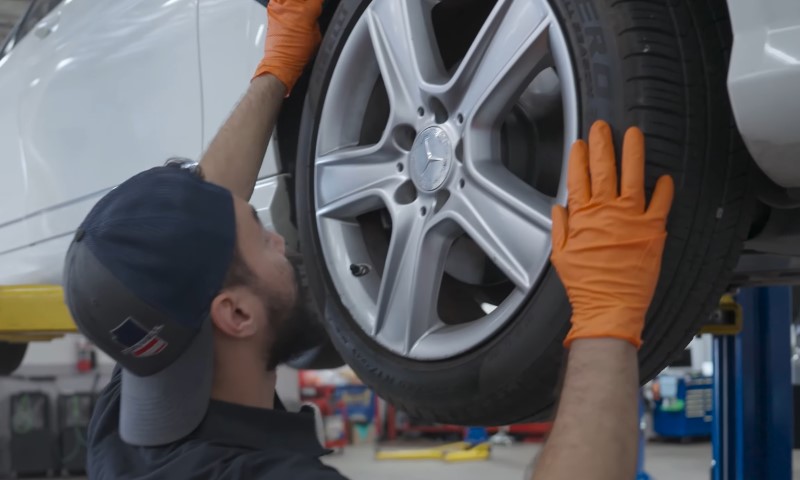
Service quality depends more on expertise and equipment than on facility type. Both dealerships and independent specialists play important roles.
Dealership vs Independent Specialists
Dealership service centers provide factory training, official diagnostic tools, and direct software access. Higher labor rates remain a tradeoff.
Independent specialists with brand-specific experience often deliver comparable results at lower cost.
Equipment quality and technician training determine outcomes rather than business size.
Diagnostic Capability
Accurate fault detection requires current diagnostic platforms and updated software.
Incomplete diagnostics lead to repeat repairs and unresolved issues.
Parts Availability
OEM parts preserve performance standards and warranty compliance.
Availability affects repair timelines and total cost, especially for imported components subject to supply delays.
The Bottom Line
European luxury vehicles deliver advanced technology, performance, and comfort, but require disciplined maintenance practices in the U.S. Service costs exceed those of mainstream vehicles and vary by brand, with BMW generally higher than Audi and Mercedes-Benz varying by model and system complexity.
Specialist expertise, correct diagnostic tools, and strict adherence to manufacturer requirements significantly improve reliability and long-term ownership satisfaction.