

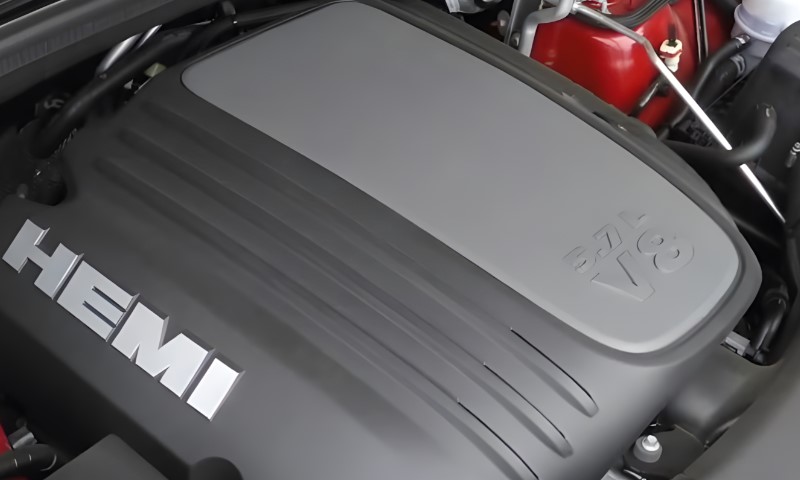
The 5.7L Hemi earned its reputation the old-fashioned way. Strong torque, simple pushrod layout, and years of real work under real trucks. In Ram 1500 applications, it hauls trailers, idles in traffic, survives cold starts, and lives a harder life than most performance engines ever will. That track record matters.
It also explains why certain problems show up again and again. When hundreds of thousands of trucks share the same powertrain, patterns become clear. Service bulletins, warranty claims, and dealership diagnostics tend to circle the same failure points.
Some issues involve real mechanical wear. Others sound dramatic but end up being exhaust leaks, software behavior, or starter hardware.
What follows breaks down the most common Dodge 5.7L Hemi problems seen in Ram trucks, why they happen, what they sound or feel like, and how repairs usually play out when handled correctly.
All details reflect FCA service guidance and documented repair paths for Ram 1500 trucks equipped with the 5.7L Hemi, including DS and DT generations and eTorque variants where noted.
The Most Common 5.7l Hemi Issues in Ram Trucks
| Problem | What you notice | Typical cause | Most common fix |
| Cold exhaust tick | Sharp tick cold, fades warm | Cracked exhaust manifold or leaking flange | Updated manifold kit and fasteners |
| Lifter and cam wear | Tick or knock, misfire, power loss | Roller lifter failure, cam lobe wear | Cam and lifter repair or engine replacement |
| Intake manifold crack | Rough idle, shaking, misfire | Crack at left front intake | Intake manifold replacement |
| Oil consumption | Oil level drops between changes | Usage pattern, PCV issues, leaks | Oil consumption test and PCV repair |
| Spark plug wear | Misfire, hesitation, poor MPG | Long intervals, 16-plug system | Correct plug replacement and torque |
| MDS drone | Low-frequency highway vibration | PCM calibration during MDS | PCM flash update |
| Random MIL and crank codes | CEL, no-start, cold rough idle | PCM software logic | PCM reprogramming |
| Starter noise | Whine or grinding on start | Loose bolts or wrong starter | Torque correction or starter replacement |
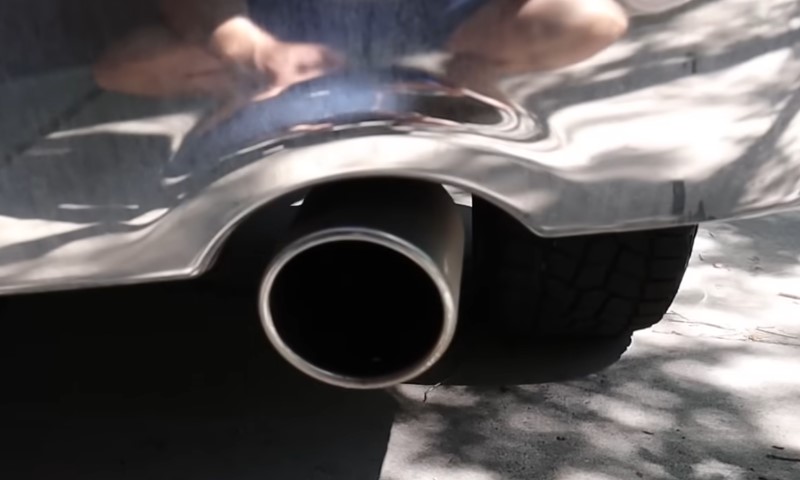
1. Cold Ticking Noise From the Exhaust Manifold Area
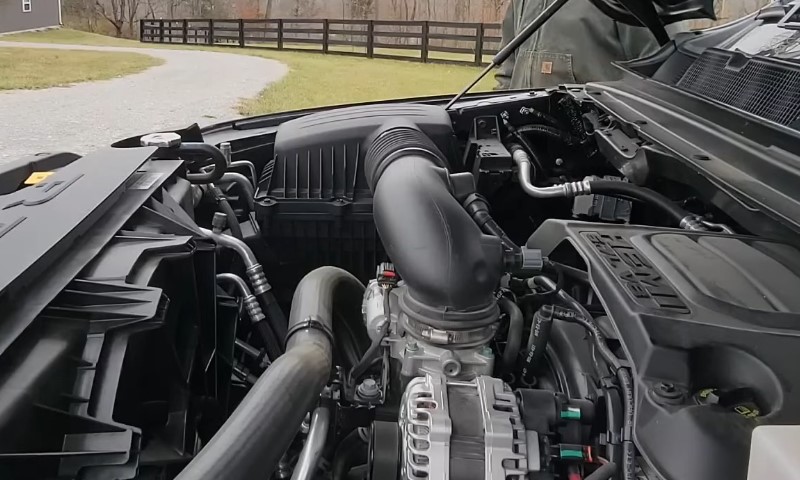
A sharp metallic tick right after a cold start. The sound usually fades or disappears once the engine warms up. Many owners worry about lifters or rod knock, but the pattern matters. Cold only, then gone, points elsewhere.
FCA service documentation for Ram 1500 trucks repeatedly directs technicians toward the exhaust manifold area when that exact symptom appears.
Why It Happens
Small exhaust leaks near the manifold flange can sound dramatic on a cold engine. As metal expands with heat, the leak seals just enough to quiet the noise. FCA bulletins focus on cracked manifold castings, especially near the bolt bosses, along with updated fasteners and tie bars to control stress.
Practical Checks Before Replacing Parts
- Start the engine cold and confirm the noise fades as temperature rises.
- Remove the heat shield on the suspect bank and listen again near the manifold.
- Inspect carefully for cracks in the casting, not just surface seams.
The Fix That Actually Works
- Replace the cracked manifold using the updated kit that includes manifold, gasket, fasteners, heat shield, and tie bar.
- Install fasteners exactly as specified to avoid bottoming in the cylinder head.
- Use tie bars even if the original setup did not include them.
Takeaway
A cold-only tick that fades warm often comes from the exhaust, not internal engine damage. Catching it early keeps the repair straightforward.
2. Lifter roller failure and camshaft lobe wear
Noise alone rarely tells the whole story here. Owners usually report a combination of symptoms:
- Abnormal ticking or knocking
- Rough idle
- Misfire
- Loss of power
FCA STAR case documentation links that cluster directly to roller lifter failure and camshaft lobe wear on the 5.7L Hemi.
Why Technicians Treat It Seriously
When a roller lifter fails, metal debris can circulate through the oiling system. That contamination changes everything. FCA guidance instructs technicians to inspect the Variable Valve Timing oil control valve screens before deciding on the repair path.
Diagnosis Path That Follows Factory Logic
- Confirm drivability issues alongside noise.
- Inspect cam lobes and lifters during teardown or inspection.
- Remove the VVT oil control valve and check the screens for metal debris.
Repair Outcomes
- No debris found: camshaft and lifter replacement is typically approved.
- Debris present: engine replacement becomes the required fix under FCA guidance.
Risk Reduction Habits That Help
No single trick prevents lifter failure, but oil discipline matters:
- Keep oil level correct at all times.
- Use severe-duty service intervals for towing and short trips.
- Investigate new valvetrain noise early.
FCA oil consumption guidance warns that operating below the minimum oil level can cause severe engine damage and may fall outside warranty coverage.
3. Intake Manifold Crack Leading to Misfire and Rough Idle
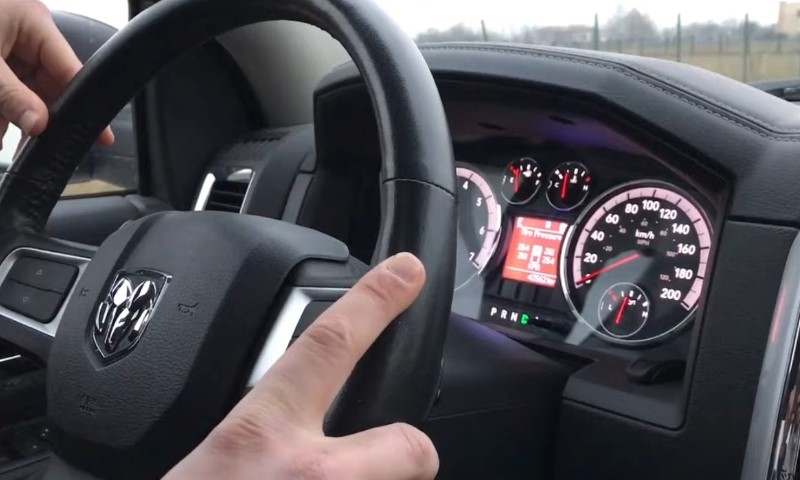
Unlike exhaust ticks, intake manifold cracks present as drivability complaints:
- Check engine light
- Rough idle and shaking
- Cylinder-specific misfire, often P0301
FCA documentation identifies a fracture crack at the left front corner of the intake manifold as the root cause in affected Ram 1500 trucks.
Repair Process
- Confirm diagnostic trouble codes.
- Inspect the left front intake manifold corner for cracking.
- Replace the intake manifold if damage is present.
Why This Bulletin Matters
Misfires can come from plugs, coils, injectors, or vacuum leaks. FCA tied a specific misfire pattern to a specific crack location, which saves diagnostic time and prevents repeated parts swapping.
4. Oil Consumption Complaints and What FCA Considers Acceptable
Oil usage conversations often spiral quickly. FCA addressed that with a published Engine Oil Consumption Guideline that applies to gasoline engines, including Ram truck usage.
FCA’s Stated Thresholds
- 1 quart per 2,000 miles for the first 50,000 miles
- 1 quart per 750 miles after 50,000 miles.
Towing, high RPM operation, high speed driving, and heavy loads can all increase consumption.
What to Verify Before Assuming Internal Damage
FCA’s checklist includes:
- External leaks at oil pan, intake area, and oil lines
- Correct dipstick and proper seating
- Proper oil fill level
- Correct oil viscosity and specification
- PCV system operation
Solutions That Usually Resolve the Complaint
- Repair leaks first.
- Correct PCV restrictions or damaged hoses.
- Perform an oil consumption test per service procedure if concerns remain.
Owner Habit That Matters Most
Check oil level more frequently during towing or heavy use. FCA explicitly calls for more frequent checks under high-consumption conditions.
5. Spark Plug and Ignition Wear Tied to the Hemi Design
The 5.7L Hemi uses two spark plugs per cylinder. That means 16 plugs total. Ignoring maintenance here leads to misfires, poor fuel economy, and stressed ignition coils.
Key Hemi-Specific Realities
- Two plugs per cylinder.
- 30,000-mile replacement interval prior to 2014.
- 100,000-mile interval after 2014 for the 5.7L Hemi.
- Plug design and thread length vary by model year.
Common Symptoms of Ignition Wear
- Rough idle
- Hesitation under load
- Hard cold starts
- Check engine light with misfire codes
- Drop in fuel economy
Proper Repair Approach
- Replace all 16 plugs using correct part numbers.
- Install plugs by hand to avoid cross-threading.
- Torque to specification.
- Inspect coil boots and connectors during replacement.
Skipping torque accuracy or mixing plug types creates repeat problems.
6. Drone or Vibration During MSD Operation
A low-frequency drone or vibration at steady highway speeds, usually when cylinder deactivation engages.
FCA’s Fix
For certain Ram 1500 trucks, FCA issued a PCM reprogramming bulletin that addresses vibration during Multiple Displacement System operation.
Diagnosis Tips
- Confirm vibration aligns with MDS engagement.
- Rule out tires and driveline components.
- Verify build date and bulletin applicability.
Solution
PCM flash update following the bulletin procedure.
7. Random Mil, Crank Sensor Codes, Eco Light Behavior, and Cold-Start Rough Idle
Modern trucks rely heavily on software. FCA issued a PCM update bulletin for 2019 Ram 1500 trucks that lists multiple symptoms tied to calibration logic:
- P0335 and P0339 crankshaft position sensor codes
- ECO light not illuminating during MDS
- Crank with no start
- Rough idle after cold start
- Cooling fan behavior complaints
pasted
Why Calibration Matters
A crank sensor code can look like a failed sensor. In some cases, software logic triggers false faults. FCA addressed that with updated calibration.
Fix path
- Reprogram the PCM with the latest software.
- Clear codes.
- Re-evaluate only if faults return.
8. Starter Noises That Get Blamed on the Engine
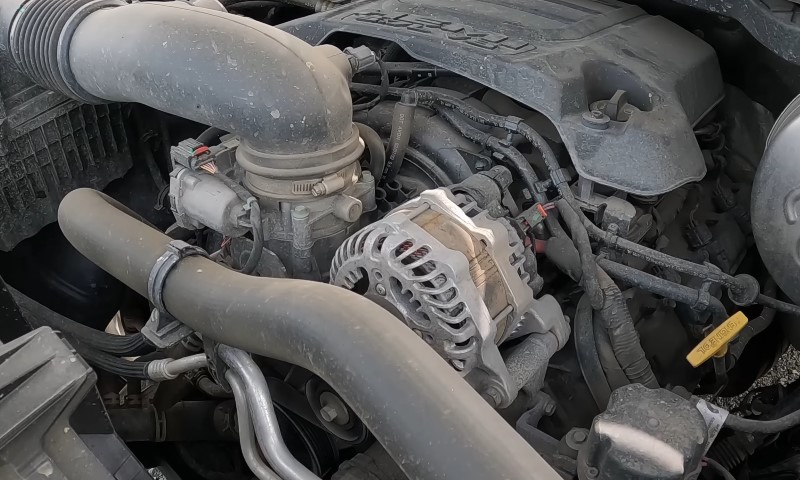
Starter-related noise often sends owners down the wrong diagnostic path.
Loose Starter Bolts
A Ram 1500 bulletin covering multiple engines, including the 5.7L, addresses excessive starter noise caused by loose mounting bolts.
Fix
- Inspect starter mounting.
- Torque bolts to specification.
- Replace fasteners if required for access.
Incorrect Starter Motor on Limited Builds
A narrow 2020 build window saw incorrect starters installed on certain Ram 1500 trucks with the 5.7L and eTorque.
Fix
- Verify starter date code.
- Replace the starter if incorrect.
Extra Note on Cabin Noise
Some 2019 trucks experienced cabin drone caused by Active Noise Control calibration. FCA issued an ANC module flash to correct it. Cabin resonance often gets mistaken for engine trouble.
A Diagnostic Order That Saves Money
Before authorizing major engine work:
- Check if noise is cold-only and fades warm. Inspect exhaust manifolds first.
- Match drone complaints to MDS engagement and check for PCM updates.
- Pull codes and cross-check known bulletins.
- Rule out ignition maintenance issues.
- Treat lifter or cam wear as high stakes. Inspect VVT OCV screens before deciding repair scope.
- Follow FCA oil consumption testing before assuming internal damage.
Final Thoughts
The 5.7L Hemi in Ram trucks remains a strong, durable engine when maintained and diagnosed correctly. Most high-dollar repairs follow ignored warning signs, skipped maintenance, or misdiagnosis.
Knowing the common failure points and the factory-approved repair paths keeps owners from wasting money and chasing the wrong problems.
Patterns matter. Sound patterns, mileage patterns, and symptom clusters all tell a story. When read correctly, they turn frustration into a clear repair plan.