
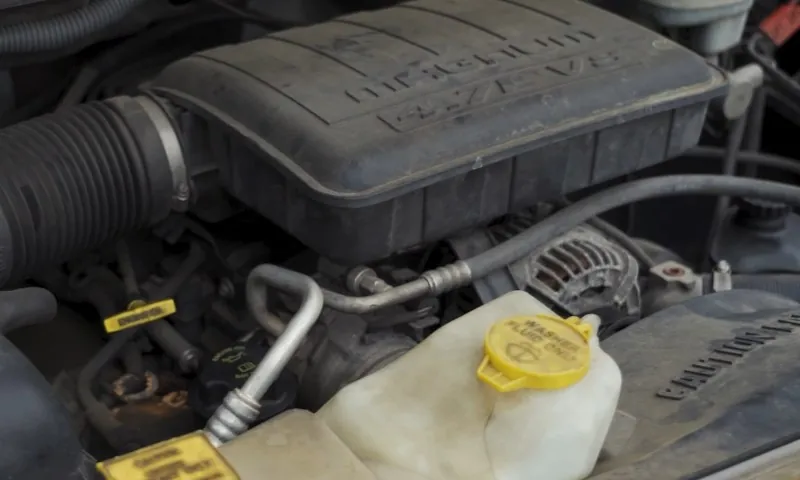
The Dodge 4.7L SOHC V8 has lived a long, complicated life under the hoods of Dakotas, Durangos, Ram trucks, and related Jeep platforms. Some owners swear by it. Others still talk about it with visible frustration. Both reactions make sense.
Patterns repeat with this engine. Not random horror stories, but the same clusters of complaints showing up across years, platforms, and ownership styles. Most of them trace back to oil control, heat management, and a short list of early production edge cases that never fully shook their reputation.
A clear 2025 update works best when the noise gets stripped away, and the problems get sorted into buckets. Factory-documented issues. Maintenance-driven failures that snowball over time. Misdiagnoses that drain wallets without fixing anything.
The guide below follows that structure and reflects documented guidance and data from Chrysler and NHTSA materials provided in the attached file. Let’s get into the details.
How the Same 4.7L Problems Follow Different Dodge and Jeep Badges
@powertrain_prod Dodge 4.7L Powertech Engine problems. If you have personal experience with this engine, I would love to hear about it!
The 4.7L architecture stayed largely consistent across Dodge and Jeep applications. Cooling behavior that creates trouble in a Jeep Commander can surface the same way in a Dodge Durango or Dakota once conditions line up. Weight, gearing, airflow, and usage patterns change, but the root causes stay familiar.
Before chasing rare failures, experienced techs start with the boring checks:
- Oil level and oil spec
- Oil change interval matched to real use
- Cooling fan operation under load
Skipping those basics turns minor issues into expensive ones.
At-a-Glance Problem Overview
1. Foamy Oil Emulsion Under the Oil Cap Gets Misread as Engine Failure
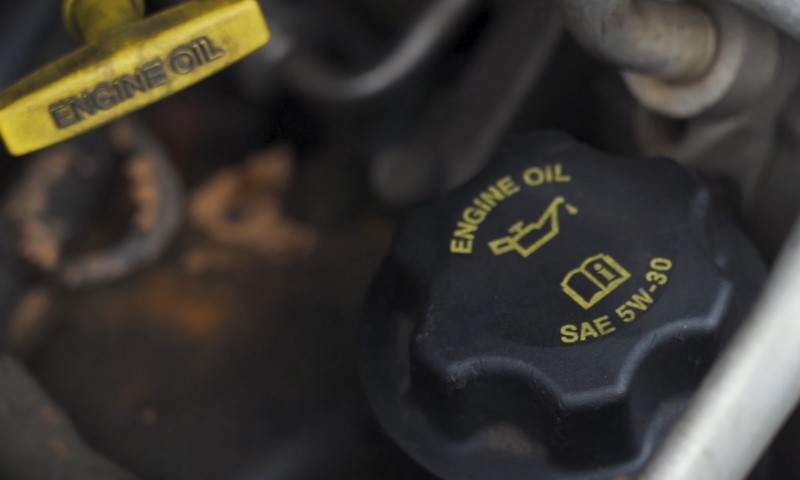
One of the most common panic moments with the 4.7L happens at the oil fill cap. Owners pull it off and see a gray or light-brown foamy buildup. The assumption jumps straight to blown head gaskets or severe sludge.
Chrysler addressed that reaction directly.
What Owners See
- Foamy, milky-looking residue inside the oil fill housing
- More noticeable in cold weather
- Common on short-trip vehicles
What Chrysler Documented
Chrysler described the condition as oil emulsion buildup that can occur under normal operation and stated it “will not damage the engine.”
Cooler internal surfaces and condensation allow moisture to mix with oil vapors, especially when the engine does not stay hot long enough to burn it off.
The Factory Fix
A technical service bulletin instructed dealers to install an updated baffle and revised oil fill housing cap. The goal was not internal repair, but reducing visible emulsion in the fill area.
Practical Diagnostic Boundaries
Foam alone does not equal internal failure.
- Verify oil level using the proper dipstick method
- Look for actual coolant loss separately
- Review driving habits, especially short trips
If coolant loss or overheating accompanies the foam, the situation changes. Without those signs, panic usually does more harm than good.
2. Oil Overfill and Underfill Create Real Damage Over Time
The 4.7L is not forgiving about oil level errors. Chrysler was clear that both overfilling and underfilling can cause oil aeration or oil pressure loss.
Symptoms Linked to Oil Level Problems
- Ticking noises that increase when hot
- Oil warning lights that come and go
- Noise after long highway runs or high RPM driving
Oil aeration introduces air into the lubrication system. Pressure drops. Bearings suffer. Noise follows.
The Correct Way to Check Oil
The manual instructs checking the oil:
- About 5 minutes after shutting off a fully warmed engine
- Or before starting, after sitting overnight
- On level ground
Oil should stay within the SAFE range on the dipstick. Guessing or topping off blindly causes many of the problems blamed on the engine itself.
2025 Takeaway
A large portion of “4.7 oiling problems” are owner-created. The correct oil level is a prerequisite before blaming pumps, bearings, or internal wear.
3. Oil Interval and Oil Specification Mistakes Drive Avoidable Wear
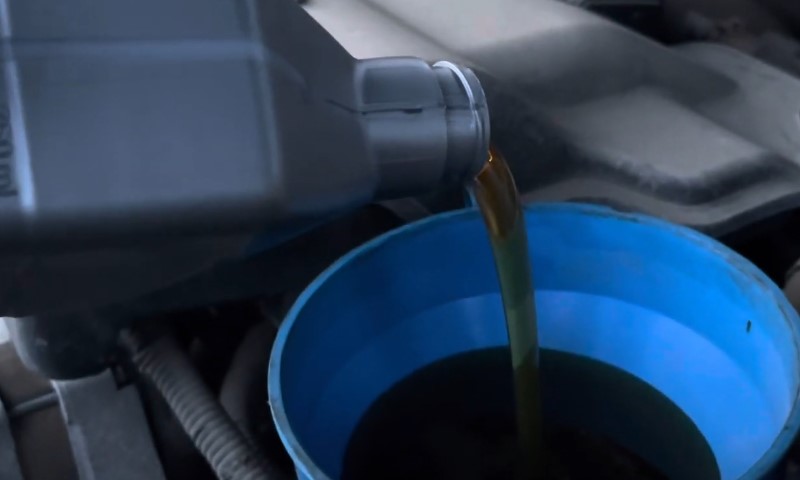
Owners often want one oil interval that works for everything. Chrysler never designed the schedule that way.
What Chrysler Classified as Severe Service
The manual lists multiple conditions that trigger shorter oil change intervals:
- Stop-and-go driving
- Extensive idling
- Dusty environments
- Short trips under 10 miles
- Sustained high-speed driving in hot weather
- Towing or commercial use
- Off-road driving
Under those conditions, the manual calls for oil changes every 3,000 miles or 3 months.
Oil Specification Matters
Chrysler specified API certified oil meeting MS-6395. SAE 5W-30 is listed as the preferred viscosity for Dodge trucks with the 4.7L engine.
Additives Create More Problems Than They Solve
The manual strongly recommends against oil additives, warning that supplemental products can impair performance. Leak detection dyes are the only exception noted.
A Maintenance Approach That Works
- Use oil meeting MS-6395
- Stick with SAE 5W-30 unless conditions clearly justify otherwise
- Treat severe-service intervals seriously
- Replace the oil filter at every oil change
Engines that follow those basics tend to live much longer than their reputation suggests.
4. Overheating Risk From Electric Radiator Fan Failures
Heat turns small issues into expensive ones. NHTSA Safety Recall F25 documented a failure mode where electric radiator fan blades could fracture and separate, damaging the radiator and causing overheating.
What the Recall Identified
- Fan blade fracture
- Radiator damage
- Engine overheating
The remedy was the replacement of the electric radiator fan.
Why It Still Matters in 2025
Even outside recall coverage, the logic remains important. Reduced cooling capacity stresses oil, raises internal temperatures, and shortens component life.
Many later engine failures trace back to an earlier overheating event that seemed minor at the time.
Smart Owner Checks
- Verify fan operation under load
- Running the AC should command fan engagement
- Any overheating episode should trigger a full cooling system inspection
Ignoring cooling problems invites cascading failures.
5. Stalling While Driving From PCM Calibration Issues
Not every stall points to hardware failure. NHTSA’s investigation EA07-007 examined engine stalling in 2006 and 2007 Jeep Commander vehicles equipped with the 4.7L V8.
What NHTSA Reported
- Population evaluated: 163,219 vehicles
- Total complaints: 854
- Crash or fire incidents: 12
- Injury incidents: 1
Stalling rate:
- 90% for recalled vehicles
- 28% for the remaining population
The defect was linked to PCM software calibration.
Why Dodge Owners Should Care
Even under a different badge, the lesson applies. Stalling can be software-driven and limited to specific build windows. Mechanical repairs do nothing if the underlying calibration remains unchanged.
The Fix
The remedy described was PCM software reprogramming through recall channels. Owners dealing with unexplained stalling should verify recall status and PCM update history before replacing parts.
6. Camshaft Position Sensor Contacting the Tone Wheel
Chrysler issued TSB 08-22-00 Rev A covering a small batch of 4.7L engines with a machining variance at the camshaft position sensor mounting surface.
Symptoms
- Reduced performance
- MIL illumination
- Intermittent driveability complaints
Root Cause
Over-machining of the cylinder head pad reduced clearance, allowing the CMP sensor to contact the tone wheel. Contact damaged the sensor and caused signal loss.
Correct Repair Procedure
- Verify engine build date via the oil fill housing barcode
- Inspect for an existing shim and preserve it
- Use a select-fit shim kit to set the air gap
Specified air gap:
- 76 mm plus or minus 0.25 mm
- 76 mm preferred
Replace the CMP sensor if damaged.
7. “Stalling” That Turns Out to Be Fuel Restriction
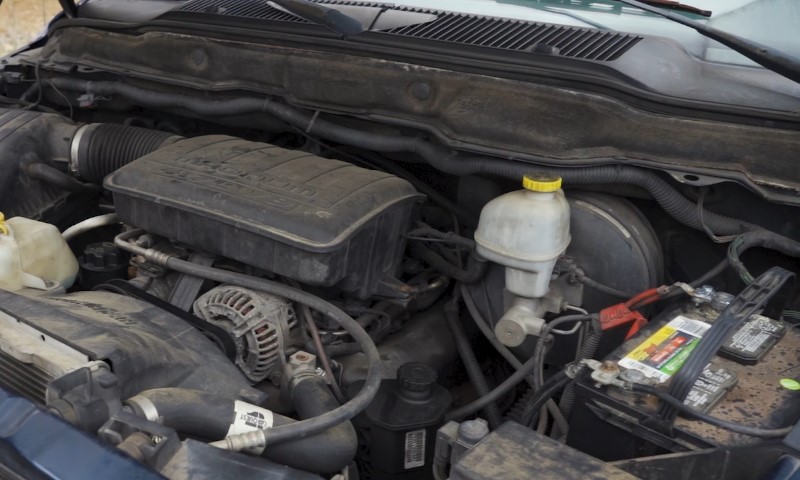
The owner’s manual also lists a plugged fuel filter as a cause of stalling, limited speed, or hard starting. Excessive dirt in the fuel tank can accelerate filter blockage.
How to Use That Information
Fuel delivery belongs early in the diagnostic process.
- Vehicles with a contaminated fuel history
- Long storage periods
- Repeated low-fuel operation
2025 Fixes and Prevention That Actually Reduce Problems
Most high-dollar failures start with cheap neglect.
Oil Management Basics
- API certified oil meeting MS-6395
- SAE 5W-30 as preferred viscosity
- 3,000-mile or 3-month intervals under severe use
- Oil filter replacement at every change
- No oil additives
Cooling System Priorities
- Verify electric fan operation
- Address any overheating immediately
- Treat cooling capacity as critical, not optional
Sensors and Software
- Follow CMP sensor shim procedures where applicable
- Verify PCM recall status and programming history
- Match symptoms to known documented issues before guessing
FAQs
Summary
The Dodge 4.7L V8 earned its reputation through a mix of real weaknesses and avoidable neglect. When oil management, cooling capacity, and documented edge cases get handled properly, the engine behaves far better than its internet mythology suggests.
Most owners who get burned skip the basics. The ones who follow factory guidance tend to keep their trucks running far longer than expected.