
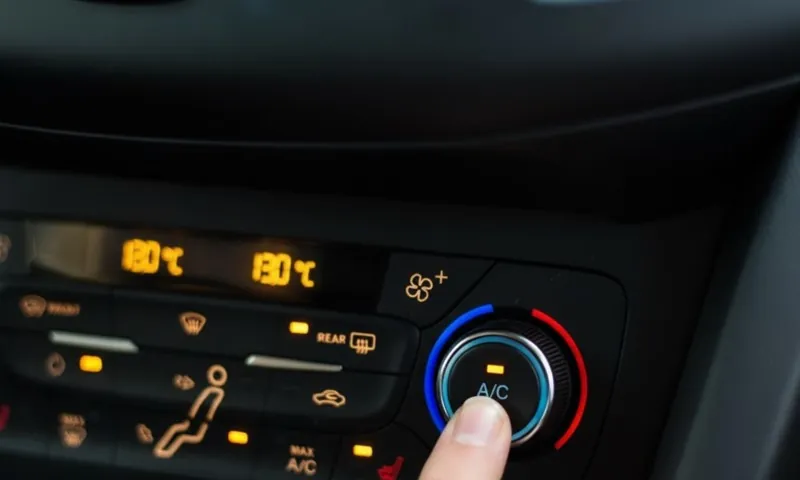
Car air conditioning feels simple on the surface. Cold air in, hot air out, job done. Reality is messier. A modern AC system runs on tight margins, high pressure, and very specific refrigerant quantities. Add too much, even with good intentions, and cooling performance can drop fast. Compressor life shortens. Safety risks rise.
Overcharging does not mean catastrophic failure every time. Many drivers live with it unknowingly for months. Still, ignoring it keeps pressure elevated and stress constant. Eventually, something gives.
Today, we will discuss what overcharge really means, how it shows up in daily driving, why DIY fixes often backfire, and how corrections should happen without cutting corners.
What Overcharged Actually Means in an AC System
Every vehicle AC system is engineered to hold a precise mass of refrigerant. Not a range. Not a suggestion. A number measured in ounces or grams, listed on the underhood label and in service manuals.
As the charge increases beyond spec, the liquid refrigerant begins to back up inside the condenser. Heat transfer area shrinks. Pressure climbs.
Compressor discharge temperature rises. Sanden compressor guidance links overcharge directly to higher discharge pressure and higher discharge temperature due to liquid accumulation inside the condenser.
Modern systems tolerate very little deviation. Heavy-duty service guidance notes that even a few ounces too much or too little can dramatically affect performance. Sensitivity keeps increasing as systems become smaller, more efficient, and more tightly controlled.
Why Overcharging Happens in Real Life
Overcharge rarely comes from negligence alone. Most cases start with reasonable decisions that compound into trouble.
DIY Recharge Kits Based on Low-Side Pressure
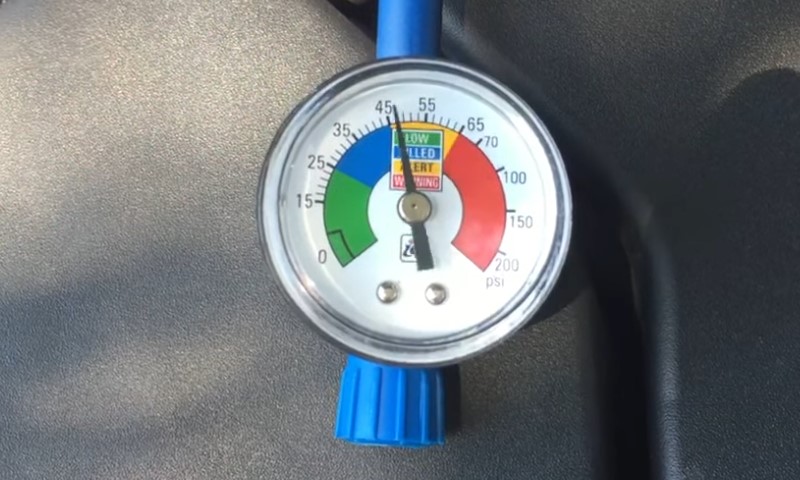
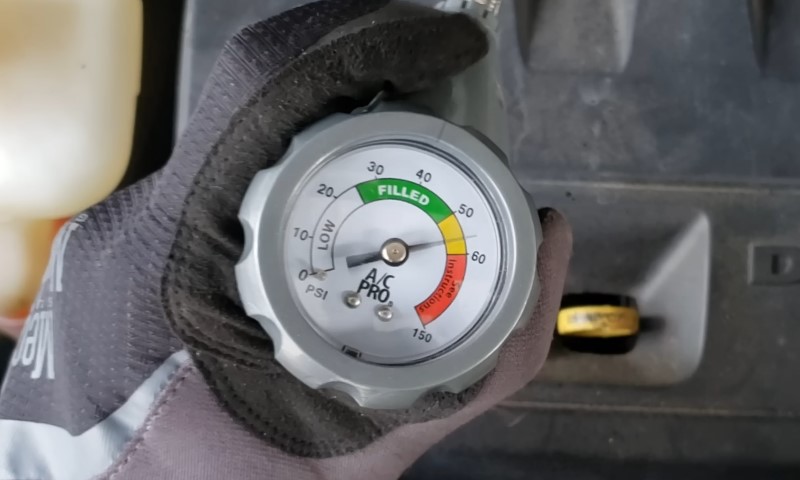
Retail recharge kits often rely on a single low-side gauge with a color-coded zone. Green equals good. Red equals bad. Real systems do not behave that simply.
Low-side pressure changes with ambient temperature, humidity, condenser airflow, engine speed, and compressor strategy. A reading that looks fine can still hide an overcharge or an undercharge. Pressure alone never tells the whole story.
Adding Refrigerant to a Leaking System Without Evacuation
When refrigerant leaks out, air and moisture can enter. Adding refrigerant on top of that mixture raises pressure artificially. Non-condensables elevate head pressure and discharge temperature, creating symptoms that resemble overcharge even when charge quantity is technically low.
Mixing Refrigerants or Using the Wrong Type
EPA guidance stresses refrigerant identification and proper handling. Mixing refrigerants creates abnormal pressure behavior and can damage recovery equipment. Venting automotive refrigerants remains prohibited except for CO2 or R-744 systems.
Guessing the Charge or Misreading the Label
Some systems hold surprisingly small total charge. Guesswork adds ounces quickly. Charging by feel almost guarantees error.
The Most Common Symptoms of an Overcharged Car AC
Symptoms vary by compressor design, control strategy, and refrigerant type. Patterns still repeat often enough to spot.
Weak or Inconsistent Cooling at Idle
Cold air may arrive briefly, fade, then return while driving. Overcharging reduces condenser efficiency by limiting heat rejection. Pressure rises most at idle, when airflow is weakest.
Rapid Compressor Cycling or System Shutdown
High-pressure cutoffs exist to protect components. Sanden notes that pressure relief valves and pressure cutoffs may render the system temporarily inoperable under abnormal conditions. Overcharge frequently triggers those protections.
Elevated High-Side Pressure and Discharge Temperature
Technicians often see head pressure well above normal for ambient conditions. Discharge lines run hotter than expected. Sanden directly associates overcharge with increased discharge pressure and temperature.
Harsh Engagement or Unusual Compressor Noise
Higher load strains components. Clutch systems may engage aggressively. Variable or electric compressors may derate output or shut down entirely.
No Improvement After Adding More Refrigerant
A common DIY warning sign. Another can goes in. Cooling stays the same or worsens. At that point, charge accuracy, airflow, or contamination matters more than quantity.
Constant or Aggressive Condenser Fan Operation
High head pressure demands maximum cooling. Fans may run loudly and frequently, especially in traffic.
Odd Line Temperatures or Frosting
Abnormal pressures can cause strange temperature patterns. Frosting alone does not diagnose overcharge, but it signals operation outside the normal envelope.
Symptom to Mechanism Reference
Safety and Legal Limits That Are Non-Negotiable
Air conditioning work crosses into regulated and potentially dangerous territory fast. Pressure levels are extreme, refrigerants are tightly controlled, and mistakes carry real legal and physical consequences. A few limits exist that cannot be bent, ignored, or improvised around.
Venting Refrigerant Is Prohibited
EPA rules prohibit intentional venting of ozone-depleting refrigerants and most alternatives, including HFCs and HFOs.
CO2 or R-744 remains the exception. Bleeding refrigerant to the atmosphere is not compliant or safe.
Proper Recovery Equipment Is Required
EPA Section 609 mandates proper recovery equipment for motor vehicle AC service. SAE-based standards apply to both R-134a and R-1234yf equipment. Updated R-1234yf standards took effect March 13, 2025.
Pressure Hazards Are Real
Automotive AC refrigerant pressure can exceed 500 PSI. A sudden line failure can cause serious injury, including severe eye damage from freezing exposure.
One rule worth memorizing: never loosen fittings or crack lines to reduce charge.
How Professionals Confirm Overcharge Without Guessing
Correct diagnosis separates overcharge from look-alikes such as airflow restriction, fan failure, air contamination, restriction, over-oiling, or compressor failure.
Step 1: Verify Refrigerant Type and Factory Spec
Model year alone no longer guarantees refrigerant type. Transition years exist. FJC guidance notes verification through labeling, manuals, or technician inspection remains essential.
Step 2: Check Airflow and Heat Rejection First
Before gauges ever connect:
- Condenser fins free of debris
- Cooling fans respond correctly
- Radiator and condenser stack clear
Restricted airflow raises head pressure. Sanden links elevated discharge pressure directly to increased gas temperature from poor condenser airflow.
Step 3: Use Gauges Correctly and Safely
High-side gauges often read up to 500 PSI. Connection occurs with engine off and valves closed, following equipment instructions. Safety rules matter here.
Step 4: Compare Pressures Using Temperature Logic
Pressure-temperature charts help interpret saturation behavior at given ambient temperatures. FJC provides reference charts for common refrigerants. Charts guide interpretation, not charge setting.
Step 5: Recover and Weigh When Accuracy Is Unknown
When charge accuracy remains questionable, the heavy-duty manual recommends full recovery, measurement, evacuation, and recharge by weight to exact specification. No shortcut matches that reliability.
What Correcting an Overcharge Looks Like
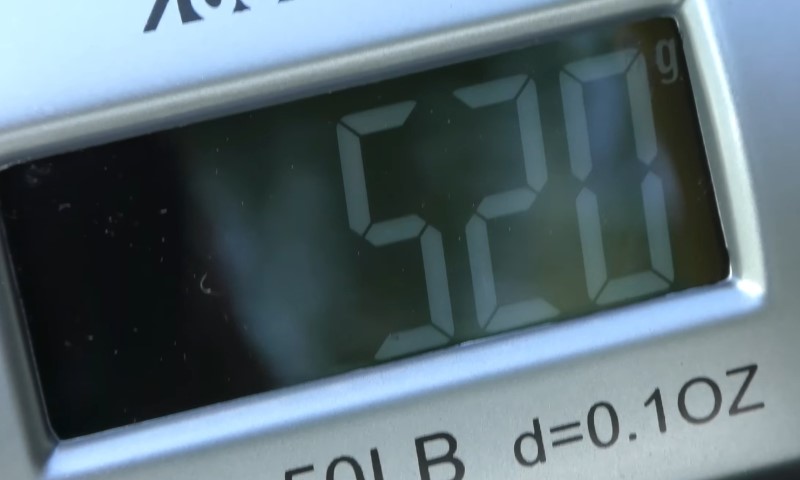
Correcting an overcharged AC system follows a specific, controlled process. Guessing, bleeding, or topping off only creates new problems, so the fix focuses on accuracy, safety, and proper equipment from start to finish.
Accepted and Correct Method
- Recover refrigerant using certified equipment
- Identify contamination when the refrigerant type remains uncertain
- Evacuate air and moisture with a vacuum
- Recharge by weight to OEM specification
- Verify performance using pressures, vent temperature, fan behavior, and scan data when available
EPA guidance emphasizes recovery before repair or recharge when contamination exists. Overcharge sensitivity makes precision essential in modern systems.
Common but Risky Methods
- Bleeding refrigerant from a service port
- Charging until the gauge needle lands in green
- Charging liquid refrigerant incorrectly
Heavy-duty service manuals warn that improper liquid charging can wash lubricant from compressors and cause operation without lubrication.
Safe Checks You Can Do at Home
Some observations remain reasonable for vehicle owners.
- Replace or inspect the cabin air filter
- Clean the condenser face gently with low-pressure water
- Verify cooling fans engage when the AC runs
- Stop using AC if rapid cycling or loud noise appears
High-pressure cutoffs exist for protection, not as a substitute for repair.
Actions to Avoid Completely
@robthemechanic Do NOT add “Freon” to your A/C system without knowing how it leaked out! . . . . . . #mechaniclife #carguy #cargirl #mechanic #robthemechanic #tipsandtricks #howto #diy #ac #refrigerant #r1234yf #r134a #snapon #tools #leakdetection #repair #vw #expensive #foryou #propane #parts #airconditioning
- Venting refrigerant
- Loosening fittings to reduce charge
- Adding refrigerant to chase colder vent air
- Using compressed air to pressure test
Service guidance warns against compressed air in R-134a systems due to combustion risk when mixed under pressure.
Notes on R-134a and R-1234yf Systems
EPA lists HFC-134a with a global warming potential of 1,430. Motor vehicle AC accounts for roughly 24% of global HFC consumption. HFO-1234yf carries much lower GWP by comparison.
R-1234yf systems require equipment meeting updated SAE standards adopted by EPA. Correct tools remain part of safe and compliant service, especially on late-model vehicles.
Overcharge Look-Alikes That Waste Time
Several issues mimic overcharge closely.
- Restricted condenser airflow
- Air or other non-condensables in the system
- TXV or orifice tube restriction
- Compressor control or sensor faults
When to Stop Driving and Seek Service
Stop using the AC and seek professional service if any of the following appear:
- Rapid clutch cycling every few seconds
- Grinding or clacking noises
- Visible oil spray near fittings
- High-pressure lines dangerously hot
- Burning smells near the compressor
AC systems include pressure relief valves and cutoffs to limit damage. Activation signals abnormal operation, not a condition to ignore.
Closing Thoughts
Overcharging a car AC rarely announces itself loudly at first. Cooling fades. Fans roar. Pressure rises quietly. Precision matters more than guesswork here.
Correcting an overcharge means recovery, evacuation, and recharging by weight, not bleeding lines or chasing gauges. Done right, cooling returns, pressure normalizes, and components last longer.