
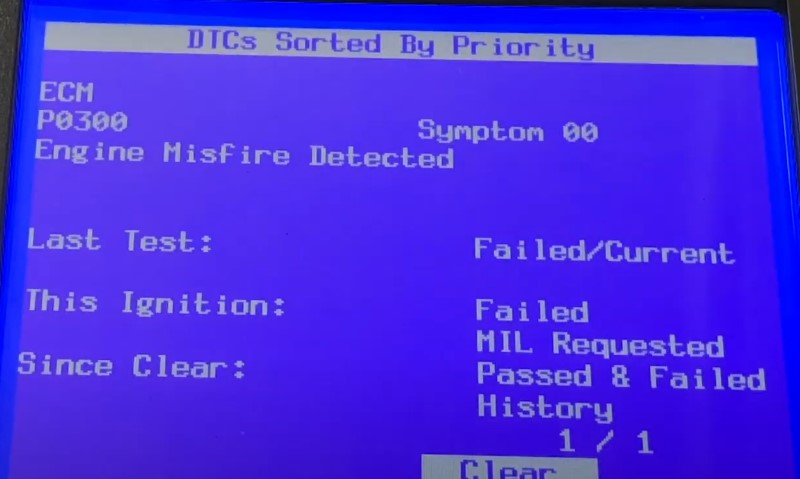
When your Chevy Silverado’s dashboard lights up with a P0300 code , it’s your truck’s way of saying something’s off in the combustion rhythm. It’s not a specific cylinder acting up, but a random or multiple-cylinder misfire that the computer can’t quite pin down.
That can range from a worn spark plug to a collapsing lifter. Either way, ignoring it can cost you more than you think.
In this guide, we will break down what’s really happening when a Silverado sets a P0300, how to diagnose it without wasting parts, and what fixes actually work based on GM bulletins and real-world data from Silverado engines. Let’s begin.
A Quick Look at the Symptoms and Likely Fixes
| Symptom or Clue | Likely Area | What to Check |
| Misfire at idle, smooth when driving | Vacuum leak or PCV issue | Smoke or spray test around intake |
| Misfire follows coil when swapped | Ignition coil | Replace that coil |
| Rough cold start with P050D | Injector or coolant intrusion | Run GM 20-NA-166 test |
| Random misfire plus valvetrain tick | AFM lifter collapse | Inspect lifters and camshaft |
| Intermittent P0300 after PCM work | CKP variation not learned | Run crank relearn |
| Rough idle after refueling | Fuel quality or carbon | Use Top Tier fuel, clean valves |
What the P0300 Code Means
P0300 is a generic OBD-II powertrain code that reports random or multiple cylinder misfires. Your engine control module (ECM) has detected uneven combustion events across several cylinders or a misfire pattern that shifts from one to another.
If you see additional codes like P0301 through P0308 , they point to specific cylinders. But if it’s just P0300, you’re dealing with something affecting the engine more broadly.
A flashing check engine light is a red flag. That means active misfires are happening right now, hot enough to overheat your catalytic converters. If that light blinks, ease off, avoid heavy load or towing, and get it checked immediately.
Why P0300 Is Common on Silverados
The Silverado’s engines are reliable workhorses, but they use technology that can misfire if things go slightly out of tune. Some design systems, especially on V8s, are more sensitive than others.
V8s with AFM or DFM
Silverado V8s with Active Fuel Management (AFM) or Dynamic Fuel Management (DFM) deactivate cylinders under light load to save fuel. When lifters tied to those systems fail to unlock or collapse, misfires appear, often setting P0300.
GM has issued several service bulletins describing these exact conditions. Cylinders 1, 4, 6, and 7 are common trouble spots.
Direct Injection (DI) Systems
Modern 5.3L (L83, L84) and 6.2L (L86, L87) Silverados use direct fuel injection . When an injector sticks or becomes unbalanced, it can cause a rough idle or cold start misfire, especially when the engine is cold.
Carbon Buildup on Valves
With DI engines, fuel never washes over the intake valves. That means carbon deposits can build up over time, affecting airflow and causing intermittent misfires. GM’s bulletins recommend using Top Tier fuels and periodic top engine cleaner procedures for prevention.
What You’ll Notice When P0300 Appears
Symptoms can vary depending on whether the misfires are steady or random, but most Silverado owners will experience one or more of the following:
- Check Engine Light (steady or flashing)
- Rough idle or shaking at stoplights
- Hesitation during acceleration
- Noticeable drop in fuel economy
- “Reduced Engine Power” or StabiliTrak/Traction Control warnings if the ECM limits torque to protect components
Common Causes of P0300 on a Silverado
You can group causes into two main categories: general engine issues that apply to any vehicle, and Silverado-specific patterns noted in GM service data.
General Causes
- Worn or fouled spark plugs
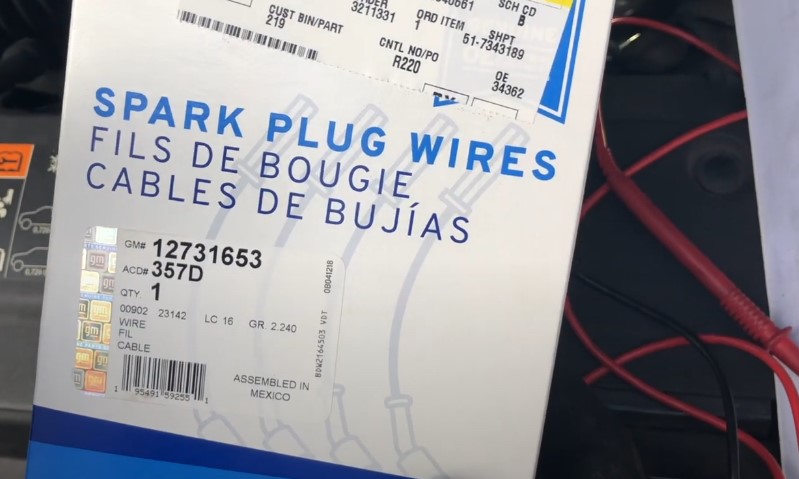
- Weak ignition coils or damaged plug wires (especially on older trucks)
- Vacuum leaks in hoses or intake gaskets causing lean air/fuel mixtures
- Low fuel pressure from a weak pump or clogged filter
- Faulty mass airflow (MAF) sensor or air leaks after the sensor
Silverado-Specific Causes
| Pattern | Likely Cause | Notes |
| AFM lifter failure | Collapsed or unlocked AFM lifter | Usually on cylinders 1, 4, 6, or 7; may tick or not |
| Cold start roughness | DI injector imbalance or coolant leak | Refer to GM 20-NA-166 for diagnostic steps |
| Carbon buildup | Valve deposits blocking airflow | Common on higher mileage or poor fuel quality |
| PCM relearn missing | CKP variation not learned | After PCM or crank sensor replacement |
When Not to Drive
If the check engine light is flashing , stop pushing it. Continuous misfiring can damage the catalytic converters , and those repairs can cost thousands.
Avoid towing, high-speed runs, or long trips until you diagnose the cause. Treat it like a high-priority maintenance item, not something to postpone.
How to Diagnose a P0300 Step by Step
A systematic approach saves you from guessing. Follow this order and you’ll usually find the root cause without replacing good parts.
1. Scan and Record Codes
Use a scan tool to check for P0300 and any cylinder-specific codes (P0301–P0308). Record freeze-frame data like RPM, load, and fuel trims. It helps you spot whether the misfire happens at idle, cruise, or load.
2. Visual Inspection
- Look for loose or damaged vacuum hoses .
- Inspect the intake ducting between the MAF and throttle body.
- Listen for exhaust leaks near the manifolds.
- Check for oil or moisture in coil boots.
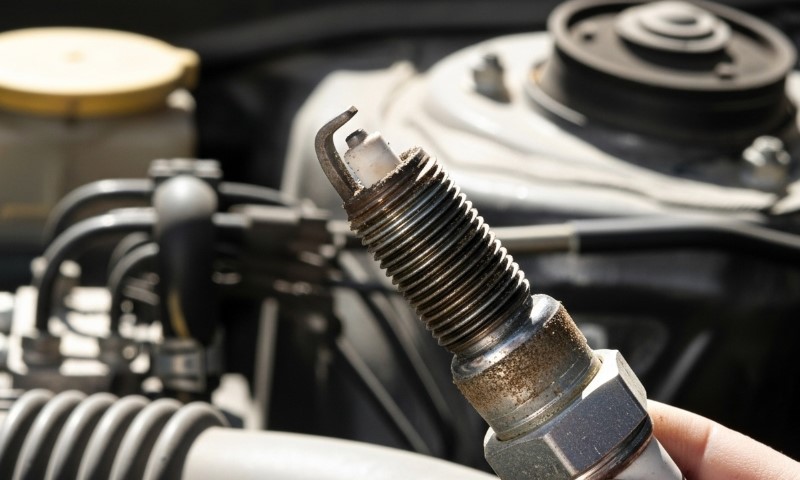
- Examine spark plugs for signs of fouling, oil, or uneven wear.
3. Check Fuel Quality and Pressure
Bad fuel can cause temporary misfires. Try running Top Tier gasoline for several tanks.
If your model has a serviceable filter, check fuel pressure and flow. GM bulletins emphasize that poor fuel volatility and contamination are frequent misfire triggers.
4. Look for Vacuum Leaks
Use a propane wand or carb cleaner to spray around the intake manifold and hoses. If RPM changes, you found a leak. Silverado intake gasket leaks are a common source of lean misfires.
5. Check Misfire Counters and Mode $06 Data
Many scan tools show misfire counters for each cylinder and Mode $06 diagnostics. Even if the engine feels smooth, a single cylinder might show consistent misses.
GM’s service data defines misfire limits for each model year, and this info is valuable before tearing into anything.
6. Coil, Plug, or Injector Swap Test
If you see a specific cylinder misfiring:
- Swap its coil with another cylinder and see if the misfire moves.
- Do the same with spark plugs .
- For DI engines, run a cold injector balance test as GM advises.
If the problem follows the part, you’ve found your culprit.
7. Inspect AFM or DFM Lifters
On AFM/DFM V8s, if misfires affect deactivation cylinders and you hear a ticking sound , suspect a collapsed or stuck lifter . GM bulletins outline testing and replacement procedures that may involve pulling the valve cover or even the heads.
8. Check for Coolant or Cold Start Issues
If misfires appear mainly at cold start and go away warm, check for coolant leaks into the cylinders or P050D stored alongside P0300. GM’s diagnostic bulletin recommends injector balance checks before engine teardown.
9. Perform a Crankshaft Variation Relearn
If you replaced the PCM , crankshaft sensor , or performed timing work, run a CKP variation relearn . Without it, the ECM might misread crank timing and log false misfire codes.
Troubleshooting Flow Summary
Here’s a simplified order of operations that mirrors GM’s technical workflow:
| Step | Task | Focus |
| 1 | Pull codes, freeze-frame | Note RPM/load conditions |
| 2 | Check plugs, coils, hoses | Look for visible wear or leaks |
| 3 | Verify fuel quality & pressure | Use Top Tier fuel if unsure |
| 4 | Watch misfire counters | Identify affected cylinders |
| 5 | Swap coils/plugs | Confirm if problem follows |
| 6 | Cold injector balance test | For DI engines, check flow rate |
| 7 | Inspect AFM/DFM lifters | Look for unlock or collapse |
| 8 | Run carbon cleaning | Only after confirming buildup |
| 9 | Relearn crank variation | After timing or PCM service |
Common Fixes That Solve P0300
1. Spark Plugs and Coils
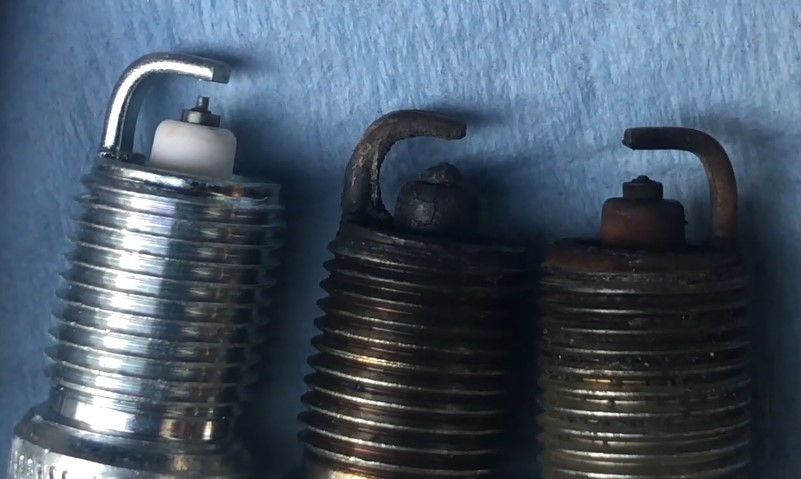
Start simple. Replace worn or fouled spark plugs first, following GM’s gap and torque specs. If a coil fails the swap test, replace it. Ignition parts are top offenders for P0300 on Silverados with more than 60,000 miles.
2. Intake and Vacuum Repairs
Cracked hoses, failing PCV lines, and intake gasket leaks are silent culprits. Sealing them often restores a smooth idle and clears misfire counts instantly.
3. Injector Replacement on DI Engines
On engines like the L83, L84, L86, and L87 , replace only injectors that fail cold balance testing. GM warns against replacing full sets without data support.
4. AFM/DFM Lifter and Valvetrain Repairs
If lifter failure is confirmed, GM procedures call for replacing affected lifters and inspecting the camshaft. These repairs are more labor-intensive but necessary to prevent recurring P0300 codes.
5. Carbon Cleaning
When confirmed by inspection or high misfire counts on multiple cylinders, perform GM’s Top Engine Cleaner procedure. Combine it with better fuel and oil change intervals.
6. Crank Variation Relearn
Always perform this relearn after replacing timing or sensor components. It aligns crank signal accuracy with ECM reference values.
Preventing P0300 After Repairs
Misfires can return if root causes aren’t addressed. A few habits and maintenance routines go a long way:
- Use Top Tier fuel consistently to prevent deposit buildup.
- Replace spark plugs at GM’s recommended intervals.
- Keep coil boots dry and free of corrosion.
- Avoid extended idling or repeated short trips that cause moisture and carbon formation.
- Follow oil change intervals to prevent AFM lifter collapse due to aerated oil.
- After PCM or timing service, always perform a crank relearn to reset misfire detection logic.
Real GM Examples
View this post on Instagram
GM’s own service data tells the story best. Here are a few real-world cases from official bulletins that show how P0300 issues actually develop on Silverado engines.
AFM Lifter Unlocking at Start
GM service bulletins note that AFM lifters can unlock as soon as the engine fires, leading to P0300 with misfires on 1, 4, 6, or 7 . Sometimes there’s no noise. A collapsed lifter adds a steady tick. Both cases need internal inspection.
Carbon-Related Misfires
GM’s technical data shows heavy intake valve deposits that cause random misfires, especially after 60,000–100,000 miles. The fix includes fuel system cleaning and using Top Tier gasoline moving forward.
Cold Start Roughness
Bulletin 20-NA-166 outlines P050D and P0300 conditions caused by unbalanced injectors or coolant intrusion. It calls for recording cold injector balance rates and replacing only confirmed bad injectors.
When to Go Straight to a Professional
Some conditions are too risky to handle in the driveway. Seek help immediately if:
- The check engine light flashes under load
- You hear a ticking or knocking noise from the top end
- The truck runs on fewer than eight cylinders
- StabiliTrak or traction control lights appear with loss of power
- You suspect coolant entering cylinders or see white smoke
Final Thoughts
A P0300 on your Silverado doesn’t always spell disaster, but it does demand attention. Start with the basics: plugs, coils, fuel quality, and leaks. If you’re running a modern DI or AFM/DFM V8, pay close attention to injectors and lifters, and always align your approach with GM’s published service steps .
By sticking to a structured diagnostic routine, you can resolve most P0300 issues before they snowball into converter damage or internal repairs.
If you share your model year and engine code , I can narrow the likely causes even further and help you match the right diagnostic sequence to your exact Silverado.