
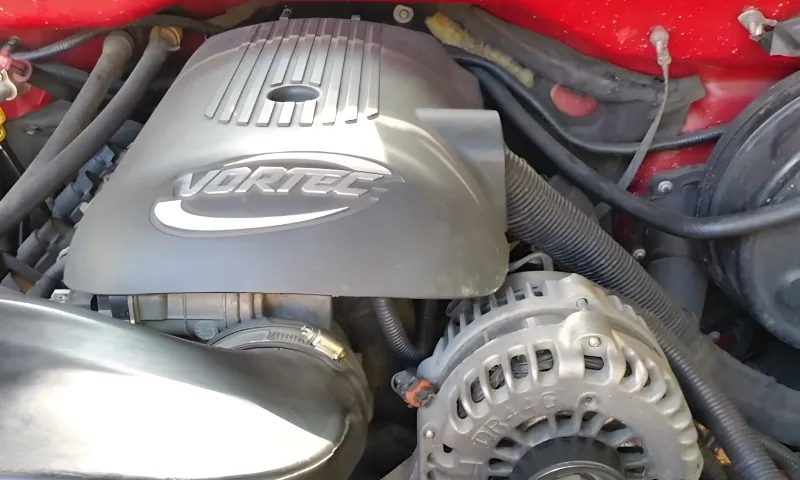
The 4.8L Vortec sits quietly in the shadow of its bigger LS brothers, but it has earned its own reputation for toughness. It’s the go-to small-block V8 that powered millions of GM trucks and vans from the late 1990s through the mid-2010s. Mechanics call it “the reliable workhorse,” and owners will tell you it’ll run half a million miles if you treat it right.
Yet no engine is immune to time, heat, and a few design quirks. Once mileage climbs, the same problems start showing up again and again: air leaks at the intake, knock sensors drowning under the manifold, tired fuel pumps, cold-start piston noise, and exhaust bolts that love to snap.
With all that said, we prepared a guide through the most common 4.8L Vortec problems and the fastest ways to fix them. Let’s begin.
4.8L Vortec at a Glance
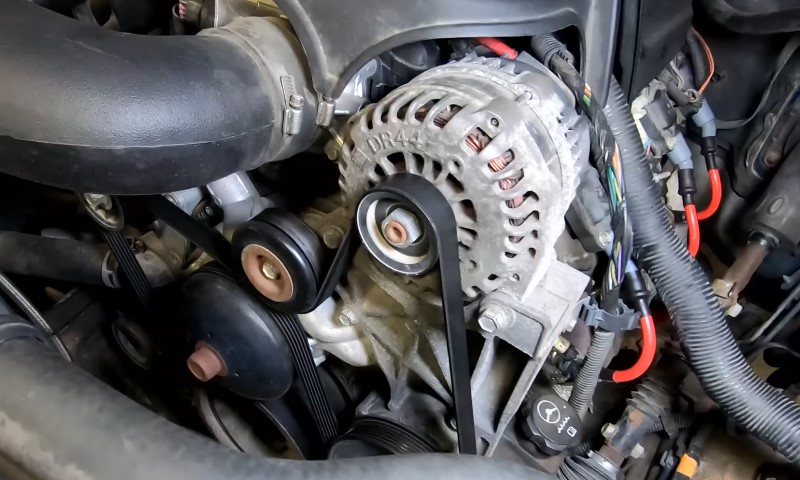
The GM 4.8L Vortec (RPO LR4 in Gen III, later LY2 and L20 in Gen IV) belongs to the LS-based small-block family that powered nearly every half-ton Chevy and GMC truck for a decade.
Basic Specs
| Specification | 4.8L Vortec (LR4) |
| Displacement | 4.8 L (293.3 cu in) |
| Bore x Stroke | 96 mm x 83 mm (3.78 in x 3.27 in) |
| Block / Heads | Cast-iron block, aluminum heads |
| Factory Power Range | 255–285 hp |
| Factory Torque Range | 285–295 lb-ft |
| Common Applications | Silverado 1500, Sierra 1500, Tahoe, Yukon, Express, Savana |
| Fuel System | Sequential multi-port fuel injection |
| Typical Life (well maintained) | 250,000–300,000 miles |
It’s the smallest of the LS-based truck engines, but it’s built to take abuse. It skipped GM’s problem-prone Active Fuel Management system found on some 5.3L engines, which means fewer long-term headaches. Still, it’s not immortal. Here are the seven problems most likely to appear and how to deal with them.
1. Faulty Knock Sensors Under the Intake
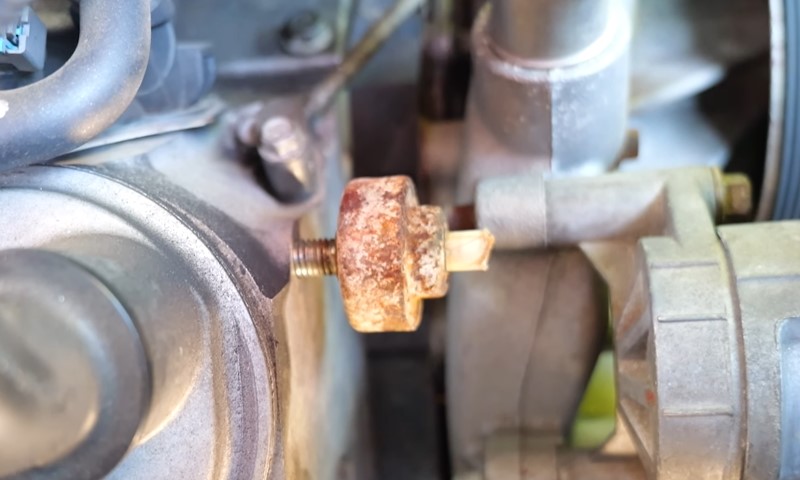
GM engineers buried the 4.8’s knock sensors in wells under the intake manifold, right in the engine valley.
That area collects moisture and debris over time, especially on older trucks where the manifold gaskets leak slightly. When corrosion sets in, the sensors fail and trigger check-engine lights.
Typical Symptoms
- Check Engine Light with codes P0327 or P0332
- Noticeable loss of power under load
- Poor fuel economy
- Mild pinging or rattle during acceleration
GM issued bulletins addressing water intrusion in the knock sensor cavities, instructing technicians to replace both sensors and the harness while sealing the grommets to keep water out.
Fast Fix
- Remove the intake manifold and both sensors.
- Clean and dry the wells completely.
- Replace the sensors and sub-harness together.
- Seal the harness grommets with RTV to prevent future moisture entry.
- Clear the codes and test under load to confirm proper timing.
It’s a tedious job, not a hard one. For DIY mechanics, the main expense is a new intake gasket set. Shops charge moderate labor since the intake must come off, but catching it early saves wasted fuel and poor performance.
2. Intake Manifold Gasket Leaks and Air Leaks
GM’s plastic carrier intake gaskets are known weak points. After countless heat cycles, the sealing beads flatten or crack, leading to air leaks.
On high-mileage 4.8L engines, vacuum leaks and even small coolant leaks around the intake crossover are common.
Symptoms
- Rough or unstable idle
- Cold-start misfires that disappear when warm
- Lean codes P0171 and P0174
- Hissing sound from the intake area
- Unexplained coolant loss in some cases
Fast Fix
- Confirm leaks with a smoke test or carb cleaner.
- Replace the intake gaskets with Fel-Pro PermaDryPlus or similar steel-backed designs that resist warping and fuel vapor damage.
- Follow torque specs precisely – over-tightening can warp the plastic intake.
- Clear codes, reset fuel trims, and monitor during a test drive.
The upgraded gaskets solve the problem permanently and improve idle quality instantly.
3. Water Pump Failure and Overheating
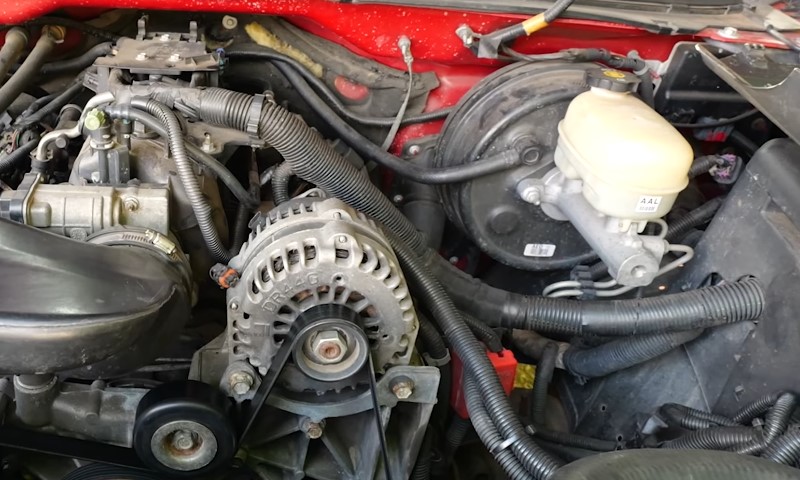
Once the truck passes 150,000 miles, the water pump often starts to leak or squeal. The 4.8L’s pump sits front-and-center, so any play in the pulley or dried coolant residue on the front of the block means trouble ahead.
Warning Signs
- Coolant trails or crusted residue down the front cover
- Temperature gauge creeping upward under load
- Squealing or chirping belt noise
- Sweet coolant smell after a drive
Fast Fix
- Check for pulley play and coolant seepage.
- Replace the pump, gasket, and serpentine belt at the same time.
- Bleed the cooling system carefully to remove air pockets.
4. Fuel Pump and Control Module Problems
The 4.8L’s sequential fuel injection depends on a high-pressure in-tank pump. As age catches up, pumps and fuel pump control modules start acting up, especially on trucks beyond 150,000 miles.
Common Symptoms
- Long cranking before start, worse after sitting overnight
- Loss of power or hesitation on hills
- Random stalling or surging
- No fuel pressure and no-start condition
Fast Fix
- Check fuel pressure with a gauge. Normal spec is roughly 55–62 psi .
- If pressure drops or fluctuates, inspect wiring, grounds, and the pump relay.
- On older GMT800 trucks, replace the in-tank pump module as a full unit (pump, sender, seals).
- On later models, test or replace the Fuel Pump Control Module if diagnostics show erratic voltage to the pump.
Fuel pumps are wear items. Most owners end up replacing one over the life of the truck. Doing it proactively when the bed is off for other work saves time later.
5. Gasket Leaks and Throttle Body Carbon Build-Up
Driveability problems on the 4.8L often trace back to two simple causes: intake air leaks and a filthy throttle body. Carbon builds up on the electronic throttle plate, especially if the truck idles often or runs short trips.
What You’ll Notice
- Rough idle or random idle fluctuations
- Stalling at stoplights
- Hesitant throttle response
- Idle that hangs or dips randomly
Fast Fix
- Remove the intake tube and inspect the throttle bore.
- Clean the plate and housing with throttle-body cleaner and a lint-free cloth.
- Replace the throttle-body gasket and any brittle vacuum hoses nearby.
- Clean the MAF sensor with proper cleaner (never touch the wire).
A clean throttle body and sealed intake can transform idle quality and throttle response. It’s cheap maintenance that pays off.
6. Piston Slap, Lifter Tick, and Cold-Start Noise
Cold mornings reveal one of the 4.8L’s quirks: a hollow knocking sound that fades as it warms up.
It’s a piston slap, caused by the piston rocking slightly in its bore until it expands. GM has long called it a “characteristic noise,” and they’re not wrong, as it’s annoying but usually harmless.
How It Sounds
- Brief diesel-like clatter at cold start
- Noise disappears after a few minutes
- Oil pressure normal, performance unaffected
Fast Fix
There isn’t a real fix short of rebuilding. The practical approach:
- Verify oil pressure and compression are normal.
- Use correct oil viscosity and change intervals religiously.
- Monitor oil consumption and top up as needed.
If the noise doesn’t fade after warm-up, you might be dealing with lifter tick or worn rockers instead of piston slap, which warrants deeper inspection. But for most 4.8s, a little morning chatter is just part of the soundtrack.
7. Broken Exhaust Manifold Bolts and Cold-Start Ticking
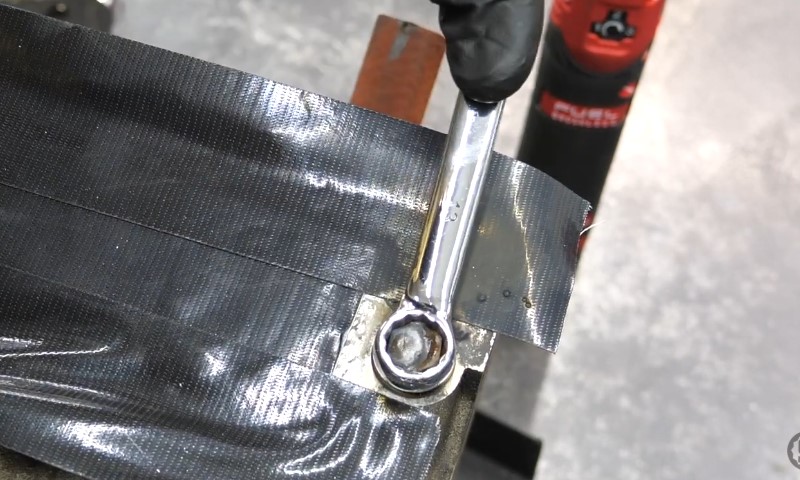
The “tick” every GM truck owner eventually hears often comes from the exhaust manifold, not the valvetrain.
Bolts shear off, the manifold warps slightly, and you get a sharp tapping sound that disappears as metal expands with heat.
Symptoms
- Ticking on cold start, quiet when warm
- Black soot trails at the manifold edges
- Occasional exhaust smell under the hood
Fast Fix
- Visually check both manifolds for missing bolt heads or black soot.
- If you find leaks, remove the manifold and extract the broken studs using weld-on nuts, drill-outs, or a stud jig.
- Install new gaskets and bolts.
- If you can’t pull the head right away, use a temporary repair bracket that bridges the broken area until full repair is possible.
Keeping a 4.8L Vortec Healthy Long-Term
Most failures on the 4.8L come down to age and maintenance neglect, not design flaws. The block itself is stout, and many examples have hit 300,000 miles with nothing more than normal wear parts. Preventive care is cheaper than repairs.
Routine Maintenance Priorities
| System | Recommended Action |
| Oil & Filter | Change regularly, especially if piston slap or oil use is present. Use quality oil and proper viscosity. |
| Cooling System | Replace coolant every few years. Watch for leaks around the pump and front cover. |
| Intake System | Replace gaskets once in the engine’s life. Clean throttle body annually. |
| Fuel System | Replace fuel filter (if equipped) and monitor pump sound and pressure. |
| Exhaust System | Inspect end bolts periodically. Catch missing ones before they seize or burn surrounding parts. |
Driving and Storage Tips
- Let the engine warm up gently before heavy throttle use.
- Avoid extended idling, which accelerates carbon buildup.
- If parked long-term, start and run the engine to temperature every few weeks.
Following these habits stretches the lifespan of sensors, seals, and moving parts that otherwise suffer from inactivity or short trips.
When to Rebuild or Replace
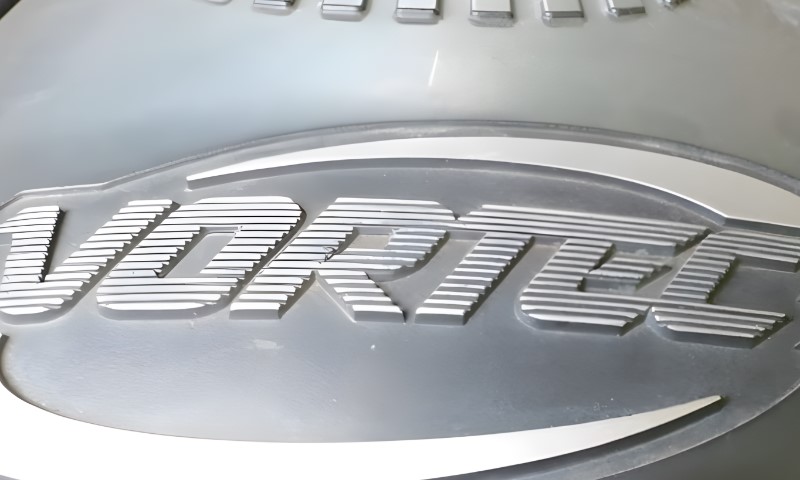
Eventually, every engine hits a point of diminishing returns. A 4.8L that’s burning oil heavily, overheating despite repairs, or showing low compression across multiple cylinders may not justify another round of fixes.
At that stage, consider:
-
- Used Replacement (LY2/L20): Low-mileage take-outs are plentiful and affordable since many owners swap to 5.3L or 6.0L engines.
- Remanufactured Long Block: Costs more but includes refreshed internals and warranty coverage.
- Full Rebuild: Best if you’re restoring or upgrading the truck and want to retain the original block.
Weigh the cost of repeated part replacements against the stability of a fresh long block. For many owners, a good used engine ends up cheaper and faster.
Final Thoughts
The 4.8L Vortec earns its reputation through sheer durability. It’s not glamorous, but it rarely lets you down if you stay ahead of small problems. Corroded knock sensors, brittle intake gaskets, and tired pumps are all predictable and fixable with a little attention.
When treated with care, the 4.8 runs smooth, pulls strong, and proves why GM’s LS-based architecture has become a legend in both work trucks and performance builds. Keep up the maintenance, listen for the familiar ticks and knocks, and you’ll likely see that odometer roll past 300,000 miles without drama.