
BMW M GmbH began operations in 1972, launching a focused performance division built around motorsport success and advanced engineering.
High output engines, precise chassis tuning, and racing credibility became defining traits across decades of production.
Performance cars carrying the M badge earned reputations built on competition results and road car excellence.
Standout models represent defining moments in BMW M history, each marking progress in design, engineering, and performance ideals.
Let’s check them out.
1. BMW 3.0 CSL (E9) – The Original Motorsport Icon
BMW M entered motorsport history with the 3.0 CSL, a car built with competition as its primary purpose. Homologation requirements dictated radical engineering decisions, leading to extensive weight reduction and aerodynamic experimentation.
Thin-gauge steel, lightweight glass, and minimal interior trim pushed curb weight close to 950 kilograms, giving the car a decisive advantage on track.
Aerodynamic add-ons created a dramatic silhouette that later inspired the Batmobile nickname.
- European Touring Car Championship overall victory in 1973
- Overall win at the 6 Hours of Nürburgring
- Class and overall success at the 24 Hours of Daytona in 1976
Power delivery relied on a race-tuned inline six engineered for sustained high-speed endurance rather than peak output figures. Track dominance established BMW M’s credibility almost immediately, setting expectations for future performance road cars tied directly to racing success.
2. BMW M1 (E26) – The First Mid-Engine M Supercar
View this post on Instagram
BMW M1 represented a dramatic shift in layout and ambition. Mid engine placement prioritized balance and handling precision, positioning the car among elite performance machines of its era.
Development collaboration with Lamborghini supported homologation goals, even though production challenges reshaped timelines.
A naturally aspirated 3.5-liter inline six produced 277 horsepower, delivering linear response and mechanical clarity.
- Only mid-engine road car ever produced under BMW M
- 3.5 liter inline six with individual throttle bodies
- Giugiaro penned bodywork emphasizing function and proportion
Visibility expanded through a one-make racing series designed to place top-tier drivers in identical machinery. Procar races featured Formula One competitors, strengthening brand credibility and reinforcing BMW M engineering authority.
Collectability and reverence followed naturally due to the rarity and purity of purpose.
3. BMW M3 (E30) – The Homologation Legend
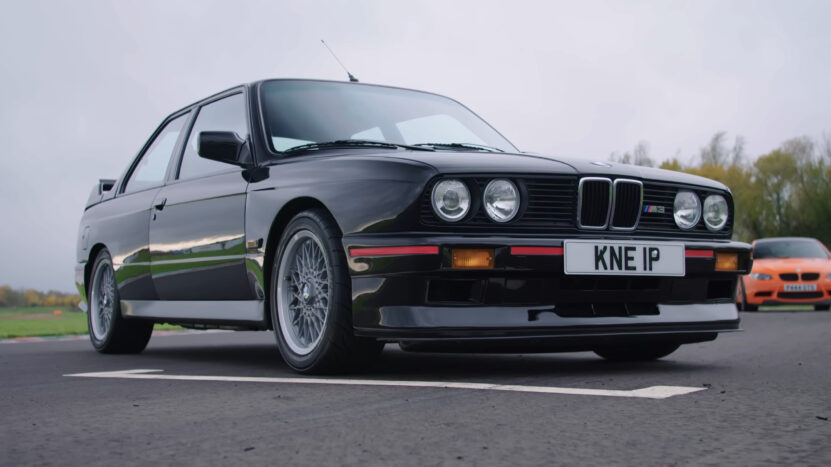
BMW M3 E30 emerged as a response to DTM regulations, prioritizing racing success over mass market considerations. Compact dimensions, widened bodywork, and a motorsport-derived powertrain defined its character.
A 2.3-liter S14 four-cylinder engine delivered high-revving intensity and durability under extreme conditions.
- 1987 World Touring Car Championship overall title
- Multiple DTM championships
- Extensive wins across European and global touring car series
Box flared arches and a tall rear wing served functional purposes, improving cooling and stability.
Road car behavior mirrored track intent, shaping expectations for performance sedans worldwide and securing BMW M authority within touring car racing.
4. BMW M3 CSL (E46) – The Purest Expression of M Performance
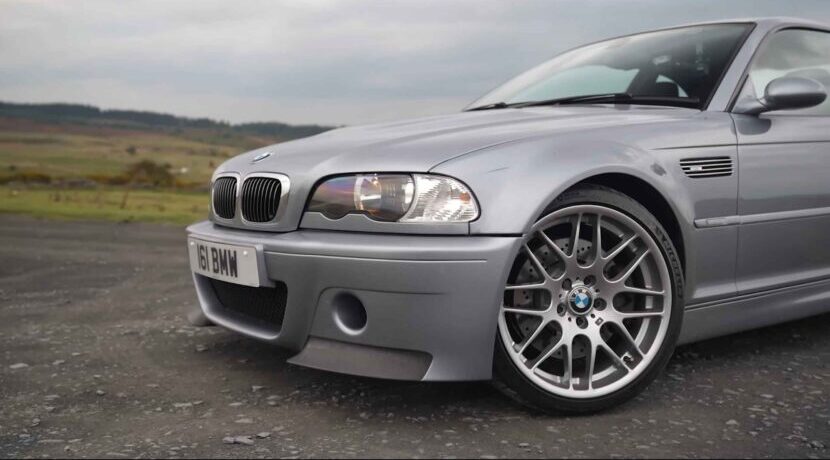
BMW M refined its performance philosophy sharply with the M3 CSL, prioritizing mass reduction and driver connection above comfort features. Engineers approached the project with a race-first mindset, eliminating nonessential elements that interfered with feedback and responsiveness.
Sound insulation disappeared, thinner glass reduced mass, and fixed lightweight seats replaced adjustable units.
Overall weight dropped by roughly 200 kilograms compared to a standard E46 M3, transforming agility, braking performance, and turn-in behavior.
- Carbon fiber roof reduced weight high in the chassis, improving roll control and balance
- Carbon intake airbox increased induction noise and sharpened throttle response
- SMG II transmission received revised software for faster, harder shifts under load
A naturally aspirated 3.2 liter straight six generated 360 horsepower and thrived at high engine speeds, rewarding committed driving. Suspension geometry and damping prioritized circuit performance while maintaining enough compliance for road use.
Feedback through steering, throttle, and chassis movements created an analog feel that continues to define BMW M purity for many enthusiasts.
5. BMW M5 (E39) – Ultimate Super Saloon
BMW M altered perceptions of executive sedans with the M5 E39 by combining luxury refinement with serious mechanical output.
Under the hood sat a 4.9-liter naturally aspirated V8 producing 400 horsepower, paired exclusively with a six-speed manual gearbox.
Rear wheel drive preserved balance and engagement while delivering effortless high-speed capability.
- Acceleration figures comparable to contemporary sports cars
- Near-perfect front-to-rear weight distribution despite sedan proportions
- Manual transmission is offered as the only configuration
Exterior design avoided exaggerated aggression, allowing performance to remain discreet. Suspension tuning balanced daily comfort with confidence at speed, creating a sedan capable of long-distance comfort and dynamic road performance.
BMW M repositioned expectations for what a luxury performance sedan could achieve.
6. BMW M5 Touring (E61) – The Wild Card
BMW M5 Touring combined everyday practicality with extreme engineering ambition. Wagon bodywork offered full cargo functionality, while a 5.0-liter V10 inspired by Formula One technology produced 507 horsepower.
High-revving character and distinctive sound defined its personality, demanding driver commitment at all times.
- Limited production volumes increased exclusivity
- SMG transmission paired with high output V10 power
- Full size cargo capacity retained despite performance focus
Rear wheel drive configuration maintained engagement, though added mass required respect and precision. Driving behavior rewarded confident inputs while punishing mistakes, reinforcing its reputation as bold and uncompromising.
Few BMW M creations matched its combination of excess, capability, and audacity.
7. BMW M2 (F87) – The Modern Classic
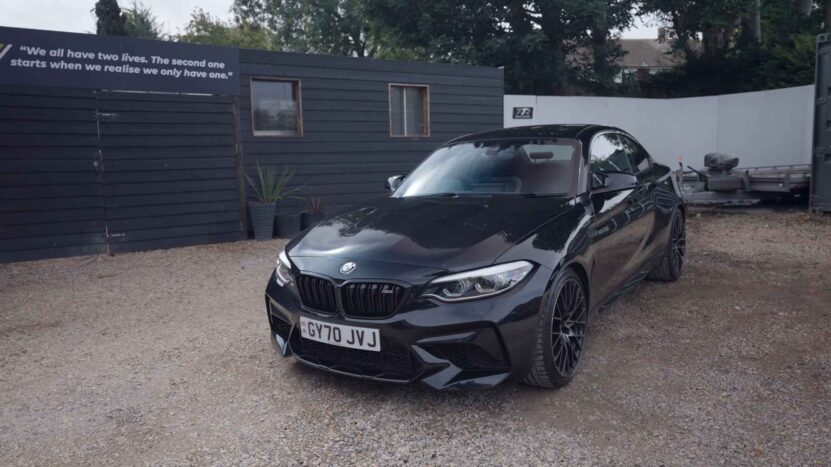
BMW M2 signaled a return to compact dimensions, muscular proportions, and Rear Wheel Drive balance within a modern performance framework.
Short wheelbase geometry and wide track delivered eager rotation and playful handling. Chassis tuning favored communication and responsiveness, reinforcing core BMW M values.
- N55 inline six provided strong low end torque and accessible performance
- S55 engine introduction increased output and thermal capacity in M2 Competition form
- Short wheelbase enhanced agility and corner exit traction
Steering accuracy and throttle response created an engaging driving experience suited for both road and track use. BMW M2 earned praise for delivering performance character without unnecessary complexity, securing its place as a modern interpretation of classic BMW M priorities.
Motorsport Heritage Behind the Icons
Motorsport competition defines BMW M identity more than any styling cue or specification sheet. Racing programs shaped engineering priorities, validated technical decisions, and built credibility long before performance road cars reached customers.
Early dominance arrived quickly through BMW 3.0 CSL, a car engineered specifically to win championships rather than satisfy comfort expectations. Success across European touring car championships established BMW M as a serious force in professional racing.
A deliberate effort to link elite drivers with production-based machinery elevated brand perception during the late 1970s. BMW M1 Procar introduced a one-make championship placing identical cars in the hands of Formula One stars, ensuring competition depended entirely on skill.
- Equal machinery removed technical advantages
- Global media exposure connected BMW M with top-tier drivers
- Close racing showcased reliability and balance
Touring car dominance reached unprecedented levels with the BMW M3 E30.
@billyperry631 Something about a Blue M car ? ?? @BMW M #bmw #m2 #m4cs #m5 #xm ♬ original sound – sicc
Designed with homologation as its primary purpose, that platform accumulated victories across continents, earning recognition as the most successful touring car ever produced. Engineering lessons learned through constant competition fed directly into future road cars.
Formula One involvement further strengthened technical credibility during the turbo era.
Brabham BT52, powered by a BMW turbocharged engine, captured the 1983 Formula One World Championship, proving BMW M engineering could succeed at the highest level of motorsport.
Endurance racing delivered another defining moment during the late 1990s. BMW V12 LMR secured overall victory at the 1999 24 Hours of Le Mans, validating powertrain development, aerodynamics, and long-distance reliability under extreme conditions.
German touring car competition remained a consistent proving ground across decades.
- E30 M3 dominance during the early DTM years
- M3 GTR victories during the early 2000s
- M4 GT3 continuing success in modern competition
Racing achievements consistently influenced road car engineering choices, ensuring BMW M performance cars remained grounded in competition-proven principles rather than marketing trends.
Summary
Each BMW M car listed reshaped performance expectations during its respective era. Engineering ambition, motorsport influence, and driver focus define every model discussed.
BMW M continues pushing performance boundaries while honoring principles established during its earliest successes.
Seven icons collectively represent precision, power, and uncompromising driving excitement.