
If you run a 5.7 HEMI, oil capacity looks simple on paper. Real life adds noise. You stand in the garage with two 5-quart jugs, maybe a half-quart bottle, and a dipstick that refuses to agree with the number printed in the manual. The result feels like guesswork.
It does not have to.
Most 5.7 HEMI applications land on a clean, repeatable answer, and the details that follow explain how to hit that number without overfilling, why the dipstick sometimes looks wrong, and what oil and filter standards actually matter for long-term engine health.
The Quick Answer Most Owners Need
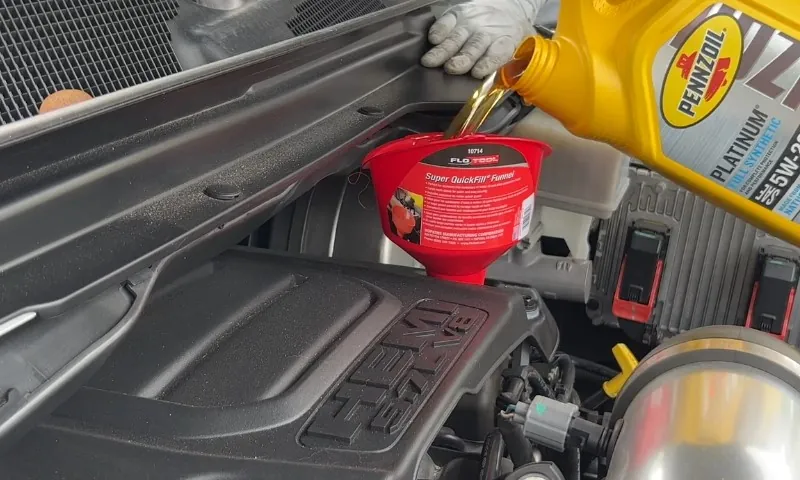
@scottautorepair.nyc Oil change on a Ram 1500 5.7 hemi,7 quarts to get a perfect fill. #hemi #ram1500hemi #mobilemechanic #ny #carrepair #carservice
Plan on 7 quarts, which equals 6.6 liters, when changing oil and filter on common 5.7 HEMI platforms.
For DIY work, buy 8 quarts total. That leaves enough for a full change plus a small top-off later.
That single line solves most garage debates. The sections below explain why arguments still exist online, how to fill safely, and what oil and filter standards your HEMI expects.
Typical 5.7 Hemi Oil Capacity
Owner manuals for multiple Stellantis platforms converge on the same figure for engine oil with filter.
| Vehicle (example manual) | Model year | Engine | Oil capacity with filter |
| Dodge Charger | 2023 | 5.7L | 7 qt (6.6 L) |
| Ram 1500 | 2022 | 5.7L | 7 qt (6.6 L) |
| Jeep Grand Cherokee | 2018 | 5.7L | 7 qt (6.6 L) |
That table explains why “7 quarts” shows up again and again. So why does disagreement still exist?
Why Dipstick Readings Can Look Wrong After a Change
Right after an oil change, the dipstick often looks confusing. Fresh oil needs time to settle, and small details in the fill process can shift the reading more than most drivers expect.
Published Capacity Assumes a Normal Drain and a New Filter
Manual capacity is stated as engine oil with filter. If the filter stays in place, less oil leaves the engine during service. Cold drains also leave more oil clinging to internal surfaces. Both conditions reduce the amount of fresh oil required to reach the safe range.
Measurement Timing Matters
At least one manual recommends checking oil about 10 minutes after a fully warmed engine is shut off, on level ground. Checking immediately after shutdown often shows a low reading because oil has not yet returned to the pan.
Overfilling Causes Real Problems
Manual language is direct. Oil level must not exceed the MAX mark. Overfilling or underfilling can lead to aeration or loss of oil pressure, which can damage the engine. The correct goal reads as fill, circulate, allow oil to settle, then verify.
Cooling Packages Add Confusion
Certain platforms list different cooling system capacities depending on configuration, including severe duty cooling packages. Oil capacity remains listed at 7 quarts with filter for the 5.7 HEMI. Online discussions sometimes mix coolant figures into oil conversations, which creates noise.
A Safe DIY Fill Process for the 5.7 Hemi
Use a repeatable method that respects both the spec and the dipstick.
Step-By-Step
- Warm the engine to operating temperature. Shut it off and drain.
- Replace the oil filter. Manuals recommend replacing the filter at every oil change.
- Add oil slightly under the full spec, for example start around 6.5 quarts.
- Start the engine for 30 to 60 seconds to circulate oil and fill the new filter.
- Shut the engine off. Wait about 10 minutes on level ground.
- Check the dipstick. Top off slowly until the oil sits within the safe range and approaches MAX without crossing it.
What Oil Does a 5.7 Hemi Require?
Capacity answers how much. Oil selection answers what kind.
Material Standard MS-6395
Multiple manuals call for full synthetic oil meeting Material Standard MS-6395. That material standard anchors oil choice to a defined performance baseline rather than brand loyalty.
Viscosity Depends on Platform and Model Year
Examples pulled directly from owner guidance:
- 2023 Dodge Charger 5.7L: recommends SAE 0W-20 full synthetic meeting MS-6395.
- 2022 Ram 1500 5.7L: recommends SAE 0W-20 full synthetic meeting MS-6395.
- 2018 Jeep Grand Cherokee 5.7L: lists SAE 5W-20 approved to MS-6395, along with a specific warning tied to Fuel Saver Technology operation.
Do not borrow viscosity from a friend’s truck. Use your owner manual and the oil fill cap guidance for your platform.
API Certification Marks
Manuals call for API-approved synthetic oils and reference the API trademarks, including the Starburst and Donut marks. The practical takeaway at the parts counter stays simple.
- Confirm the correct viscosity for your platform.
- Confirm the API certification mark.
- Confirm MS-6395 compliance when your manual specifies it.
Oil Filter Choice for the 5.7 Hemi
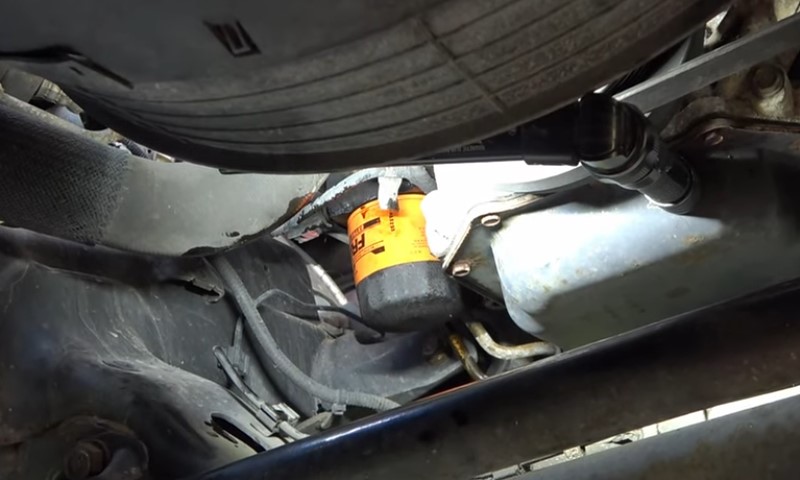
Changing oil but keeping an unknown filter undercuts the service.
Manual guidance:
- Replace the filter at every oil change.
- Use high-quality Mopar certified filters when available.
- If Mopar is unavailable, use filters that meet or exceed SAE/USCAR-36 performance requirements.
Fitment alone does not guarantee performance. The useful question asks whether the filter meets the performance requirement.
Oil Change Intervals
Oil change intervals set the real maintenance rhythm for a 5.7 HEMI. They define how often fresh oil protects internal parts, manages heat, and prevents wear that builds quietly over time.
A Clear Upper Limit Exists
One manual states oil change intervals must not exceed 10,000 miles (16,000 km), 12 months, or 350 hours of engine run time, whichever comes first. That line provides a hard ceiling even if an oil life monitor suggests longer intervals.
Severe Duty Shortens the Window
Another manual states that under severe operating conditions, oil and filter may require changes as often as every 4,000 miles (6,500 km) or 350 hours, whichever comes first.
Severe duty commonly includes:
- Frequent short trips
- Towing or heavy loads
- Long idling
- Extreme heat
- Dusty environments
- Dense stop-and-go driving
Manual definitions govern final interpretation, yet the short interval figure shows why driving pattern matters.
Notes Specific to the HEMI Experience
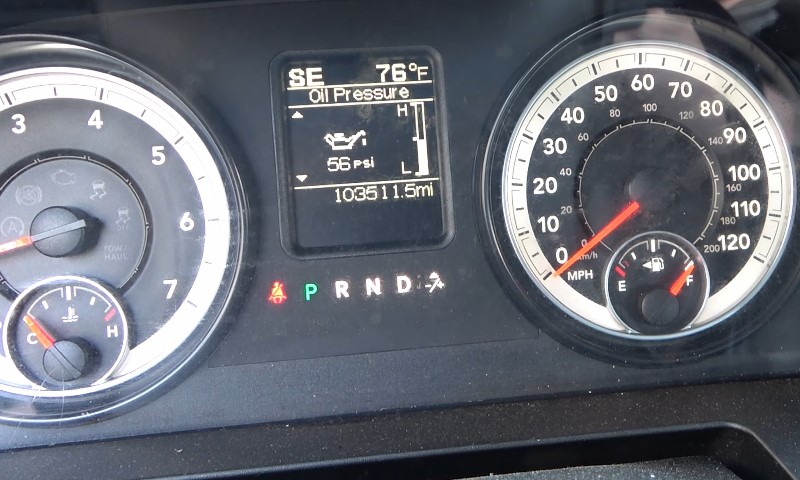
Short trips, long idle sessions, and day-to-day driving habits shape how a 5.7 HEMI behaves after an oil change and during cold starts. A few recurring patterns show up again and again in owner manuals and service bays.
The Startup Tick
Manual language notes that HEMI engines can tick briefly after startup and quiet down in about 30 seconds.
Contributors listed include short drive cycles, incorrect oil, extended oil change intervals, and extended idling. Short ticks can fall within normal behavior. Oil choice and service interval remain part of the conversation.
Fuel Saver Technology and Viscosity
For certain platforms, manuals include a direct warning that the wrong viscosity can result in improper operation of Fuel Saver Technology.
Even if your platform specifies 0W-20 rather than 5W-20, the message remains consistent. Viscosity links to how the system behaves.
Common Mistakes That Lead to Messy Fixes
- Filling to 7 quarts, checking cold, then adding more. Result: overfill. Warm shutdown and a short wait give reliable readings.
- Mixing random oils without matching the spec. Manuals lean toward using oil of the same specifications already in the engine and manufacturer-recommended fluids.
- Using chemical flushes. At least one manual warns against chemical flushes in engine oil.
- Treating 7 quarts as a universal rule forever. Most common applications land at 7 quarts with filter. Viscosity guidance varies by model year and platform, so manual and fill cap verification remain part of proper service.
FAQs
Final Thoughts
The 5.7 HEMI rewards consistent service. Capacity sits at 7 quarts with filter for most common applications. Oil must meet MS-6395 when specified, match the correct viscosity for your platform, and carry API certification.
Filters should meet Mopar guidance or SAE/USCAR-36 performance requirements. Fill slightly under spec, circulate, allow oil to settle, then verify. That routine prevents overfill, stabilizes readings, and supports long engine life.