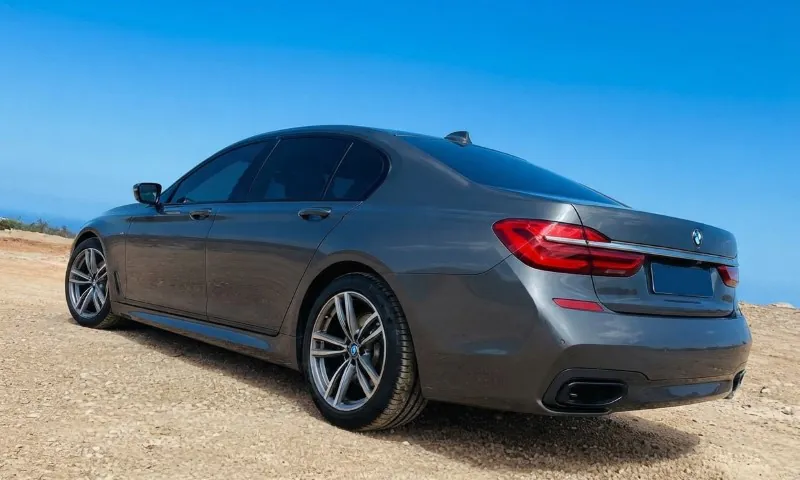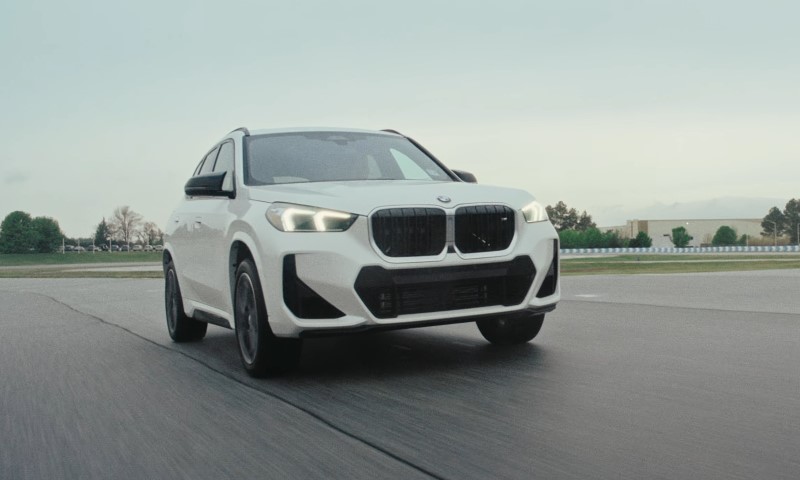

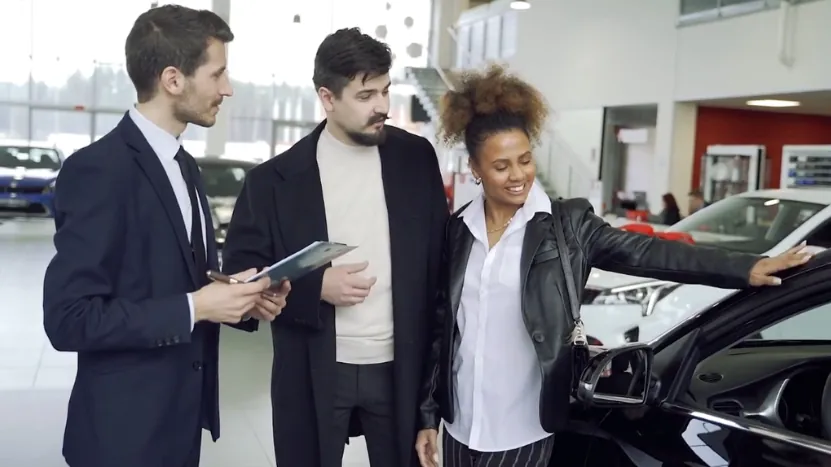
U.S. auto sales remain strong, especially in the used vehicle segment, which has outperformed new vehicle sales after the pandemic period.
Dealership ownership offers high income potential, yet demands significant startup funding, licensing compliance, and consistent marketing execution.
Several dealership formats exist, including new car franchises, independent used car operations, Buy-Here-Pay-Here stores, wholesale-only setups, and digital-only retailers allowed in some states.
Types of Car Dealerships

A variety of dealership formats operate across the United States, each suited to different levels of capital, regulatory requirements, and sales strategies.
Entrepreneurs often choose a model based on funding capacity, operational goals, and preferred customer base.
New Car Dealerships
New vehicle outlets function under franchise agreements with automakers, requiring operators to meet strict approval criteria.
Large capital reserves are necessary because manufacturers expect dealers to carry a substantial inventory, maintain modern facilities, and hire trained personnel.
Franchise owners must follow corporate guidelines covering facility layout, branding, sales processes, and performance reporting.
Compliance with warranty service standards and customer satisfaction metrics is also monitored closely by automakers.
Used Car Dealerships
Used vehicle operations attract many first-time dealers due to lower startup requirements and adaptable business approaches.
Entrepreneurs commonly begin with around $100,000 to $150,000, enabling them to purchase a modest fleet, secure a small lot, and set up core systems.
Inventory flows in through dealer auctions, trade-ins, and partnerships with wholesalers.
Pricing strategies can shift quickly in response to market changes, giving operators the flexibility to stock specific vehicle categories favored in local communities.
A smaller investment also allows easier scaling as revenue begins to grow.
Niche Dealership Models
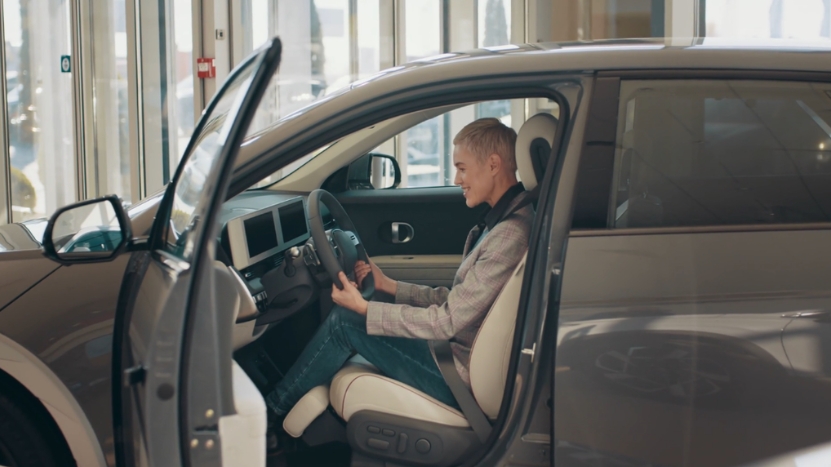
Several specialized formats offer different income potential and risk profiles.
Each model fits specific customer segments and operational priorities.
Buy-Here-Pay-Here (BHPH)
BHPH operations cater to customers with credit challenges by offering in-house financing.
Revenue opportunities are substantial because interest rates and down payments generate strong returns, but risk exposure increases due to potential defaults.
Operators must apply careful underwriting, daily payment tracking, and detailed customer communication to protect cash flow.
Wholesale-Only Dealers
Wholesale operations focus on selling vehicles directly to other licensed dealers rather than retail buyers.
Startups in this category often work with minimal physical space, reducing overhead significantly.
Many wholesale dealers operate out of small offices or home-based locations, relying heavily on dealer auctions, transportation partners, and online communication.
Online Dealerships
Several states allow licensed dealers to operate entirely online without a traditional lot.
Lower property expenses and flexible work structures attract entrepreneurs who prefer digital sales processes.
Operators must still satisfy all licensing rules, maintain proper records, and provide accurate disclosures.
Strong digital marketing and transparent pricing support customer trust in a remote-sales environment.
Skills and Knowledge Needed
Successful dealership owners rely on a combination of interpersonal skills, financial awareness, and operational discipline.
A strong ability to negotiate helps close deals and manage customer expectations.
Cash flow planning, expense tracking, and pricing accuracy support profitability during both busy and slow seasons.
Customer service ability influences online reputation, affecting buyer confidence and referral traffic.
Industry familiarity strengthens decision-making. Market trends, vehicle specifications, and pricing movements must be monitored through auctions, trade shows, and automotive publications.
For those interested in advanced governance roles or scaling a dealership into a larger corporate structure, the Non-Executive Knowledge Centre provides valuable insights into board leadership, strategic direction, and performance oversight.
Market trends, vehicle specifications, and pricing movements must be monitored through auctions, trade shows, and automotive publications.
Several states, including California, Washington, and Montana, require pre-licensing education covering compliance rules, business practices, and record-keeping methods.
A set of core abilities usually guides daily operations, and that includes:
- Skills that support accurate valuation of trade-ins, auction purchases, and reconditioning needs
- Knowledge of state regulations governing paperwork, title processing, and consumer protection
- Ability to coordinate vendors such as detailers, mechanics, lenders, and marketing partners
Step-by-Step Process to Open a Car Dealership

Step 1: Conduct Market Research
Market analysis identifies local demand, especially for used vehicles that currently outperform new models.
Key considerations include vehicle ownership trends, average income in the area, financing habits, and competitor activity.
Surveys, social data tools, and municipal statistics help guide decisions about inventory types and pricing.
Step 2: Develop a Dealership Business Plan
Investors, lenders, and franchisors request structured business plans.
Plans outline chosen business model, target audience, pricing strategy, marketing approach, and multi-year financial projections.
Startup expenses generally involve:
- Inventory ranging between $50,000 and $500,000 or more
- Marketing budgets between $2,000 and $10,000
- Dealer management software priced from $5,000 to $15,000
Break-even timelines depend on sales volume, gross profit per vehicle, and operational efficiency.
Step 3: Choose a Business Structure and Register
View this post on Instagram
Dealers commonly choose LLCs due to liability protection and operational flexibility. Other structures include S-Corps, C-Corps, and sole proprietorships.
Filing requirements include state registration, an EIN, and a sales tax permit.
Step 4: Choose a Location
State regulations outline zoning and facility standards for dealership locations.
Sites must generally include signage, office space, an area for inventory display, and customer access. Leasing costs typically fall between $1,000 and $10,000 per month.
Locations must pass inspection before licensing is approved.
Step 5: Obtain a Dealer License
Every state mandates dealer licensing.
Applications often include background checks, fingerprints, business registration proof, lease agreements or property documentation, and photographs of the facility.
Some states require pre-licensing classes. License fees usually range from $200 to $3,000, depending on license type:
- Retail dealer
- Wholesale dealer
- Franchise dealer
- BHPH dealer
Step 6: Secure an Auto Dealer Bond and Insurance

Most states require dealer bonds to protect consumers.
Bond costs equal roughly 1 percent to 3 percent of the bond value.
Insurance packages normally include garage liability, lot protection, and workers’ compensation coverage when staff are employed.
Step 7: Build Your Inventory
Dealers source vehicles through auctions, trade-ins, wholesalers, or franchise agreements.
Many new operators begin with a balanced, manageable fleet that fits local demand.
Reconditioning capacity, profit margins, and turn rate should guide inventory decisions.
Step 8: Hire Your Team
Dealership staffing often involves sales associates, finance managers, administrative staff, marketing personnel, and sometimes technicians.
Payroll costs vary by region and dealership size. Training programs help maintain compliance and consistent customer service.
Step 9: Set Up Tools and Technology
@robbthecarguy Replying to @Car Daddy #robbthecarguy #moneymanweems @DealerCenter ♬ original sound – RobbTheCarGuy
Modern dealerships rely on DMS platforms such as DealerCenter, AutoManager, or Spider VO.
These systems manage CRM functions, inventory tracking, financing workflows, accounting, and appointment scheduling.
Many operators also invest in a CMS to build a professional dealership website.
Step 10: Market Your Dealership
Marketing foundations include a website, strong local SEO, and a verified Google Business Profile.
Paid ads on Google or Facebook help generate leads.
Auto listing platforms such as Cars.com and Autotrader expand visibility. High-quality photos or 360-degree video tours improve online engagement.
Step 11: Establish Financing and Partnerships
Dealers build lender relationships to offer financing options to customers. Franchise owners work directly with manufacturer representatives.
Operations using in-house financing must comply with the Truth in Lending Act and state lending requirements.
Summary
Launching a dealership requires structure, planning, compliance, and capital investment, yet offers strong financial potential.
Demand for used vehicles remains high, and modern tech tools provide operators with efficient ways to manage sales, inventory, and customer engagement.
Entrepreneurs who prepare thoroughly and follow regulatory requirements can create a scalable and competitive dealership operation.