
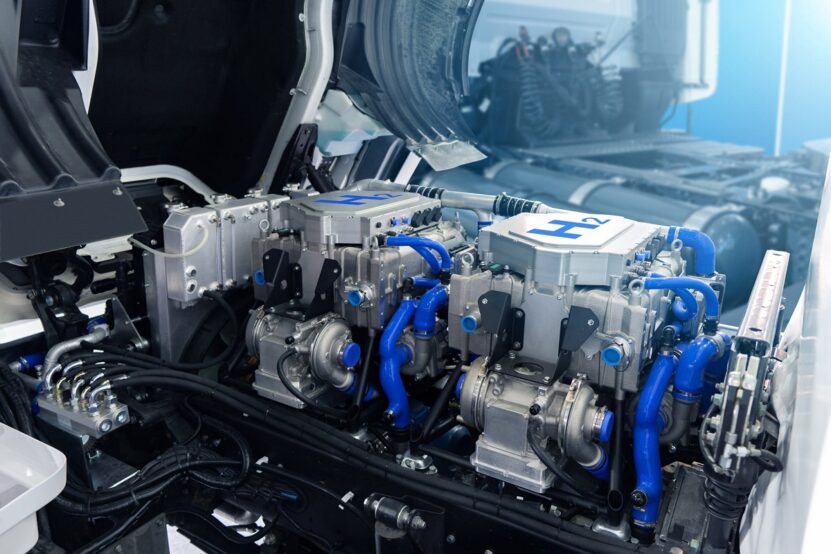
Hydrogen fuel cells are often framed as futuristic, even borderline magical. They power vehicles with nothing more than hydrogen, oxygen, and a quiet hum, leaving behind water vapor instead of tailpipe emissions.
That’s pretty elegant for a chunk of machinery buried under the hood. But here’s the catch: when hydrogen fuel cells go wrong, they don’t just fizzle quietly.
They can crack, corrode, leak, or burn. And when you’re dealing with exotic tech packed with platinum catalysts, pressurized tanks, and fragile membranes, every failure becomes a learning moment, and sometimes a dangerous one.
Let’s pull back the curtain and talk about what actually happens when hydrogen fuel cells break down.
Key Points
- Hydrogen fuel cells can fail due to issues like membrane damage, catalyst wear, or freezing water.
- High-pressure hydrogen can cause embrittlement and cracks in metal parts.
- Common failures include leaks, corrosion, and performance loss from repeated start-stop cycling.
- Engineers are improving durability with better materials, smarter water management, and stronger safety systems.
How Hydrogen Fuel Cells Actually Work
Before we break down what can go wrong, it helps to know what’s supposed to happen.
In a typical polymer electrolyte membrane (PEM) fuel cell, hydrogen is fed into the anode side of the cell. There, it splits into protons and electrons. The protons pass through the electrolyte membrane toward the cathode, while the electrons are routed through an external circuit, generating electricity.
On the cathode side, those protons and electrons meet up again, this time combining with oxygen to produce water.
But as clean and efficient as that sounds, the real-world machinery that makes it happen is incredibly sensitive. From microscopic catalyst particles to steel tanks holding hydrogen at pressures above 700 bar, there’s a lot that can, and sometimes does, go wrong.
1. Membrane Degradation
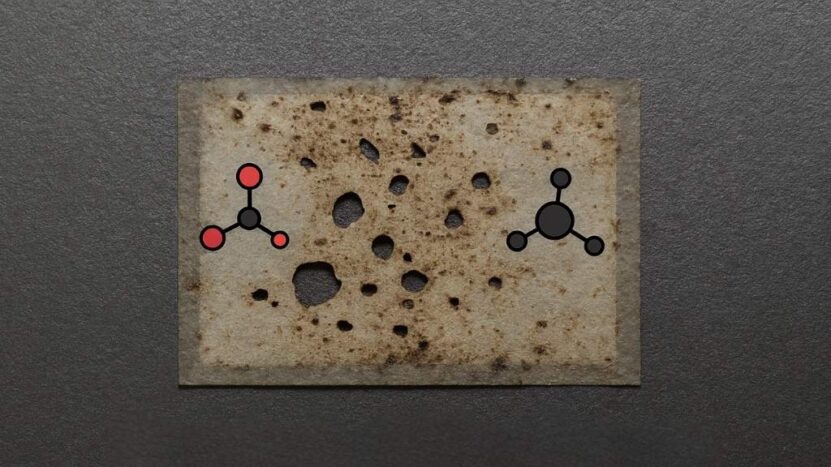
The membrane at the heart of the PEM cell is the thin sheet that keeps the hydrogen and oxygen separate while letting protons pass through.
It’s typically made from a polymer material, like Nafion, which has to walk a tightrope: it needs to be chemically tough, thermally stable, and still conductive.
What goes wrong:
Over time, the membrane can degrade, especially when exposed to hydrogen peroxide, a nasty byproduct that can form during cell operation.
This kicks off a chain reaction with free radicals that punch holes in the membrane structure.
Why it happens:
- Operating temperatures that are too high
- Impurities in the hydrogen or air supply (e.g., nitrogen dioxide, sulfur dioxide)
- Mechanical stress or hydration cycling
What it causes:
- Lower proton conductivity
- Higher electrical resistance
- Eventually, complete cell failure
Membrane failure often shows up as a sudden drop in voltage under load or an increase in internal resistance. Once the membrane breaks down, it’s game over for that cell.
2. Catalyst Degradation
Fuel cells rely heavily on platinum-based catalysts to speed up the reactions on both the anode and cathode. Platinum is expensive, but for now, it’s still the gold standard, pun intended.
What goes wrong:
Catalyst particles can clump together (agglomeration), move away from their active areas (migration), or simply lose effectiveness through corrosion of the carbon support structure.
Why it happens:
- Repeated on-off cycling
- High voltages during idle states
- Fuel contamination with carbon monoxide or sulfur
What it causes:
- Loss of active surface area
- Slower reaction kinetics
- Reduced power output
When catalyst degradation sets in, the whole system starts to feel sluggish, like an engine that’s constantly out of tune.
3. Flooding and Drying
Water is both a friend and a foe in fuel cells. You need enough of it to keep the membrane hydrated and proton-conductive, but not so much that it floods the gas diffusion layer (GDL) and blocks the pathways for reactants.
What goes wrong:
- Too much water and you get flooding: oxygen and hydrogen can’t reach their electrodes.
- Too little water and the membrane dries out, making it brittle and less conductive.
Why it happens:
- Poorly balanced gas flow
- Flawed water management systems
- Cold weather, which can cause internal freezing
What it causes:
- Either high ohmic losses or mass transport losses
- Poor startup performance and unstable output
Some of the worst cold-weather failures in fuel cell vehicles come from water freezing in the stack and damaging the membrane during start-up.
4. Start/Stop Cycling
Hydrogen fuel cells don’t always run continuously. In mobile applications like vehicles, they’re frequently turned on and off.
Every start and stop introduces stress, especially to the carbon that supports the catalyst layer.
What goes wrong:
Carbon corrosion starts to eat away at the support structure, particularly on the cathode side. Residual hydrogen during shutdown can accelerate the decay.
Why it happens:
- Frequent shutdowns
- Lack of purge systems that remove residual hydrogen
- Design flaws in air management
What it causes:
- Catalyst destabilization
- Reduced lifespan
- Gradual performance loss
Think of it like turning a lightbulb on and off 10,000 times. Eventually, something gives.
5. Hydrogen Embrittlement
Hydrogen is sneaky. It’s a tiny molecule that can squeeze into the grain boundaries of metals, weakening them from the inside out.
What goes wrong:
Hydrogen embrittlement causes microscopic cracks in metal components like pipelines and storage tanks. Over time, these cracks can grow, leading to catastrophic failure.
Why it happens:
- Exposure to high hydrogen pressures (often over 100 bar)
- Trace contaminants like hydrogen sulfide (H₂S) make it worse
What it causes:
- Sudden mechanical failure
- Gas leaks
- Safety hazards
Pipelines made from the wrong steel alloy can fail without much warning, especially after years of repeated pressure cycling.
If hydrogen embrittlement leads to a crash or explosion, victims may face complex legal questions. A Miami Car Accident Attorney can help navigate the aftermath.
6. Sealing Failures
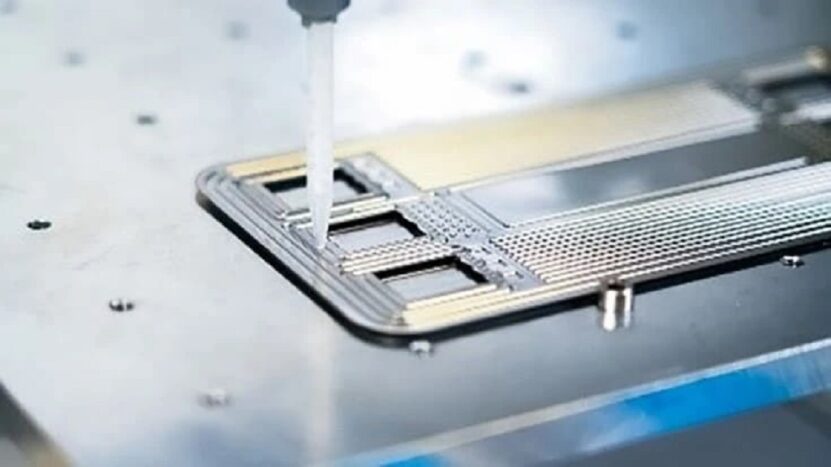
Seals and gaskets are boring but essential. If they don’t hold up, hydrogen leaks out, and that’s a problem.
What goes wrong:
Poor-quality or mismatched seals can degrade from heat, pressure, or chemical exposure. A tiny leak in a high-pressure system is enough to create a fire risk.
Why it happens:
- Thermal cycling
- Improper assembly or torqueing
- Incompatible materials
What it causes:
- Leaks that may ignite
- Loss of efficiency
- System shutdowns
Technical Challenges and What Engineers Are Doing About Them
Fuel cells have a future, but only if we solve the issues that keep cropping up. Here’s how the industry is tackling the key technical hurdles:
Material Compatibility
- Problem: Metals degrade under hydrogen pressure.
- Fix: Use embrittlement-resistant alloys and composite materials. Inspect regularly for microcracks.
Water Management
- Problem: Too much or too little water wrecks performance.
- Fix: Use smarter humidification systems and better flow-field designs.
Catalyst Durability
- Problem: Platinum wears out or gets contaminated.
- Fix: Develop PGM-free catalysts and more stable carbon supports.
System Design
- Problem: Leaks, corrosion, and poor heat dissipation.
- Fix: Integrate fail-safes like redundant seals and automated shutdown valves.
Safety Still Rules the Conversation
Hydrogen’s explosive potential can’t be ignored. Even when it’s used safely, the margin for error is thin.
Key Safety Strategies:
- Leak detection with fast-response sensors
- Ventilation systems to disperse hydrogen buildup
- Emergency protocols tailored for hydrogen response
- Pressure relief valves and robust container design
For example, hydrogen sensors in confined spaces like labs and vehicle compartments are now considered essential, not optional.
Wrapping It Up
Hydrogen fuel cells might look like tech from tomorrow, but their vulnerabilities are very much grounded in today’s engineering realities. Whether it’s a pinhole leak, a degraded catalyst, or a forgotten torque spec, every system is only as strong as its weakest component.
What’s encouraging is that none of the major failure modes are unfixable. With smarter designs, better materials, and more rigorous safety practices, fuel cells are becoming more reliable and safer to deploy across transportation and energy sectors.
The tech is evolving, and so are the people behind it. Engineers, researchers, and safety inspectors are learning from every breakdown and pushing hydrogen fuel systems closer to maturity.
The future still looks clean and green. Just a bit more fireproofed.