
Warranty length plays a major role in a car buyer’s decision-making process.
It offers a layer of financial protection and signals how much faith a manufacturer has in its vehicles.
With several types of warranties available, such as bumper-to-bumper, powertrain, rust perforation, and electric vehicle battery warranties, it becomes essential to assess what different brands offer.
The goal is to evaluate BMW’s standard and extended warranties in comparison to both luxury and mainstream automakers.
BMW Warranty Overview

- New vehicle warranty (USA): 4 years / 50,000 miles
- New vehicle warranty (Australia): 5 / unlimited kilometers
- Rust perforation warranty: 12 / unlimited miles
- Federal emission warranty (USA): 2 / 24,000 miles
- Roadside assistance: Typically 3 to 6, varies by market and model
- Maintenance plan (BMW Ultimate Care): 3 / 36,000 miles
BMW provides a standard new vehicle warranty of 4 years or 50,000 miles in the United States, which has become the expected benchmark for luxury automakers.
In Australia, BMW extended its offering to 5 years with unlimited kilometers starting in October 2022, showing regional adaptability in response to market competition.
Buyers also benefit from long-term structural protection through a 12-year rust perforation warranty, which applies regardless of mileage.
Additional peace of mind comes with BMW’s roadside assistance program, which varies in duration depending on the specific region and model but typically falls within a 3 to 6-year range.
Routine maintenance is covered under the BMW Ultimate Care program, lasting 3 years or 36,000 miles.
The package includes scheduled services such as oil changes, brake fluid replacement, and inspection services, helping reduce ownership costs in the early years.
Extended and CPO BMW Warranties
For Certified Pre-Owned (CPO) vehicles, BMW offers extended coverage that includes the remaining balance of the 4-year/50,000-mile new car warranty.
After that expires, buyers receive one additional year with unlimited mileage, adding value and improving confidence in used BMW purchases.
The extension helps keep resale values strong and attracts buyers looking for dealer-backed protection.
BMW also sells extended warranty plans for new vehicles, allowing owners to tailor coverage to fit their needs. These plans can cover the vehicle for up to 7 years or 100,000 miles, depending on the selected tier.
Customers can choose between three coverage levels:
- Platinum: Most comprehensive coverage, ideal for full peace of mind
- Gold: Includes major components such as the engine and transmission
- Powertrain Plus: Focuses on essential systems related to performance
Although extended warranties are purchased separately, they offer flexible solutions for those who plan on keeping their BMW for many years.
Dealer-based service history and approved repairs ensure continued value during and after the warranty period.
Comparative Analysis with Other Brands
Now, let us take a look at what other popular brands can offer in this regard.
Premium European Brands
BMW’s warranty structure mirrors competitors such as Mercedes-Benz and Audi in the U.S., all offering 4 years or 50,000 miles.
In Australia, these brands have upgraded to 5 years with no mileage limits, creating a level playing field for prospective luxury buyers.
Porsche also follows the 4-year/50,000-mile pattern in the U.S. but includes a 12-year rust warranty, matching BMW’s corrosion protection.
Tesla, on the other hand, adds a longer 8-year battery and drivetrain warranty, enhancing support for electric vehicle buyers.
Key figures for comparison:
- Mercedes-Benz and Audi (USA): 4 years / 50,000 miles
- Mercedes-Benz and Audi (AU): 5 years / unlimited km
- Porsche: 4 years / 50,000 miles + 12-year rust coverage
- Jaguar/Land Rover (USA): 5 years / 60,000 miles
- Tesla: 4 years / 50,000–80,000 km + 8-year battery/drivetrain warranty
Mainstream Brands Offering Superior Warranties
Mainstream automakers offer longer warranties, often with fewer restrictions.
Kia delivers a 7-year/unlimited km policy in Australia and a 10-year/100,000-mile powertrain warranty in the U.S., far exceeding the standard terms in the luxury segment.
Hyundai follows suit with 5 years/60,000 miles of base coverage and a 10-year powertrain warranty. Genesis, Hyundai’s luxury division, adds 3 years of free scheduled maintenance.
Mitsubishi’s warranty offering in Australia reaches 10 years or 200,000 km, but only when buyers follow dealer-servicing guidelines.
In the U.S., Mitsubishi provides 5 years or 60,000 miles of standard coverage.
Standout warranties among mainstream brands:
- Kia (AU): 7 / unlimited km
- Kia (USA): 5 / 60,000 miles + 10-year powertrain
- Hyundai: 5 / 60,000 miles + 10-year powertrain
- Genesis: 5 / 60,000 miles + 10-year powertrain + 3 years free maintenance
- Mitsubishi (AU): 10 / 200,000 km (dealer service required)
- Mitsubishi (USA): 5 / 60,000 miles
Other Notable Brands
Volkswagen briefly pushed its U.S. coverage to 6 years/72,000 miles, which helped it stand out during that time.
Although the brand reverted to shorter coverage later, the move demonstrated how manufacturers can compete by enhancing warranty terms.
Other brands such as MG, SsangYong, and GWM/Haval now offer warranties ranging from 7 to 10 years in Australia, emphasizing confidence in durability.
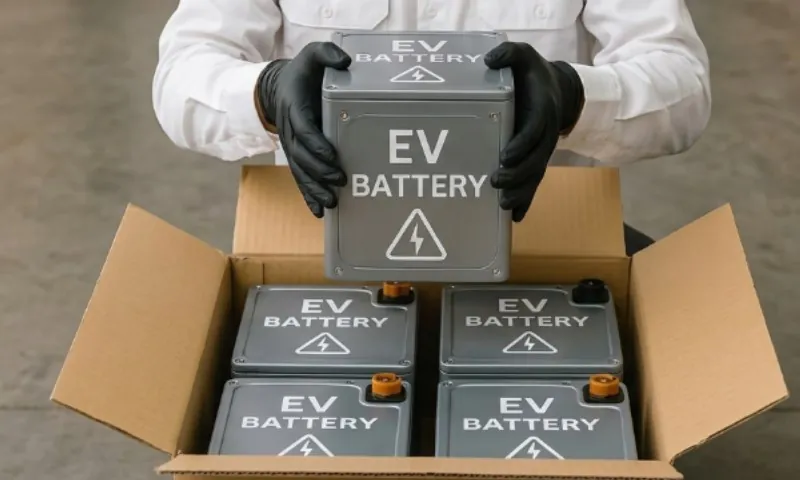
Hybrids and EVs from various manufacturers generally come with 8-year battery warranties, separate from standard vehicle coverage.
Additional examples:
- Volkswagen (USA): 6 / 72,000 miles (limited time)
- MG / SsangYong / GWM/Haval (AU): 7–10
- Most EVs/Hybrids: 8-year battery coverage
- Jeep (USA): 5 years / 60,000 miles
For example, Jeep powertrain warranty provides 5 years or 60,000 miles of coverage from the original in-service date. It includes repair or replacement of internally lubricated parts in the engine, transmission, and drive systems (including FWD, RWD, AWD, and 4WD).
Covered components span from the cylinder block and turbocharger to the transmission control module and drive shafts.
Global Variations in BMW Warranty
BMW’s warranty varies by region, often influenced by market expectations and government regulations.
In the United States, buyers receive 4 years or 50,000 miles of standard coverage.
Certified Pre-Owned models add an extra year with no mileage cap once the original term ends.
Australia saw an upgrade in October 2022, moving to a 5-year warranty with unlimited kilometers.
That change aligns BMW with regional standards, where longer warranties are becoming a baseline for competitive offerings.
European markets tend to have more variability. Some countries offer just 2 or 3 years of coverage unless buyers opt for extended service packages.
Differences in regulatory conditions and consumer preferences play a role in shaping these offerings.
Coverage breakdown by region:
- United States: 4 years / 50,000 miles + 1 year for CPO
- Australia: 5 / unlimited kilometers
- Europe: Typically 2 to 3, depending on the country
Warranty terms abroad can affect purchase decisions, especially for buyers relocating or importing vehicles.
Strengths and Weaknesses of BMW Warranty
View this post on Instagram
BMW offers dependable coverage in several areas, especially within the luxury class.
Extended options, corrosion protection, and emissions compliance contribute to a positive ownership experience.
That said, BMW’s base warranty falls short when compared with some mainstream manufacturers, particularly those offering longer default coverage without extra cost.
- 4-year/50,000-mile base warranty that meets luxury market expectations
- 12-year rust perforation warranty provides long-term structural assurance
- Strong Certified Pre-Owned extension adds value for resale and buyer trust
- Emission warranty meets government standards and supports eco-focused regulations
- Mainstream brands such as Kia and Hyundai surpass BMW in standard warranty length
- Extended warranties require significant investment, limiting broader appeal
- Roadside assistance lacks consistency across models and countries
- BMW’s warranty delivers balanced coverage for those valuing brand service quality, though buyers focused on maximizing term length may find better value elsewhere.
Summary
BMW delivers a warranty that competes effectively within the luxury space, but lacks the longevity offered by many mainstream brands.
Buyers looking for extended coverage without additional investment may lean toward automakers like Hyundai or Kia.
Those prioritizing engineering precision, brand recognition, and optional service plans may still view BMW’s offering as sufficient.
Warranty duration alone doesn’t tell the full story, but it remains a significant factor for informed car shoppers.