


Airbags deploy in collisions to cushion passengers and reduce injuries. Once deployed, they are no longer functional and leave the vehicle less safe.
Failure to replace them can lead to legal complications, financial burdens, and potential fines.
Drivers must be aware of the risks tied to ignoring this issue.
What Happens When an Airbag Deploys

Car safety systems are carefully engineered to work in a fraction of a second during a collision. Airbags represent one of the most important components in protecting passengers from serious injury.
Once activated, they do their job instantly, but the aftermath leaves the driver with new responsibilities.
Airbags are single-use protective devices. Once they inflate, the internal mechanisms such as inflators, sensors, and propellant systems are destroyed, meaning they cannot be reset or reused.
Replacement becomes necessary to restore the vehicle’s safety features to proper condition.
Driving without a functioning airbag system means passengers lose a vital layer of protection in future accidents.
In cities like Miami, where car accidents are common, seeking care at a trusted Miami accident clinic ensures not just medical recovery but also proper documentation for insurance and legal claims.
Replacement, however, does not come cheaply. Modern vehicles often contain multiple airbags, including side-impact, curtain, and knee airbags, all of which must be replaced if deployed. Costs can add up quickly, creating a financial challenge for owners.
- Replacement costs often range between $1,000 and $6,000 depending on the car model.
- Labor costs can be high, as interior panels, seats, and electrical systems may need removal and reinstallation.
- In older cars, the value of the repair may exceed the car’s worth, leading owners to declare the vehicle a total loss.
Owners are left balancing safety with practicality, making decisions that affect both finances and long-term driving security.
Is It Illegal to Drive Without Replacing Deployed Airbags?

Driving with deployed or missing airbags creates a serious safety hazard. Regulations vary from state to state, but operating a car without them is widely discouraged.
It may not always be explicitly written into law as an offense, yet modifications such as removing airbags, disabling them, or installing counterfeit versions are punishable.
Authorities view such practices as tampering with federally required safety equipment, which can result in penalties.
Even if no direct statute bans driving without airbags, legal consequences often surface during inspections, insurance claims, or after resale. A driver found with unsafe or falsified safety systems risks fines, failed inspections, and liability in civil cases.
Florida Example (Based on Landau Law)
Florida offers an example of how laws address this situation. Driving without functioning airbags is not automatically illegal, but it still places drivers in violation of safety standards.
Vehicles that do not meet these standards may not pass inspections or could lead to legal disputes after an accident.
Problems become much more severe when fake airbags or non-functional replacements are used.
Florida law specifically prohibits counterfeit airbags, and selling a vehicle without disclosure can trigger lawsuits.
Buyers who discover they were misled may sue for damages, and liability increases significantly if passengers suffer injuries in an accident.
Insurance & Liability Issues
Insurance companies consider airbags essential safety equipment. Once airbags deploy, insurers often categorize the car as a total loss because repairs cost more than the car’s value.
Even in cases where repair is possible, insurers are unlikely to cover reused or counterfeit parts, leaving owners with large out-of-pocket expenses.
Driving a vehicle without replacing airbags also jeopardizes insurance claims. If an accident occurs, an insurer can deny coverage entirely, arguing that the car was knowingly operated in an unsafe condition.
That denial extends to both collision damage and medical coverage.
Selling a vehicle with deployed airbags presents another risk. If a buyer later discovers the airbags were missing or replaced with fake components, legal action can follow.
Courts often side with buyers in such cases, and sellers may be ordered to pay for repairs or damages.
Can You Get Fined?
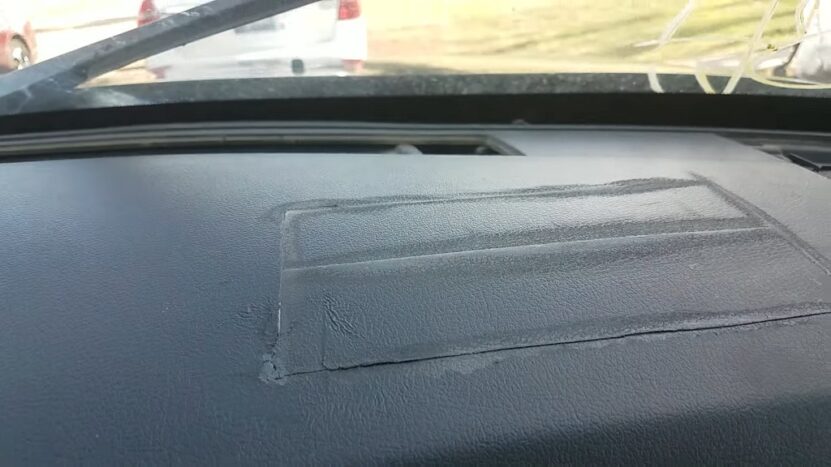
Driving without functional airbags is not just a safety issue but also a legal and financial hazard.
Authorities view airbags as critical safety equipment, and insurers treat their absence as a breach of responsibility.
While laws differ depending on the state, several situations can lead directly to fines or more severe consequences.
Fines and penalties may apply under conditions such as:
- Operating a vehicle with airbags that have been removed, disabled, or left unrepaired after deployment.
- Installing counterfeit airbags, non-functional replacements, or attempting to reinstall previously deployed airbags.
- Selling a vehicle without disclosing those that have already deployed, misleading buyers into believing the car is safe.
Failing to address any of these conditions is considered an act of negligence.
Even if a state does not explicitly fine drivers for missing ones during normal operation, other violations, such as fraud, safety violations, or failure to meet inspection standards, can still result in penalties.
Potential Consequences
- State-issued fines for operating an unsafe vehicle that does not comply with safety inspection requirements.
- Insurance refusal to cover damages, as insurers can deny claims if a driver knowingly operated a vehicle without airbags.
- Civil lawsuits brought by passengers or buyers who suffer harm or financial loss due to undisclosed or non-functional airbags.
Consequences extend far past the initial fine.
Courts treat non-functional airbags as a serious breach of vehicle safety standards, meaning liability often falls heavily on the driver or seller.
Regulators may issue additional penalties, while insurers deny coverage, leaving the owner fully responsible for all damages.
Financial risks pile up quickly, making the decision to skip proper replacement a costly mistake in both the short and long term.
What Are Your Options if You Can’t Afford Replacement?
Replacing airbags is expensive, but options exist for owners who cannot afford immediate repair. Ignoring the issue is not a safe or legal solution.
Insurance may cover repairs if policies include collision or at-fault accident protection.
In some cases, insurers may choose to pay for repairs if the vehicle’s overall value justifies the cost.
Another route involves sourcing used or refurbished airbags, though these must meet safety standards to avoid legal problems.
Financing programs or repair shop payment plans also provide a way forward. Spreading the cost across months can make replacement more manageable.
Owners who cannot find affordable repair paths sometimes decide to sell their vehicle instead. In such cases, full disclosure is essential.
Concealing deployed airbags during a sale exposes sellers to lawsuits and financial liability.
Possible approaches include:
- Checking with insurance to confirm coverage.
- Seeking certified refurbished airbags from trusted suppliers.
- Asking repair shops about installment payment options.
- Selling the vehicle with transparent disclosure of airbag status.
Making the right decision helps avoid legal consequences and ensures drivers protect both themselves and future vehicle owners.
The Bottom Line
Driving a vehicle with deployed airbags puts drivers, passengers, and future owners in danger.
Although not always directly illegal, the practice leads to fines, insurance issues, and lawsuits.
Addressing the problem promptly not only protects lives but also prevents financial and legal troubles. Responsible ownership means ensuring airbag systems remain intact and functional.